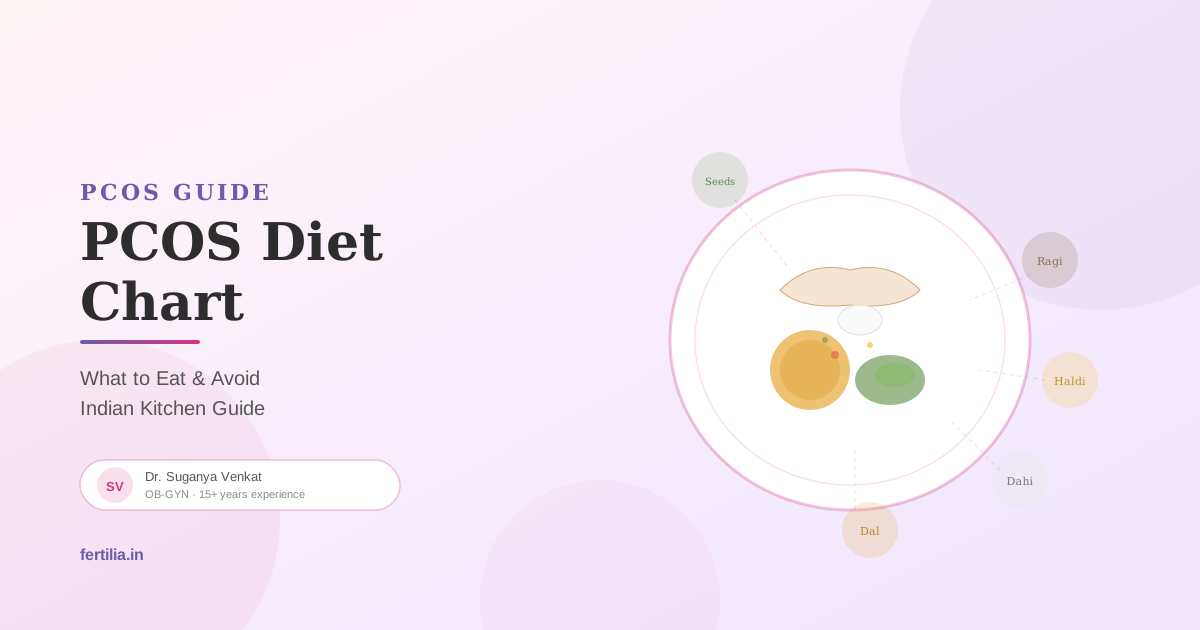
If you’ve been diagnosed with PCOS (or PCOD. It’s the same condition), one of the first things you probably Googled was “PCOS diet chart.” And then you found 50 different lists telling you 50 different things.
Cut carbs. Go keto. Avoid dairy. Drink spearmint tea. Try seed cycling. Eat clean.
It’s exhausting. And most of it isn’t based on evidence. It’s based on wellness trends that don’t account for how PCOS actually works in Indian women eating Indian food.
Here’s the truth: there’s no single “PCOS diet.” But there are clear, research-backed principles about what helps and what makes things worse. And the good news? Indian food is naturally well-suited for PCOS: you don’t need to overhaul your kitchen.
Let me walk you through exactly what to eat, what to limit, and a realistic Indian meal plan you can actually follow.
Why Diet Matters So Much in PCOS
Before we get to the chart, it helps to understand why food choices matter so much in PCOS.
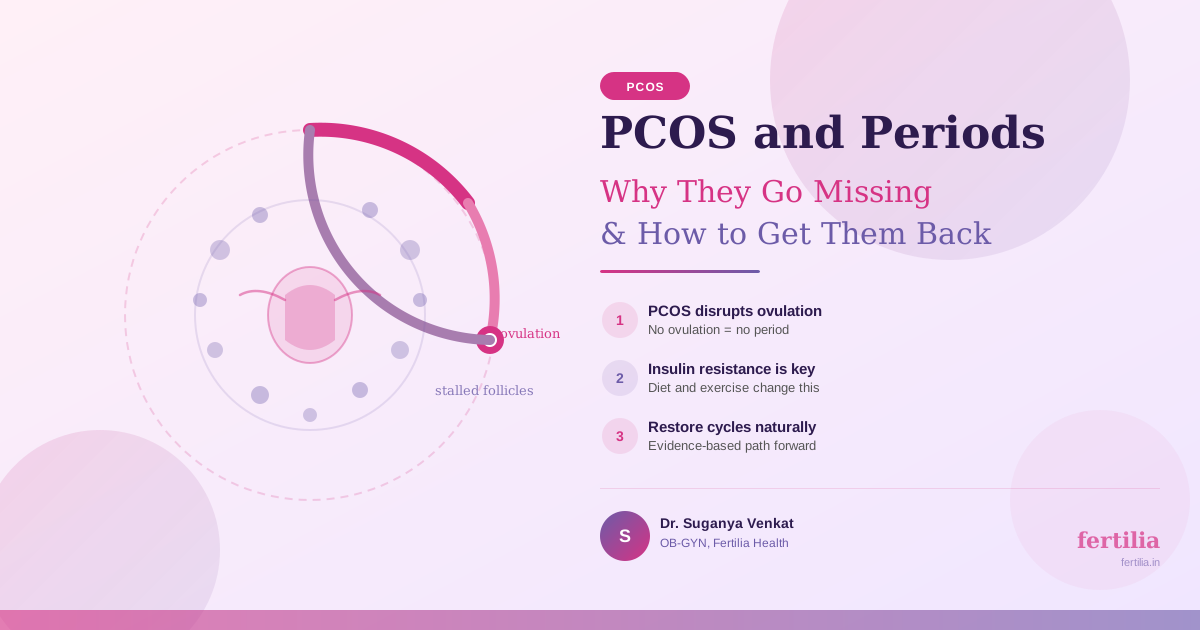
The core issue in 60–70% of PCOS cases is insulin resistance: your body produces insulin, but cells don’t respond to it efficiently. So the pancreas produces more insulin. This excess insulin tells the ovaries to produce more androgens (male hormones), which is what drives most PCOS symptoms: irregular periods, acne, hair growth, weight gain around the belly, and difficulty conceiving (Dunaif, 1997; Diamanti-Kandarakis & Dunaif, 2012).
What you eat directly affects your insulin levels. Foods that spike blood sugar quickly → more insulin → more androgens → worse symptoms. Foods that keep blood sugar steady → less insulin → fewer symptoms.
This isn’t about willpower or “being disciplined.” It’s about understanding the biology and working with it.
If you want a deeper dive into the insulin–PCOS connection, read our complete guide to insulin resistance and PCOS.
The 5 Principles Behind a PCOS-Friendly Diet
Rather than memorising a rigid chart, understand these principles. They work across cuisines and lifestyles.
1. Pair Carbs with Protein or Fat. Always
Carbs aren’t the enemy. But eating carbs alone (plain rice, bread, biscuits) causes a rapid glucose spike. When you pair them with protein, fat, or fibre, the spike is smaller and slower.
Practical examples:
- Rice + sambar + dahi (protein from dal + fat from dahi)
- Roti + dal + sabzi (protein + fibre)
- Idli + sambar + coconut chutney (carbs + protein + fat)
2. Don’t Skip Meals
This one surprises many women. Skipping meals (especially breakfast) worsens insulin resistance. When you go long periods without eating, cortisol rises. Cortisol tells your liver to release glucose. Insulin spikes in response. The exact thing you’re trying to avoid (Jakubowicz et al., 2013).
Eat every 3–4 hours. Three meals and 1–2 snacks.
3. Prioritise Fibre
Fibre slows glucose absorption, feeds beneficial gut bacteria, and helps with the hormonal clearance your liver needs to do. Indian diets that include dal, vegetables, and whole grains are naturally high in fibre.
Target: 25–30 grams per day (most Indian women get about 15g).
4. Include Anti-Inflammatory Foods
Chronic low-grade inflammation is a driver of PCOS in many women (González, 2012). Anti-inflammatory foods include turmeric (curcumin), ginger, fatty fish, nuts, seeds, and deeply coloured vegetables.
The good news: if you cook with haldi, jeera, and ginger regularly, you’re already including these.
5. Reduce (Don’t Eliminate) Refined Foods
The goal isn’t perfection. It’s reducing the frequency of high-glycemic, processed foods while increasing the proportion of whole, minimally processed ones.
Foods to Eat: Your PCOS Kitchen Staples
Here’s what to stock up on, organised by category. All of these are Indian-kitchen-friendly.
Whole Grains & Millets
| Food | Why It Helps |
|---|---|
| Ragi (finger millet) | High calcium, low glycemic index (GI ~54), excellent for insulin sensitivity |
| Jowar (sorghum) | High fibre, gluten-free, low GI |
| Bajra (pearl millet) | Iron-rich, low GI, keeps you full longer |
| Brown rice | Lower GI than white rice, higher fibre |
| Whole wheat roti | Better than maida-based bread or naan |
| Oats (rolled, not instant) | Beta-glucan fibre slows glucose absorption |
Tip: You don’t need to completely replace white rice. Having it with sambar and a vegetable (fibre + protein) reduces its effective glycemic impact.
Proteins
| Food | Why It Helps |
|---|---|
| Dal / lentils (moong, masoor, toor, chana) | Plant protein + fibre. The PCOS all-rounder |
| Eggs | Complete protein, choline for liver health |
| Chicken / fish | Lean protein, keeps insulin low. Fish (especially sardines, mackerel) adds omega-3 |
| Paneer | Protein + fat, moderate portions |
| Dahi (curd) | Probiotic + protein. A PCOS staple |
| Rajma / chole | High protein + fibre. Pair with roti or rice |
| Sprouts | Germination increases bioavailability of nutrients |
Healthy Fats
| Food | Why It Helps |
|---|---|
| Coconut oil / cold-pressed gingelly oil | Traditional cooking oils with medium-chain triglycerides |
| Ghee (1–2 tsp/day) | Butyric acid supports gut lining, fat-soluble vitamin absorption |
| Nuts (almonds, walnuts) | Anti-inflammatory, omega-3 (walnuts), blood sugar stabilising |
| Flaxseeds | Lignans may help reduce androgens (Nowak et al., 2007). Add ground flaxseed to dosa batter or dahi |
| Pumpkin seeds | Zinc-rich, supports hormone metabolism |
Vegetables
Load up on these without restriction:
- Leafy greens: Spinach (palak), amaranth (keerai), moringa (drumstick leaves), iron, folate, magnesium
- Cruciferous: Broccoli, cauliflower, cabbage, contain DIM (diindolylmethane) which supports oestrogen metabolism
- Colourful vegetables: Beetroot, carrots, bell peppers, tomatoes, antioxidants reduce oxidative stress
- Bitter gourd (karela): has compounds that mimic insulin action (Keller et al., 2011)
- Drumstick (moringa pods): anti-inflammatory, nutrient-dense
Fruits (In Moderation)
Fruits are healthy, but they do contain natural sugar. Stick to 1–2 servings per day, and prefer lower-GI options:
- Berries (strawberries, jamun/Indian blackberry), low GI, high antioxidants
- Guava: low GI, very high in fibre and vitamin C
- Apple (with skin), pectin fibre slows sugar absorption
- Papaya: moderate GI, great for digestion
- Orange (whole, not juice), fibre retained when eaten whole
Spices & Condiments
Your regular spice box is your best PCOS supplement:
- Turmeric (haldi): curcumin reduces inflammation and may improve insulin sensitivity (Ghorbani et al., 2014)
- Cinnamon (pattai): may improve fasting glucose and insulin sensitivity (Akilen et al., 2012)
- Fenugreek (methi): improves insulin signalling in PCOS (Bashtian et al., 2013)
- Ginger: anti-inflammatory, supports digestion
- Jeera (cumin): supports digestion, may improve lipid profiles
Foods to Limit (Not Eliminate)
Notice I said “limit,” not “ban.” Rigid restriction often backfires, it increases cortisol, triggers binge cycles, and creates an unhealthy relationship with food.
Refined Carbs & Sugars
- Maida-based foods: white bread, naan, bakery biscuits, cakes, pastries
- Sugary drinks: packaged fruit juice, soda, sweetened chai/coffee
- White sugar: in excess. Jaggery or palm sugar in small amounts is a better alternative
- Instant noodles, packaged snacks: high refined carbs + sodium + trans fats
What to do instead: Replace maida roti with whole wheat. Choose ragi dosa over maida dosa. Have fresh fruit instead of fruit juice.
Deep-Fried Foods
- Frequent deep frying increases oxidised fats, which worsen inflammation
- Occasional bhaji or vada is fine. It’s the daily habit that matters
- Prefer air frying, shallow frying, or baking when possible
Processed & Ultra-Processed Foods
- Packaged ready-to-eat meals, processed meats
- High-sugar breakfast cereals marketed as “healthy”
- Flavoured yoghurt (often has more sugar than a biscuit)
- Read labels: if sugar is in the top 3 ingredients, reconsider
Excess Caffeine
- 1–2 cups of coffee or tea per day is fine
- Beyond that, caffeine can raise cortisol, which worsens insulin resistance
- Avoid sugary coffee-shop drinks (cold coffees, frappes)
Excess Dairy (For Some Women)
This one is nuanced. Dairy isn’t universally bad for PCOS. Fermented dairy (dahi, buttermilk) is generally well-tolerated and beneficial. But some women find that excess milk (especially skimmed milk, which has a high insulin index) worsens acne or symptoms. If you notice this pattern, try reducing milk while keeping dahi and paneer.
📋 Sample PCOS Diet Chart: Indian Meals
Here’s a realistic day. This isn’t a strict prescription. It’s a template to show the principles in action.
Want a diet chart personalised to your body, your symptoms, and your daily routine? Every woman’s PCOS is different, what works depends on your specific drivers (insulin resistance, inflammation, adrenal). Talk to Dr. Suganya on WhatsApp →
Day 1
| Meal | What to Eat | The Logic |
|---|---|---|
| Early morning (6:30–7 AM) | Warm water + 1 tsp soaked methi seeds | Fenugreek improves insulin signalling |
| Breakfast (8–8:30 AM) | 2 ragi dosa + coconut chutney + sambar | Complex carb + protein + healthy fat |
| Mid-morning (10:30 AM) | Handful of roasted almonds + 1 guava | Protein + fat + low-GI fruit |
| Lunch (12:30–1 PM) | Brown rice (1 cup) + rasam + palak dal + beetroot poriyal + dahi | Fibre-rich grain + protein + probiotics |
| Evening snack (4 PM) | Sprouted moong sundal + masala chai (1 cup) | Plant protein + anti-inflammatory spices |
| Dinner (7–7:30 PM) | 2 whole wheat roti + chicken curry (or paneer bhurji) + cucumber raita | Protein-heavy meal, lighter carbs |
| Before bed (optional) | Warm haldi milk (with a pinch of pepper) | Anti-inflammatory, aids sleep |
Day 2 (Vegetarian)
| Meal | What to Eat |
|---|---|
| Early morning | Warm water + cinnamon (½ tsp in water) |
| Breakfast | Oats upma with vegetables + 1 boiled egg |
| Mid-morning | Buttermilk (neer mor) + 2 walnuts |
| Lunch | Jowar roti + rajma curry + cabbage thoran + dahi |
| Evening snack | Roasted chana + 1 small banana |
| Dinner | Moong dal khichdi + papad + mixed veg raita |
Day 3 (South Indian)
| Meal | What to Eat |
|---|---|
| Early morning | Warm water + soaked methi |
| Breakfast | Pesarattu (green gram dosa) + ginger chutney |
| Mid-morning | 1 apple + 5 soaked almonds |
| Lunch | Hand-pounded rice (1 cup) + sambar + drumstick poriyal + mor kuzhambu |
| Evening snack | Sundal (black chana) + filter coffee (1 cup) |
| Dinner | Vegetable soup + 1 multigrain dosa + avial |
For 20 more PCOS-friendly breakfast ideas, see our complete breakfast guide.
Common Diet Mistakes in PCOS
These are patterns I see frequently in clinic:
1. Going Too Low-Carb
Extreme low-carb or keto diets can actually worsen PCOS for some women. Cutting carbs too drastically raises cortisol, which raises blood sugar through gluconeogenesis, the opposite of what you want. Your body needs glucose. The question is which carbs and how much, not “zero carbs” (Moran et al., 2013).
2. Skipping Dinner to “Save Calories”
This backfires. Your body fasts for 12–14 hours (dinner skip → breakfast), cortisol rises overnight, you wake up insulin-resistant and hungry, and end up overeating at breakfast. Eat a lighter dinner instead of skipping it.
3. Replacing Meals with Juice or Smoothies
Whole fruits have fibre. Juice doesn’t. A glass of fresh orange juice spikes blood sugar almost as much as a cola. Eat the fruit. Skip the juice.
4. Overcomplicating Things
You don’t need superfoods, special powders, or imported ingredients. A sambar-rice-poriyal-dahi meal is already an excellent PCOS meal. Indian home cooking, with minor tweaks, is one of the best dietary patterns for PCOS.
What About Supplements?
A few supplements have evidence behind them for PCOS, but they work alongside diet, not instead of it:
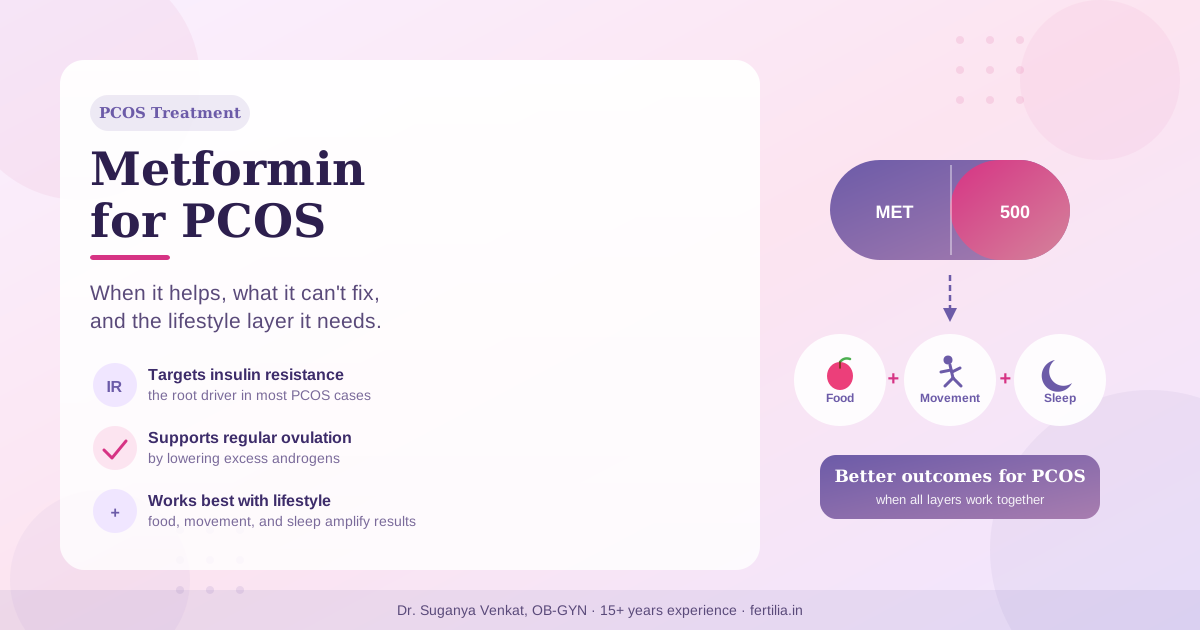
- Inositol (myo-inositol + D-chiro inositol, 40:1 ratio), strong evidence for improving insulin sensitivity and ovulation (Unfer et al., 2017)
- Vitamin D: deficiency is very common in Indian women with PCOS and worsens insulin resistance (Thomson et al., 2012)
- Omega-3: reduces inflammation markers (Khani et al., 2017)
Always consult your gynaecologist before starting supplements. They need to be dosed correctly for your specific situation.
If you’re curious about seed cycling specifically, we’ve analysed the evidence in our seed cycling for PCOS guide.
Combining Diet with Movement
Diet and exercise work synergistically in PCOS. A 15–20 minute walk after meals has been shown to significantly reduce post-meal glucose spikes, sometimes by 30–40%. Strength training 3× per week improves insulin sensitivity around the clock, not just during the workout.
For more on this, read our guide on PCOS Weight Loss Diet. We’ve covered this in depth: PCOS exercise, what actually helps.
And if you’re dealing with the stubborn belly fat that comes with PCOS, our PCOS belly guide explains why it happens and what actually works.
Frequently Asked Questions
Is rice bad for PCOS?
No. White rice isn’t ideal by itself, but eaten as part of a complete meal, with sambar (protein), vegetables (fibre), and dahi (fat + probiotics), its glycemic impact is significantly reduced. You don’t need to eliminate rice. Choose smaller portions, pair it well, and consider brown rice or millets 2–3 times per week.
Can I eat sweets at all with PCOS?
Yes. occasionally and in small portions. The issue isn’t one gulab jamun at a family function. It’s daily consumption of high-sugar foods. When you do eat sweets, have them after a protein-rich meal rather than on an empty stomach, this reduces the glucose spike.
Is dairy good or bad for PCOS?
It depends. Fermented dairy (dahi, buttermilk, paneer) is generally beneficial, probiotics support gut health, and the protein helps blood sugar control. What some women react to is large quantities of milk, especially skimmed milk, which has a surprisingly high insulin index. Try reducing milk if you notice it worsens acne, and keep dahi in your diet.
How long before I see results from diet changes?
Most women notice improvements in energy and bloating within 2–3 weeks. Menstrual cycle changes typically take 2–3 months of consistent dietary changes. Weight loss, if needed, is gradual, 2–3 kg per month is healthy and sustainable for PCOS. Quick results from crash diets don’t last and often make PCOS worse.
What’s the best cooking oil for PCOS?
Cold-pressed oils are ideal: gingelly (sesame) oil, coconut oil, or mustard oil depending on your regional preference. These are traditional Indian oils with better fatty acid profiles than refined vegetable oils. Ghee in moderation (1–2 tsp/day) is also beneficial. Avoid repeatedly reheating oil for deep frying.
Should I try intermittent fasting for PCOS?
The evidence is mixed for women with PCOS. Some women do well with a gentle 12-hour overnight fast (dinner at 7 PM, breakfast at 7 AM), which is a natural eating pattern anyway. But aggressive fasting protocols (16:8 or longer) can raise cortisol and worsen insulin resistance in some women. If you want to try it, work with a healthcare provider who understands PCOS.
Do I need to follow this diet forever?
Think of it less as a “diet” and more as a way of eating. These aren’t restrictions, they’re choices that make you feel better. Most women find that once they experience improved energy, better periods, and fewer symptoms, they naturally prefer eating this way. It’s not about perfection. It’s about a pattern that supports your body.
Your PCOS Diet Doesn’t Have to Be Complicated
The best PCOS diet is the one you can actually sustain. For most Indian women, that means building on the food you already eat (ragi, dal, dahi, vegetables, haldi) and making small, consistent shifts away from refined and processed foods.
You don’t need to buy imported superfoods. You don’t need to cut out entire food groups. You need to understand the principles and apply them to your kitchen, your schedule, your life.
If you have PCOS and are also trying to conceive, our guide on how to get pregnant naturally covers the additional timing and lifestyle steps that work alongside this diet approach.
If you want a personalised PCOS diet plan based on your specific symptoms, hormonal profile, and lifestyle (not a generic chart you found online) message Dr. Suganya on WhatsApp. She’ll walk you through exactly what her 90-day PCOS Reversal Program covers and whether it’s right for you.
Dr. Suganya Venkat is an OB-GYN with 15+ years of clinical experience. DNB OB-GYN (GKNM, Coimbatore) · MD Pathology (CMC Vellore) · MBBS with 5 Gold Medals (SRMC).