What should I eat for breakfast if I have PCOS? (Quick answer)
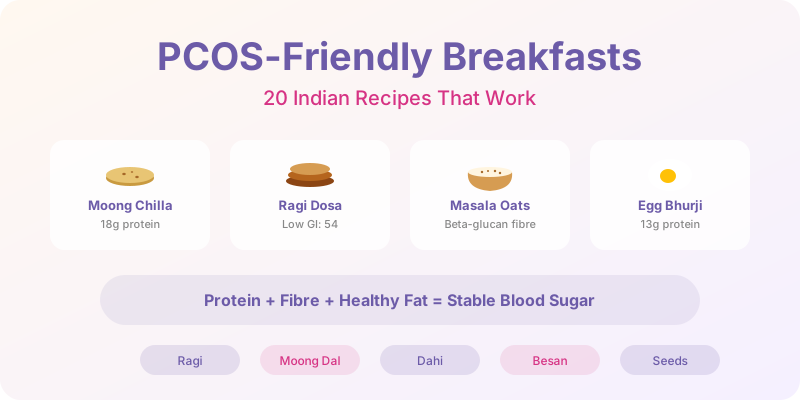
The best PCOS breakfasts are high-protein (15-20g), low-GI Indian meals that keep insulin stable. Top picks: moong dal chilla (~18g protein, GI 28), ragi dosa with sambar (GI 54, 3x more calcium than rice), besan chilla (~22g protein per 100g flour, GI 10), or egg bhurji with multigrain roti (13g protein from eggs alone). The formula is protein + fibre + healthy fat at every breakfast. Avoid cornflakes (GI 82), white bread toast (GI 75), and fruit juice (sugar without fibre), as they spike blood sugar and worsen insulin resistance, which drives PCOS in 70-80% of women.
The breakfasts below are the ones our nutritionists at Fertilia actually recommend, built around ingredients in every Indian kitchen: ragi, moong dal, dahi, besan, curry leaves. Pick what suits your morning, or scroll to the comparison table and a ready-made 7-day plan.
Jump to a breakfast:
Quick weekday (10-15 min): Moong Dal Chilla · Ragi Dosa · Besan Chilla · Masala Oats · Egg Bhurji · Sprouted Moong · Dahi + Nuts & Seeds
Weekend (20-30 min): Ragi Idli · Methi Thepla · Paneer Paratha · Pesarattu · Oats Uttapam · Vegetable Daliya · Sattu Paratha
Smoothies & bowls (5-10 min): Ragi Porridge · Banana Dahi Smoothie · Sattu Drink
Prep-ahead (night before): Overnight Oats + Chia · Sprouts Peanut Chaat · Ragi Coconut Ladoo
Or skip to: comparison table · 7-day plan · what makes a breakfast PCOS-friendly
For more on this, read our guide on PCOS Weight Loss Diet.
20 PCOS-Friendly Indian Breakfast Ideas
Quick Weekday Options (10-15 minutes)
1. Moong Dal Chilla Soak yellow moong dal for 2 hours (or overnight), grind into a batter with ginger, green chilli, and cumin. Pour thin like a dosa on a hot tawa. Fill with paneer and spinach. Why it works: ~18g protein per serving, high fibre, no refined flour
2. Ragi Dosa Mix ragi flour with rice flour (2:1 ratio), salt, and water. Ferment overnight or use immediately for instant dosas. Serve with coconut chutney and sambar. Why it works: Ragi has 3× more calcium than rice and a low glycaemic index of 54 (vs 73 for white rice)
3. Besan Chilla with Vegetables Whisk besan (chickpea flour) with water, turmeric, chopped onions, tomatoes, and coriander. Cook like a pancake on a non-stick tawa. Why it works: Besan provides ~22g protein per 100g and has a GI of just 10 (one of the lowest of any flour)
4. Masala Oats Dry roast rolled oats for 2 minutes. Sauté mustard seeds, curry leaves, onions, tomatoes, and peas. Add oats with water and cook for 5 minutes. Season with turmeric and pepper. Why it works: Beta-glucan fibre in oats improves insulin sensitivity (Bao et al., 2014)
5. Egg Bhurji with Multigrain Roti Scramble 2 eggs with onions, tomatoes, green chillies, and turmeric. Serve with one small multigrain roti. Why it works: Eggs provide complete protein (13g for 2 eggs) plus choline, which supports liver health
6. Sprouted Moong Salad Toss sprouted green moong with chopped cucumber, tomato, onion, lemon juice, chaat masala, and a handful of roasted peanuts. Why it works: Sprouting increases protein bioavailability by 30% and reduces anti-nutrients
7. Dahi with Nuts and Seeds Mix 1 cup thick dahi (curd) with a tablespoon each of flaxseeds, pumpkin seeds, and chopped almonds. Add a drizzle of honey if needed. Why it works: Probiotics in dahi support gut health, which influences oestrogen metabolism. Flaxseeds contain lignans that help reduce androgen levels (Brooks et al., 2004)
💜 Not sure what to eat with PCOS? Our nutritionists create personalised meal plans based on your specific PCOS drivers, not generic diet charts. Chat with us on WhatsApp to learn more.
Filling Weekend Breakfasts (20-30 minutes)
8. Ragi Idli with Sambar Use ragi flour (50%) mixed with idli batter (50%). Steam as usual. The ragi gives a slightly nutty flavour and darker colour. Why it works: Higher protein and fibre than regular idli, with sambar adding dal-based protein
9. Methi Thepla Knead whole wheat flour with fresh methi (fenugreek) leaves, dahi, turmeric, and ajwain. Roll thin and cook on tawa with minimal oil. Why it works: Fenugreek has been shown to improve insulin sensitivity and reduce fasting blood sugar in women with PCOS (Bashtian et al., 2013)
10. Paneer Paratha (Whole Wheat) Stuff whole wheat parathas with crumbled paneer, grated ginger, green chillies, and coriander. Cook with a thin smear of ghee. Why it works: 100g paneer provides 18g protein. Whole wheat crust adds fibre. Ghee provides healthy saturated fat that aids vitamin absorption
11. Pesarattu (Moong Dal Dosa) A classic Andhra breakfast. Soak whole green moong dal, grind with ginger and green chilli, and make crispy dosas. Serve with ginger chutney. Why it works: Pure moong dal = high protein, high fibre, no rice needed
12. Oats Uttapam Blend rolled oats into a coarse powder. Mix with dahi, water, salt, and let it rest for 10 minutes. Pour thick on tawa and top with onions, tomatoes, and coriander. Cook like uttapam. Why it works: Combines the beta-glucan of oats with the probiotics of dahi
13. Vegetable Daliya (Broken Wheat Upma) Dry roast daliya (broken wheat). Sauté vegetables (beans, carrots, peas) with mustard seeds and curry leaves. Add daliya with water and pressure cook for 2 whistles. Why it works: Daliya has a GI of 41 (much lower than rice or white bread)
14. Sattu Paratha Mix sattu (roasted gram flour) with onion, green chilli, lemon juice, and coriander. Stuff into whole wheat parathas. Why it works: Sattu is a protein powerhouse (~20g per 100g) with a very low glycaemic index, widely used in Bihar and eastern India
Smoothies and Bowls (5-10 minutes)
15. Ragi Porridge Cook ragi flour in water until thick, then add warm milk, crushed cardamom, and a teaspoon of jaggery. Top with sliced almonds. Why it works: Ragi is rich in calcium (344mg per 100g) and has amino acids that are often deficient in rice-based diets
16. Banana Dahi Smoothie with Flaxseeds Blend 1 banana, 1 cup dahi, 1 tablespoon ground flaxseeds, a pinch of cinnamon, and a few ice cubes. Why it works: Cinnamon has been shown to improve insulin sensitivity in PCOS (Wang et al., 2007). Flaxseeds add omega-3 and lignans
17. Sattu Drink Mix 2 tablespoons sattu with cold water, lemon juice, roasted cumin powder, black salt, and a pinch of black pepper. Stir well. Why it works: High-protein, cooling, low-GI, perfect for hot Indian mornings
Prep-Ahead Options (Make the night before)
18. Overnight Oats with Chia Seeds Mix rolled oats, chia seeds, milk (or almond milk), and dahi in a jar. Refrigerate overnight. Top with walnuts, pomegranate, and a drizzle of honey in the morning. Why it works: Chia seeds absorb 12× their weight in water, keeping you full for hours. The overnight soaking reduces phytic acid
19. Sprouts and Peanut Chaat Soak and sprout a mix of moong, chana, and matki overnight. In the morning, toss with chopped onion, tomato, cucumber, roasted peanuts, lemon juice, and chaat masala. Why it works: Mixed sprouts provide 15-20g protein per cup with diverse amino acid profiles
20. Ragi and Coconut Ladoo (3-4 pieces) Dry roast ragi flour with grated coconut, crushed nuts, and a little jaggery. Roll into small ladoos and store in an airtight container for the week. Why it works: A grab-and-go option with the nutrition of ragi, healthy fats from coconut, and natural sweetness from jaggery
PCOS Breakfast Quick-Reference: All 20 Options Compared
| # | Breakfast | Protein | GI | Prep Time | Best For |
|---|---|---|---|---|---|
| 1 | Moong Dal Chilla | ~18g | 28 | 15 min | Weekday, high protein |
| 2 | Ragi Dosa + sambar | ~12g | 54 | 15 min | Calcium, everyday |
| 3 | Besan Chilla | ~16g | 10 | 10 min | Fastest high-protein |
| 4 | Masala Oats | ~8g | 55 | 10 min | Insulin sensitivity |
| 5 | Egg Bhurji + roti | ~18g | 45 | 10 min | Complete protein |
| 6 | Sprouted Moong Salad | ~14g | 25 | 5 min | No-cook, summer |
| 7 | Dahi + Nuts & Seeds | ~12g | 14 | 5 min | Gut health, quick |
| 8 | Ragi Idli + sambar | ~10g | 50 | 30 min | Weekend, calcium |
| 9 | Methi Thepla | ~10g | 42 | 20 min | Insulin sensitivity |
| 10 | Paneer Paratha | ~18g | 48 | 25 min | Weekend, filling |
| 11 | Pesarattu | ~16g | 28 | 20 min | South Indian, high protein |
| 12 | Oats Uttapam | ~10g | 50 | 15 min | Probiotics + fibre |
| 13 | Vegetable Daliya | ~8g | 41 | 20 min | Low GI, filling |
| 14 | Sattu Paratha | ~15g | 35 | 20 min | East Indian, protein-dense |
| 15 | Ragi Porridge | ~8g | 54 | 10 min | Winter, calcium |
| 16 | Banana Dahi Smoothie | ~10g | 35 | 5 min | Quick, summer |
| 17 | Sattu Drink | ~10g | 25 | 5 min | Fastest, cooling |
| 18 | Overnight Oats + Chia | ~12g | 40 | 5 min (prep night before) | No morning effort |
| 19 | Sprouts Peanut Chaat | ~16g | 25 | 5 min (prep night before) | High protein, no cook |
| 20 | Ragi Coconut Ladoo | ~6g | 50 | 15 min (batch) | Grab-and-go |
GI = Glycaemic Index (lower is better for PCOS). Protein is approximate per serving. All recipes use everyday Indian ingredients.
A Sample PCOS Breakfast Week
| Day | Breakfast | Protein Source |
|---|---|---|
| Monday | Moong Dal Chilla + mint chutney | Moong dal |
| Tuesday | Masala Oats + boiled egg | Oats + egg |
| Wednesday | Ragi Dosa + sambar | Ragi + dal |
| Thursday | Dahi bowl with seeds and nuts | Dahi + seeds |
| Friday | Methi Thepla + dahi | Wheat + dahi |
| Saturday | Pesarattu + ginger chutney | Moong dal |
| Sunday | Paneer Paratha + raita | Paneer + dahi |
This gives you variety, keeps your taste buds happy, and ensures you’re getting 15-20g of protein every morning, all with ingredients you probably already have in your kitchen.
What Makes a Breakfast PCOS-Friendly?
Here’s the simple formula our nutritionists use at Fertilia:
Protein + Fibre + Healthy Fat = Stable Blood Sugar
Every breakfast should have:
- Protein (15-20g minimum): Keeps you full, slows glucose absorption, reduces cravings
- Fibre (5g+): Slows digestion, feeds gut bacteria, improves insulin sensitivity
- Healthy fat: Supports hormone production, increases satiety
When you combine all three, your blood sugar rises gently instead of spiking, and that gentle rise means your pancreas doesn’t need to flood your system with insulin. Over time, this helps reverse the insulin resistance that’s driving most PCOS symptoms.
A 2019 study in the Journal of Clinical Endocrinology & Metabolism found that women with PCOS who ate a protein-rich breakfast had significantly better insulin sensitivity and lower testosterone levels over 12 weeks compared to those who skipped breakfast or ate carb-heavy meals (Jakubowicz et al., 2013).
Most “quick” Indian breakfasts, white bread toast, cornflakes with milk, instant noodles, or even plain idli with chutney, are high in refined carbohydrates and low in protein. They spike your blood sugar fast, which triggers a bigger insulin response. And since insulin resistance drives PCOS in 70-80% of cases (Dunaif, 1997), that morning spike can set off a chain reaction of cravings, fatigue, and hormonal disruption throughout the day. The good news is Indian cooking already has some of the best PCOS-friendly ingredients in the world: ragi, moong dal, besan, dahi, curry leaves, methi seeds, turmeric. Not trendy superfoods, just what your grandmother cooked with. And the science backs them up.
The Breakfast Mistakes to Avoid with PCOS
Even well-intentioned breakfasts can go wrong. Here are the common patterns our nutritionists see:
Skipping breakfast entirely. Research shows that women with PCOS who skip breakfast have higher insulin levels throughout the day, even if they eat the same total calories (Jakubowicz et al., 2013). Your body needs that morning signal.
Eating only carbs. Plain idli, dosa with just chutney, or cornflakes with milk. These are essentially refined carbohydrate meals with very little protein or fat. They cause a sharp blood sugar spike followed by a crash, which triggers cravings by 11 AM.
Relying on fruit juices. A glass of orange juice has the same sugar as 3-4 oranges but none of the fibre. Eat whole fruits instead, and pair them with protein (like dahi or nuts).
Going too low-calorie. Extreme restriction backfires with PCOS. Your body perceives it as stress, which raises cortisol, which worsens insulin resistance. Eat enough, just eat smart.
Frequently Asked Questions
Is oats good for PCOS?
Yes. rolled oats (not instant) are excellent for PCOS. They’re rich in beta-glucan fibre, which improves insulin sensitivity. A 2014 study found that oat beta-glucan significantly reduced post-meal blood sugar spikes (Bao et al., 2014). Just cook them as masala oats or upma, not as sweetened instant oatmeal packets.
Can I eat idli and dosa if I have PCOS?
Plain white rice idli and dosa aren’t ideal because of their high glycaemic index. But you can modify them: use ragi flour (50%), add more urad dal to increase protein, and always pair with protein-rich sambar (not just chutney). Pesarattu (moong dal dosa) is a better alternative.
Should I avoid rice completely with PCOS?
No. You don’t need to eliminate rice. But white rice at breakfast isn’t ideal because it spikes blood sugar when your cortisol (and insulin resistance) is already highest in the morning. Save rice for lunch, pair it with dal, vegetables, and dahi, and choose hand-pounded or brown rice when possible.
How much protein should a PCOS breakfast have?
Aim for at least 15-20g of protein at breakfast. This could be 2 eggs (13g), 1 cup moong dal chilla (18g), or 1 cup dahi with seeds (12-15g). The protein slows glucose absorption and keeps you full until lunch.
Is intermittent fasting good for PCOS?
The evidence is mixed. Some studies show benefits for insulin resistance, but others show that skipping breakfast specifically can worsen PCOS markers. If you want to try time-restricted eating, it may be better to skip dinner rather than breakfast, but consult your doctor first. At Fertilia, we generally recommend eating breakfast within an hour of waking up.
For more on this, read our guide on PCOS/PCOD Diet Chart.
I’m vegetarian with PCOS. How do I get enough protein at breakfast without eggs?
Indian vegetarian kitchens have excellent high-protein breakfast options. Moong dal chilla gives you ~18g protein per serving. Besan (chickpea flour) chilla provides ~16g. Paneer paratha delivers ~18g. Sattu paratha has ~15g. Even dahi with seeds and nuts reaches 12-15g. The key is to always include a dal-based, paneer-based, or seed-based protein source. Plain idli or dosa alone won’t cut it, but pesarattu (moong dal dosa) or ragi idli with sambar will.
Which is the single best PCOS breakfast if I only have 5 minutes?
Besan chilla with vegetables. It takes under 10 minutes, provides ~16g protein, has the lowest GI of any flour (just 10), and needs only besan, water, turmeric, and whatever vegetables you have. Whisk, pour, cook. If even that feels like too much, keep overnight oats with chia seeds ready in the fridge, it’s literally zero morning effort.
Can I eat dosa and idli every day with PCOS?
Plain white rice dosa and idli every day isn’t ideal because of their high GI (around 70-75). But you can make them PCOS-friendly: use ragi flour for 50% of the batter (drops GI to ~54), add extra urad dal for protein, and always serve with protein-rich sambar rather than just coconut chutney. Better yet, switch to pesarattu (moong dal dosa, GI ~28) 3-4 times a week.
💜 Want a personalised PCOS meal plan, not just breakfast? Dr. Suganya’s team creates complete nutrition plans based on your body, your PCOS drivers, and your food preferences. Message us on WhatsApp, we’ll take it from there.
Related Reading
- PCOS: Symptoms, Root Causes & Treatment
- PCOS Weight Loss: Why It’s Hard & What Works
- PCOS Belly: Why It Happens & How to Reduce It
- Seed Cycling for PCOS: Does It Actually Work?
- How to Get Pregnant Fast: Evidence-Based Guide, nutrition and lifestyle steps for natural conception with PCOS
References
- Dunaif A (1997). Insulin resistance and the polycystic ovary syndrome: mechanism and implications for pathogenesis. Endocrine Reviews. 18(6):774-800.
- Jakubowicz D et al. (2013). Effects of caloric intake timing on insulin resistance and hyperandrogenism in lean women with PCOS. Clin Sci. 125(9):423-432.
- Bao L et al. (2014). Oat beta-glucan lowers blood cholesterol and glucose. British Journal of Nutrition. 112(9):1507-1519.
- Brooks JD et al. (2004). Supplementation with flaxseed alters estrogen metabolism. Cancer Epidemiol Biomarkers Prev. 13(8):1438-45.
- Bashtian MH et al. (2013). Effects of fenugreek seed supplementation on insulin resistance in women with PCOS. Iranian J Pharm Res. 12(2):407-412.
- Wang JG et al. (2007). The effect of cinnamon extract on insulin resistance parameters in PCOS. Fertil Steril. 88(1):240-243.