You’re eating the same as your friend. You’re exercising the same amount. But your stomach looks completely different, rounder, harder, and stubbornly resistant to everything you try.
If you have PCOS, this isn’t random. It’s not bloating from last night’s dinner. And it’s definitely not because you “aren’t trying hard enough.”
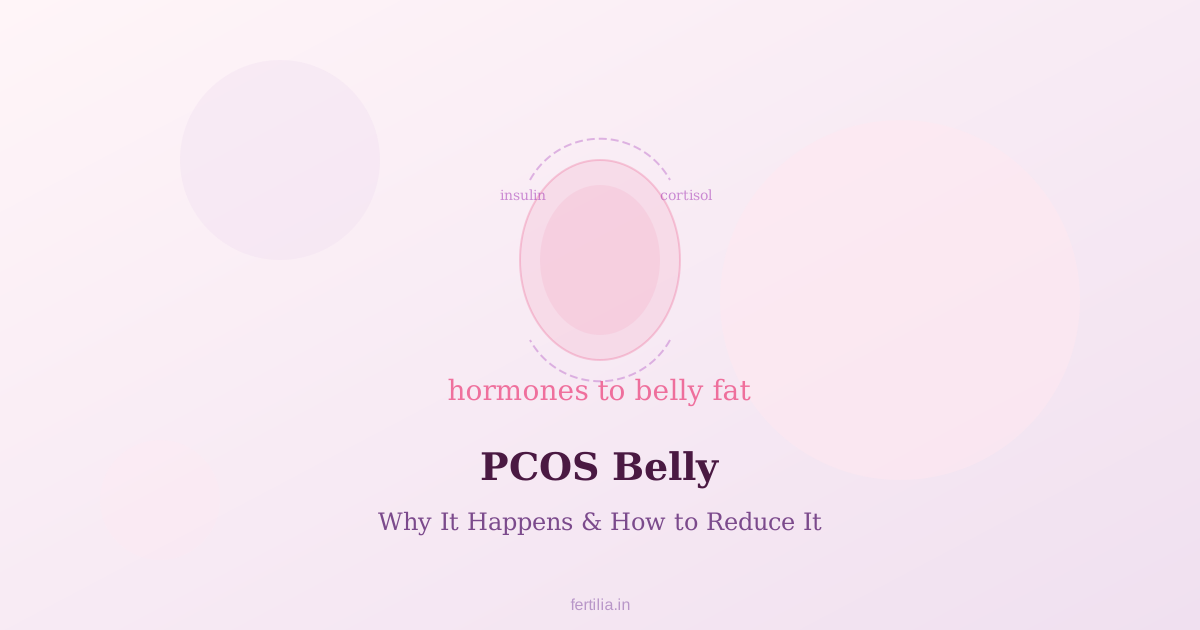
PCOS belly is a specific pattern of fat storage driven by your hormones: primarily insulin and cortisol. It’s one of the most frustrating symptoms my patients deal with, because it feels so unfair. And it is unfair. But once you understand why it happens, you can actually do something about it.
What Exactly Is “PCOS Belly”?
PCOS belly refers to the central pattern of fat accumulation that’s common in women with PCOS. Instead of fat distributing evenly across your body (or settling on hips and thighs, which is the typical female pattern), it concentrates around your abdomen.
This isn’t just subcutaneous fat (the soft fat you can pinch under your skin). A significant portion is visceral fat: deep belly fat that wraps around your internal organs like the liver, pancreas, and intestines.
Why does this distinction matter?
Visceral fat is metabolically active. It doesn’t just sit there, it produces inflammatory chemicals (cytokines), disrupts hormone signaling, and worsens insulin resistance. This creates a vicious cycle: PCOS drives belly fat → belly fat worsens PCOS → more belly fat accumulates.
Research shows that women with PCOS have significantly higher visceral fat compared to weight-matched women without PCOS, even when their overall BMI is similar (Dumesic et al., 2016). That’s why two women at the same weight can look completely different, the PCOS belly pattern is hormonal, not caloric.
Why Does PCOS Cause Belly Fat? The 3 Drivers
1. Insulin Resistance. The Primary Driver
70-80% of women with PCOS have some degree of insulin resistance (Dunaif, 1997). Here’s how it leads to belly fat:
When you eat, your blood sugar rises. Your pancreas releases insulin to move that sugar into cells for energy. But when cells are insulin resistant, they don’t respond efficiently. So your pancreas pumps out more and more insulin to compensate.
High insulin levels do two critical things:
- They promote fat storage, especially in the abdomen. Insulin is your body’s fat-storage hormone, and abdominal fat cells have more insulin receptors than fat cells elsewhere. So excess insulin preferentially directs fat to your belly.
- They block fat breakdown. Even when you’re exercising or in a calorie deficit, high insulin levels make it biochemically harder for your body to access stored belly fat for energy.
This is why women with PCOS often feel like their belly fat is “locked.” It’s not a metaphor, insulin is literally locking it in place.
2. Cortisol and Chronic Stress
PCOS and chronic stress often travel together. The emotional toll of symptoms (irregular periods, fertility concerns, acne, hair growth) creates ongoing psychological stress. Many women with PCOS also have disrupted sleep, which further elevates cortisol.
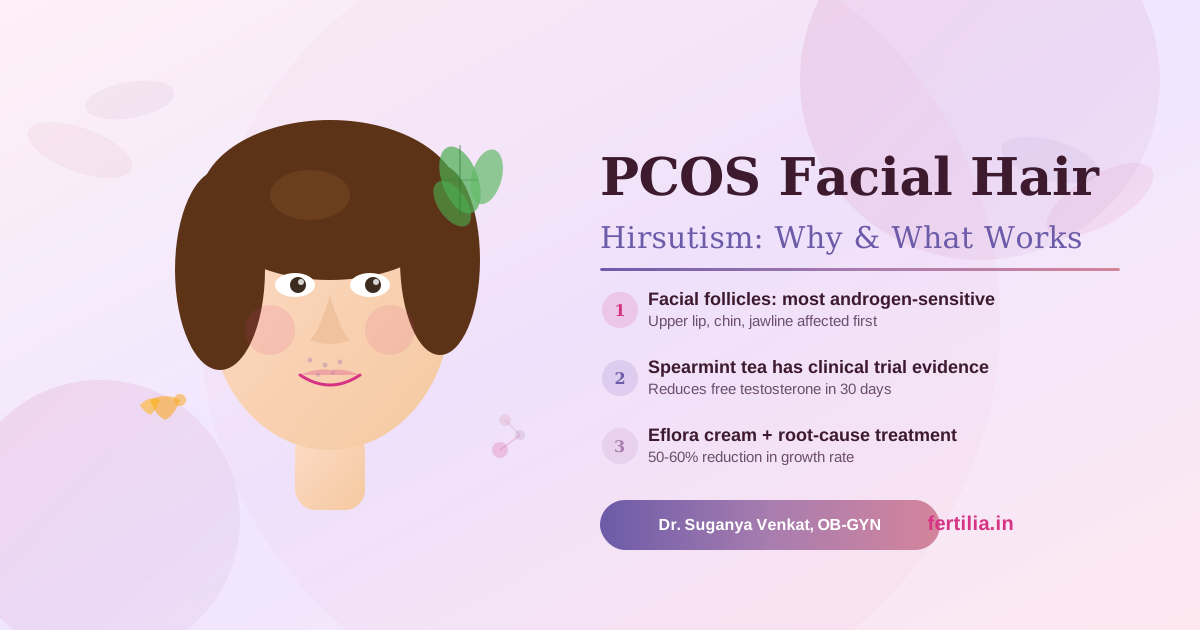
For more on this, read our guide on PCOS Facial Hair. Cortisol specifically promotes abdominal fat storage. A study in Psychosomatic Medicine showed that women with higher cortisol levels had significantly more visceral fat, regardless of their overall body weight (Epel et al., 2000).
The cortisol-insulin connection makes this worse: cortisol raises blood sugar → insulin rises in response → more abdominal fat storage. It’s a double hit.
3. Androgens and Fat Distribution
Elevated androgens (testosterone, DHEA-S) (a hallmark of PCOS) shift your fat distribution pattern from the typical female (pear-shaped, hip-thigh) to a more central pattern (apple-shaped, abdominal).
Research by Escobar-Morreale (2018) confirms that hyperandrogenism in PCOS is associated with increased abdominal adiposity, independent of BMI. The androgens themselves alter where your body deposits fat.
This means even lean women with PCOS can have disproportionate belly fat, a pattern sometimes called “lean PCOS with central adiposity.”
PCOS Belly vs. Bloating. How to Tell the Difference
Many women confuse PCOS belly fat with bloating. They’re different:
| Feature | PCOS Belly Fat | Bloating |
|---|---|---|
| Consistency | Always present, firm | Comes and goes |
| Timing | Constant | Worse after meals, during periods |
| Feel | Hard, doesn’t change by evening | Soft, distended, fluctuates |
| Location | Deep, around organs | Surface-level, stomach area |
| Response | Doesn’t improve with digestive fixes | Improves with dietary changes |
Important: You can have BOTH. Many women with PCOS also experience bloating from gut dysbiosis, food sensitivities, or hormonal fluctuations. The belly fat is the persistent baseline; the bloating adds fluctuation on top.
How to Actually Reduce PCOS Belly
Here’s what the evidence says works, and it’s not “do 100 crunches daily.” Abdominal exercises strengthen muscles but don’t target belly fat. What reduces PCOS belly is addressing the hormonal drivers underneath.
1. Fix Insulin Resistance Through Nutrition
This is the single most impactful change you can make.
What works:
-
Prioritise protein at every meal. Protein stabilises blood sugar and keeps insulin levels lower. Aim for 25-30g per meal. Indian sources: paneer (25g per cup), eggs (6g each), dahi (10g per cup), dal (9g per cup cooked), chicken (31g per 100g).
-
Pair carbs with protein or fat, never eat carbs alone. Rice with sambar and a boiled egg hits differently than rice alone. The protein and fat slow glucose absorption, preventing insulin spikes.
-
Choose complex carbs over refined ones. Ragi roti instead of maida roti. Brown rice or hand-pounded rice instead of polished white rice. Whole wheat over refined. The fibre slows digestion and glucose release.
-
Front-load fibre. Starting your meal with vegetables or salad before carbs reduces the glucose spike by up to 30% (studies from Weill Cornell Medicine, 2015). Have your sabzi first, then rice.
-
Include anti-inflammatory foods daily. Turmeric (haldi) with black pepper, ginger, cinnamon. These have evidence for improving insulin sensitivity. Add haldi to your dahi rice or morning milk.
-
Limit added sugar and processed foods. This isn’t about restriction. It’s about reducing the biggest insulin triggers. Packaged juices, biscuits, white bread, and sugary chai are the primary culprits.
What a day might look like:
| Meal | Example |
|---|---|
| Breakfast | 2 ragi dosa + coconut chutney + 2 boiled eggs |
| Mid-morning | Handful of soaked almonds + a fruit |
| Lunch | Brown rice + sambar + poriyal + buttermilk + fish/chicken curry |
| Snack | Roasted chana + cucumber |
| Dinner | 2 chapati + palak paneer + raita |
2. Exercise. But the Right Kind
Not all exercise reduces PCOS belly equally.
Strength training is #1. Resistance exercises (bodyweight squats, lunges, planks, dumbbell exercises) build muscle mass. More muscle = higher resting metabolic rate = better insulin sensitivity. A study in Fertility and Sterility found that resistance training reduced visceral fat in PCOS women more effectively than cardio alone (Kogure et al., 2016).
Walking is underrated. A 30-minute walk after meals reduces post-meal glucose spikes by up to 30%. This directly lowers insulin. You don’t need a gym, a walk around your neighbourhood after dinner is powerful medicine.
💡 Need personalised guidance for managing PCOS belly?
Dr. Suganya’s 90-day PCOS program includes customised diet plans, exercise guidance, and hormonal support, designed specifically for Indian women.
👉 Chat with us on WhatsApp to learn more
HIIT (High-Intensity Interval Training), in moderation. Short bursts of intense activity (like 30 seconds of fast cycling followed by 90 seconds of rest) improve insulin sensitivity effectively. But don’t overdo it, excessive HIIT raises cortisol, which can worsen belly fat. 2-3 sessions per week is optimal.
Yoga helps the stress component. While yoga alone won’t melt belly fat, it reduces cortisol significantly. A study in the Journal of Alternative and Complementary Medicine found that regular yoga practice reduced cortisol levels and waist circumference in women with PCOS (Nidhi et al., 2012).
Ideal weekly plan:
- 3 days: Strength training (30-40 mins)
- Daily: Post-meal walks (15-30 mins)
- 2 days: HIIT or brisk cardio (20-30 mins)
- 1-2 days: Yoga or stretching
3. Manage Stress and Sleep
This isn’t a “nice to have”. It’s essential for reducing cortisol-driven belly fat.
Sleep: Aim for 7-8 hours. Poor sleep raises cortisol AND increases insulin resistance the next day. One study showed that just 2 nights of restricted sleep increased insulin resistance by 25% in healthy women (Donga et al., 2010). Set a consistent bedtime. Avoid screens 30 minutes before sleep. Keep your room cool and dark.
Stress management: Find what works for you and do it consistently. Options:
- Deep breathing (5 minutes of box breathing lowers cortisol measurably)
- Meditation (even 10 minutes daily shows benefits after 8 weeks)
- Journaling
- Spending time in nature
- Reducing screen time, especially social media comparison
4. Medical Support When Needed
For some women, lifestyle changes alone aren’t enough, and that’s completely okay. Medical options that help with PCOS belly include:
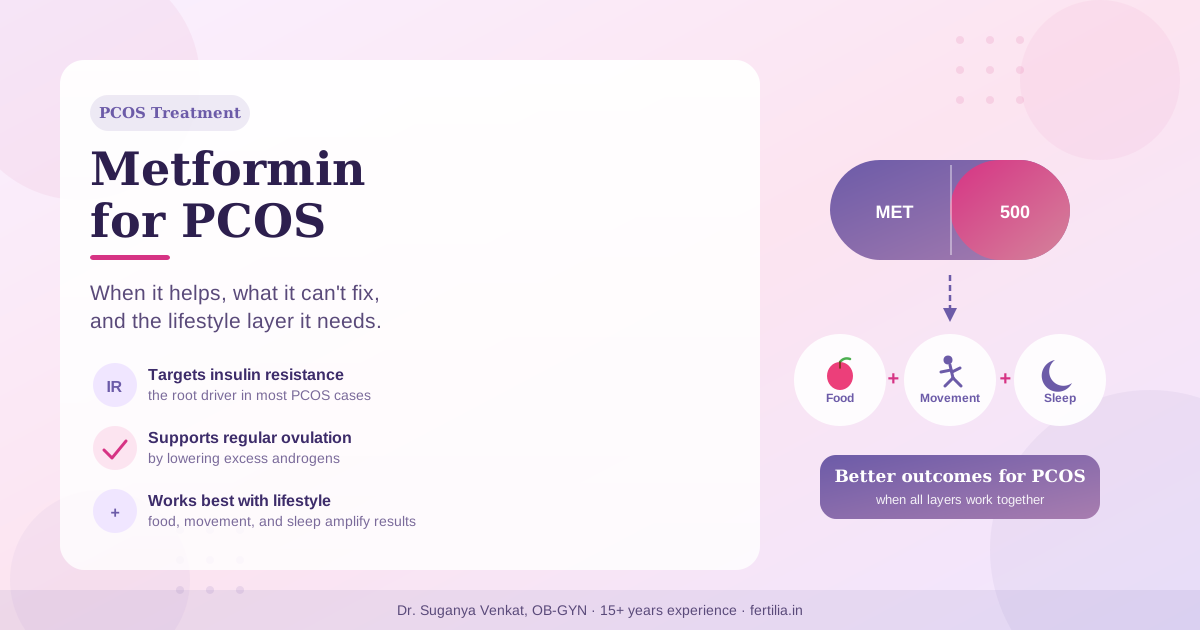
- Metformin: Improves insulin sensitivity directly, which can reduce abdominal fat accumulation. Prescribed when insulin resistance is significant.
- Inositol (Myo-inositol + D-chiro-inositol): An insulin-sensitising supplement with good evidence in PCOS. Often used as an alternative or complement to metformin.
- Anti-androgen therapy: If elevated androgens are a major driver, addressing them can shift fat distribution over time.
These should always be discussed with your doctor, not self-prescribed based on internet advice.
How Much Weight Loss Actually Makes a Difference?
Here’s the encouraging part: you don’t need to lose 20 kg to see improvement.
Research consistently shows that even a 5-7% reduction in body weight (that’s 3.5-5 kg for a 70 kg woman) can:
- Reduce visceral fat by up to 30%
- Improve insulin sensitivity significantly
- Restore ovulation in many women
- Reduce androgen levels
- Improve cycle regularity
(Moran et al., 2011, Human Reproduction Update)
The goal isn’t a number on the scale. It’s metabolic improvement, and that starts happening well before you reach any “ideal weight.”
What NOT to Do
❌ Crash diets or extreme calorie restriction. These tank your metabolism, raise cortisol, and lead to muscle loss, all of which worsen PCOS belly long-term. Your body fights back by storing even more abdominal fat when you start eating normally again.
❌ Spot reduction exercises. Hundreds of crunches won’t reduce belly fat. You can’t target where your body burns fat from. Core exercises build muscle underneath, but the fat layer on top responds to systemic changes (insulin, cortisol, nutrition).
❌ “Detox” teas and supplements. There is zero evidence that any tea, juice, or supplement “detoxes” belly fat. Most are laxatives that cause temporary water weight loss and bloating relief. They don’t touch visceral fat. (What about seed cycling for PCOS? Flaxseeds have real data for hormones, but it won’t specifically target belly fat.)
❌ Comparing your timeline to others. PCOS belly responds to treatment, but it takes time. Visceral fat is the first fat your body loses with the right approach, but visible changes in subcutaneous belly fat take 8-12 weeks. Be patient with the process.
Real Results Take a Holistic Approach
One of our patients shared: “Dealing with PCOS, losing weight felt almost impossible, but with the right guidance, I’ve gone from 58 kg to 54 kg.” Another lost 10 kg in 3 months with a combination of diet adjustments, strength training, and proper sleep, and her periods normalised in the process.
The common thread in every success story? They didn’t just target the belly. They addressed insulin resistance, cortisol, nutrition, and movement together. The belly fat was the last thing to change, but it did change.
FAQ
Can you have PCOS belly even if you’re not overweight?
Yes. Lean PCOS with central adiposity is well-documented. Even women with a normal BMI can have elevated visceral fat due to insulin resistance and androgen excess. Waist circumference is a more useful measure than BMI for PCOS, a waist circumference above 80 cm for Indian women indicates increased metabolic risk. This metabolic pattern often resurfaces during menopause, when oestrogen decline shifts fat storage to the abdomen, our sister site Menolia explains why menopause weight gain happens and what helps.
How long does it take to reduce PCOS belly?
With consistent lifestyle changes, most women notice improvement in waist measurements within 8-12 weeks. Visceral fat (the internal fat) actually reduces faster than subcutaneous fat, so your blood markers may improve before you see visible changes. Patience is essential.
Does metformin help with PCOS belly specifically?
Metformin improves insulin sensitivity, which addresses the primary driver of abdominal fat in PCOS. Studies show it can reduce waist circumference and visceral fat, especially when combined with lifestyle changes. It’s not a standalone solution, but it’s a helpful tool for women with significant insulin resistance.
Is PCOS belly the same as cortisol belly?
They overlap but aren’t identical. PCOS belly is driven primarily by insulin resistance, with cortisol as a contributing factor. “Cortisol belly” is a broader term for stress-related abdominal fat. In PCOS, both mechanisms usually operate together, which is why stress management is so important alongside nutrition and exercise.
What foods should I avoid to reduce PCOS belly?
Focus on reducing refined carbohydrates (maida products, white bread, packaged biscuits), added sugar (sugary chai, juices, mithai), and ultra-processed foods. These cause the biggest insulin spikes. You don’t need to eliminate any food group entirely, focus on swapping: ragi for maida, jaggery for sugar, whole fruit for juice, homemade snacks for packaged ones.
Can supplements help reduce PCOS belly?
Myo-inositol and D-chiro-inositol (in a 40:1 ratio) have evidence for improving insulin sensitivity in PCOS, which can help with belly fat reduction. Omega-3 fatty acids reduce inflammation. Vitamin D supplementation is important if you’re deficient (most Indian women are). But supplements complement lifestyle changes. They don’t replace them.
Ready to tackle PCOS belly with a plan that actually works?
Dr. Suganya Venkat (OB-GYN, 15+ years experience) and her team of nutritionists create personalised 90-day programs that address insulin resistance, nutrition, exercise, and stress, the four drivers of PCOS belly.
👉 Start a conversation on WhatsApp, no pressure, just clarity.
Related reading: