You’ve been diagnosed with PCOS. Your doctor says your hormones are off. You’re told to lose weight, maybe given metformin or birth control pills.
For more on this, read our guide on Metformin for PCOS. But nobody explains why your body is behaving this way.
For most women with PCOS, the answer sits in one place: insulin resistance. It’s the engine driving your irregular periods, your stubborn belly fat, your acne, your unwanted hair growth, sometimes even your difficulty conceiving.
Understanding insulin resistance doesn’t just help you make sense of your symptoms. It changes what you do about them.
What This Post Covers
- What insulin resistance actually means (beyond “sugar problem”)
- Why it’s the single biggest driver of PCOS
- 8 signs your body might be insulin resistant
- How to test for it (the right tests, not just fasting glucose)
- Indian diet changes that actually improve insulin sensitivity
- Lifestyle shifts that work, exercise, sleep, stress
- When medication like metformin makes sense
- Frequently asked questions
What Is Insulin Resistance. Simply Explained
Insulin is a hormone made by your pancreas. Its main job is to help glucose (from the food you eat) get into your cells for energy.
When your cells start ignoring insulin’s signal, your pancreas responds by making more insulin. This is insulin resistance, your body needs increasingly higher levels of insulin to do the same job.
For a while, this works. Your blood sugar stays normal because insulin is working overtime. This is why many women with insulin resistance have normal fasting glucose: and their doctors tell them everything is fine.
But that excess insulin circulating in your blood isn’t harmless. It’s doing things it shouldn’t be doing, including telling your ovaries to produce more androgens.
How Insulin Resistance Drives PCOS
Here’s the mechanism that most women never learn about:
Step 1: Your cells become resistant to insulin → your pancreas produces more insulin
Step 2: High insulin acts directly on your ovaries, stimulating them to produce excess testosterone and other androgens (Dunaif, 1997, Endocrine Reviews)
Step 3: High insulin also reduces your liver’s production of SHBG (sex hormone-binding globulin), the protein that keeps testosterone in check. Less SHBG = more free testosterone available to cause symptoms
Step 4: Excess androgens cause the symptoms you experience, irregular periods, acne, unwanted hair growth, scalp hair thinning, and difficulty ovulating
Step 5: Without regular ovulation, your body doesn’t produce enough progesterone, which further disrupts your cycle
This is why Dr. Andrea Dunaif’s landmark 1997 research called insulin resistance “a central feature” of PCOS. And why addressing insulin resistance often improves all PCOS symptoms at once, not just one at a time.
How Common Is It?
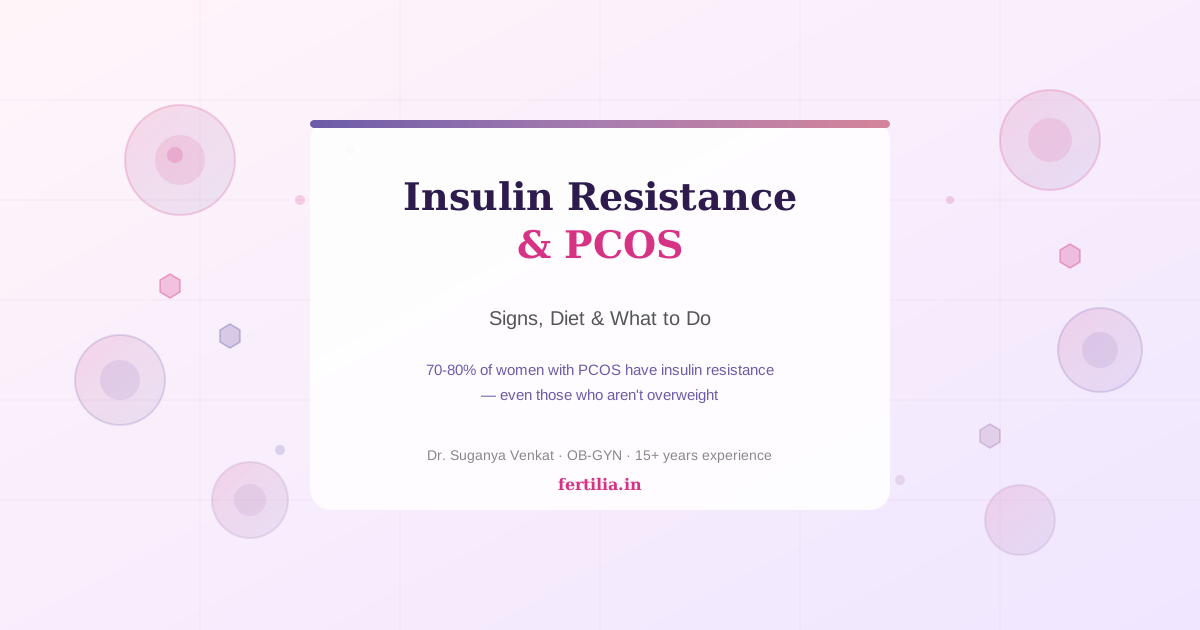
Research consistently shows that 70-80% of women with PCOS have some degree of insulin resistance (Stepto et al., 2013, Human Reproduction Update). This includes:
- Women who are overweight or obese, but also
- Lean women with PCOS: up to 30-40% of normal-weight women with PCOS are insulin resistant (Moghetti et al., 2020, Nutrients)
This is critical. If your doctor only checks for insulin resistance when you’re above a certain weight, they may miss it entirely.
Indian women are particularly vulnerable. South Asian populations have higher rates of insulin resistance at lower BMIs compared to Caucasian populations (Misra & Vikram, 2004, Nutrition). This is sometimes called the “thin-fat phenotype”, normal weight on the outside, metabolically at risk on the inside.
8 Signs of Insulin Resistance to Watch For
Not every sign shows up on a blood test. Your body often tells you first:
1. Dark, Velvety Patches on Your Skin (Acanthosis Nigricans)
Dark discolouration on the back of your neck, armpits, or inner thighs. This is one of the most reliable physical signs, high insulin stimulates skin cell growth and melanin production.
2. Belly-Centred Weight Gain
You gain weight mainly around your abdomen, not your hips or thighs. Visceral fat (around your organs) is both a cause and consequence of insulin resistance. If you notice your waist growing even when the scale hasn’t changed much, this is a red flag.
Read more: Why PCOS belly fat is different
3. Intense Sugar and Carb Cravings
When your cells can’t efficiently use glucose, your brain keeps sending “eat more” signals, especially for quick-energy foods like sweets, biscuits, and rice. The craving isn’t a willpower problem. It’s a metabolic signal.
4. Energy Crashes After Meals
Feeling exhausted or foggy 1-2 hours after eating (especially after a carb-heavy meal like white rice or dosa) is a classic sign. Your blood sugar spikes high, then crashes because of the exaggerated insulin response.
5. Difficulty Losing Weight Despite Effort
High insulin is a fat-storage hormone. When insulin is chronically elevated, your body is in storage mode, not burning mode. This is why calorie counting alone often doesn’t work for women with PCOS.
Related: Why PCOS weight loss is different
6. Skin Tags
Small, soft growths, usually on the neck, armpits, or under the breasts. Like acanthosis nigricans, these are driven by high insulin levels stimulating skin tissue growth.
7. Irregular or Missing Periods
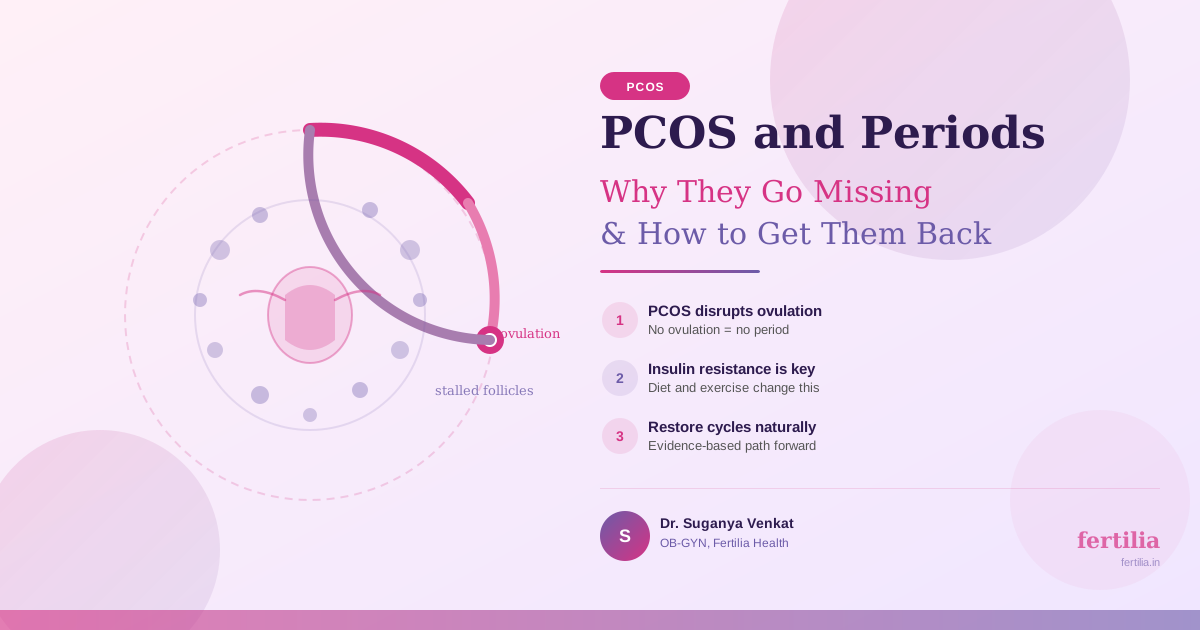
Insulin resistance disrupts ovulation. Without ovulation, your periods become irregular, infrequent, or stop altogether. If your cycles are consistently longer than 35 days, insulin resistance may be a contributing factor.
8. Thinning Hair on Your Scalp + Excess Hair on Your Face/Body
The androgen excess driven by insulin resistance causes this characteristic pattern, losing hair where you want it, growing it where you don’t.
Read more: PCOS hair growth explained
How to Test for Insulin Resistance
This is where many women get incomplete information. Here are the tests that matter:
Tests Your Doctor Should Order
| Test | What It Measures | What to Look For |
|---|---|---|
| Fasting insulin | Insulin level after 8-12 hour fast | Ideally below 10 μIU/mL. Above 15 suggests resistance |
| HOMA-IR | Calculated from fasting glucose + fasting insulin | Below 1.5 is normal. Above 2.0 suggests insulin resistance. Above 2.5 is significant |
| 2-hour glucose tolerance test (GTT) with insulin | How your body handles a glucose load | The insulin curve matters as much as glucose. High insulin with normal glucose = compensated insulin resistance |
| HbA1c | Average blood sugar over 3 months | Below 5.7% is normal, 5.7-6.4% is prediabetic |
The Problem with “Normal” Blood Sugar
Most routine health checks test only fasting glucose. But fasting glucose is the last thing to go abnormal. Insulin resistance can exist for 5-10 years before fasting glucose rises above the normal range (Tabák et al., 2009, The Lancet).
If you have PCOS, ask your doctor specifically for fasting insulin and HOMA-IR. These catch the problem early, when lifestyle changes are most effective.
For a real example of what’s possible even when insulin resistance is severe, read Gowri’s story: HbA1c 9.8% and acanthosis nigricans reversed in 3 months, then conceived on her next cycle.
Need help understanding your reports? Dr. Suganya reviews your complete hormonal and metabolic profile in the first consultation. Start a conversation on WhatsApp →
Indian Diet Changes That Improve Insulin Sensitivity
You don’t need to follow a Western “low-carb” diet. Indian food has excellent options, the key is which carbs, how much, and what you eat them with.
Principle 1: Reduce Refined Carbs, Don’t Eliminate Carbs
Your body needs carbohydrates. But the type matters enormously:
Swap these:
| Instead of | Choose |
|---|---|
| White rice (3 cups) | Half a cup of brown rice or hand-pounded rice + more sambar/dal |
| Maida-based rotis | Ragi roti, jowar roti, or multigrain atta |
| White bread toast | Ragi dosa or besan chilla |
| Biscuits with chai | A handful of roasted makhana or peanuts |
| Fruit juice | Whole fruit (fibre slows sugar absorption) |
The goal isn’t zero rice. It’s smaller portions of better-quality grains surrounded by protein, fibre, and fat.
Principle 2: Protein First
Start every meal with protein before you eat carbs. This simple change reduces the glucose spike by up to 40% (Shukla et al., 2015, Diabetes Care).
Practical examples:
- Eat a few bites of dal or curd before starting on rice
- Have an egg or sprouts before your dosa
- Eat the paneer/chicken first, chapati second
Principle 3: Add These Insulin-Sensitising Foods
Several Indian foods have genuine evidence for improving insulin sensitivity:
- Methi (fenugreek): Soak 1 tsp methi seeds overnight, drink the water in the morning. Contains galactomannan fibre that slows carb absorption (Neelakantan et al., 2014, Nutrition Journal, a meta-analysis of 10 trials)
- Haldi (turmeric): Curcumin improves insulin sensitivity by reducing inflammation. Use generously in cooking, or take haldi with warm water and pepper (piperine increases absorption)
- Dahi (curd): Fermented foods improve gut bacteria that regulate insulin signalling. Have a bowl of dahi with lunch daily
- Karela (bitter gourd): Contains compounds that mimic insulin’s action. Cook it as a sabzi, or have karela juice (start small. It’s bitter)
- Dalchini (cinnamon): 1-2 grams daily improves fasting glucose and insulin sensitivity (Allen et al., 2013, Annals of Family Medicine)
Principle 4: Don’t Skip Meals
Skipping meals (especially breakfast) causes your blood sugar to crash and then spike at the next meal. This insulin roller coaster makes resistance worse over time.
If you struggle with morning appetite, start small, even a handful of nuts and a glass of buttermilk is better than nothing.
Related: 20 PCOS-friendly Indian breakfast ideas
A Sample Day of Eating
| Meal | What to Eat |
|---|---|
| Morning (6-7 AM) | Methi water + 5-6 soaked almonds |
| Breakfast (8-9 AM) | Ragi dosa with coconut chutney + 1 boiled egg |
| Mid-morning | Buttermilk or a small fruit (guava, apple) |
| Lunch | Brown rice (½ cup) + sambar + one green vegetable + curd |
| Snack (4 PM) | Roasted chana or makhana + green tea |
| Dinner (7-8 PM) | Jowar roti + palak dal + sabzi |
This isn’t a “diet plan”. It’s a template. Adjust based on your region, preferences, and what’s available. The principles matter more than the specifics.
Beyond Diet: Lifestyle Changes That Move the Needle
Exercise. The Most Powerful Insulin Sensitiser
A single session of moderate exercise improves insulin sensitivity for 24-48 hours (Bird & Hawley, 2017, Diabetes, Obesity and Metabolism). Regular exercise is arguably more powerful than any single dietary change.
What works best for insulin resistance:
- Resistance training (bodyweight exercises, weights, resistance bands), 3 times a week. Building muscle increases glucose uptake because muscle tissue is a major site of insulin action
- Walking after meals: even 10-15 minutes after lunch and dinner significantly blunts blood sugar spikes (Colberg et al., 2009, Diabetes Care)
- Any movement you’ll actually do consistently: dancing, swimming, cycling. Consistency beats intensity
Read the full guide: PCOS exercise, what actually helps
Sleep. The Overlooked Factor
Just one night of poor sleep (less than 6 hours) reduces insulin sensitivity by up to 25% (Donga et al., 2010, Journal of Clinical Endocrinology & Metabolism). Chronic poor sleep is an independent driver of insulin resistance, even if your diet and exercise are good.
Prioritise:
- 7-8 hours of sleep
- Consistent sleep and wake times (even on weekends)
- No screens 30 minutes before bed
- Cool, dark bedroom
Stress Management
Cortisol (the stress hormone) directly increases blood sugar and worsens insulin resistance. Chronic stress (from work, family, fertility struggles) can undo your dietary efforts.
What helps: daily walking, breathing exercises (even 5 minutes), talking to someone you trust, and realistic expectations of yourself.
When Medication Helps
Lifestyle changes are the foundation. But sometimes, medication is needed alongside, and that’s completely fine.
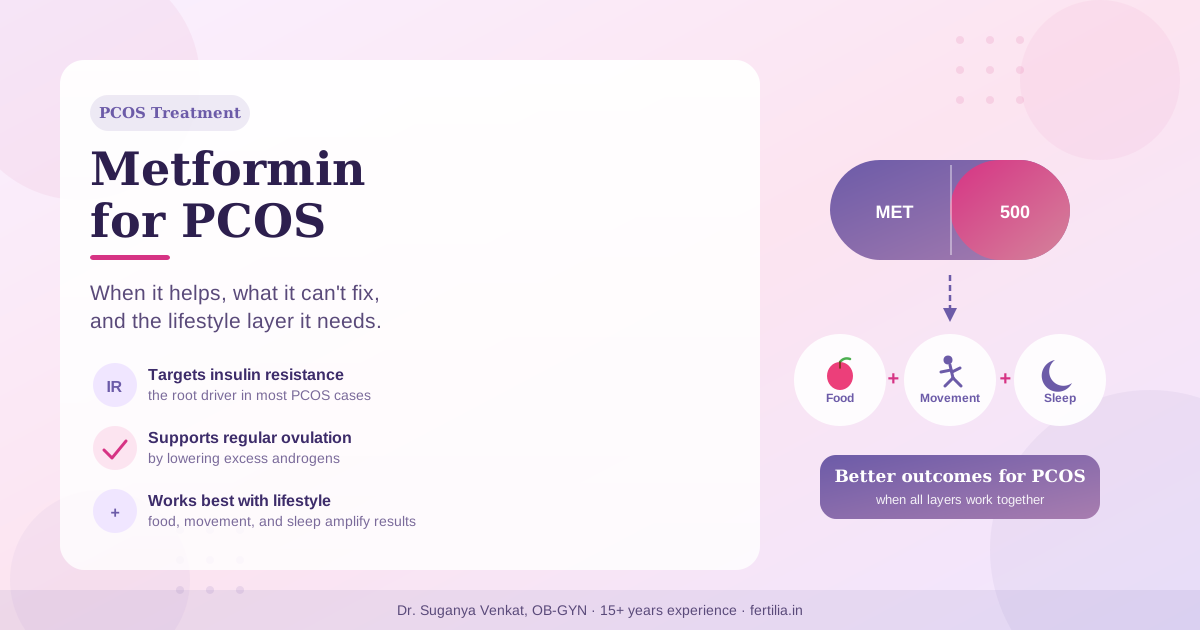
Metformin
Metformin is the most commonly prescribed medication for insulin resistance in PCOS. It works by:
- Reducing glucose production in the liver
- Improving how your cells respond to insulin
- Modestly lowering androgen levels
Metformin is not a shortcut: it works best when combined with diet and exercise changes. And it doesn’t work for everyone. Your doctor will decide based on your degree of insulin resistance, your symptoms, and your goals (especially if you’re trying to conceive).
Inositol (Myo-inositol + D-chiro-inositol)
A growing body of evidence supports the 40:1 ratio of myo-inositol to D-chiro-inositol for improving insulin sensitivity in PCOS (Unfer et al., 2017, Gynecological Endocrinology). It’s available over-the-counter in India. Discuss with your doctor before starting.
Important: Medication decisions are between you and your gynaecologist. What we focus on in Fertilia’s PCOS program is the lifestyle layer (diet, exercise, stress, sleep) that works alongside whatever your doctor prescribes.
The Connection to Fertility
If you’re trying to conceive, addressing insulin resistance is one of the most impactful things you can do.
High insulin disrupts ovulation. Many women with PCOS don’t ovulate regularly, or at all. When insulin sensitivity improves through lifestyle changes (and medication if needed), ovulation often resumes on its own.
This is why addressing the root cause matters more than symptom management. Birth control pills regulate your cycle, but they don’t fix insulin resistance. When you stop the pill, the underlying driver is still there.
This doesn’t mean birth control is wrong. It’s a valid tool for symptom management. But if conception is your goal, understanding and treating insulin resistance gives you the best foundation.
Related reading: How to track ovulation | Understanding your root causes
What Fertilia’s PCOS Program Addresses
Fertilia’s 90-day PCOS Reversal Program focuses on the lifestyle layer that improves insulin sensitivity, personalised to your specific PCOS drivers:
- Nutrition plan built around your food preferences, region, and metabolic profile, not a generic diet chart
- Exercise guidance designed for insulin resistance (resistance training + daily movement)
- Sleep and stress protocols that address the factors most women overlook
- Regular monitoring of your symptoms, cycle, and metabolic markers
The program works alongside your gynaecologist’s treatment. We add the lifestyle foundation that medications alone can’t build.
Ready to understand your PCOS better? Start with a ₹399 consultation with Dr. Suganya, she’ll review your reports, identify your primary PCOS driver, and explain what’s actually going on. Message on WhatsApp →
Frequently Asked Questions
Can I have insulin resistance even if I’m thin?
Yes. Research shows 30-40% of lean women with PCOS have insulin resistance. South Asian women in particular can have insulin resistance at normal BMIs due to differences in body composition (higher visceral fat relative to total body weight). Don’t let a normal weight dismiss the possibility, ask for a fasting insulin and HOMA-IR test.
Is insulin resistance the same as diabetes?
No. Insulin resistance is a precursor, your body is working harder to keep blood sugar normal. If left unaddressed for years, it can progress to prediabetes and Type 2 diabetes. But that progression isn’t inevitable. Lifestyle changes can reverse insulin resistance and prevent diabetes entirely (Diabetes Prevention Program Research Group, 2002, NEJM). It’s worth noting that insulin resistance often worsens again during menopause when oestrogen drops, understanding the connection between menopause and heart health early gives you a head start.
How long does it take to improve insulin sensitivity?
With consistent lifestyle changes (diet, exercise, sleep), measurable improvements in insulin sensitivity begin within 2-4 weeks. Significant hormonal and metabolic changes typically take 3-6 months. This is why Fertilia’s program runs for 90 days. It’s the minimum meaningful window.
Does PCOD also have insulin resistance?
PCOS and PCOD are often used interchangeably in India, though they’re technically different diagnoses. PCOD (polycystic ovarian disease) generally refers to a milder presentation. However, insulin resistance can be present in both. The only way to know is to get tested, regardless of which label your doctor uses.
Should I cut out rice completely?
No. Rice is a staple in Indian diets and provides important energy. The strategy is: reduce the portion, improve the type, and change what you eat it with. Half a cup of hand-pounded or brown rice, eaten after dal and vegetables (protein and fibre first), causes a much smaller insulin spike than a large plate of white rice eaten alone.
Can seed cycling help insulin resistance?
Seed cycling is popular on social media for hormone balance, but the evidence for it specifically improving insulin resistance is limited. It’s unlikely to cause harm, and seeds themselves (flax, pumpkin, sunflower, sesame) provide healthy fats, fibre, and micronutrients. But don’t rely on it as your primary strategy.
Read more: Does seed cycling actually work for PCOS?
Is there a blood test that directly measures insulin resistance?
The gold standard in research is the hyperinsulinemic-euglycemic clamp, but it’s impractical for clinical use. In practice, fasting insulin and HOMA-IR (calculated from fasting insulin × fasting glucose ÷ 405) are the most accessible and reliable tests. Ask your doctor to include both in your next blood work.
Dr. Suganya Venkat is an OB-GYN with 15+ years of clinical experience. She founded Fertilia to help women understand and address the root causes of PCOS, fertility challenges, and hormonal imbalances, with evidence-based, personalised guidance.