You were prepared for the nausea, the backaches, the interrupted sleep. Then your doctor checked your blood pressure at 26 weeks and said: “It’s a little high. We need to watch this.”
If that conversation happened to you recently, take a breath. Gestational hypertension is one of the more common complications in Indian pregnancies, and when it is caught early and monitored carefully, most women go on to deliver healthy babies. This is not a sign that your pregnancy has gone wrong. It is a signal to pay closer attention to a few key numbers, alongside your doctor and your own daily habits.
This guide explains what gestational hypertension actually is, how it is different from preeclampsia (a distinction that matters enormously), what signs to watch for, and the practical steps you can take right now.
In this post:
- What gestational hypertension is, and how it is different from preeclampsia
- Signs and symptoms to know
- Who is at higher risk
- How it is diagnosed and monitored
- Diet, lifestyle, and home monitoring steps
- What to expect after delivery
- Answers to the most common questions
What Is Gestational Hypertension?
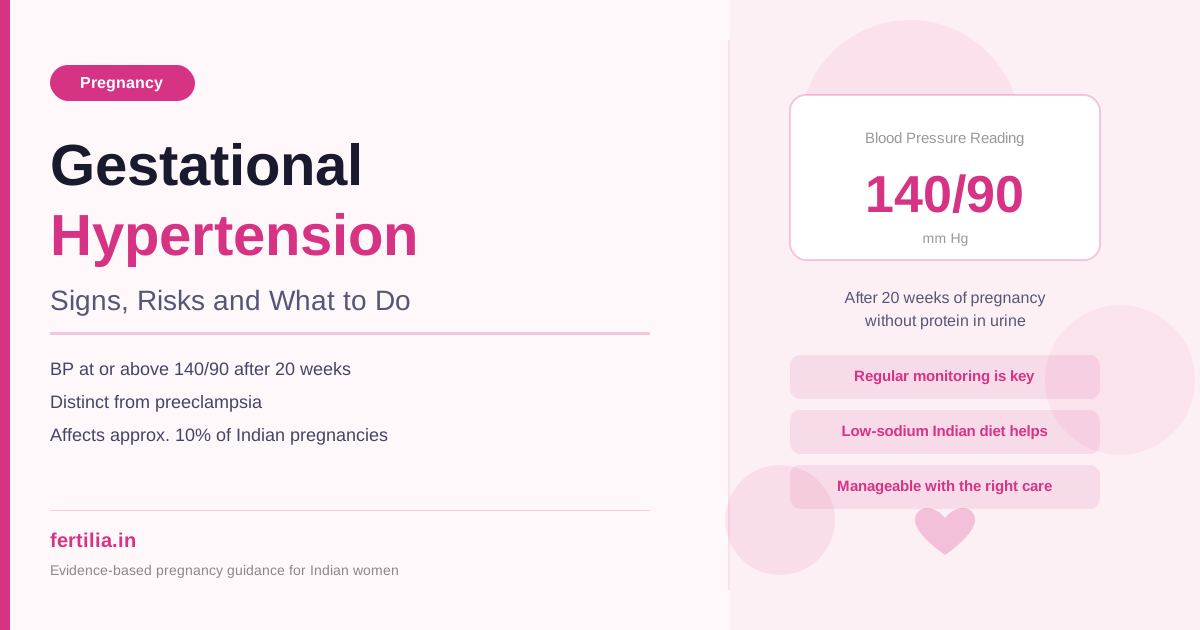
Gestational hypertension is high blood pressure that develops after 20 weeks of pregnancy in a woman who had normal blood pressure before. According to ACOG Practice Bulletin 222 (2020), the diagnostic threshold is a reading of 140/90 mm Hg or higher on two separate occasions at least 4 hours apart, in the absence of protein in the urine or other signs of organ involvement.
That last part is crucial, and it is what separates gestational hypertension from preeclampsia.
Gestational Hypertension vs. Preeclampsia
These two conditions are frequently confused, but they are clinically distinct:
| Gestational Hypertension | Preeclampsia | |
|---|---|---|
| Blood pressure | At least 140/90 after 20 weeks | At least 140/90 after 20 weeks |
| Protein in urine (proteinuria) | Absent | Present, or signs of organ damage |
| Organ involvement | None | Possible (kidneys, liver, brain) |
| Management intensity | Monitoring, medication if severe | More active intervention, often earlier delivery |
If your doctor checks your urine at every antenatal visit, this is exactly why. A negative protein result combined with a high BP reading points to gestational hypertension. A positive result shifts the picture toward preeclampsia, and management changes accordingly.
Approximately 15 to 25% of women with gestational hypertension will progress to preeclampsia (ACOG, 2020). This is why regular monitoring is not optional at this stage; it is the treatment.
Signs to Watch For
Most women with gestational hypertension feel completely well. High blood pressure is famously “silent.” You may notice nothing unusual even as your numbers rise above normal range.
That said, certain symptoms warrant a same-day call to your doctor:
- A persistent headache that does not ease with rest or paracetamol
- Blurred vision, flashing lights, or spots in front of your eyes
- Pain in the upper right side of your abdomen (beneath the ribs)
- Sudden swelling of the hands and face (especially if it appears rapidly, not just the usual ankle swelling)
- Reduced fetal movement compared to your normal pattern
- Severe nausea or vomiting in the second or third trimester
These symptoms can indicate progression toward preeclampsia. On their own, none of these is diagnostic, but each warrants prompt evaluation. If you notice any combination, contact your obstetrician the same day. Do not wait for a scheduled visit.
One important clarification: Mild ankle swelling is very common in pregnancy and is not, on its own, a sign of gestational hypertension. The blood pressure reading is the key number.
Who Is at Higher Risk?
Knowing your risk factors helps your doctor monitor you appropriately from early on. These factors raise the likelihood of developing gestational hypertension:
- First pregnancy: The risk is substantially higher in a first pregnancy than in subsequent ones
- Multiple pregnancy: Twins or triplets significantly increase risk
- Age above 35 at the time of pregnancy
- Pre-existing high blood pressure or a family history of hypertension or cardiovascular disease
- PCOS: Insulin resistance and metabolic features of PCOS are associated with higher risk of hypertensive complications in pregnancy
- Previous gestational hypertension or preeclampsia in a prior pregnancy
- BMI above 25 kg/m² (using the South Asian threshold, which reflects our population’s metabolic profile more accurately than the global cutoff of 30)
- Kidney disease or autoimmune conditions such as lupus or antiphospholipid syndrome
Indian women carry a specific risk profile worth noting. A 2023 study published in BMJ Global Oncology and Clinical Medicine found the prevalence of hypertensive disorders of pregnancy among first-time mothers at approximately 18.6%. India’s high rates of PCOS, insulin resistance, and the population-level predisposition to metabolic conditions all contribute to this elevated risk. Blood pressure monitoring at every antenatal visit is not routine bureaucracy; it is genuinely important surveillance.
Why Careful Monitoring Matters
Gestational hypertension, when mild and well-monitored, is associated with good pregnancy outcomes. The vast majority of women who manage it carefully deliver healthy babies.
Outcomes become more complex when blood pressure escalates to the severe range (at or above 160/110 mm Hg), when proteinuria develops and the picture shifts to preeclampsia, or when monitoring is inconsistent or delayed.
For your baby: High maternal blood pressure can reduce blood flow through the placenta, which may affect fetal growth. If you have been diagnosed with gestational hypertension, your doctor will track your baby’s growth with regular ultrasounds and Doppler studies.
For you: Sustained high blood pressure raises the risk of placental abruption, progression to preeclampsia, and cardiovascular strain. Evidence also shows that women who develop hypertensive disorders in pregnancy carry a modestly elevated lifetime risk of cardiovascular disease (Bellamy et al., 2007): a reason to prioritise heart-healthy habits not just during pregnancy, but in the years that follow.
The reassuring message here: close monitoring and timely treatment genuinely change outcomes. The regular antenatal appointments that can feel repetitive are doing real clinical work.
Has your blood pressure reading come back high? Not sure what to ask at your next antenatal visit? Speak with Dr. Suganya on WhatsApp. She will help you understand what your numbers mean and what steps to take alongside your obstetrician.
How Is It Diagnosed and Monitored?
Diagnosis requires two readings of 140/90 mm Hg or higher, taken at least 4 hours apart, after 20 weeks, without proteinuria. Your doctor will confirm this and then set a monitoring schedule appropriate to your specific situation.
At every antenatal visit, expect:
- Blood pressure check (seated, after at least 5 minutes of rest)
- Urine dipstick test for protein
- Questions about headache, visual changes, and upper abdominal pain
- Fetal heart rate assessment
Additional monitoring may include:
- Blood tests: full blood count, liver function, kidney function, uric acid
- 24-hour urine collection or spot protein-to-creatinine ratio if proteinuria is suspected
- Fetal growth scans every 2 to 4 weeks
- Doppler studies to assess placental blood flow
How frequently each of these is done depends on whether your blood pressure is mild (140 to 149/90 to 99 mm Hg) or approaching the severe threshold. Mild gestational hypertension may be managed with weekly reviews; higher readings typically require more intensive follow-up.
Managing Gestational Hypertension: What You Can Do
Medical monitoring is the backbone of management. Alongside that, there are practical, evidence-informed steps you can take every day that work with your treatment.
Reduce Sodium in Your Cooking
Excess sodium raises blood pressure. The Indian kitchen, with its reliance on pickles, papads, packaged masalas, and salted chutneys, can deliver far more sodium than recommended without any of it tasting obviously salty.
What to limit:
- Pickle and achar (even a small teaspoon daily adds significant sodium)
- Papad and fryums
- Packaged instant foods, ready-made masala mixes, and namkeen
- Salted chaas or buttermilk (replace with plain, unsalted lassi or fresh chaas)
- Soy sauce and processed chutneys
What works well for a blood-pressure-friendly Indian diet:
- Dal with minimal salt, flavoured with jeera, haldi, and curry leaves
- Sambar with drumstick, tomato, and tamarind (moderate salt, not excess)
- Ragi porridge or ragi roti: nutritious, naturally low-sodium, and deeply satisfying
- Plain curd with fresh coriander and a pinch of cumin
- Steamed or lightly sauteed vegetables with haldi and mustard seeds
- Tender coconut water: naturally low sodium, a good source of potassium
Potassium-rich foods (banana, sweet potato, spinach, coconut water) support blood pressure balance as part of a varied diet. This is dietary support, not a substitute for medication if your doctor determines medication is needed.
For a full guide to eating well throughout pregnancy, our Indian pregnancy diet guide covers trimester-by-trimester food recommendations.
Gentle Daily Movement
Moderate-intensity activity during pregnancy is safe and beneficial. For women with gestational hypertension, a gentle 15 to 20 minute walk and prenatal yoga (breath-focused, non-inverted) are both well tolerated. Avoid strenuous activity, exercise in heat, and high-impact routines.
If you also have gestational diabetes (the two conditions can co-exist, especially in women with PCOS), walking after meals supports both blood pressure and blood sugar at the same time.
Sleep and Rest
From around 28 weeks, sleeping on your left side is recommended because it reduces the weight of the uterus on the inferior vena cava (the large vein returning blood to the heart) and supports optimal circulation to the placenta. This is especially relevant when blood pressure is elevated.
Take rest seriously. Prolonged standing and heavy lifting cause temporary BP spikes. If you are working outside the home, discuss with your doctor when it makes sense to begin maternity leave.
Home Blood Pressure Monitoring
Your doctor may recommend a home blood pressure monitor. If prescribed, take readings in the morning and evening, seated, after 5 minutes of quiet rest, and log each reading with the time.
Target range for well-controlled gestational hypertension: consistently below 140/90 mm Hg.
A reading of 160/110 mm Hg or higher at home requires same-day medical contact. Do not wait for a scheduled appointment.
Antihypertensive Medication
Medication is introduced when blood pressure rises above a specific threshold. ACOG’s current guidance recommends initiating antihypertensive treatment for sustained readings of 160/110 mm Hg or higher in pregnancy to reduce the risk of severe maternal events. Some guidelines recommend treatment at slightly lower thresholds, and your obstetrician will advise based on your individual picture.
Medications commonly used in India include labetalol, nifedipine, and methyldopa. All are safe in pregnancy and widely used in Indian obstetric practice. If medication is prescribed, take it as directed. Never adjust the dose or stop antihypertensives without your doctor’s guidance.
Gestational Hypertension and Gestational Diabetes: The Connection
Women with PCOS who develop gestational hypertension are at elevated risk of gestational diabetes as well. Insulin resistance, a core feature of PCOS, contributes to both conditions through overlapping metabolic pathways. If you have gestational hypertension, ask your doctor to confirm your glucose testing is current and complete.
Both conditions share lifestyle management strategies: low-sodium, low-GI eating, regular gentle movement, and consistent monitoring. Our full gestational diabetes guide covers the dietary and monitoring approach in detail.
For context on the broader pregnancy journey, our week-by-week pregnancy guide and first trimester guide are useful references for understanding when each complication typically appears in the pregnancy timeline. For early nutritional preparation, see our guide on folic acid in pregnancy. If you have been advised about low-lying placenta or other placental concerns alongside your blood pressure, our placenta previa guide covers that condition in detail.
After Delivery: What Happens to Your Blood Pressure?
For most women, gestational hypertension resolves within 12 weeks after delivery. However, blood pressure can remain elevated or even spike in the first few days postpartum. Monitoring continues after the birth.
Your doctor will check your blood pressure:
- Before hospital discharge
- At your 6-week postpartum visit
If blood pressure remains elevated beyond 12 weeks postpartum, it may indicate an underlying tendency toward chronic hypertension and warrants further evaluation by your doctor.
Looking further ahead: Women who have had gestational hypertension carry a modestly elevated lifetime risk of cardiovascular disease (Bellamy et al., 2007). This is not a burden to carry; it is an incentive to build the habits that protect you in the decades ahead. Blood pressure checks annually, maintaining a healthy weight, regular movement, and a low-sodium diet are all steps that serve you long after your pregnancy.
Practical Takeaways
- Gestational hypertension is BP at or above 140/90 mm Hg after 20 weeks, without protein in the urine
- It is distinct from preeclampsia; your doctor watches for proteinuria to distinguish the two at every visit
- Regular antenatal check-ups are the single most important management step
- Cut back on pickle, papad, and packaged foods; build meals around dal, ragi, vegetables, and curd
- Walk gently each day, rest well, and sleep on your left side from 28 weeks
- Use a home BP monitor if prescribed; readings at or above 160/110 mm Hg need same-day medical contact
- If medication is prescribed, take it consistently and do not adjust without guidance
- Most women with well-managed gestational hypertension deliver healthy babies and normalise after delivery
- Get a BP check at your 6-week postpartum visit without fail
Frequently Asked Questions
Is gestational hypertension the same as preeclampsia?
No. Both involve high blood pressure after 20 weeks, but preeclampsia also involves proteinuria (protein in the urine) or signs of organ involvement affecting the kidneys, liver, or brain. Gestational hypertension, by definition, has neither. They are on the same spectrum: approximately 15 to 25% of women with gestational hypertension will progress to preeclampsia (ACOG, 2020), which is why monitoring continues throughout the pregnancy.
Is gestational hypertension dangerous?
Mild gestational hypertension, monitored carefully, is associated with good outcomes for most women. Risk increases if blood pressure escalates to the severe range (160/110 mm Hg or higher), if proteinuria develops, or if antenatal care is inconsistent. When managed well alongside your obstetrician, most women and babies do very well.
Will I need a caesarean section?
Not necessarily. The mode of delivery depends on your overall clinical picture, the baby’s wellbeing, and how well blood pressure is controlled. Mild, well-controlled gestational hypertension does not, by itself, require a caesarean. Your obstetrician will assess the full picture as you approach your due date.
Can I eat normally with gestational hypertension?
You can eat a nutritious, complete diet. The main adjustment is reducing sodium. In practical terms: cut back on pickle, papad, packaged foods, and salty snacks. Focus on home-cooked meals with dal, ragi, sabzi, curd, and limited added salt. Our Indian pregnancy diet guide has practical meal ideas for each trimester.
Does gestational hypertension affect my baby?
When managed well, outcomes are generally very good. In cases where blood pressure is poorly controlled, placental blood flow can be reduced, which may affect fetal growth. Your doctor will monitor fetal growth with regular ultrasounds. Most babies born to mothers with managed gestational hypertension are healthy.
When should I call my doctor immediately?
Seek same-day medical attention for: a persistent, severe headache; visual disturbances (blurred vision, flashing lights); pain in the upper abdomen or chest; sudden facial or hand swelling; a BP reading of 160/110 mm Hg or higher at home; or noticeably reduced fetal movement. These symptoms do not automatically indicate a serious event, but each requires prompt evaluation.
Will gestational hypertension come back in a future pregnancy?
Women with a history of gestational hypertension have a higher risk of recurrence in subsequent pregnancies and a higher lifetime risk of chronic hypertension. Maintaining a healthy weight, regular physical activity, and a low-sodium diet between pregnancies reduces this risk. Inform your obstetrician about your history at the very first antenatal visit of any future pregnancy so closer monitoring can begin early.
Diagnosed with gestational hypertension and not sure what steps to take? Message Dr. Suganya on WhatsApp. She reviews every message personally and can guide you on what your readings mean, what to adjust in your diet, and what questions to bring to your next obstetrician appointment.