You ate a small, simple meal. Nothing spicy. Nothing fried. And yet, within an hour, there it is: that burning sensation rising from your chest into your throat, sometimes so intense it wakes you up at night.
Pregnancy heartburn is one of the most common and frustrating discomforts in pregnancy. Studies estimate that between 17 and 45 percent of pregnant women experience heartburn during the first trimester, and that number climbs to 80 percent by the third trimester, according to research published in Obstetric Medicine. If you are somewhere in that group right now, you are not alone, and more importantly, you do not have to just endure it.
This post explains why pregnancy causes heartburn and acidity, which Indian dietary choices make it worse, and eight practical, evidence-based strategies to get relief safely. Because “eat less” is not advice. Evidence is.
Why Does Pregnancy Cause Heartburn?
Heartburn is not a stomach problem. It is a valve problem.
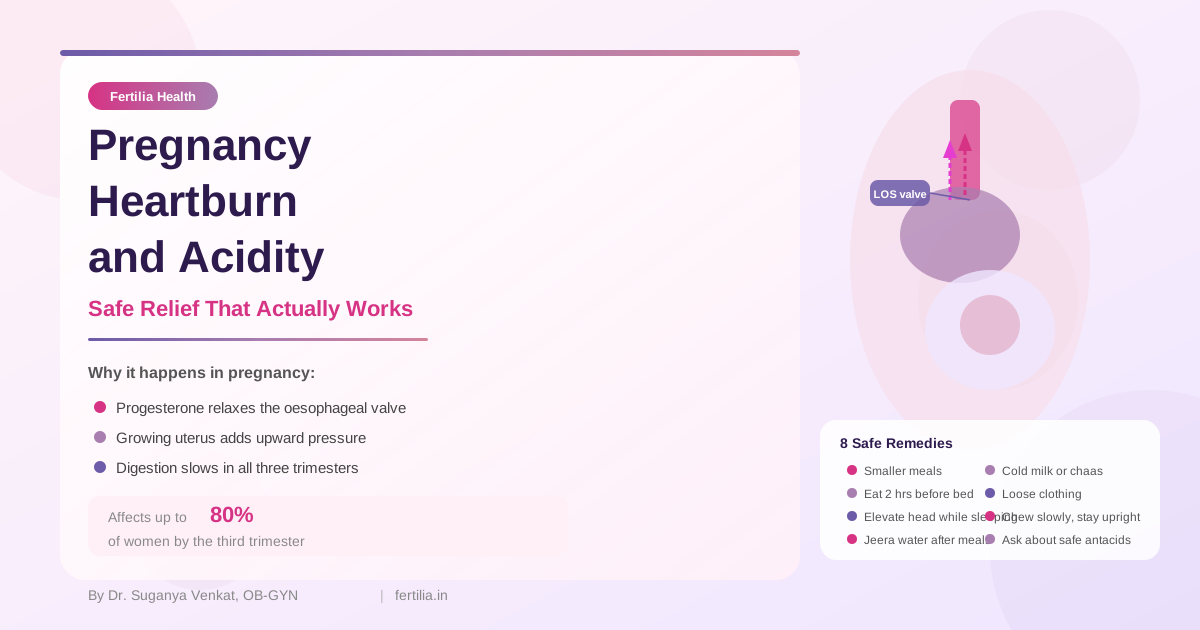
Between your oesophagus and your stomach sits a ring of muscle called the lower oesophageal sphincter (LOS). In non-pregnant life, this valve opens to let food down and stays closed to keep stomach acid where it belongs. During pregnancy, two things conspire against it.
Progesterone relaxes the valve
Progesterone, the hormone that rises sharply in the first trimester to support the uterine lining and prevent early contractions, also relaxes smooth muscle throughout the body. The LOS is smooth muscle. As progesterone levels increase, the valve closes less firmly, allowing acid to splash upward into the oesophagus. This is why heartburn often starts as early as weeks six to eight, well before the uterus is large enough to press on anything.
Research published in the British Journal of Obstetrics and Gynaecology confirmed this mechanism: oesophageal sphincter pressure is significantly lower in pregnant women compared to non-pregnant controls, and the reduction correlates with circulating progesterone levels.
The growing uterus adds physical pressure
From the second trimester onward, the expanding uterus pushes upward against the stomach. This upward displacement squeezes the stomach and increases the likelihood of acid reflux, especially after meals and when lying flat. By the third trimester, when the fundus (the top of the uterus) is pressing against the diaphragm, heartburn often peaks in frequency and intensity.
Digestion slows down
Progesterone also slows gastric emptying, meaning food stays in your stomach longer. A stomach that takes longer to empty has more time to generate acid and more pressure to push that acid upward. This is why eating late at night or lying down shortly after a meal tends to produce the most severe symptoms.
What Makes It Worse in the Indian Context
Indian cuisine is genuinely wonderful for pregnancy in many ways. But some everyday choices can intensify heartburn.
Foods that commonly trigger symptoms:
- Tadkas with mustard seeds and asafoetida in concentrated amounts
- Tamarind-heavy dishes like rasam, sambhar, or puliyogare eaten in large portions
- Very spicy curries or chutneys
- Fried snacks like pakoda, samosa, or poori (fat slows digestion further)
- Strong masala chai drunk on an empty stomach
- Carbonated drinks, including fizzy nimbu pani
Habits that intensify symptoms:
- Eating large meals at once rather than smaller portions through the day
- Lying down immediately after lunch or dinner
- Wearing tight salwars or waistbands that press on the abdomen
- Drinking large amounts of water during meals (which distends the stomach)
None of these foods are dangerous or need to be eliminated. The aim is modification: smaller portions, eaten more slowly, with more space between meals and bedtime.
8 Safe, Evidence-Based Strategies for Relief
Before anything else: always mention your heartburn to your OB-GYN at your next appointment, particularly if it is severe, frequent, or affecting your sleep or nutrition. The strategies below are well-supported by evidence and safe in pregnancy, but your doctor knows your specific history and can guide you on what fits your situation.
1. Eat smaller, more frequent meals
The single most consistent finding across clinical guidance on pregnancy heartburn is that meal size matters more than meal composition. A large meal distends the stomach significantly, raises intragastric pressure, and gives acid much more opportunity to reflux upward.
Switch from three large meals to five or six smaller ones through the day. Think of each eating occasion as filling two-thirds of your normal plate, then having a small additional snack two hours later if you are hungry. Idli with sambar, a small bowl of curd rice, poha with vegetables, or a cup of dal with two small chapati are all gentle, manageable portions.
2. Stop eating at least two hours before lying down
This is the advice that makes the biggest difference in the third trimester, when heartburn at bedtime is most intense. The stomach takes one to two hours to begin emptying meaningfully, and lying down while it is still full essentially tilts the acid toward your oesophagus.
Finish dinner by 7:30 PM if you plan to sleep by 9:30 or 10. If hunger strikes before bed, a small bowl of warm milk or a couple of dry biscuits is better than a proper meal.
3. Elevate the head of your bed
Gravity is your ally. Sleeping with the head of the bed elevated by 15 to 20 centimetres allows gravity to keep acid in the stomach rather than allowing it to drift upward while you sleep. Research published in Alimentary Pharmacology and Therapeutics consistently shows head-of-bed elevation reduces nocturnal acid exposure in patients with reflux.
Use a firm wedge pillow under your upper body rather than adding extra regular pillows under your head, which can strain your neck without elevating your oesophagus meaningfully. Sleep on your left side when possible: studies show this position reduces acid reflux compared to lying on the right side, because of the anatomical angle between the stomach and oesophagus.
4. Jeera water (cumin water) after meals
Jeera has a long tradition in Indian kitchens as a digestive, and the evidence is reasonable. Cumin contains compounds that stimulate digestive enzyme secretion and help move food through the gastrointestinal tract more efficiently. A cup of warm jeera water (one teaspoon of cumin seeds steeped in a cup of hot water for five minutes, then strained) sipped slowly after a meal may help reduce bloating and the sensation of a very full stomach that precedes reflux.
This is a gentle, low-risk intervention that aligns with both traditional practice and the emerging science on cumin’s digestive effects. It is particularly helpful for women who find bloating triggers their heartburn symptoms. Ajwain (carom seeds) prepared the same way has similar carminative properties and is another well-established Indian remedy for digestive discomfort in pregnancy. Our ajwain water guide for pregnancy bloating and digestion covers how to prepare it and what the evidence says.
5. Cold milk or cold curd for acute relief
Cold milk is one of the most commonly recommended home remedies for heartburn in India, and there is a logical reason it works in the short term: milk is alkaline and can temporarily neutralise stomach acid, reducing the burning sensation in the oesophagus. A small, cold glass of milk or a bowl of plain curd after a meal can offer five to fifteen minutes of relief.
Note the caveat: this works for immediate relief, not long-term prevention. Full-fat milk can actually stimulate more acid production an hour or two later for some women, so if you notice this pattern, switch to thin buttermilk (chaas) instead. Chaas is lower in fat, still mildly alkaline, and easier on the stomach.
6. Avoid tight clothing after meals
This is simple but underappreciated. Tight elastic waistbands or drawstring salwars that compress the abdomen after a meal add external pressure to an already-full stomach. Loosening your clothes after eating or choosing looser-fitting maternity wear in the second and third trimester reduces this physical component of reflux.
7. Chew slowly and stay upright while eating
Swallowing air during hurried eating is a significant contributor to bloating and upward pressure. Chewing each bite thoroughly and staying seated and upright during meals and for at least twenty minutes afterward gives the stomach time to begin emptying before gravity loses its advantage.
This is particularly relevant for women who eat lunch at a desk or while attending to work calls: try to create even a twenty-minute protected window to eat without rushing.
8. Speak with your doctor about safe antacids
If dietary changes are not enough, safe options exist. Antacids containing calcium carbonate or magnesium hydroxide (such as Gelusil or Digene in India) are generally considered safe for short-term use in pregnancy when taken as directed. Sucralfate, which forms a protective coating over the oesophageal lining, has also been used in pregnancy with a reassuring safety profile.
What to avoid without specific medical guidance: antacids containing high doses of sodium bicarbonate (can cause fluid retention and metabolic alkalosis in pregnancy), and antacids with aluminium or magnesium in very large amounts. If your heartburn is severe enough to require daily medication, your OB-GYN can guide you toward H2 blockers or, in specific situations, proton pump inhibitors, which have been studied and used in pregnancy.
This is the moment to reach out if symptoms are significantly affecting your sleep or nutrition. Starting a conversation with your doctor is the right next step, not a sign that something is wrong.
Connect with Dr. Suganya on WhatsApp if your heartburn is interfering with eating well or sleeping through the night. A short conversation can help you find relief that is appropriate for where you are in your pregnancy.
When to Call Your Doctor Immediately
Most pregnancy heartburn is uncomfortable but manageable. However, certain symptoms need prompt medical attention:
- Heartburn so severe that you cannot eat or are losing weight
- Vomiting blood or material that looks like coffee grounds
- Black or tarry stools (can indicate bleeding in the digestive tract)
- Difficulty swallowing that is worsening
- Chest pain that radiates to the jaw or left arm (needs emergency evaluation)
- Heartburn accompanied by severe upper abdominal pain, particularly on the right side (could indicate HELLP syndrome in late pregnancy)
These are not meant to alarm you. The vast majority of pregnancy heartburn is straightforward. But these specific patterns are worth knowing so you can act quickly if one of them applies to you.
What About the Third Trimester?
Heartburn often peaks between weeks 30 and 36, when the uterus is at its largest relative to the available abdominal space. A few additional approaches become especially helpful at this stage:
- Eating even smaller portions more frequently (every two hours rather than every three)
- Keeping a food and symptom diary for one week to identify your specific personal triggers
- Using a full-length pregnancy pillow that supports both your belly and your back while sleeping on your left side
- Discussing a short course of a safe antacid with your OB-GYN if symptoms are affecting sleep quality significantly
The good news: heartburn typically resolves within days to weeks after delivery, once progesterone levels fall and the uterus is no longer pressing upward. This discomfort, as difficult as it is now, is temporary.
Linking Heartburn to the Rest of Your Pregnancy Care
Heartburn is one of several first-trimester and ongoing symptoms that can affect how much you are eating and how well you are absorbing nutrients. If heartburn is reducing your appetite or limiting which foods you can eat comfortably, it is worth discussing alongside your overall nutrition plan.
If you have been dealing with morning sickness alongside heartburn, our guide to morning sickness causes and safe remedies covers the overlap in symptoms and which approaches work for nausea without worsening acid reflux.
For women managing gestational diabetes alongside heartburn: the smaller, more frequent meal pattern recommended for heartburn aligns well with the blood sugar management goals for gestational diabetes. Your diet approach does not need to be more complicated. Read our complete guide to gestational diabetes in India for how to adapt Indian meals to manage both conditions.
Frequently Asked Questions
Is heartburn during pregnancy a sign that my baby will have more hair?
This is one of the most persistent pregnancy myths in Indian families. There is actually one older study from Johns Hopkins that found a correlation between heartburn severity and neonatal hair volume, but it was based on a small sample and the researchers themselves noted it could not establish causation. The physiological cause of pregnancy heartburn (progesterone relaxing the oesophageal valve and the uterus pressing upward) has nothing to do with fetal hair development. Your baby’s hair growth depends on genetics, not your digestive symptoms.
Can I drink coconut water for heartburn?
Yes, coconut water is mildly alkaline and can offer short-term relief similar to milk for some women. It is also a good source of electrolytes. Drink it cool rather than cold, and in moderation: two glasses a day is a reasonable upper limit. It should not replace a balanced diet, but as a gentle relief option, it is safe.
My acidity is worse in the morning before I eat anything. Why?
This is a common pattern. An empty stomach still produces baseline acid, and after eight hours without food overnight, the acid has had time to accumulate. The lower oesophageal sphincter, already relaxed by progesterone, lets some of it rise when you change position (moving from lying to sitting). Eating a small, plain snack (a plain biscuit, a small piece of dry toast, or a few crackers) before getting out of bed can help neutralise the overnight acid before you sit up.
Are antacids safe throughout all trimesters?
The safety profile varies by trimester and by specific antacid. Calcium carbonate and magnesium hydroxide-based antacids are generally considered acceptable for short-term use across all three trimesters. However, avoid taking them within two hours of iron supplements (they can interfere with iron absorption, which matters significantly in pregnancy). For ongoing or severe symptoms, always check with your OB-GYN rather than self-managing with daily antacid use.
I find that tomato-based dals and rasam always trigger my heartburn. Should I avoid them entirely?
Not necessarily. Tomato and tamarind are acidic, which can lower the pH of the stomach and intensify symptoms. Rather than eliminating them, try reducing the portion: a smaller cup of rasam with rice rather than two cups, or a less tangy version of dal. Many women find that cooking tomatoes with a small amount of jaggery or making a thinner version of rasam reduces the acidity enough to be manageable. Complete elimination of these culturally central foods is not required.
Is it normal for heartburn to suddenly worsen in the third trimester even though it was mild earlier?
Very common, and expected. The third-trimester worsening happens because the growing baby significantly reduces the available space in the upper abdomen, pushing the stomach upward and increasing the physical component of reflux. The hormonal component (progesterone) has been there since the first trimester, but the mechanical pressure is what drives the peak in the third. Symptoms typically resolve within two to four weeks after delivery.
A Final Word
Pregnancy heartburn is one of those discomforts that feels disproportionate to how simple it sounds. When it is waking you up at night or making every meal feel like a gamble, it is genuinely exhausting. The strategies above work for most women when applied consistently. The smaller meals, the sleeping position, the jeera water after eating: each one is a small adjustment, but together they make a meaningful difference.
And if they are not enough for your particular situation, your OB-GYN has safe options to help you. You do not have to white-knuckle through the third trimester with constant burning. Relief is available, and asking for it is the right call.
Book a WhatsApp consultation with Dr. Suganya Venkat if your heartburn is severe, persistent, or affecting your ability to eat and sleep well. She works with pregnant women on exactly this kind of symptom management, as part of a whole pregnancy approach.
Dr. Suganya Venkat is an OB-GYN with 15 years of clinical experience. DNB OB-GYN (GKNM Hospital, Coimbatore), MD Pathology (CMC Vellore), MBBS with 5 Gold Medals (SRMC). She founded Fertilia Health to provide personalised, evidence-based support to women through fertility, pregnancy, and postpartum recovery.