You were prepared for the nausea, the swollen ankles, the sleepless nights. But a call from your doctor saying your glucose test came back high? That one catches most women off guard.
If you’ve just been told you have gestational diabetes mellitus (GDM), take a breath. This is the most common metabolic complication in Indian pregnancies, and one of the most manageable. With the right food choices, some movement, and regular monitoring, the vast majority of women with GDM have completely healthy pregnancies and babies. This guide covers everything you need: what GDM is, why Indian women are at higher risk, how the diagnosis works, and (most practically) what to eat and how to manage it.
What Is Gestational Diabetes?
Gestational diabetes is high blood sugar that develops during pregnancy (typically in the second or third trimester) in a woman who did not have diabetes before. It is distinct from Type 1 or Type 2 diabetes, and for most women, it resolves on its own after delivery.
Here is what happens: The placenta produces hormones (mainly human placental lactogen and progesterone) that block the action of insulin, causing physiological insulin resistance. Most pregnancies compensate by producing more insulin. In GDM, the pancreas cannot keep up, and blood glucose rises above normal levels.
Why are Indian women at higher risk? Research by Dr. C.S. Yajnik (2004) showed that South Asian women develop insulin resistance at significantly lower BMIs than women of European descent, the “thin-fat Indian” phenotype. Combined with India’s high refined-carbohydrate diet (white rice, maida, sweets), high PCOS rates, and a strong genetic predisposition to Type 2 diabetes, the risk picture is clear.
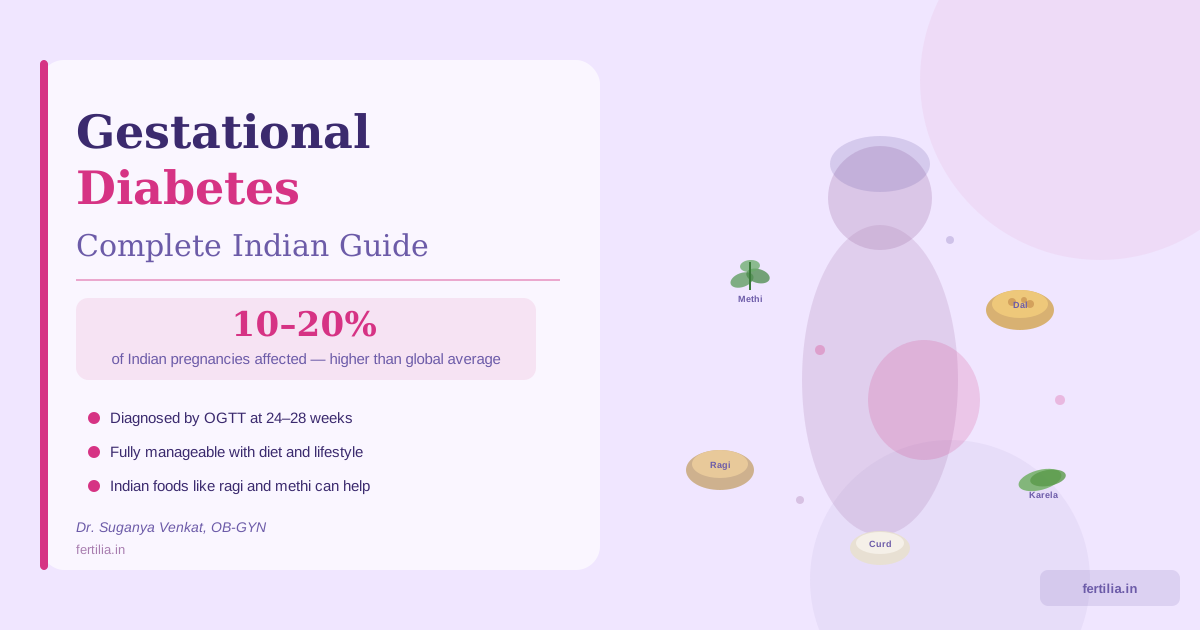
A landmark study by Seshiah et al. (2010) found that gestational diabetes affects 10–20% of Indian pregnancies: well above the global average at the time of approximately 6–7% (global estimates have risen since, reflecting both better screening and shifting risk profiles). Not a reason for alarm; a reason for awareness and proactive care.
Who Is at Risk?
Some women are more likely to develop GDM than others. Your obstetrician will screen you early if any of the following apply:
- PCOS history: insulin resistance is already a core feature of PCOS, and this can persist into pregnancy even if your cycles had normalised
- Family history of Type 2 diabetes: a parent or sibling with T2D raises your risk significantly
- Previous GDM: if you had it in a past pregnancy, the recurrence rate is 50–70%
- BMI above 23 kg/m²: the South Asian threshold is lower than the standard 25, reflecting our population’s metabolic profile
- Age above 30 years at the time of pregnancy
- Previous large baby: a birth weight above 3.5 kg suggests your body may have had undiagnosed GDM before
- Unexplained pregnancy loss: some cases are linked to undetected glucose issues
- Sedentary lifestyle or high refined-carbohydrate diet before pregnancy
A note on PCOS: even if you managed it well before pregnancy, insulin resistance does not disappear entirely. Tell your obstetrician about your PCOS history at your very first antenatal visit so they can screen you early rather than waiting for the standard 24–28 week window.
If you are trying to conceive with a high HbA1c (above 6.5%), the safest path is to bring it down before pregnancy, not during. Read how one of our patients did exactly that: Gowri brought her HbA1c from 9.8% to 6.2% in 3 months before starting fertility treatment. Her gynaecologist referred her for metabolic preparation first, and she conceived in the very next cycle.
How Is Gestational Diabetes Diagnosed?
The standard test is the Oral Glucose Tolerance Test (OGTT). It is typically done between 24 and 28 weeks of pregnancy. If you have risk factors (like PCOS, previous GDM, or a BMI above 23), your doctor may order it earlier, sometimes in the first trimester.
What to expect: An overnight fast, a fasting blood sample, then a 75g glucose drink (sweet and occasionally nauseating, sip slowly), with blood samples at 1 hour and 2 hours.
Diagnosis thresholds (IADPSG/WHO 2013 criteria):
| Timepoint | Normal | GDM Threshold |
|---|---|---|
| Fasting | < 92 mg/dL | ≥ 92 mg/dL |
| 1 hour | < 180 mg/dL | ≥ 180 mg/dL |
| 2 hours | < 153 mg/dL | ≥ 153 mg/dL |
Even one abnormal value is sufficient for a GDM diagnosis. You do not need all three to be elevated. Many Indian centres also use the older DIPSI criteria (a non-fasting 75g OGTT), both are valid screening approaches.
Symptoms. Or the Lack of Them
Here is the important thing to understand: most women with gestational diabetes have no symptoms at all. This is why routine screening is non-negotiable. You cannot reliably detect it on your own.
Some women notice increased thirst, more frequent urination, or unusual fatigue, but all of these overlap with normal pregnancy. Do not rely on symptoms. If you are between 24–28 weeks and have not had an OGTT, ask your doctor for one.
Why Managing GDM Well Matters
Understanding the effects of unmanaged GDM is not about creating worry, it is about giving you the motivation and knowledge to act effectively. When GDM is well managed, outcomes are excellent:
For your baby: When blood glucose is consistently elevated, the baby receives more glucose than needed and produces extra insulin, which acts as a growth factor, leading to macrosomia (birth weight above 4 kg). This increases the likelihood of a difficult delivery or caesarean section. After birth, the baby’s insulin levels can remain high while glucose supply drops, causing temporary neonatal hypoglycaemia. Long-term, babies born to mothers with unmanaged GDM have a higher risk of obesity and Type 2 diabetes.
For you: GDM slightly raises the risk of pre-eclampsia. A meta-analysis by Bellamy et al. (2009) found that women who had GDM have approximately 7 times the long-term risk of developing Type 2 diabetes, but this risk is substantially reduced by maintaining a healthy lifestyle after delivery.
All of these risks reduce dramatically with proper management.
If you’ve been told you have gestational diabetes and aren’t sure where to start, speak with Dr. Suganya on WhatsApp. She has guided hundreds of Indian women through GDM and can help you build a practical, India-friendly plan.
Managing Gestational Diabetes. The Indian Approach
In most cases (70–85%), GDM is managed entirely with diet and lifestyle. Medication is the backup when diet and exercise are not enough, not the starting point.
Diet. The Most Powerful Tool
The goal is not to eliminate carbohydrates. It is to choose low-glycaemic carbohydrates, eat them in controlled portions, and pair them with protein and fibre to slow glucose absorption. Traditional Indian cuisine is well suited to this, it is the modern refinements (maida, polished rice, sweetened drinks) that create problems.
Foods that work well for GDM:
| Food | Why It Helps |
|---|---|
| Ragi (finger millet) | Very low GI, high calcium, ideal flour for rotis and mudde |
| Parboiled or brown rice | Better glucose response than polished white rice |
| Dal, rajma, chana | Protein and soluble fibre slow glucose rise significantly |
| Plain curd | Low GI, good protein source |
| Karela (bitter gourd) | Traditional blood sugar support, eaten as sabzi or juice |
| Drumstick (murungakkai) | Low GI, iron-rich, excellent in sambar |
| Methi seeds | A study by Neelakantan et al. (2014) demonstrated blood sugar stabilisation, soak overnight and drink the water or use seeds in cooking |
| Almonds and walnuts | Low GI snack with healthy fat and protein |
Foods to limit:
- White rice in large quantities, a small portion with plenty of dal and sabzi is fine; a full plate of rice alone is not
- Maida-based items: naan, parotta, biscuits, white bread
- Fruit juices (even fresh), juice removes fibre and concentrates sugar
- High-sugar fruits in large amounts: mango, banana, chikoo, small portions occasionally are acceptable
- Sweets and mithai, even traditional ones made with jaggery
- Sweetened chai and coffee, switch to plain or with very little sugar
Sample GDM meal plan (Indian):
| Time | Meal |
|---|---|
| 7:00 AM | Methi water (fenugreek seeds soaked overnight) + 2 idli with sambar |
| 10:00 AM | Small apple or 10 almonds |
| 1:00 PM | 2 roti + 1 cup dal + sabzi + small bowl plain curd |
| 4:00 PM | Buttermilk (chaas) or handful of roasted chana |
| 7:30 PM | Ragi mudde or 1 cup brown rice + palak dal + karela sabzi |
| 9:30 PM | Warm milk with haldi, no sugar |
Key principle: eat every 2–3 hours. Small, frequent meals prevent the spikes that happen when you fast too long and then eat a large meal. Never skip meals, especially breakfast. For a broader look at eating well during pregnancy, see our Indian pregnancy diet guide.
Exercise. The Under-Used Tool
Physical activity is one of the most effective tools for managing blood glucose in GDM. Research by Colberg et al. (2010) demonstrated that a 20-minute walk after meals significantly reduces post-meal glucose spikes.
Safe and effective options:
- Walking, 15–20 minutes after each main meal is the most accessible and effective option
- Prenatal yoga, our Pregnancy Support Program includes guided prenatal movement
- Swimming or stationary cycling
Avoid: High-impact exercise, extreme heat, lying flat on your back in the third trimester, and anything that causes breathlessness or discomfort. A walk around your building after meals is genuinely sufficient.
Blood Glucose Monitoring at Home
Your doctor will prescribe a glucometer and test strips. Use them consistently, patterns over days and weeks matter more than any single reading.
Target glucose levels in GDM:
| Timepoint | Target |
|---|---|
| Fasting (pre-breakfast) | < 95 mg/dL |
| 1 hour after meals | < 140 mg/dL |
| 2 hours after meals | < 120 mg/dL |
Log each reading with a note of what you ate and how much you walked. Over 1–2 weeks, your doctor can identify which meals are spiking your glucose and adjust the plan accordingly.
When Is Medication Needed?
If diet and exercise alone do not bring glucose into target range within 1–2 weeks, medication is added, and that is not a failure. The placental hormones driving insulin resistance are beyond your control; the goal is to compensate for them by whatever means works.
Insulin is the gold standard, it does not cross the placenta and is completely safe for your baby. Metformin (oral) is also used at some centres and is considered safe, though insulin remains the first choice in many Indian guidelines. Never adjust or stop any medication without your doctor’s guidance.
After Delivery
For most women with GDM, blood glucose returns to normal within a few days to weeks after delivery. But this does not mean the chapter is fully closed.
What to do after delivery:
- A repeat OGTT at 6 weeks postpartum to confirm your glucose has normalised
- Annual glucose and HbA1c testing thereafter, the 7× long-term T2D risk (Bellamy et al. 2009) is real but preventable
- Breastfeeding is strongly encouraged, it improves insulin sensitivity and reduces long-term metabolic risk for both you and your child
The habits you build managing GDM (low GI eating, regular walking, monitoring your body) are exactly the habits that protect you from Type 2 diabetes in the decades ahead.
For a comprehensive guide to recovery after delivery, see our postpartum recovery guide.
GDM and PCOS. A Note
If you had PCOS before pregnancy, the connection to gestational diabetes is direct: insulin resistance was already part of your metabolic picture, and pregnancy amplifies it. Many of the dietary strategies that worked for managing your PCOS, low GI eating, regular movement, managing refined carbohydrates, apply directly to GDM management.
The PCOS diet chart we have detailed elsewhere covers many of the same food choices recommended for GDM. And if you know that insulin resistance was a feature of your PCOS, be especially proactive about glucose monitoring and share that history explicitly with your obstetrician.
PCOS does not make GDM harder to manage, it simply means your starting point requires a little more attention, and the strategies are already familiar to you.
Frequently Asked Questions
Does gestational diabetes mean I’ll have Type 2 diabetes after pregnancy?
Not necessarily, but it does raise your long-term risk. Research (Bellamy et al. 2009) shows approximately 7× the risk of developing Type 2 diabetes compared to women without GDM history. This risk is substantially reduced by maintaining healthy eating, regular physical activity, and annual glucose monitoring after delivery. Consider GDM your early warning signal and use it to your advantage.
Can I eat rice if I have gestational diabetes?
Yes, in the right form and portion. Parboiled rice or brown rice are better options than polished white rice. Pair rice with plenty of dal, sabzi, and curd to slow glucose absorption, keep portions to about a cup of cooked rice per meal, and avoid eating rice alone in large quantities.
Is methi (fenugreek) safe during pregnancy?
Methi seeds in normal culinary quantities (soaked overnight, water consumed, or seeds added to cooking) are safe during pregnancy and have evidence supporting blood sugar stabilisation (Neelakantan et al. 2014). Very large supplemental doses are not recommended as they may stimulate uterine contractions. Confirm amounts with your doctor if uncertain.
My fasting glucose is fine but post-meal numbers are high. Is this still GDM?
Yes. Post-meal glucose spikes are common in GDM even when fasting levels are normal, which is exactly why the OGTT includes 1-hour and 2-hour measurements. A 1-hour reading of ≥180 mg/dL or a 2-hour reading of ≥153 mg/dL is diagnostic even with a normal fasting value. Walking after meals and spreading carbohydrates across the day are the most effective strategies.
Can I exercise if I have GDM?
Absolutely, exercise is actively encouraged. Walking for 15–20 minutes after each main meal significantly reduces post-meal glucose (Colberg et al. 2010). Prenatal yoga, swimming, and stationary cycling are also safe. Avoid high-impact activity, extreme heat, and lying flat on your back in the third trimester.
Will my baby be born with diabetes?
No. Babies are not born with diabetes from GDM. With well-managed blood glucose, your baby’s outcomes are comparable to pregnancies without GDM. If glucose is poorly managed, the baby may be larger than average and have temporary low blood sugar after birth, both of which the medical team will monitor and manage.
I had GDM this pregnancy. Will it come back next time?
The recurrence rate is approximately 50–70%. The best prevention is maintaining healthy habits between pregnancies, a healthy weight before conceiving, low-GI eating, and regular physical activity. Inform your obstetrician of your GDM history at your very first antenatal visit next time so early screening can begin.
Questions about gestational diabetes? Want help with your GDM meal plan? Talk to Dr. Suganya on WhatsApp: she personally responds to every enquiry.