It is 6 AM and you are kneeling on the bathroom floor, wondering how something that is supposed to feel wonderful can feel this terrible. Or perhaps your nausea is more subtle: a constant, low-grade queasiness that arrives before you open your eyes each morning and follows you through every meal, every auto ride, every client call.
You are not imagining it. You are not weak. And you are almost certainly not alone.
Morning sickness affects between 70 and 80 percent of pregnant women in the first trimester, according to data published in the American Journal of Obstetrics and Gynecology. Despite the name, it arrives at any hour of the day or night. For many Indian women, the smell of cooking oil or a spice tadka that once felt like home suddenly becomes unbearable. For others, it is the inside of a vehicle, or even the smell of rice.
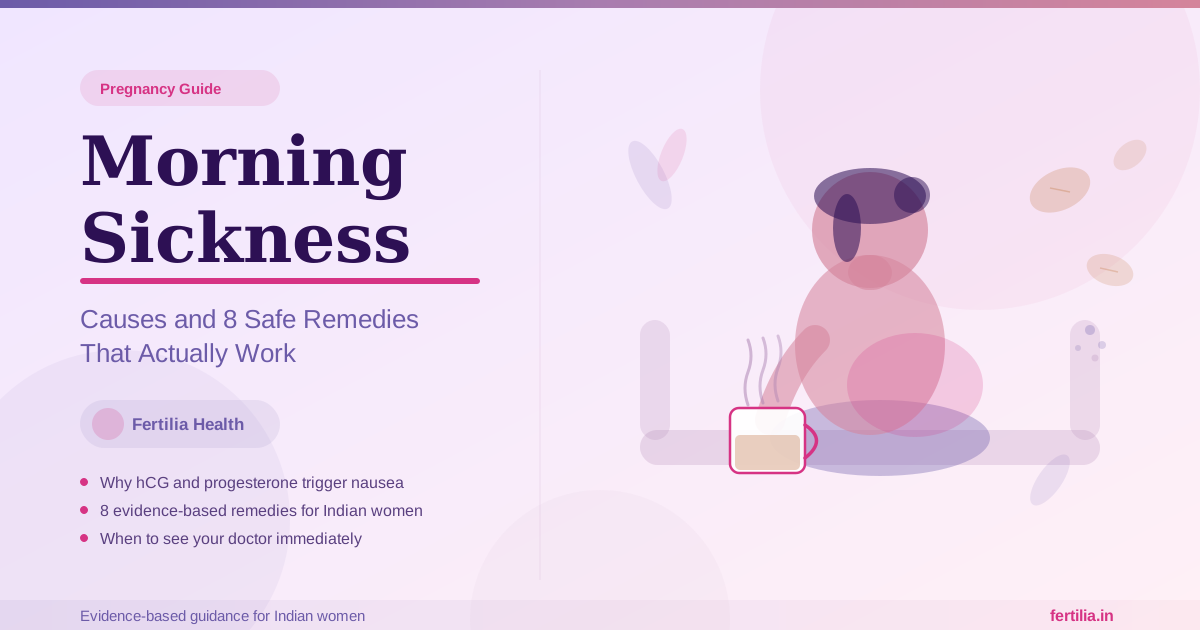
The good news is that most morning sickness resolves on its own, it is rarely dangerous to the baby, and there are safe, practical steps you can take today to feel meaningfully better. This guide covers the science behind why morning sickness happens, when to expect relief, eight evidence-based remedies, and the warning signs that need prompt medical attention.
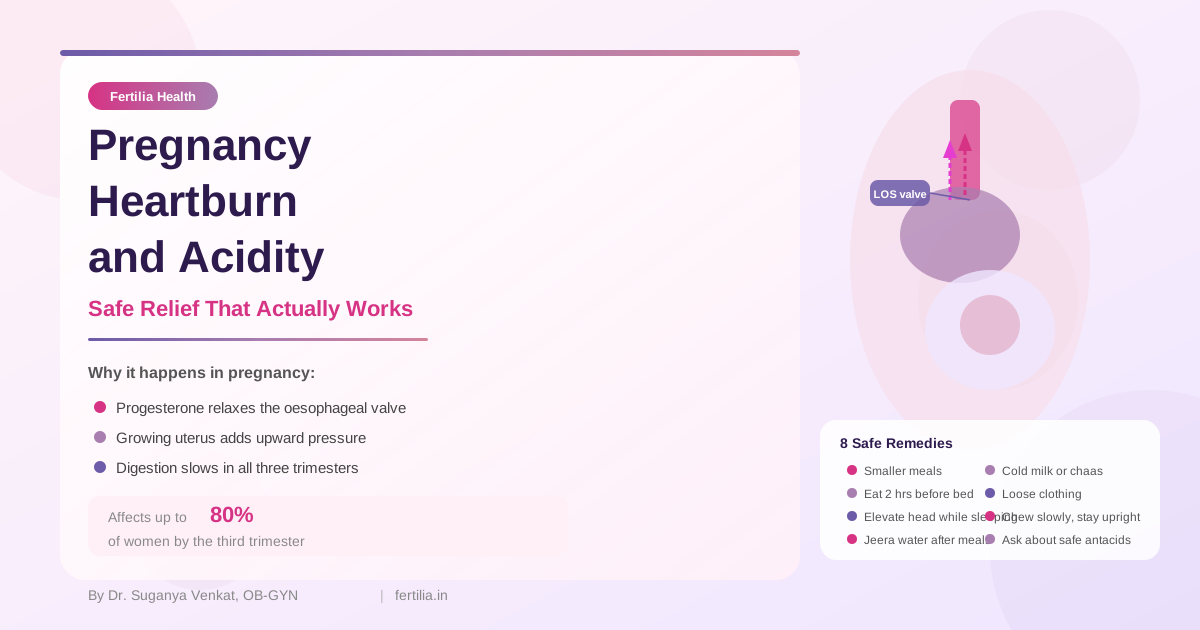
For more on this, read our guide on Pregnancy Heartburn & Acidity.
Why Does Morning Sickness Happen?
Researchers have studied morning sickness for decades and the evidence points to a cluster of hormonal and physiological changes that peak in early pregnancy.
Human chorionic gonadotropin (hCG)
hCG is the hormone that makes your pregnancy test turn positive. It is produced by the developing placenta from implantation onward and rises sharply through the first trimester, peaking around weeks 8 to 10. Research published in the American Journal of Obstetrics and Gynecology found a significant association between hCG levels and the severity of nausea and vomiting. Women carrying twins, who have higher hCG levels, typically experience more pronounced symptoms. This is also why nausea tends to ease from week 10 onward as hCG levels plateau and then gradually fall.
Progesterone and slowed digestion
Progesterone is essential for maintaining the pregnancy and plays a critical role throughout all three trimesters. One of its less welcome effects, however, is slowing the movement of food through the digestive tract. This delayed gastric emptying means food sits in your stomach longer and increases the likelihood of nausea. Acid reflux, a frequent companion to morning sickness, is also partly driven by progesterone relaxing the lower oesophageal sphincter.
Heightened sense of smell
Oestrogen amplifies your sense of smell during pregnancy. Foods, perfumes, and odours that you tolerated without a second thought before can suddenly trigger an immediate wave of nausea. Many women in India find the smell of oil heating or of certain spices particularly difficult in the first trimester. This is not pickiness or a psychological response: it is your nervous system reacting to measurable hormonal shifts.
An evolutionary perspective
Some researchers propose that morning sickness may serve a protective function, reducing intake of foods that could harm the developing embryo during the critical organogenesis window (weeks 6 to 12). This theory, still debated in the literature, helps explain why nausea peaks during the first trimester when organ formation is most sensitive, and why it typically eases once the placenta is more established and able to independently support the pregnancy.
When Does It Start, Peak, and Usually End?
Most women notice morning sickness beginning around week 6, though some experience it as early as week 4. It tends to peak between weeks 8 and 10, when hCG is at its highest. For the majority of women, nausea and vomiting improve significantly by week 14 to 16.
If you are currently in week 7 or 8 and it feels like it will never end, you are at the hardest point. The second trimester typically brings genuine relief. For a complete picture of what each week looks like, our first trimester guide and pregnancy week by week guide are good companions to this post.
A small number of women experience persistent or severe nausea beyond week 20. If this describes you, please speak to your doctor. This may be a condition called hyperemesis gravidarum, which requires specific medical support (more on that below).
8 Safe Remedies That Actually Help
These recommendations are drawn from clinical guidelines, systematic reviews, and what I have seen work reliably for patients in Coimbatore and across India over 15 years of practice.
1. Ginger in any form you can tolerate
Ginger is the most studied natural remedy for pregnancy nausea. A systematic review published in Obstetrics and Gynecology (2005, Borrelli et al.) found that ginger significantly reduced nausea and was well-tolerated throughout the first trimester. You can try it as fresh adrak tea (thin slices simmered in water, strained, with a small squeeze of lime), a small piece of raw ginger chewed slowly, or ginger-lemon water with a pinch of black salt.
Stick to culinary amounts of ginger from food and tea rather than high-dose capsule supplements unless your doctor has specifically prescribed them.
2. Vitamin B6 (pyridoxine) under medical guidance
Vitamin B6 is the first-line pharmacological recommendation from the American College of Obstetricians and Gynecologists (ACOG) for pregnancy-related nausea. A dose of 10 to 25 mg taken two to three times daily has shown consistent benefit in randomised controlled trials. Your OB-GYN can prescribe this safely. Do not self-supplement at high doses: speak to your doctor first, as part of your existing prenatal care alongside your folic acid supplementation. If you are not yet taking folic acid, our guide on folic acid in pregnancy covers the timing and correct dose.
3. Dry crackers or roasted murmura before you get up
An empty stomach makes nausea significantly worse because stomach acid has nothing to work on. Keeping a few plain biscuits, Marie biscuits, dry khakhra, or a small handful of murmura (puffed rice) on your bedside table and eating them before you sit up can meaningfully reduce morning nausea. Eat slowly, in very small amounts, and wait 10 to 15 minutes before getting out of bed.
4. Small meals every 2 hours instead of 3 large ones
Large meals stretch the stomach and increase nausea. Eating a small amount every 2 to 2.5 hours, even if it is just idli, plain toast, or a ripe banana, keeps blood sugar stable and prevents the empty stomach that worsens symptoms. A good starting pattern for Indian women: murmura or Marie biscuits on waking, a light breakfast of idli or upma at 8 AM, a mid-morning snack of banana or coconut water at 10 AM, a half-portion lunch at 12 PM, and so on through the day.
5. Cold food and drinks over hot ones
Hot food carries more odour than cold food, and in pregnancy, odour is often the primary nausea trigger. Cold nimbu pani, chilled coconut water, cold rice with plain curd, or chilled watermelon may be far more tolerable than a freshly cooked meal. There is no nutritional penalty for eating food at room temperature or cooler. Let comfort guide your choices during this phase: you can address nutritional completeness more fully once nausea settles.
6. Saunf (fennel seeds) after meals
Saunf is a traditional Indian after-meal digestive and it genuinely earns its place here. Fennel seeds have well-documented carminative properties, reducing gas and bloating that compound nausea in the first trimester. Chew a small pinch (about half a teaspoon) slowly after eating. You can also steep a teaspoon of saunf in a cup of hot water, strain it, allow it to cool, and sip it slowly. It is safe throughout pregnancy in culinary amounts.
7. Jeera water between meals
Jeera (cumin) water is used across Indian households for digestive complaints, and many pregnant women find it soothing for nausea and bloating between meals. Dry roast a teaspoon of jeera, add to 500 ml of water, bring to a boil, allow it to cool, and sip throughout the day. While specific high-quality trial data in pregnancy is limited, the general safety profile of culinary cumin is well-established and the anecdotal benefit in first trimester nausea management is consistent across my clinical experience.
8. Identify and protect yourself from smell triggers
This is practical rather than pharmacological, but it matters as much as any remedy. Identify your specific nausea triggers (cooking smells, particular foods, vehicle interiors, certain perfumes, the inside of an auto or taxi) and give yourself permission to step away from them. Ask a family member to cook while you rest in another room, keep windows open, and rest in a left-lateral position (on your left side) when lying down. The left-lateral position promotes optimal digestion and reduces acid reflux. You are not being difficult by protecting yourself from triggers. You are managing a legitimate medical symptom.
When Morning Sickness Needs Medical Attention
Standard morning sickness, while unpleasant, does not require hospitalisation. The following symptoms, however, are not typical morning sickness and warrant a same-day call to your doctor or a visit to your nearest clinic:
- Unable to keep any liquid down for more than 24 hours
- Signs of dehydration: dry lips, dark urine, no urination for 8 or more hours, or dizziness when standing
- Weight loss of more than 2 kg since becoming pregnant
- Blood or brown material in vomit
- Persistent nausea continuing well past week 20
This cluster of symptoms may indicate hyperemesis gravidarum (HG), a severe form of pregnancy nausea that affects roughly 1 to 3 percent of pregnancies. HG is not a willpower problem: it is a medical condition with measurable physiological drivers and it can require IV fluids, nutritional support, medication, and in some cases hospitalisation. Women with HG should not be told to simply eat crackers and push through. Effective treatment exists. Please speak to your doctor if this sounds like your situation.
Common Advice That Often Does Not Help
“Push through it and it will pass.” Pushing through severe nausea without any management is neither necessary nor helpful. Safe, effective options exist at every level of severity.
“Eat a heavy meal before bed to prevent morning nausea.” A heavy meal before bed slows digestion further and often worsens nausea the following morning. A small, plain snack is a better option.
“Spicy Indian food settles the stomach.” Spicy food can irritate the stomach lining and worsen both nausea and acid reflux in the first trimester. Plain, mild foods (idli, plain rice, toast, banana) are typically better tolerated.
“It is all in your head.” Morning sickness has a clear physiological basis. The hormonal changes driving it are measurable and well-documented. It is not psychological and it is not a reflection of how you feel about your pregnancy.
Practical Takeaways
- Put dry crackers or murmura on your bedside table tonight. Eat a small amount before sitting up tomorrow morning.
- Split your meals into 5 to 6 small portions instead of 3 large ones. Set a reminder on your phone every 2 hours.
- Keep a glass of cold nimbu pani or coconut water in the fridge for the moments nausea spikes.
- Ask your OB-GYN about Vitamin B6 supplementation at your next visit. It is safe, well-studied, and effective.
- Note your specific smell triggers and share them with your family so they can adjust how they cook and what they bring into shared spaces.
If you are in the Fertilia Pregnancy Support Program, your trimester-wise plan already includes nausea management guidance and regular check-ins. Reach out to your coordinator for an early review if nausea is significantly affecting your daily functioning.
Frequently Asked Questions
Does morning sickness mean the baby is healthy?
Yes, a presence of nausea in the first trimester is associated with a lower risk of miscarriage in several observational studies, including research by Weigel and Weigel (BJOG, 1989) and a systematic review by Koren et al. (Reproductive Toxicology, 2014). This association is thought to reflect healthy placental function and rising hCG levels. However, the absence of morning sickness does not indicate a problem. Many women have healthy pregnancies with minimal or no nausea. Do not use nausea as a proxy for your pregnancy’s health: rely on your ultrasound and blood tests for that.
Is it safe to take anti-nausea medication during pregnancy?
Yes. Several medications are considered safe in pregnancy when prescribed by your doctor. These include Vitamin B6 alone, metoclopramide, and in some cases, antihistamines such as doxylamine (where available). Do not self-medicate without your OB-GYN’s guidance, but equally, do not suffer through severe nausea unnecessarily. Safe prescription options exist, and your doctor can help you choose the right one based on the severity of your symptoms.
Can morning sickness harm the baby if I am not eating much?
For most women, short-term reduced food intake in the first trimester does not harm the baby. The developing baby draws on your maternal reserves during this stage, and the placenta prioritises the baby’s nutritional needs over your own. What matters more than solid food at this stage is staying hydrated. Your prenatal vitamin or folic acid supplement provides key micronutrients during the weeks you are not eating normally. Speak to your doctor if you are not keeping anything down at all.
When is morning sickness classified as hyperemesis gravidarum?
Hyperemesis gravidarum (HG) is diagnosed when nausea and vomiting are severe enough to cause dehydration, significant weight loss (typically defined as more than 5 percent of pre-pregnancy body weight), and require medical intervention such as IV fluids or hospitalisation. HG affects roughly 1 to 3 percent of pregnancies. If you suspect HG, please contact your doctor or visit your nearest hospital rather than trying to manage it at home.
Will morning sickness return in the second or third trimester?
For the majority of women, morning sickness resolves by week 14 to 16 and does not return. A small number experience intermittent nausea in the second trimester, often triggered by specific foods or fatigue. Third trimester nausea is typically related to the growing uterus pressing on the stomach or to acid reflux rather than hCG-driven nausea, and is managed differently. If you experience new or worsening nausea after the first trimester, mention it to your doctor at your next check-up.
I cannot keep my prenatal vitamins down. What should I do?
Take your prenatal vitamin or folic acid tablet with the meal or snack that your stomach tolerates best, even if that is a small bedtime snack rather than breakfast. Some women find iron-containing vitamins harder to tolerate because iron can irritate the stomach. Ask your doctor whether a separate folic acid tablet (without iron) might be better tolerated in the first trimester, with iron added back in the second trimester once nausea typically eases. Never stop your folic acid entirely: speak to your doctor if you cannot keep it down.
Is jeera water or saunf tea safe throughout the first trimester?
Yes, both are safe in culinary amounts throughout the first trimester and the rest of pregnancy. Jeera (cumin) and saunf (fennel) have long safety records as food ingredients and traditional digestive aids. Avoid concentrated extracts or supplement-dose formulations during pregnancy without medical guidance, but regular use as a tea or after-meal digestive is considered safe.
Dr. Suganya Venkat is a DNB-qualified OB-GYN at GKNM Hospital, Coimbatore, with an MD in Pathology from CMC Vellore and 5 Gold Medals from SRMC. She has 15 years of clinical experience in obstetrics and gynaecology.