You just saw two lines on a home pregnancy test. Or your blood work confirmed it. Either way, the first thought most women have after the joy settles is: What do I do now?
The first trimester covers weeks one through twelve of pregnancy. It is the most significant developmental stretch your baby will ever go through, and also the period when most women feel the most uncertain. Symptoms can be overwhelming, appointments feel sparse, and nobody has given you a clear sequence for what happens next.
For more on this, read our guide on Early Pregnancy Symptoms. This guide is that sequence. Clear, clinical, and India-relevant.
Here is what we will cover:
- What is happening in your body during weeks one through twelve
- The scans and blood tests to expect, and exactly when to schedule them
- Common symptoms and why they happen
- Signs that warrant a call to your doctor
- How to support your body through these twelve weeks
Weeks 1 to 4: Before You Know It Is Happening
Medically, pregnancy is counted from the first day of your last menstrual period, not from conception. During weeks one and two, you are technically not yet pregnant. Ovulation and fertilisation happen around week two, and the fertilised egg travels down the fallopian tube over the next five to six days before implanting in the uterine lining.
For more on this, read our guide on Pregnancy Week by Week. By week four, the embryo is the size of a poppy seed. Human chorionic gonadotropin (hCG) is being produced and rising rapidly. A home pregnancy test will return a positive result for most women from the day of a missed period. For guidance on reading your test correctly, see our home pregnancy test guide.
What you might feel during weeks 1 to 4: Light spotting around ten to fourteen days after ovulation (implantation bleeding), mild cramping similar to period cramps, early breast tenderness, or nothing at all. Many women have no symptoms at all during these first weeks. That is completely normal.
Weeks 5 to 8: When Symptoms Arrive
This is the window when most women realise something is different. hCG levels are now rising sharply, doubling every 48 to 72 hours in a healthy pregnancy. Progesterone is high and climbing. Both hormones are doing important work, and both contribute to the symptoms women feel most acutely during this period.
What is happening in the baby: By week six, a heartbeat is visible on ultrasound (around 90 to 110 beats per minute). The neural tube, which becomes the brain and spinal cord, is forming. The limb buds are appearing. The baby’s face is beginning to take shape at a cellular level.
Common symptoms during weeks 5 to 8:
- Nausea (with or without vomiting): Triggered by rising hCG. Peaks around weeks 8 to 10 for most women. Eating small amounts frequently, dry roasted chana, plain rice, or dry poha, helps keep blood sugar stable and reduces severity.
- Fatigue: Progesterone has a sedating effect, and your body is simultaneously building a placenta from scratch. Rest during this period is not optional.
- Breast tenderness: The glands in your breasts are beginning to prepare for lactation. The tenderness is real and often significant.
- Frequent urination: Your kidneys are filtering extra blood volume, and the growing uterus puts early pressure on the bladder.
- Food aversions or cravings: Very common. If you cannot tolerate your usual dal or sabzi, focus on whatever you can eat and keep your prenatal supplements going.
- Heightened sense of smell: Another hCG-driven effect. It almost always eases as the first trimester ends.
A very important point: the intensity of your symptoms does not indicate how healthy your pregnancy is. Some women feel terrible for twelve weeks. Others feel almost nothing. Both are normal.
Weeks 9 to 12: The Final Stretch
By week nine, the embryo is technically a fetus. All major organ systems have been established. The next three weeks are about growth and refinement, not new construction.
By week twelve, the baby is approximately 5 to 6 cm and weighs around 14 grams. The risk of miscarriage drops significantly after a heartbeat is confirmed and fetal size is on track at the 11 to 12 week scan.
For many women, symptoms begin to ease around week ten to twelve as hCG levels plateau. Nausea that has been constant for weeks often begins to lift. Energy starts to return.
If you are experiencing persistent white discharge during this period, see our guide on pregnancy discharge for what is normal and what needs checking.
First Trimester Tests: What You Need, When, and Why
This is the part most women are unclear on, because the timing matters. Missing a screening window means you cannot recover that information in the same trimester.
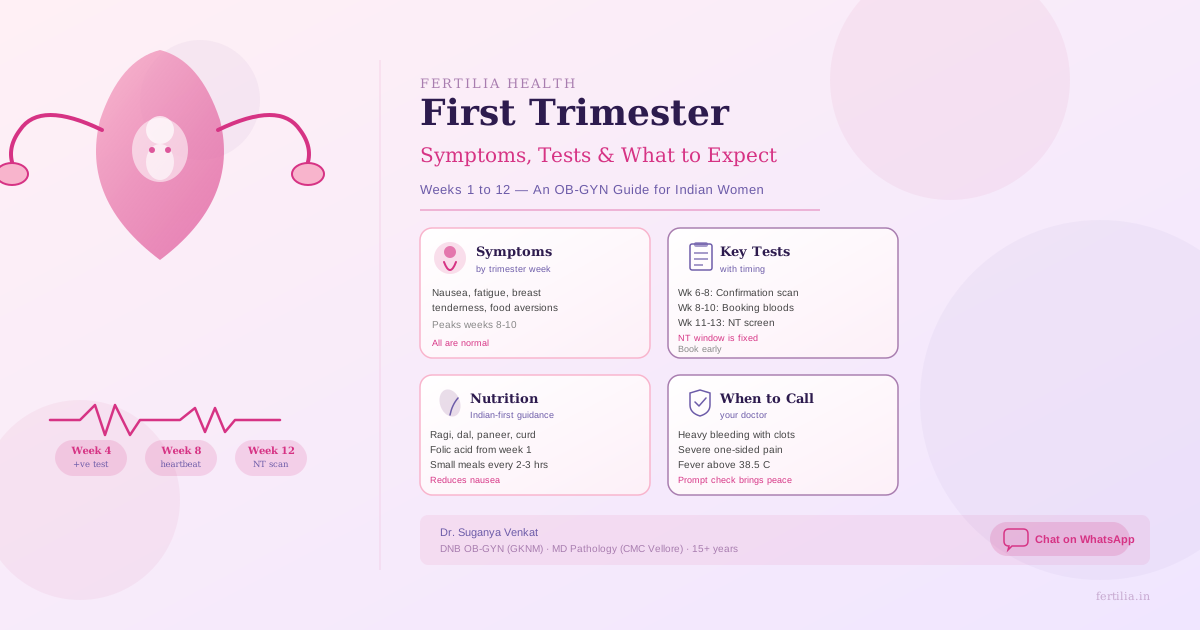
Confirmation Scan (Weeks 6 to 8)
This is usually your first ultrasound. It confirms the pregnancy is intrauterine (inside the uterus, not in a fallopian tube), identifies whether there is one or more than one embryo, and confirms a fetal heartbeat.
If your doctor asks you to wait until week seven or eight, that is the right call. Scanning too early (week five, for example) often does not show a heartbeat yet and creates anxiety that a follow-up scan resolves. Week seven is the earliest reliable heartbeat window.
Booking Blood Tests (Weeks 8 to 10)
Your first antenatal blood panel typically includes:
- Complete blood count (CBC): Checks for anaemia, which is very common in Indian women
- Blood group and Rh factor: Determines whether you are Rh negative, which affects management throughout pregnancy
- HIV, HBsAg (hepatitis B), VDRL (syphilis): Routine screening, required for antenatal registration across India
- Thyroid (TSH): Thyroid function must be optimal for fetal brain development. Undiagnosed hypothyroidism is common in Indian women, so this test matters even if you have no prior thyroid history
- Rubella IgG: Determines whether you are immune to rubella
- Random blood sugar: Initial screen for gestational diabetes risk
- Urine routine: Checks for protein, infection, and glucose
At this visit, you will also register for the Maternal and Child Protection (MCP) card, which tracks your antenatal care through delivery. Under the Pradhan Mantri Surakshit Matritva Abhiyan (PMSMA), free specialist antenatal check-ups are available on the 9th of every month at government health facilities.
First Trimester Screening (Weeks 11 to 13+6)
This is the most important screening window of the entire first trimester. It combines:
- NT scan (nuchal translucency scan): An ultrasound that measures the fluid at the back of the baby’s neck. A measurement below 3.0 mm is considered normal; measurements at or above 3.0 mm are assessed further in combination with blood markers and your age. This scan also checks for the nasal bone and the baby’s overall structural development.
- PAPP-A and free beta-hCG blood test: Maternal blood markers that, combined with the NT measurement and your age, give a risk estimate for chromosomal conditions including Down syndrome (trisomy 21), Edwards syndrome (trisomy 18), and Patau syndrome (trisomy 13).
The combined first trimester screen gives a risk ratio, not a diagnosis. A high-risk result means more tests may be offered, not that something is confirmed wrong. Your doctor will explain what the numbers mean in the context of your specific results.
This window is fixed. The NT scan cannot be done before week eleven or after 13 weeks and 6 days. Schedule it at your booking appointment so it does not get missed.
NIPT (Non-Invasive Prenatal Testing)
NIPT is an optional blood test available from week ten onwards. It analyses fetal DNA circulating in your bloodstream to screen for chromosomal abnormalities with higher sensitivity than the combined first trimester screen. It does not diagnose, but it is very accurate. It is typically offered to women over 35, those with an abnormal NT result, or anyone who wants higher confidence before the 20-week scan.
NIPT is available privately in Coimbatore and Chennai. Costs range from approximately ₹8,000 to ₹25,000 depending on the panel ordered.
For context on what your hCG numbers mean throughout the first trimester, see our beta-hCG levels guide.
If you have just found out you are pregnant and are not sure which tests to prioritise, or if you want a structured first trimester plan, I am happy to guide you.
Talk to Dr. Suganya on WhatsApp
Warning Signs That Warrant a Call to Your Doctor
These do not mean something is definitely wrong. They mean you need to be examined promptly so the right assessment can happen:
- Heavy bleeding (more than light spotting, with or without clots)
- Severe, one-sided abdominal pain that does not ease in a few minutes
- High fever (above 38.5 degrees Celsius)
- No fetal heartbeat confirmed after week seven when a transvaginal scan has been done with adequate technique
- Symptoms suggesting ectopic pregnancy: shoulder tip pain, sudden dizziness, or collapse (see our ectopic pregnancy guide for the full clinical picture)
The vast majority of first trimester pregnancies progress smoothly. Knowing what to watch for means you act quickly on the small number of cases that need prompt attention.
How to Support Your Body Through the First Trimester
Nutrition
You do not need to eat dramatically differently in the first trimester, but steady, nutrient-dense eating makes a real difference to how you feel.
- Small frequent meals: Every 2 to 3 hours, even small amounts. An empty stomach significantly worsens nausea.
- Dry foods for morning nausea: Dry roasted chana, plain rice crackers, dry poha. Keep something by the bed so you can eat before you stand up.
- Protein at every meal: Dal, eggs, paneer, curd. Protein stabilises blood sugar and reduces nausea throughout the day.
- Iron-rich foods: Ragi, horse gram, spinach, beetroot. Pair with a source of vitamin C (lemon, tomato, amla) to improve absorption.
- Hydration: Coconut water, jeera water, buttermilk. Good hydration helps with fatigue, headaches, and first trimester constipation.
For the complete trimester-by-trimester Indian food guide, see our pregnancy diet chart.
Supplements
Start or continue these immediately:
- Folic acid (400 to 800 mcg daily): Critical through week twelve for neural tube formation. Read exactly when to start and which form to take.
- Vitamin D3: Most Indian women are deficient, and vitamin D plays a direct role in fetal bone development and immune function.
- Iron and calcium: Your doctor will prescribe these after reviewing your booking blood panel.
Rest and Gentle Movement
First trimester fatigue is significant and real. Eight hours of sleep at night and a rest period in the afternoon is appropriate and useful during this phase. Your body is building an entire placenta alongside the embryo itself.
Gentle walking (20 to 30 minutes daily) and light yoga are safe and support circulation, mood, and sleep. High-impact activity, heavy lifting, and intense core exercises are best paused until your 12-week scan confirms everything is on track.
What One Fertilia Patient Said
One of our patients, who completed the Fertilia Pregnancy Support Program after a difficult fertility journey, shared this at her baby’s two-month check-in:
“My pregnancy and delivery journey were smooth because of you.”
That is what close monitoring and a clear plan deliver: not just a healthy outcome, but a pregnancy you can move through with confidence rather than uncertainty.
Frequently Asked Questions
When should I have my first appointment after a positive test? Ideally between weeks 7 and 9. This timing allows for heartbeat confirmation, booking blood tests, antenatal registration, and a conversation about your supplement plan, all before the critical first trimester screening window at weeks 11 to 13.
My nausea is so severe I can barely eat. Is my baby getting enough? Yes, in almost all cases. The embryo in the first trimester is tiny and its nutritional needs are met by your body’s existing reserves. The most critical nutrient right now is folic acid, which comes from your supplement, not from calories. Eat whatever you can tolerate. If you cannot keep any fluids down for more than 24 hours, call your doctor for assessment.
I had light spotting at week 6. Is that normal? Light spotting in the first trimester has several causes: continued implantation, cervical sensitivity from increased blood flow, or spotting after intercourse. It can also be the first sign of a miscarriage or ectopic pregnancy. The way to distinguish between these is an ultrasound. Call your doctor rather than waiting. Do not try to interpret spotting on your own.
Is the NT scan mandatory? It is not legally mandatory, but it is strongly recommended. It is the only reliable window to assess chromosomal risk in the first trimester, and that window closes permanently at 13 weeks and 6 days. Missing it means waiting until the second trimester anomaly scan (around week 20), which gives different information.
Can I travel during the first trimester? Short domestic travel by car or train is generally safe in the first trimester. Long-haul flights are best discussed with your doctor, as cabin air dehydration and limited mobility are real factors. Travel to areas requiring live vaccines or anti-malarial medications should be avoided during pregnancy.
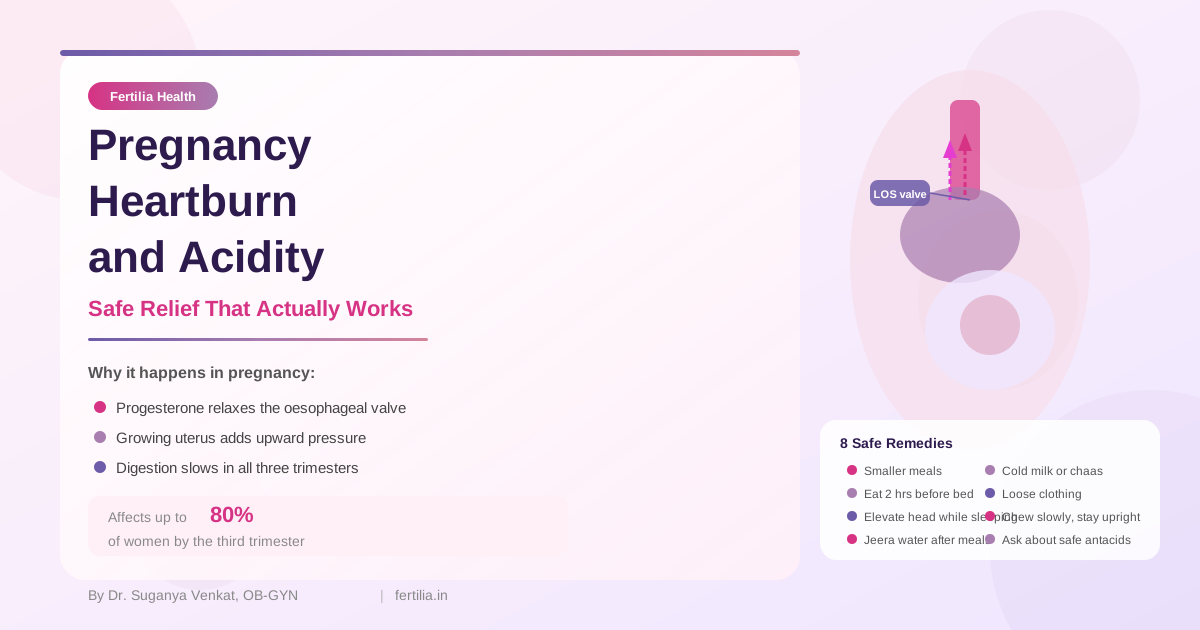
For more on this, read our guide on Pregnancy Heartburn & Acidity. I have PCOS. Does my first trimester management change? PCOS pregnancies carry modestly higher rates of gestational diabetes and pregnancy-induced hypertension, so your doctor will typically monitor blood sugar and blood pressure more frequently from early on. A booking panel that includes fasting glucose (not just random blood sugar) and a careful thyroid check is especially important. Outcomes with close monitoring are excellent.
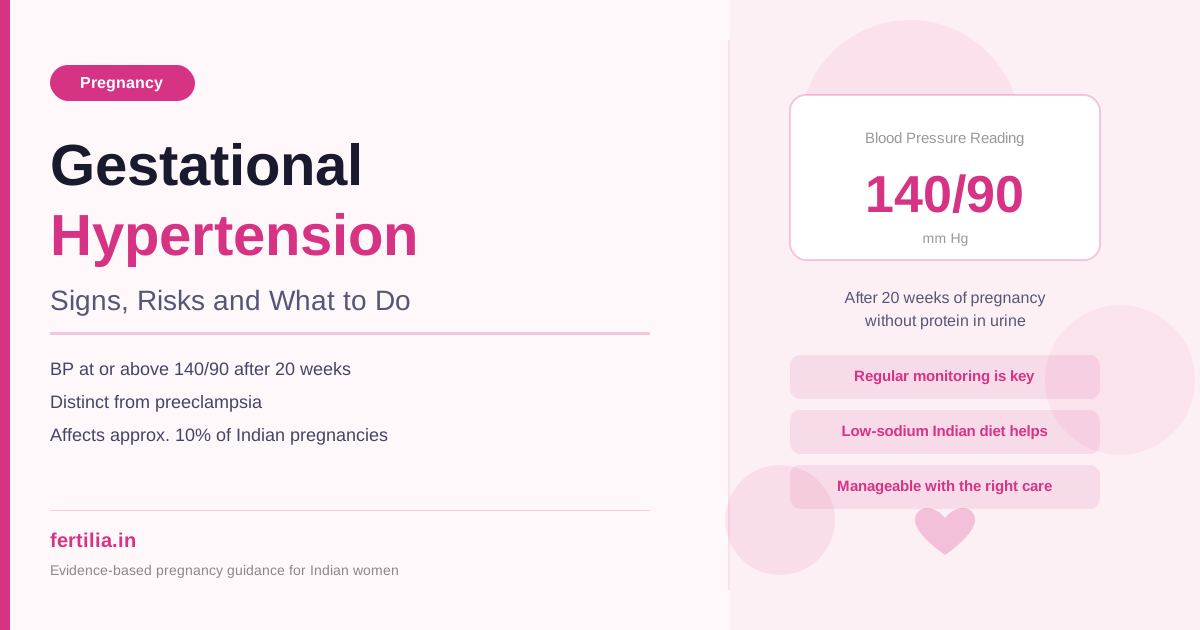
For more on this, read our guide on Gestational Hypertension. Do first trimester symptoms predict a healthy pregnancy? No. The intensity of symptoms does not correlate with pregnancy health. Women with very strong symptoms and women with almost no symptoms both deliver healthy babies. If you have concerns about a sudden disappearance of symptoms after they were strong, an ultrasound provides reassurance more reliably than any symptom pattern.
The first trimester is twelve weeks of significant change and, for many women, significant uncertainty. The antidote to uncertainty is a clear plan: know your tests, know your timeline, and have a doctor who monitors you closely at each stage.
If you would like a personalised first trimester antenatal plan, or have specific questions about your scans or blood results, reach out directly on WhatsApp.