“Doctor, what should I eat?”. This is the single most common question we hear from pregnant women. And understandably so. Between conflicting family advice, internet myths, food aversions, and genuine concern for the baby, pregnancy nutrition can feel overwhelming.
Here’s the truth: you don’t need exotic superfoods or expensive supplements. A well-planned Indian diet can provide everything you and your baby need for a healthy pregnancy. This guide breaks it down trimester by trimester.
For more on this, read our guide on Pregnancy Yoga.
Pregnancy Nutrition: The Basics
Before diving into trimesters, here are some foundational principles:
- Calorie needs increase modestly: about 340 extra calories/day in the second trimester and 450 in the third (ACOG Committee Opinion No. 548, Obstetrics & Gynecology, 2013). That’s roughly one extra roti with sabzi and dal
- Quality matters more than quantity: focus on nutrient density, not eating for two
- Hydration is critical: aim for 2.5-3 litres of water daily
- Eat every 2-3 hours: small, frequent meals prevent nausea and maintain blood sugar
- Listen to your body: food aversions are real and valid
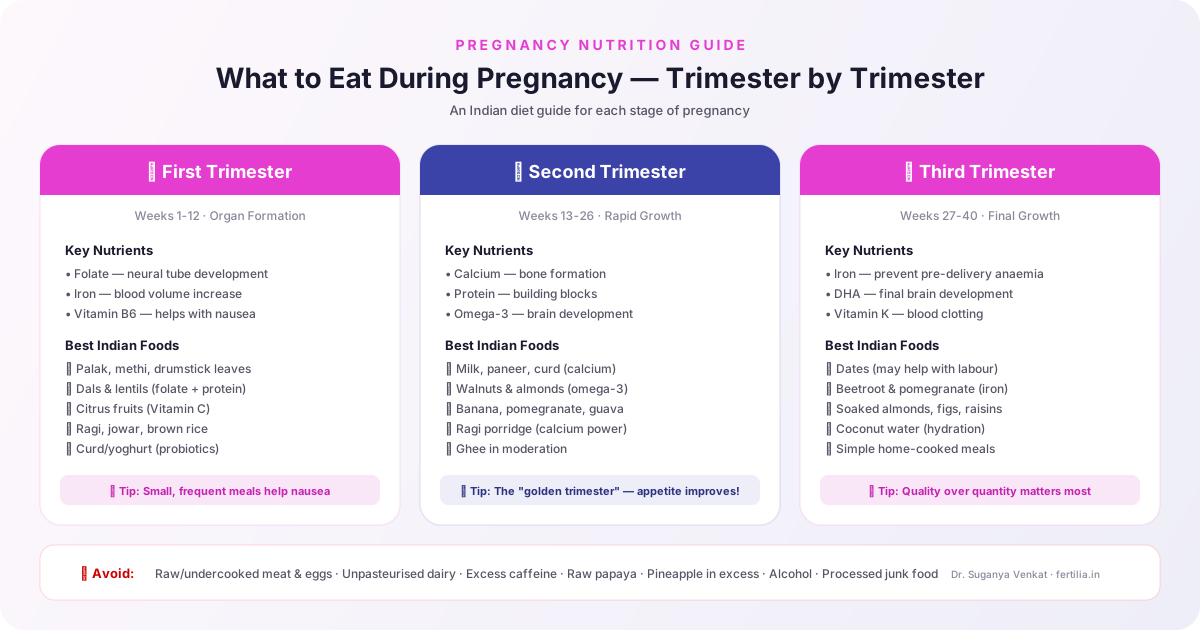
First Trimester (Weeks 1-12): Building the Foundation
This is when the baby’s neural tube, heart, and major organs are forming. It’s the most critical period for certain nutrients, even though the baby is still tiny.
Priority Nutrients
Folate (Folic Acid): The single most important nutrient in early pregnancy. Adequate folate reduces the risk of neural tube defects (like spina bifida) by up to 70% (MRC Vitamin Study Research Group, The Lancet, 1991).
- Sources: palak, methi, drumstick leaves, dals, moong, citrus fruits
- Supplement: 400-800 mcg daily (ideally started before conception)
Iron: Blood volume begins increasing from the first trimester. Iron deficiency is extremely common in Indian women.
- Sources: beetroot, dates, jaggery, ragi, garden cress seeds (halim), lentils
- Pair with Vitamin C (lemon, amla) to improve absorption
Vitamin B6: Can help manage nausea and vomiting.
- Sources: banana, potato, chickpeas, sunflower seeds
Sample Day (First Trimester)
| Meal | What to Eat |
|---|---|
| Early morning | Dry toast/rusk + ginger tea |
| Breakfast | Ragi porridge with nuts + banana |
| Mid-morning | Buttermilk + 5 soaked almonds |
| Lunch | Brown rice + dal + palak sabzi + curd |
| Evening snack | Fruit chaat with chaat masala + coconut water |
| Dinner | 2 rotis + paneer/egg bhurji + mixed veg |
| Bedtime | Warm milk with a pinch of turmeric |
Managing First Trimester Nausea
- Keep dry crackers or Marie biscuits by your bedside, eat before getting up
- Try jeera water, ginger tea, or lemon water
- Avoid cooking smells if they trigger nausea, ask for help
- Don’t force large meals, several small ones work better
- Cold foods are often better tolerated than hot ones
Reassurance: If you can barely eat anything in the first trimester due to nausea, don’t panic. The baby draws nutrients from your existing reserves. Focus on staying hydrated and eating whatever you can keep down.
Second Trimester (Weeks 13-26): The Growth Phase
Often called the “golden trimester”, nausea usually subsides, energy returns, and appetite improves. This is when the baby grows rapidly and bone, brain, and organ development accelerate.
Priority Nutrients
Calcium: Baby’s bones and teeth are forming. If your diet doesn’t provide enough, calcium is pulled from your bones, a deficit that compounds later when menopause accelerates bone loss.
- Sources: milk, curd, paneer, ragi (one of the highest plant calcium sources), sesame seeds, nachni
- Need: 1000 mg/day (ICMR-NIN Recommended Dietary Allowances for Indians, 2020)
Protein: The building block for your baby’s growing tissues and your expanding blood supply.
- Sources: eggs, fish (low mercury varieties), paneer, tofu, dals, sprouts, nuts
- Need: 60-70 grams/day
Omega-3 Fatty Acids (DHA): Critical for baby’s brain and eye development.
- Sources: walnuts, flaxseeds, chia seeds, fatty fish (salmon, sardines)
- Supplement if vegetarian: algae-based DHA
Fibre: Constipation is extremely common in the second trimester due to progesterone slowing digestion.
- Sources: whole grains, fruits with skin, vegetables, isabgol (psyllium)
Sample Day (Second Trimester)
| Meal | What to Eat |
|---|---|
| Breakfast | Moong dal cheela with mint chutney + glass of milk |
| Mid-morning | Fruit bowl (pomegranate, guava, apple) + walnuts |
| Lunch | Jowar roti + rajma/chole + cucumber raita + salad |
| Evening snack | Ragi ladoo + coconut water |
| Dinner | Rice + fish curry/paneer tikka + mixed dal + sabzi |
| Bedtime | Warm milk with soaked almonds and a date |
Want a personalised pregnancy meal plan? Dr. Suganya’s nutritionists create trimester-specific plans using Indian foods you actually enjoy, tailored to your dietary preferences and health needs.
Third Trimester (Weeks 27-40): The Final Stretch
Baby is gaining weight rapidly, about 200 grams per week. Your calorie and nutrient needs are at their highest. Focus on iron to prevent delivery-related anaemia and DHA for final brain development.
Priority Nutrients
Iron: Anaemia at delivery increases risk of complications. Get your haemoglobin checked regularly.
- Sources: beetroot, pomegranate, dates, jaggery, moringa (drumstick) leaves, black sesame
- Cook in iron kadai/tawa for additional iron
Vitamin K: Supports blood clotting, important for delivery.
- Sources: green leafy vegetables, broccoli, green beans
DHA: The final trimester sees the most rapid brain development.
- Continue omega-3 sources or supplements
Foods That May Support Labour Preparation
While evidence is still emerging, several studies suggest:
- Dates: Eating 6 dates/day in the last 4 weeks may support cervical ripening (Al-Kuran et al., 2011, Journal of Obstetrics and Gynaecology)
- Raspberry leaf tea: Some evidence for uterine toning (consult your doctor before starting)
- Ghee: Traditional Indian practice; moderate ghee supports digestion and provides healthy fats
Sample Day (Third Trimester)
| Meal | What to Eat |
|---|---|
| Early morning | Soaked almonds + 2-3 dates + warm water |
| Breakfast | Idli/dosa with sambar + coconut chutney + egg |
| Mid-morning | Pomegranate juice + mixed nuts |
| Lunch | Rice + dal + drumstick sambar + beetroot poriyal + curd |
| Evening snack | Ragi porridge / dry fruit ladoo + coconut water |
| Dinner | 2 rotis + palak paneer/chicken + mixed veg + salad |
| Bedtime | Warm milk with a pinch of saffron |
Foods to Completely Avoid During Pregnancy
Some foods carry real risks and should be avoided throughout pregnancy:
- Raw or undercooked meat, eggs, and seafood: risk of salmonella and toxoplasmosis
- Unpasteurised dairy: risk of listeria
- Raw papaya and excess pineapple: contain enzymes that may cause uterine contractions
- High-mercury fish: shark, swordfish, king mackerel
- Alcohol: no safe amount during pregnancy
- Excess caffeine: limit to 200 mg/day (ACOG Committee Opinion No. 462; WHO, 2016), about 1 cup of coffee
- Processed and junk food: excess sodium, trans fats, empty calories
Common Pregnancy Nutrition Myths (Debunked)
“Eat for two”: You need about 300 extra calories, not double your intake.
“Avoid ghee completely”: Moderate ghee (1-2 tsp/day) is actually beneficial, it provides fat-soluble vitamins and supports digestion.
“Saffron will make the baby fair”: Skin colour is determined by genetics, not food. However, saffron in warm milk can help with mood and sleep.
“Avoid fish entirely”: Low-mercury fish is excellent for DHA. Just avoid high-mercury varieties.
“Coconut water causes cold”: No scientific basis. Coconut water is an excellent source of hydration and electrolytes.
A Note on Weight Gain
Healthy weight gain during pregnancy is normal, necessary, and expected. General guidelines:
| Pre-pregnancy BMI | Recommended Total Gain |
|---|---|
| Underweight (< 18.5) | 12.5-18 kg |
| Normal (18.5-24.9) | 11.5-16 kg |
| Overweight (25-29.9) | 7-11.5 kg |
| Obese (> 30) | 5-9 kg |
(Institute of Medicine, 2009, “Weight Gain During Pregnancy: Re-examining the Guidelines”)
Focus on the quality of what you eat, not restricting calories. Your body knows what it’s doing.
The Bottom Line
Pregnancy nutrition doesn’t need to be complicated. Eat a variety of home-cooked Indian foods, stay hydrated, take your prescribed supplements, and listen to your body. The traditional Indian kitchen (with its dals, greens, whole grains, curd, and spices) is already one of the most nutrient-dense cuisines in the world.
Trust the process, nourish yourself well, and enjoy this journey.
Planning to prepare for delivery? Our postpartum recovery guide covers what comes next. And if you’re still trying to conceive, here’s how to boost fertility naturally.
Frequently Asked Questions
Can I eat non-veg during pregnancy?
Yes, well-cooked chicken, fish, eggs, and mutton are excellent protein sources during pregnancy. Avoid raw or undercooked meat, raw fish (sushi), and limit high-mercury fish (shark, swordfish, king mackerel). Freshly cooked seafood 2-3 times a week is beneficial.
Is it true I should avoid papaya and pineapple?
Ripe papaya is safe in moderate amounts. Raw/unripe papaya contains papain which may cause contractions, avoid it. Pineapple in normal food quantities is fine. You’d need to eat enormous amounts for it to cause any issue.
How do I manage morning sickness and still eat well?
Eat small, frequent meals. Dry crackers or toast before getting out of bed. Ginger tea or sukku water helps. Don’t worry about perfect nutrition in the first trimester, eat what you can keep down. The baby draws from your reserves. It gets easier by week 14-16.
Do I really need prenatal vitamins if I eat well?
Yes. Even the best diet can’t guarantee adequate folic acid (critical for neural tube development), iron (needs double during pregnancy), and vitamin D (most Indian women are deficient). Prenatal vitamins are insurance, not a replacement for good food.
How much water should I drink during pregnancy?
At least 2.5-3 litres daily. More in summer or if you’re active. Dehydration can cause headaches, constipation, and even premature contractions. Buttermilk, coconut water, and soups all count toward your fluid intake.
Is ghee good during pregnancy?
Yes, in moderation (1-2 teaspoons daily). Ghee contains fat-soluble vitamins (A, D, E, K) and butyrate which supports gut health. The old practice of drinking ghee to “ease delivery” in the 9th month is not evidence-based, but moderate ghee in cooking is perfectly healthy.
How many extra calories do I need during pregnancy?
First trimester: no extra calories needed (focus on nutrient quality, not quantity). Second trimester: approximately 340 extra calories/day. Third trimester: approximately 450 extra calories/day. “Eating for two” is a myth. You need about 15-20% more food, not double. An extra roti with dal and sabzi covers most of it.
Is it safe to drink tea and coffee during pregnancy?
Moderate caffeine (200mg/day or less) is considered safe. That’s about 1-2 cups of tea or 1 small cup of coffee daily. Avoid drinking tea or coffee with meals, as they block iron absorption. Switch to herbal options like ginger tea or jeera water if you want to reduce caffeine.
What foods should I completely avoid during pregnancy?
Avoid: raw or undercooked eggs and meat, unpasteurised milk and cheese, raw papaya and pineapple in large amounts (first trimester), excess ajinomoto/MSG, alcohol completely, raw sprouts (risk of bacterial contamination), and fish with high mercury levels. Most traditional Indian home-cooked food is perfectly safe.
Eat Right for You and Your Baby
Every pregnancy is different. Dr. Suganya’s team creates personalised meal plans by trimester, using Indian foods, addressing your specific concerns (gestational diabetes, low haemoglobin, vegetarian needs).
₹399 consultation · Trimester-specific plan · Ongoing support
Related Reading
- Normal Delivery Tips: What Actually Helps, nutrition in the third trimester directly impacts delivery readiness
- Implantation Bleeding: Signs, Timing & What to Expect, the earliest signs of pregnancy
- After Delivery Care: Complete Recovery Guide, nutrition continues to matter after the baby arrives
- Postpartum Depression: Signs, Support & Recovery, how nutrition supports mental health postpartum
- PCOS-Friendly Indian Breakfast Ideas, if you have PCOS and are now pregnant, these staples adapt well
- Nutrition Mistakes Indian Women Make, common gaps that matter even more during pregnancy