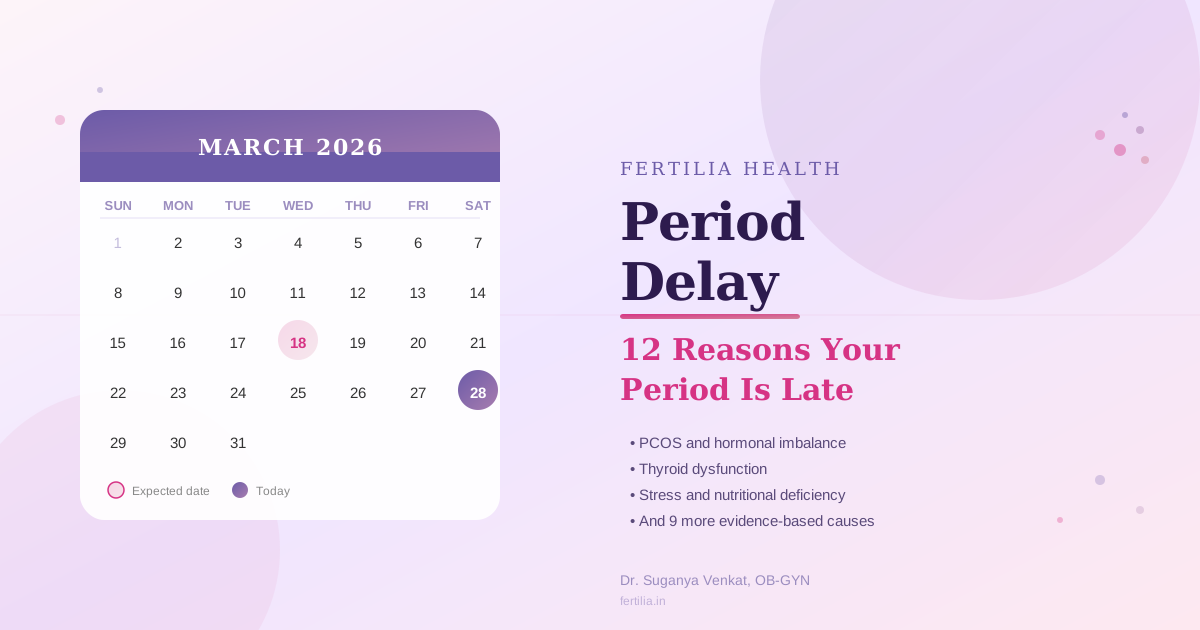
Your period was due on Tuesday. It is now Friday of the following week. The pregnancy test is negative. And you are left wondering what is actually going on.
This is one of the most common questions at Fertilia: “Why is my period late if I am not pregnant?”
The answer matters because a delayed period is rarely just a delayed period. It is your body flagging something about your hormonal health. The cause could be simple, a stressful month or a big change in how you are eating or exercising. Or it could point to something that is worth properly investigating, like PCOS or thyroid dysfunction.
This guide walks you through 12 evidence-based reasons for a late period, how to figure out which one applies to you, and what to do next.
What “Delayed” Actually Means
A normal menstrual cycle runs between 21 and 35 days. Day 1 of your period marks the start of each cycle. “Late” means different things depending on where you normally land in that range:
- If your cycles are typically 28 days and your period is 7 or more days overdue, it is considered delayed.
- If your total cycle length has stretched beyond 35 days, it is delayed regardless of your personal average.
- If you have not had a period in 90 or more days and you are not pregnant, that is classified as amenorrhea, which needs medical evaluation.
A single one-off late period after an unusually stressful month or major life change is not unusual. It is the pattern that matters. Two or more consecutive delayed cycles deserve investigation.
12 Reasons Your Period Is Late
1. Pregnancy
The most obvious starting point, and the first to rule out. A home pregnancy test detects hCG (the pregnancy hormone) from the day your period was due. A negative result on that day is reliable for most women, though a test taken a few days early can occasionally miss a very early pregnancy.
If the result is negative but your period still has not arrived a week later, test again using first morning urine. A blood hCG test (done at any lab) is more sensitive than a urine strip and can confirm or rule out pregnancy with greater confidence.
2. PCOS (Polycystic Ovary Syndrome)
PCOS is one of the most common hormonal conditions affecting Indian women, and irregular or delayed periods are often the first sign. It disrupts the hormonal signalling that drives ovulation. Without ovulation, the hormonal sequence that eventually triggers a period either does not start or starts very late. If you want to see what this looks like in practice, Harini’s story, a 15-year-old who had no periods for 5 months, is one of the most striking examples we’ve published.
The Rotterdam Criteria define PCOS as having at least two of three features: irregular or absent ovulation, clinical or biochemical signs of excess androgens (such as acne or hair growth on the face and body), and polycystic ovaries on ultrasound. A diagnosis requires ruling out other causes first.
If period delays keep recurring and you also notice acne, excess facial or body hair, or weight that tends to concentrate around your abdomen, PCOS is worth investigating with a blood panel and a pelvic ultrasound. For a complete breakdown, read PCOS: Symptoms, Root Causes and Treatment.
3. Thyroid Dysfunction
Both hypothyroidism (underactive thyroid) and hyperthyroidism (overactive thyroid) can delay or suppress periods. The thyroid gland produces hormones that directly regulate the hormonal axis responsible for your menstrual cycle. When thyroid output is off in either direction, that axis is disrupted and ovulation becomes irregular.
Hypothyroidism is particularly common in India and frequently goes undetected. Its symptoms overlap with so many other conditions: fatigue, hair fall, weight gain, feeling cold even in warm weather, dry skin. A simple TSH blood test is the first step, and it belongs on the panel of any woman with recurring cycle delays. For more detail on the thyroid-fertility connection, read Thyroid and Fertility: The Hidden Connection.
4. Stress and Hypothalamic Amenorrhea
This is the mechanism behind the familiar experience of “I had a terrible month and my period came two weeks late.”
Elevated cortisol (your primary stress hormone) suppresses the hypothalamic-pituitary-ovarian axis, the communication chain between your brain and your ovaries. When the hypothalamus detects that the body is under significant stress, it dials back its hormonal signals to the pituitary, which in turn dials back signals to the ovaries. Ovulation is delayed or skipped entirely. The period follows with the same delay.
In more prolonged or severe cases, where psychological stress, significant caloric restriction, or intense exercise persist over weeks or months, this becomes hypothalamic amenorrhea (HA): a complete absence of periods. Jacobs et al. (1989) documented the role of the hypothalamus in stress-induced cycle suppression. A key distinction from PCOS: women with HA typically have low-normal LH and FSH levels, while those with PCOS often show an elevated LH relative to FSH.
5. Significant Weight Change
Body weight plays a direct role in hormonal regulation. Fat tissue produces estrogen, so very low body weight means very low estrogen production, which disrupts ovulation. Rapid weight loss from caloric restriction, illness, or an extreme exercise programme can suppress periods within weeks.
The opposite direction also matters. Rapid weight gain, especially when it drives insulin resistance, can disrupt the hormonal signalling involved in ovulation. This is a central mechanism in PCOS, where insulin resistance and excess weight interact to worsen hormonal dysregulation. For more on that connection, see Insulin Resistance and PCOS.
6. Over-Exercising Without Adequate Fuelling
High-intensity training combined with insufficient caloric intake can suppress ovulation in otherwise healthy women. You do not have to be a competitive athlete for this to apply. Women doing intense daily cardio on very restricted diets frequently experience cycle disruption. The body treats a severe energy deficit as a stress signal and responds by pausing reproductive function.
If you recently increased exercise intensity significantly or cut your food intake sharply, and your period has since become irregular, this is a straightforward cause to consider.
7. Elevated Prolactin (Hyperprolactinemia)
Prolactin is the hormone responsible for breast milk production. Outside of breastfeeding, elevated prolactin in the bloodstream suppresses the hormones that drive ovulation, which can cause periods to become irregular or stop.
High prolactin can result from a small, non-cancerous pituitary growth called a prolactinoma. It can also be raised by certain medications, including some antidepressants, antipsychotics, and antacids. Nipple discharge outside of pregnancy or breastfeeding is a key symptom. A serum prolactin blood test identifies this quickly, and if elevated, a referral to an endocrinologist or gynaecologist for further evaluation is the next step.
8. Coming Off Hormonal Contraception
After stopping the combined oral contraceptive pill, the hormonal implant, or a hormonal IUD, your body’s natural cycle needs time to restart. This is called post-pill amenorrhea. For most women, natural cycles resume within 1 to 3 months. For some women, particularly those who had irregular cycles before starting contraception, it can take up to 6 months.
This is not the pill “masking” a pre-existing problem (though that is sometimes the case). It is simply the time the hypothalamus needs to resume producing its own hormonal rhythms after a period of external input. If cycles have not returned after 6 months, investigation is appropriate rather than waiting further.
9. Nutritional Deficiencies
Three deficiencies are particularly widespread among Indian women and each has documented connections to menstrual regularity:
- Vitamin D: Plays a role in ovarian function and insulin sensitivity. Deficiency is common in India even in sunny regions, due to indoor lifestyles, clothing coverage, and darker skin tones requiring more sun exposure for the same synthesis. Low Vitamin D has been linked to menstrual irregularity, particularly in women with PCOS.
- Vitamin B12: Widespread among vegetarian and vegan Indian diets since B12 is found almost exclusively in animal products. Severe B12 deficiency can affect overall hormonal balance and cycle regularity.
- Iron (anaemia): While more commonly associated with heavy periods than absent ones, severe iron deficiency anaemia can compound hormonal disruption and lead to irregular cycles.
A blood panel covering Vitamin D (25-OH-D), Vitamin B12, and iron stores (serum ferritin) is a useful baseline for any woman with recurring cycle issues.
10. Perimenopause
If you are in your late 30s or 40s, perimenopause is a real possibility. The hormonal transition before menopause does not happen overnight. In the years leading up to the final period, estrogen production becomes increasingly variable. Cycles lengthen, shorten, or skip entirely.
Common accompanying signs include hot flashes, night sweats, sleep disruption, mood changes, and changes in vaginal moisture. Perimenopause is a normal life stage, not a disorder. If you’re unsure whether what you’re experiencing is perimenopause, our sister site Menolia has a detailed guide on the 34 signs of perimenopause to be aware of. If it is happening earlier than expected or the symptoms are significantly affecting your daily life, a conversation with a gynaecologist is worthwhile to understand what is happening and what support is available.
11. Poorly Controlled Chronic Illness
Conditions including uncontrolled Type 2 diabetes, celiac disease, inflammatory bowel disease, and some autoimmune conditions can disrupt hormonal function when not well managed. The connection typically runs through insulin dysregulation, systemic inflammation, or nutritional malabsorption, all of which can affect the hormonal signals that drive ovulation.
If you have a known chronic condition and your periods have become irregular, it is worth reviewing how well controlled the condition is and whether any medications you are taking could be contributing.
12. Uterine Scarring (Asherman’s Syndrome)
This is the rarest cause on this list, but it is worth knowing about for women who have had uterine procedures. Asherman’s Syndrome refers to intrauterine adhesions: scar tissue that forms inside the uterus after a D&C (dilation and curettage), uterine surgery, or repeated uterine infections. These adhesions can prevent the uterine lining from building up and shedding normally. The result is significantly lighter periods or no period at all.
If you have had a D&C and your periods have since become much lighter or have stopped entirely, mention this history to your gynaecologist. Diagnosis is typically via ultrasound or hysteroscopy.
The Mechanism Behind Most Delayed Periods
Most of the causes above share a common thread: delayed or absent ovulation.
Your period arrives roughly 12 to 14 days after ovulation, once the corpus luteum (the structure left behind after the egg is released) finishes its hormonal job. The timing of ovulation is what determines when your period arrives. When ovulation is delayed by stress, hormonal imbalance, or a nutritional shortfall, the period is delayed by the same amount. When ovulation is skipped entirely, the period may not come at all.
This is why tracking ovulation can be genuinely informative. Basal body temperature (BBT) charting and LH test strips can confirm whether ovulation is happening and approximately when. A cycle where you can confirm ovulation occurred but the period still arrives late suggests different causes from one where ovulation appears to be absent. For guidance on tracking, read How to Track Ovulation: Indian Woman’s Guide. For the signs your body gives around ovulation, see Ovulation Symptoms: How to Know You Are Ovulating.
A delayed period deserves more than a tablet to trigger bleeding. At Fertilia, Dr. Suganya Venkat works with women to identify the specific hormonal, metabolic, or lifestyle drivers behind cycle irregularity and build a plan that addresses the root cause. Chat with us on WhatsApp to start the conversation.
When a Delayed Period Needs a Doctor’s Attention
A single late period after a stressful month does not usually need urgent investigation. These are the signs it is time to make an appointment:
- Two or more consecutive cycles delayed by more than a week
- No period for 90 days and not pregnant (amenorrhea)
- Period delay accompanied by nipple discharge, unusual facial or body hair growth, severe acne, hot flashes, or vision changes
- Actively trying to conceive with irregular cycles: do not wait, investigate now. If you are already pregnant, our Indian pregnancy diet guide covers what to eat in each trimester
- Cycles that became irregular shortly after starting a new medication
A useful starting blood panel: TSH, Prolactin, LH, FSH, AMH, Fasting Insulin, Fasting Glucose, Vitamin D, and B12. A pelvic ultrasound on Day 2 or 3 of the cycle (or on any day if cycles are very irregular) rounds out the initial picture. Your gynaecologist may adjust the panel based on your specific situation.
Practical Steps You Can Take Right Now
- Take a pregnancy test if you have not already, and repeat after 7 more days if negative
- Track your cycle using an app (Flo or Clue work well) or a simple notebook for at least two cycles before drawing conclusions
- Note what changed in the month before the delay: stress levels, sleep, diet, exercise intensity, travel, illness, or new medications
- Do not try to trigger a period using herbal remedies or self-prescribed progesterone without understanding the cause. Inducing a withdrawal bleed treats the symptom, not the root cause.
- Book a blood panel if delays have happened in two consecutive cycles or are becoming a recurring pattern
Frequently Asked Questions
How many days late is considered a delayed period? A period is generally considered delayed if it is 7 or more days past your expected date, or if the total cycle length has exceeded 35 days. A cycle that has not started after 90 days is classified as amenorrhea and needs medical evaluation regardless of other symptoms.
Can stress alone delay my period by weeks? Yes. Significant stress raises cortisol, which suppresses the hypothalamic-pituitary-ovarian axis that drives ovulation. This can delay ovulation by days to weeks, and the period arrives with the same delay. If the stress resolves, ovulation typically resumes and the period follows. In prolonged or severe cases, ovulation can be suppressed entirely for months.
My pregnancy test is negative but my period still has not come. What should I do? Test again after 5 to 7 days using first morning urine. If still negative and your period has not arrived within 10 to 14 days of when it was due, a blood hCG test (more sensitive than urine strips) and a gynaecologist visit are the appropriate next steps to explore other causes.
Will my period come back on its own after stopping the pill? For most women, yes, usually within 1 to 3 months. The hypothalamus needs time to resume producing its own hormonal signals after months or years of input from the pill. If periods have not returned after 6 months, investigation is appropriate rather than waiting further.
Can a thyroid problem cause a late period? Yes. Both hypothyroidism and hyperthyroidism disrupt the hormonal axis that controls ovulation. TSH is one of the first tests any gynaecologist should order for a woman with recurring cycle irregularity. It is a simple, inexpensive blood test that is often overlooked in initial workups.
What blood tests should I ask for if my period keeps coming late? A useful starting panel: TSH, Prolactin, LH, FSH, AMH, Fasting Insulin, Fasting Glucose, Vitamin D (25-OH-D), and Vitamin B12. A pelvic ultrasound on Day 2 or 3 of the cycle completes the initial picture. Your gynaecologist will add or adjust tests based on your specific symptoms and history.
A delayed period is your body’s way of raising its hand. It is worth listening to. Whether the cause is a stressful few weeks or something like PCOS or thyroid dysfunction, understanding the root cause puts you back in control of your cycle health.
Not sure where to start? Dr. Suganya Venkat, OB-GYN with 15+ years experience, works with women across India to investigate cycle irregularities, find the root cause, and build a plan that actually addresses it. Message us on WhatsApp to get started.