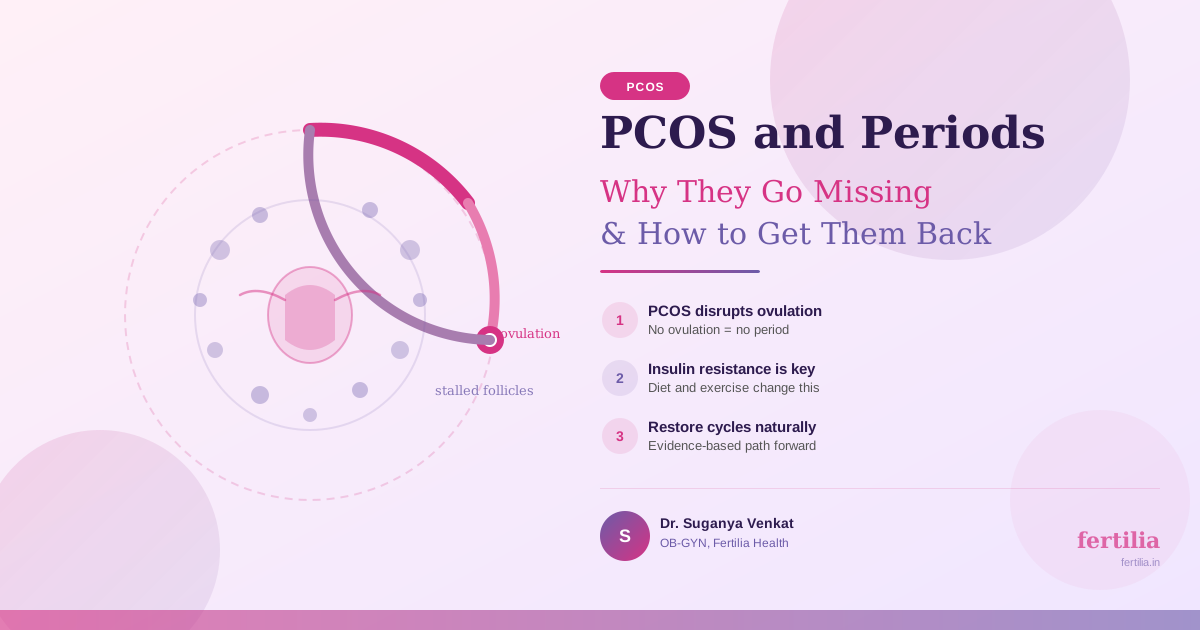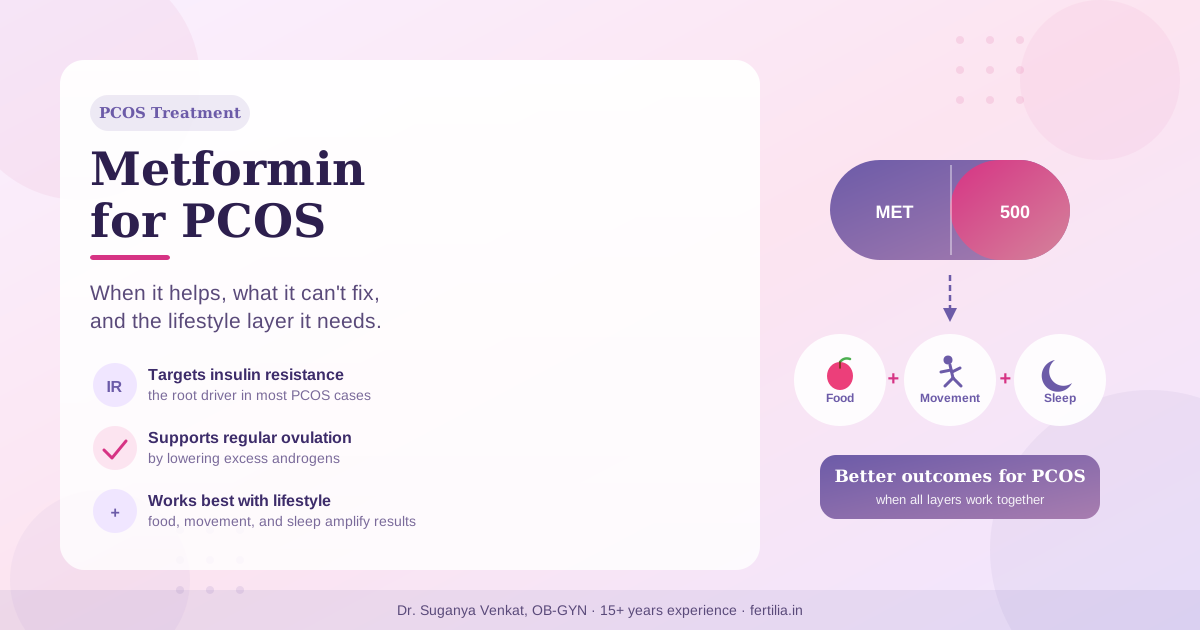
Polycystic Ovary Syndrome (PCOS) is the most common hormonal disorder among Indian women of reproductive age. Studies estimate that 20-25% of Indian women are affected, yet it remains widely misunderstood, often dismissed as “just irregular periods.”
If you’ve been told to simply “take birth control pills” or “just lose weight,” you’re not getting the full picture. PCOS is a complex, multi-system condition, and effective treatment requires understanding your specific driver.
What Is PCOS, Really?
Despite its name, PCOS is not primarily an ovarian problem. It’s a metabolic and hormonal condition that affects your entire body, your insulin levels, inflammation markers, stress hormones, gut health, skin, hair, weight, mood, and fertility.
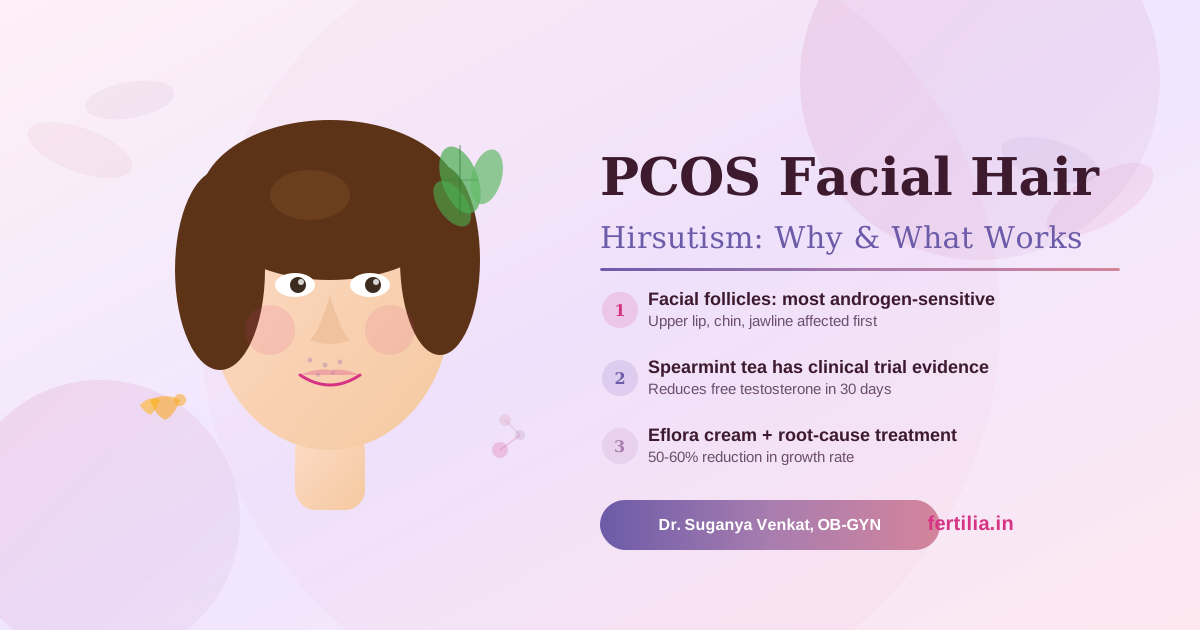
For more on this, read our guide on PCOS Facial Hair. The three core drivers are:
- Excess androgens (male hormones like testosterone)
- Insulin resistance (affects up to 70% of women with PCOS)
- Chronic low-grade inflammation
These three factors interact differently in different women, which is why there isn’t a one-size-fits-all treatment.
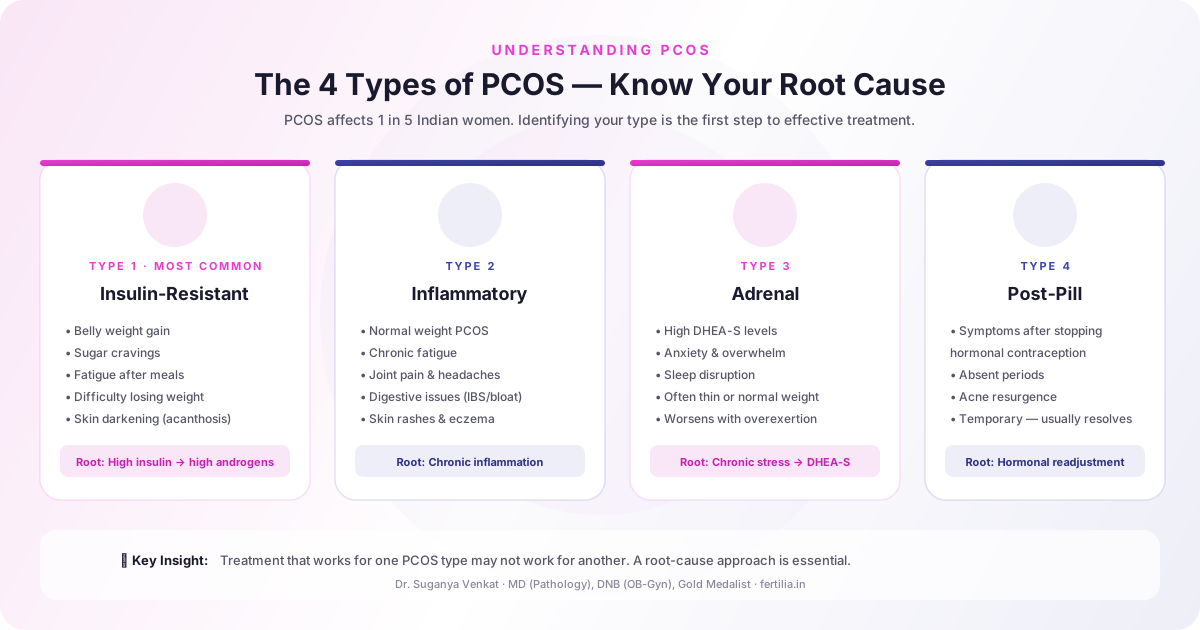
The 4 Drivers of PCOS
PCOS isn’t one uniform disease — it’s a single diagnosis (Rotterdam Criteria: 2 of 3 — irregular ovulation, clinical or biochemical hyperandrogenism, polycystic ovarian morphology) with several different underlying drivers. The four below are the ones we see most often in clinic. Understanding which driver is dominant for you is the most important step toward effective management, because each driver responds to a different set of interventions.
Driver 1: Insulin Resistance (Most Common)
This is by far the most prevalent driver, affecting approximately 70% of women with PCOS (Dunaif 1997).
How it works: High insulin levels signal the ovaries to produce excess testosterone. This disrupts ovulation, promotes weight gain, and creates a cycle that’s difficult to break with willpower alone.
Key signs:
- Weight gain, especially around the abdomen
- Intense sugar and carb cravings
- Fatigue, especially after meals
- Difficulty losing weight despite effort
- Skin darkening in folds (acanthosis nigricans)
- Skin tags
What helps: Low-glycaemic diet, strength training, inositol supplementation, adequate sleep, reducing refined carbs and sugar.
Driver 2: Chronic Inflammation
Chronic low-grade inflammation triggers the adrenal glands and ovaries to produce excess androgens (González 2012). This driver is often missed because many women with inflammation-dominant PCOS are not overweight.
Key signs:
- Fatigue that doesn’t improve with rest
- Joint pain, headaches
- Skin issues, eczema, rashes, unexplained hives
- Digestive problems, bloating, IBS-like symptoms
- Elevated CRP or ESR in blood tests
What helps: Anti-inflammatory diet (rich in omega-3, turmeric, leafy greens), gut healing protocol, eliminating food sensitivities, stress reduction.
Driver 3: Adrenal Androgen Excess
This driver is fuelled by chronic stress rather than insulin. The adrenal glands produce excess DHEA-S (an androgen), while testosterone from the ovaries often remains relatively normal (DeUgarte 2005).
Key signs:
- Elevated DHEA-S with normal testosterone
- High anxiety and feeling of overwhelm
- Sleep disruption
- Often thin or normal weight
- Symptoms worsen during stressful periods
What helps: Stress management (meditation, pranayama, yoga nidra), adaptogenic herbs (ashwagandha, shatavari, with medical guidance), sleep optimisation, avoiding over-exercising.
Driver 4: Post-Pill Hormonal Rebound
⚠️ Important: Post-pill rebound symptoms may not be true PCOS — they are often transient while the hypothalamic–pituitary–ovarian axis re-establishes its natural rhythm after hormonal contraception. If your cycles and symptoms normalise within 3–12 months of stopping the pill, you most likely did not have underlying PCOS. A formal re-diagnosis using the Rotterdam Criteria is worth doing before assuming this driver is permanent.
These symptoms appear after discontinuing hormonal contraceptives. The body needs time to re-establish its natural hormonal rhythm, and some women develop temporary PCOS-like symptoms during this transition.
Key signs:
- Periods don’t return for months after stopping the pill
- Acne resurgence
- Hair thinning
- LH:FSH ratio may be elevated temporarily
What helps: Patience (it can take 3–12 months), zinc and magnesium supplementation, supporting liver detoxification, balanced nutrition, and re-evaluation with your doctor if cycles haven’t normalised by the 12-month mark.
Common PCOS Symptoms at a Glance
Not every woman experiences all symptoms. But if you have three or more of these, it’s worth getting evaluated:
- Irregular periods (cycles longer than 35 days or fewer than 8 cycles/year)
- Absent periods (amenorrhoea)
- Heavy or prolonged bleeding
- Acne, especially along the jawline and chin
- Excess facial or body hair (hirsutism)
- Hair thinning or loss on the scalp
- Weight gain or extreme difficulty losing weight
- Mood swings, anxiety, or depression
- Fatigue and brain fog
- Difficulty conceiving
Not sure which PCOS driver applies to you? Dr. Suganya can review your reports and help you understand exactly what’s driving your symptoms, so your treatment targets the root cause, not just the surface.
Why Medication Alone Isn’t Enough
Birth control pills are the most commonly prescribed treatment for PCOS in India. While they can regulate periods and reduce acne, they mask symptoms without addressing the root cause.
Common issues with a medication-only approach:
- Symptoms return (often worse) when you stop the pill
- Underlying insulin resistance continues to worsen
- Inflammation goes unaddressed
- The gut microbiome (which plays a role in hormone metabolism) is not supported
- Nutritional deficiencies may be worsened by long-term pill use
A comprehensive approach should include:
| Pillar | What It Addresses |
|---|---|
| Nutrition | Insulin sensitivity, inflammation, gut health |
| Movement | Insulin regulation, stress relief, hormonal balance |
| Stress Management | Cortisol-androgen connection |
| Sleep | Hormone production and recovery |
| Supplements | Targeted support for your specific PCOS driver |
| Medical Treatment | When needed, alongside lifestyle changes |
What Tests Should You Get?
If you suspect PCOS, ask your doctor for these investigations:
- Hormonal panel: LH, FSH, testosterone (total and free), DHEA-S, prolactin
- Metabolic panel: fasting insulin, fasting glucose, HbA1c, lipid profile
- Thyroid function: TSH, free T3, free T4 (thyroid issues can mimic PCOS)
- Inflammatory markers: CRP, ESR
- Vitamin levels: Vitamin D, B12, iron/ferritin
- Pelvic ultrasound: to check ovarian morphology
Can PCOS Be Reversed?
“Reversal” means different things in different contexts. While PCOS may have a genetic component, the symptoms can absolutely be managed and even resolved with the right approach.
Women in our programs have experienced:
- Natural period restoration, many for the first time in years
- Sustainable weight loss without extreme dieting
- Clear skin without dependence on medication
- Natural conception after being told they’d need IVF
- Dramatic improvement in energy and mood
The key is addressing your specific root cause, not following generic advice.
Start Taking Control
PCOS doesn’t have to define your health, your weight, or your fertility. With the right understanding of your dominant driver and a personalised plan, your body can find its balance again.
The first step is always awareness. Now you have it.
If you’re also struggling with weight, read our guide on PCOS and weight loss. If fertility is your concern, here’s how to boost fertility naturally or understand your treatment options.
Frequently Asked Questions
Can PCOS be cured permanently?
PCOS is a lifelong condition, but it can be managed so effectively that symptoms disappear. The goal isn’t “cure”, it’s understanding your body’s drivers and building a lifestyle that keeps them in check. Many women live symptom-free for years with the right approach. As you enter your 40s, PCOS symptoms often shift as perimenopause begins, understanding the stages of menopause helps you prepare for that transition.
Do I need medication for PCOS?
Not always. Many women manage PCOS effectively through diet, exercise, and lifestyle changes alone, especially those with insulin-driven PCOS. Medication helps when lifestyle changes aren’t enough, or for specific goals like conceiving. Your approach should match your driver.
Can I get pregnant with PCOS?
Yes. PCOS is one of the most treatable causes of infertility. Many women conceive naturally once ovulation is restored through weight management and lifestyle changes. Others need medication like Letrozole or Clomiphene. IVF is rarely needed as a first step.
For more on this, read our guide on PCOS & Pregnancy.
What diet is best for PCOS?
There’s no single “PCOS diet.” The right approach depends on your driver. Insulin-driven PCOS benefits from lower glycemic foods and regular meals. Inflammatory PCOS responds to anti-inflammatory foods (haldi, omega-3, greens). Start with more protein at every meal, reduce refined carbs, and add ragi, dal, and vegetables.
Is PCOS the same as PCOD?
They’re often used interchangeably in India, but technically PCOD (polycystic ovarian disease) is a broader term. PCOS is a metabolic syndrome diagnosed via the Rotterdam Criteria (2 of 3: irregular periods, high androgens, polycystic ovaries on ultrasound). The treatment approach is the same.
Should I take supplements for PCOS?
Some supplements have good evidence: inositol (especially myo-inositol), vitamin D, omega-3, and magnesium. But supplements work best alongside diet and lifestyle changes, not as a replacement. Always consult your doctor before starting.
How is PCOS diagnosed?
PCOS is diagnosed using the Rotterdam Criteria. You need at least 2 of these 3: irregular or absent periods, signs of high androgens (acne, hirsutism, or elevated testosterone on blood work), and polycystic ovaries on ultrasound. Importantly, you do NOT need cysts on your ovaries to have PCOS, and having cysts alone doesn’t mean you have PCOS.
Does PCOS cause weight gain or does weight gain cause PCOS?
Both can be true. Insulin resistance (common in PCOS) promotes weight gain, especially around the belly. At the same time, excess weight worsens insulin resistance, which worsens PCOS symptoms. It becomes a cycle. The good news: even 5-7% weight loss can significantly improve hormonal balance and symptoms.
Should I take birth control pills for PCOS?
Birth control pills can effectively manage symptoms like irregular periods, acne, and excess hair growth. However, they don’t address the root cause. They mask symptoms. When you stop the pill, symptoms often return. Pills can be part of a treatment plan, but ideally alongside lifestyle changes that address the underlying driver.
Take Control of Your PCOS
Dr. Suganya Venkat has helped hundreds of women with PCOS find their root cause and build a plan that actually works, without crash diets or generic advice.
₹399 consultation · Personalised to your PCOS driver · Evidence-based
Related Reading
- AMH Test Cost in India: Price, Results & Meaning (PCOS often causes abnormally high AMH) here’s what your numbers mean
- PCOS Weight Loss: What Actually Works, evidence-based weight management for PCOS
- PCOS Hair Growth: Why It Happens & What Works, managing hirsutism and hair loss
- PCOS Belly: Why It Happens & How to Reduce It, the insulin–belly fat connection
- Seed Cycling for PCOS: Does It Actually Work?, separating evidence from Instagram claims
- PCOS-Friendly Indian Breakfast Ideas, 20 practical recipes