Your grandmother probably never explained why she added methi seeds to your postpartum meal. She just knew they were important. Methi laddoos for new mothers, methi kanji for milk supply, methi parathas during recovery. These were not myths. They were observations passed down through generations of women watching what worked.
This post looks at methi water, the practice of soaking fenugreek seeds overnight and drinking the water each morning. It has become a popular daily habit across Indian women’s health communities, and for three groups in particular there is genuine reason to pay attention: women managing PCOS, women trying to conceive, and breastfeeding mothers.
What Methi Water Is and What It Contains
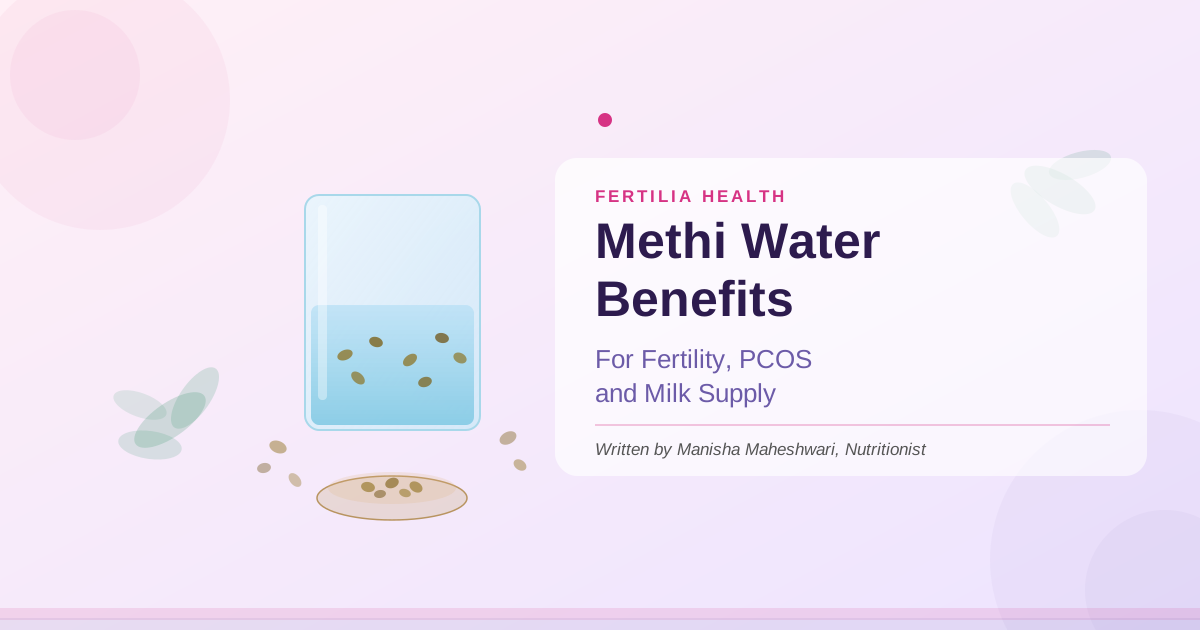
Methi water is simple: soak one teaspoon of fenugreek seeds in a glass of water overnight, then drink the water the next morning on an empty stomach. The soaked seeds can be eaten too.
Fenugreek seeds are nutritionally dense. They contain:
- Soluble and insoluble fibre: supports digestion and helps keep blood sugar steady after meals
- Iron: important for women, especially during menstruation and postpartum recovery
- Folic acid: a B-vitamin found naturally in methi seeds, relevant for women in the pre-conception period
- Zinc: supports immune function and hormonal balance
- Magnesium: helps with muscle function, sleep, and overall metabolic health
When seeds soak overnight, these nutrients gradually release into the water. The resulting liquid is gentler than a concentrated supplement, which is one reason it has been used safely in traditional Indian kitchens for generations.
The seeds themselves have a slightly bitter, earthy taste. The soaking water is more subtle, though still noticeable. A small squeeze of lemon makes it considerably more pleasant to drink.
Methi Water and PCOS
Methi water is a popular daily habit for women managing PCOS. Fenugreek seeds are high in soluble fibre, which helps keep blood sugar steady after meals. Many women managing PCOS find it a helpful addition alongside a balanced diet. For how diet supports PCOS management, read our PCOS diet and lifestyle guide.
Wondering how to put together a PCOS-friendly eating plan? Message our nutrition team on WhatsApp for a personalised conversation about what works for your specific situation.
Methi Water and Fertility
Women trying to conceive often include methi in their daily diet. Fenugreek seeds are a good source of folic acid and iron, two nutrients that matter in the pre-conception period. They also contribute fibre, zinc, and magnesium to support overall nutritional status. For evidence-based fertility support, see our 7 ways to boost fertility naturally guide.
Methi Water and Breast Milk Supply
Indian mothers have used methi for milk supply for generations. Methi laddoos, paata kanji with methi seeds, and methi-heavy sabzis in the first 40 days after delivery are part of postpartum tradition across Tamil Nadu and across India. For a complete breastfeeding nutrition guide, see our breastfeeding diet for Indian mothers post.
Traditional postpartum preparations combine methi with jaggery, ghee, and warming spices. This combination in methi laddoos is both nourishing and practical for a tired new mother who needs quick, easy nutrition throughout the day. The bitter taste of methi is largely masked by the sweetness of jaggery and the richness of ghee in these preparations.
How to Make and Use Methi Water
Basic method:
- Take one teaspoon of clean fenugreek seeds (available in any kirana or grocery store).
- Add them to a glass (about 250 ml) of water.
- Soak overnight at room temperature for 8 to 12 hours.
- Strain and drink the water in the morning on an empty stomach.
- The soaked seeds can be chewed and eaten for additional fibre benefit.
Quantity: One teaspoon of seeds per day is the standard amount used in traditional practice. There is no benefit to using more, and amounts above two teaspoons per day can cause digestive discomfort in some women.
Taste: Methi water is noticeably bitter with a faint earthy flavour. This is normal and expected. A small squeeze of lemon makes it more palatable. Avoid adding sugar or honey if you are drinking it specifically for blood sugar management.
Consistency: Like most food-based habits, methi water works best with consistent daily use over time. Four to eight weeks of regular use is a realistic timeframe for noticing any difference. It works well alongside broader dietary changes rather than as a standalone remedy.
Safety: Who Should Be Careful
During pregnancy: Small amounts of methi in food, such as dal, sabzis, or parathas, are fine. Daily concentrated methi water during pregnancy is best discussed with your doctor first. Once breastfeeding, it is traditionally used and considered safe in normal amounts.
Legume allergy: Fenugreek belongs to the legume family alongside chickpeas and peanuts. Women with known legume allergies should start with a very small quantity and watch for any reaction before making it a daily habit.
Blood sugar medications: If you are on medication for blood sugar management, mention methi water to your doctor when you start. This is good practice when adding any food-based habit alongside existing treatment.
Digestive sensitivity: Some women notice mild bloating or softer stools when first starting methi water as the gut adjusts to increased fibre. Starting with half a teaspoon and gradually building up works well for those with a sensitive digestive system.
Thyroid conditions: If you have a thyroid condition, check with your doctor before making methi water a daily habit.
Methi Water vs. Jeera Water
Many Indian kitchens soak seeds overnight. Jeera water and methi water are the two most common. They share a daily, on-empty-stomach routine but have different strengths.
Jeera water is best known for its digestive and carminative properties. Methi water is particularly noted for its fibre content, blood sugar support, and long traditional use for milk supply.
For women managing PCOS who are focused on blood sugar balance, methi water has more specific research behind it. For women whose main concern is digestive discomfort during pregnancy or postpartum bloating, jeera water is often more comfortable to start with. Many women include both, rotating between them or alternating days depending on how they feel.
Frequently Asked Questions
Can methi water help with PCOS?
Methi seeds are rich in soluble fibre, which supports steady blood sugar levels after meals. Many women managing PCOS find it a helpful daily habit alongside a balanced diet. It works best as part of a wider food-based approach rather than on its own. For more on diet and PCOS, read our PCOS symptoms and management guide.
How long does it take to see results?
Most women who notice a difference report it after four to eight weeks of daily use. Like most food habits, methi water works through consistency over time. It is a supporting habit within a broader diet approach, not a quick fix.
Can I drink methi water during pregnancy?
Small amounts of methi in food, such as in dal or parathas, are fine. Daily concentrated methi water during pregnancy is best discussed with your doctor first. Once you are breastfeeding, methi water in normal amounts is traditionally used and considered safe.
Does methi water increase breast milk?
Fenugreek has a long traditional use for supporting milk supply, and many new mothers in India use methi in the first 40 days after delivery as part of their regular diet. Methi laddoos with jaggery and ghee are the classic postpartum preparation for this purpose. For persistent supply challenges beyond the first few weeks, a lactation consultant’s assessment is the most helpful next step.
Can I eat the soaked seeds instead of just drinking the water?
Yes, and doing so adds more fibre to your diet. Soaked seeds are softer than raw seeds and much easier to chew. Eating both the seeds and the water gives you the full nutritional benefit of the fenugreek. Many women prefer doing both for this reason.
What are the side effects of methi water?
The most common are mild bloating or softer stools when first starting, as the gut adjusts to the extra fibre. This typically settles within a week. Methi also has a distinctive smell that can transfer faintly to body odour and urine. This is harmless and completely normal. Reducing the quantity usually resolves it if it is bothersome.
Can I use methi powder instead of whole seeds?
Whole seeds are better for soaking. The outer coating releases nutrients gradually into the water during soaking. Methi powder, when soaked overnight, makes the water very thick and much more intensely bitter. If you only have powder, use half the quantity and stir it into warm water rather than soaking overnight.
Is methi water the same as fenugreek tea?
They are similar but not identical. Methi water is prepared by cold soaking seeds overnight. Fenugreek tea is usually made by simmering seeds in hot water for a few minutes. Both are traditional preparations. Cold soaking preserves more of the water-soluble nutrients, while hot preparation extracts more of the seed’s aromatic compounds. Either method works, and many women use both depending on the season.
Methi water is one part of a larger picture. For women managing PCOS, trying to conceive, or supporting their body through the postpartum period, it works best alongside a balanced diet, regular movement, and adequate rest.
If you would like help putting together a nutrition plan for your specific situation, message our nutrition team on WhatsApp. A focused conversation often brings more clarity than months of reading general information.