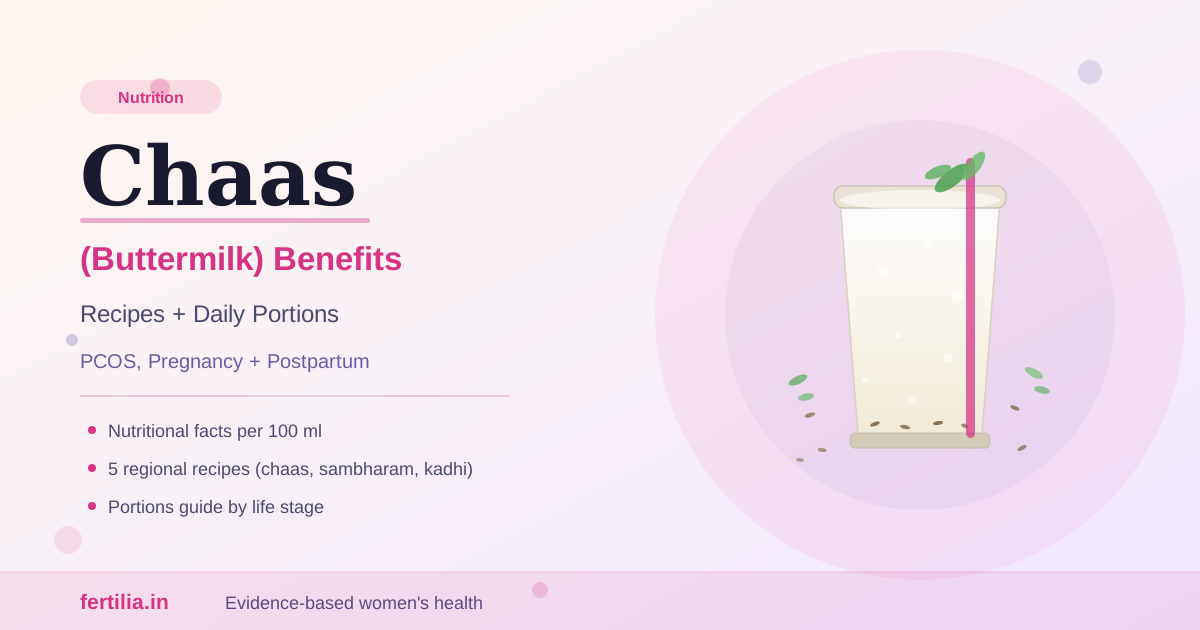
You have probably had a tall glass of chaas on a hot summer afternoon, or watched your mother stir together dahi and water with a pinch of salt after a heavy meal. Chaas (buttermilk) is one of those everyday Indian staples that has never needed a brand or a health trend to justify its place at the table.
Yet as a drink made from fermented dahi, cooling and rich in calcium, available in almost every Indian home, chaas deserves a closer look at exactly what it provides and how much to include at different stages of a woman’s life.
This guide covers what chaas contains, regional varieties across India, how much to include for PCOS, pregnancy, and postpartum, and five easy recipes from the Indian kitchen.
For the clinical side of how fermented dairy fits into PCOS management, read our complete guide to insulin resistance and PCOS.
What Is Chaas? Indian Names and Regional Varieties
Chaas is made by whisking or churning dahi (yogurt) with water until the mixture is smooth and drinkable. Much of the fat rises out during churning, making chaas lighter than lassi, which retains the full fat of the dahi.
Chaas goes by different names across India:
- Hindi / North India / Gujarat: chaas, chhachh
- Tamil: moru, neer moru (thinner, more diluted version)
- Telugu: majjiga, challa
- Kannada: majjige
- Marathi: taak
- Malayalam: moru, sambharam (tempered version with spices)
- Bengali / Eastern India: ghol
Regional styles vary considerably in flavour and preparation:
Masala chaas (North India, Gujarat): the most common everyday form. Whisked dahi with water, roasted jeera powder, black salt, fresh coriander, and a pinch of hing.
Sambharam (Kerala): buttermilk tempered with curry leaves, ginger, green chilli, and coconut oil. Served as a welcome drink and a staple alongside sadya meals.
Neer moru (Tamil Nadu): very thin, lightly salted moru, sometimes with a small amount of green chilli and curry leaves. Often drunk between meals on warm days.
Taak (Maharashtra): plain whisked dahi with water, typically served alongside meals. Sometimes flavoured with grated ginger or a pinch of hing.
Kadhi (North India): a cooked, thickened preparation where besan (chickpea flour) is whisked into chaas and cooked until the mixture becomes a warm, spiced curry. This is the richest form of chaas preparation.
All these variations share the same nutritional base: fermented dahi diluted with water, with natural cultures from the fermentation process.
Nutritional Facts (per 100 ml, cultured low-fat buttermilk)
| Nutrient | Amount |
|---|---|
| Calories | 40 kcal |
| Protein | 3.3 g |
| Total Fat | 0.9 g |
| Carbohydrates | 4.8 g |
| Calcium | 116 mg |
| Potassium | 151 mg |
| Phosphorus | 85 mg |
| Riboflavin (B2) | 0.15 mg |
| Vitamin B12 | 0.22 mcg |
| Sodium | 105 mg |
Source: USDA FoodData Central, SR Legacy, FDC ID 170876 (Buttermilk, fluid, cultured, lowfat).
Note on homemade chaas: The values above are for standard cultured low-fat buttermilk. Homemade chaas made from full-fat dahi with a 1:2 dahi-to-water ratio will be higher in fat and calories. Chaas made from toned or low-fat dahi will be closer to the figures in the table.
Calcium per glass: One 200 ml glass of chaas provides roughly 232 mg of calcium, a meaningful contribution toward daily calcium needs. Dahi-based preparations (chaas, dahi, paneer) remain the most practical everyday calcium sources in Indian cooking.
Building a calcium-rich daily routine? Download our free Iron and Calcium-Rich Foods Guide for a full food list with meal planning tips across all life stages.
Chaas for PCOS
Chaas fits naturally into a PCOS-friendly meal plan. It is low in calories, low in fat when made with toned or low-fat dahi, and contains natural cultures from fermentation. As a filling, cooling beverage it works well as a mid-morning or mid-afternoon drink between meals, helping you stay satisfied without reaching for a heavier snack.
Simple ways to include chaas in a PCOS routine:
- Have a glass of masala chaas as a mid-morning snack between breakfast and lunch
- Replace cold drinks and packaged juices with chaas
- Use diluted chaas (neer moru style) as a before-meal drink to help reduce portion size
- Pair sambharam with a South Indian lunch of idli, sambar, and sabzi
For the clinical context on PCOS and food choices, read our insulin resistance and PCOS guide. Chaas pairs naturally with the PCOS-friendly Indian breakfast ideas already on this site.
One to two glasses (200 to 400 ml) per day is a practical daily amount for most women.
Chaas During Pregnancy
Chaas is a practical drink during pregnancy. It is easy to prepare, easy to digest, light on the stomach, and provides calcium, potassium, and vitamin B12 from a familiar everyday source.
Calcium: A 200 ml glass provides around 232 mg of calcium. Including chaas regularly alongside other dairy foods (dahi, paneer, ragi) helps cover daily calcium requirements from food.
Potassium: Each glass contributes roughly 300 mg of potassium. Most Indian women get potassium from a range of foods including dahi, banana, dal, and coconut water.
Vitamin B12: Dairy preparations like chaas are among the better everyday sources of B12 for vegetarians.
Hydration: In the summer months, or if you are finding plain water difficult to drink in the first trimester, a lightly salted chaas with a pinch of jeera and fresh coriander is easy on the stomach and counts toward fluid intake for the day. For what to eat and what to watch during the first trimester, see our first trimester guide.
If you have been diagnosed with gestational diabetes, read our gestational diabetes India guide for trimester-wise meal planning advice.
Portions During Pregnancy
One to two glasses (200 to 400 ml) per day is a practical amount. Easy ways to include chaas during pregnancy:
- Have a glass of plain masala chaas with your main meal
- Sip sambharam (Kerala-style) between meals on warm days
- Use diluted chaas as the base for a moru curry or kadhi side dish
Want a personalised pregnancy meal plan? Message us on WhatsApp and our nutrition team will put together a plan based on your trimester and food preferences.
Chaas After Delivery (Postpartum)
Chaas is a traditional postpartum drink across India. In many South Indian households, moru is served daily to new mothers as a cooling, light accompaniment to meals. Its texture and natural cultures from fermentation make it comfortable to eat in the early weeks after delivery when digestion can feel sluggish.
Postpartum hydration matters, particularly if you are breastfeeding. Chaas, paired with jeera and curry leaves, is a practical hydration drink that also contributes calcium for ongoing bone recovery.
Two glasses (400 ml) per day in any form works well in the postpartum period.
For a complete postpartum meal plan, read our after-delivery food guide for Indian mothers.
Have a question about what to eat after delivery? Message us on WhatsApp and our nutrition team will get back to you within 24 hours.
5 Easy Chaas Recipes for the Indian Kitchen
Recipe 1: Classic Masala Chaas
The everyday North Indian and Gujarati buttermilk, ready in under 5 minutes.
Makes: 2 glasses Time: 5 minutes
Ingredients:
- 1 cup (250 g) fresh dahi (toned or full-fat)
- 2 cups water (adjust to preferred thickness)
- 1/2 teaspoon roasted jeera (cumin) powder
- 1/4 teaspoon black salt (kala namak)
- A pinch of regular salt
- A pinch of hing (asafoetida, optional)
- Fresh coriander leaves for garnish
- 1 small green chilli, finely chopped (optional)
Method:
- Add dahi and water to a blender or deep bowl.
- Blend or whisk vigorously until completely smooth and slightly frothy.
- Add roasted jeera powder, black salt, and regular salt. Stir well.
- Taste and adjust salt.
- Pour into glasses. Garnish with fresh coriander, a pinch of extra jeera powder, and green chilli if using.
- Serve immediately or refrigerate for up to 4 hours.
Daily portion: 1 to 2 glasses (200 to 400 ml).
Recipe 2: Sambharam (Kerala Tempered Buttermilk)
A classic South Indian welcome drink with curry leaves, ginger, and a gentle heat.
Makes: 2 glasses Time: 10 minutes
Ingredients:
- 1 cup (250 g) fresh dahi
- 2 to 2.5 cups water
- 1/2 inch fresh ginger, grated finely
- 1 small green chilli, slit (adjust to taste)
- 12 to 15 fresh curry leaves
- 1/4 teaspoon salt
- 1 teaspoon coconut oil for tempering
- 2 dried red chillies (optional)
Method:
- Whisk dahi and water together until smooth. Set aside.
- Heat coconut oil in a small pan. Add curry leaves carefully (they will splutter). Add grated ginger and green chilli. Stir on medium heat for 30 seconds.
- Add dried red chillies if using. Stir for another 20 seconds until fragrant.
- Remove from heat and cool for 1 minute.
- Pour the tempering into the whisked dahi mixture. Add salt. Stir well.
- Serve chilled or at room temperature. Strain if preferred.
Sambharam is a traditional Kerala staple served at Onam sadya and as a refreshing between-meal drink throughout the year.
Recipe 3: Pudina Chaas (Mint-Jeera Buttermilk)
A cooling summer drink that comes together in under 5 minutes.
Makes: 2 glasses Time: 5 minutes
Ingredients:
- 1 cup (250 g) fresh dahi
- 2 cups water
- A handful of fresh pudina (mint) leaves, roughly torn
- 1/2 teaspoon roasted jeera powder
- 1/4 teaspoon black salt
- A pinch of chaat masala (optional)
- Juice of half a small lemon
Method:
- Blend dahi, water, and mint leaves together until smooth.
- Add roasted jeera powder, black salt, lemon juice, and chaat masala if using.
- Blend briefly to combine.
- Taste and adjust salt or lemon.
- Strain through a sieve if preferred, or serve with the mint flecks for a rustic finish.
- Serve immediately over ice, or refrigerate for up to 2 hours.
For an iron-rich meal, pair this chaas with palak dal or rajma rice. Read our iron-rich foods for pregnancy guide for a full list of iron-rich Indian foods.
Recipe 4: Moru Curry (South Indian Buttermilk Curry)
A simple South Indian side dish that uses chaas as the base instead of tamarind or tomato. A staple in Tamil Nadu and Kerala homes.
Makes: 2 to 3 servings Time: 20 minutes
Ingredients:
- 2 cups (500 ml) thin chaas (whisked dahi with water)
- 1/2 cup ash gourd (vellai poosanikai) or raw banana, cut into small cubes (optional)
- 1/4 teaspoon turmeric powder (haldi)
- Salt to taste
For tempering:
- 1 teaspoon coconut oil or sesame oil (gingelly oil)
- 1/2 teaspoon mustard seeds
- 1/2 teaspoon urad dal
- 3 to 4 dried red chillies
- 12 curry leaves
- A pinch of hing
Method:
- If using a vegetable, cook it in lightly salted water with a pinch of haldi until just tender. Drain and set aside.
- Whisk chaas until smooth. Add haldi and salt. Keep on very low heat, stirring continuously. Do not allow it to boil. Warm gently until just heated through, about 3 to 4 minutes. Chaas will curdle if it boils hard.
- Add the cooked vegetable if using. Stir gently.
- Prepare tempering: heat oil in a small pan. Add mustard seeds and let them splutter. Add urad dal and stir until golden. Add dried red chillies, curry leaves, and hing. Pour over the warm moru immediately.
- Serve with hot rice.
Recipe 5: North Indian Kadhi (Buttermilk and Besan Curry)
A comfort dish from Punjab, Rajasthan, and UP. Thick, warming, and deeply satisfying with plain rice.
Makes: 4 servings Time: 35 minutes
Ingredients (for the kadhi):
- 3 cups (750 ml) chaas (slightly sour dahi preferred, whisked with water)
- 4 tablespoons besan (chickpea flour)
- 1/2 teaspoon turmeric (haldi)
- 1 teaspoon red chilli powder (adjust to taste)
- Salt to taste
For tempering:
- 1 tablespoon ghee
- 1/2 teaspoon mustard seeds
- 1/2 teaspoon cumin seeds (jeera)
- 1/4 teaspoon fenugreek seeds (methi dana)
- A pinch of hing
- 2 dried red chillies
- 10 curry leaves
- 1/2 teaspoon garam masala for finishing
Method:
- Whisk besan into the chaas until completely lump-free. Add haldi, chilli powder, and salt. Whisk again thoroughly.
- Pour into a heavy-bottomed pot. Cook on medium-low heat, stirring continuously in one direction, until the mixture thickens and comes to a gentle simmer, about 10 to 12 minutes. Do not boil hard.
- Reduce heat to low. Simmer for another 10 minutes, stirring occasionally, until the kadhi is thick and the raw besan smell is gone. Taste and adjust salt.
- Prepare tempering: heat ghee in a small pan. Add mustard seeds and let them splutter, then jeera, then methi dana, then hing, dried red chillies, and curry leaves. When fragrant (about 30 seconds), pour over the kadhi.
- Add garam masala, stir gently, and serve hot with plain rice or jeera rice.
Pakora addition: To add pakoras, mix besan with salt, red chilli, and water to a thick batter. Drop small spoonfuls into hot oil and fry until golden. Add to the hot kadhi just before serving for a complete meal.
How Much Chaas to Drink: Quick Reference
| Life Stage | Daily Amount | Best Form |
|---|---|---|
| PCOS | 1 to 2 glasses (200 to 400 ml) | Masala chaas, neer moru |
| Pregnancy | 1 to 2 glasses (200 to 400 ml) | Sambharam, masala chaas, plain |
| Postpartum | 1 to 2 glasses (200 to 400 ml) | Moru curry, sambharam, plain |
| General | 1 glass (200 ml) | Any form |
Starting tip: If you are not used to drinking chaas daily, start with half a glass and build up over a week. In summer, chaas can replace cold drinks, packaged juices, and aerated beverages across all life stages.
How to Make Buttermilk at Home
You do not need to buy packaged buttermilk. Homemade chaas takes under 2 minutes.
Basic recipe:
- Add 1 cup fresh dahi to a blender or deep bowl.
- Add 2 to 3 cups water (2 cups for thicker chaas, 3 cups for thin neer moru style).
- Whisk or blend until completely smooth and slightly frothy.
- Season with salt and spices of your choice.
Dahi ratio tip: A 1:2 ratio (dahi to water) gives medium-thick chaas. A 1:3 ratio gives the thinner neer moru style common in Tamil Nadu. Both are equally nutritious; the thinner version has fewer calories per glass.
Ready for a personalised meal plan that fits chaas into your daily routine? Explore our Pregnancy Guide with trimester-wise nutrition tips and a daily food chart.
How to Buy and Store Buttermilk
Buying:
- Ready-made chaas is available in 200 ml and 500 ml packs from major dairy brands (Aavin, Amul, Milma, Hatsun) in most grocery stores, provision shops, and grocery apps including BigBasket, Blinkit, and JioMart.
- Most packaged chaas is lightly salted and mildly spiced. Check the label for sodium content if you are monitoring your sodium intake.
- For the freshest quality, homemade chaas from good-quality dahi is always better. It takes less than 2 minutes to make.
Storing:
- Freshly made chaas stays good in the refrigerator for up to 24 hours.
- Packaged chaas should be consumed before the printed expiry date and within 24 hours of opening.
- Do not leave chaas out at room temperature for more than 2 hours in warm climates.
- The natural sourness of chaas increases over time in the refrigerator as fermentation continues. This is normal and does not mean the chaas has gone bad.
- Discard if you notice an unpleasant or very sharp smell, visible separation, or discolouration.
Frequently Asked Questions
Is chaas good to drink during pregnancy? Yes. Chaas provides calcium, potassium, and vitamin B12 from an easy-to-digest everyday source. One to two glasses per day alongside meals is a practical daily amount. If you have any specific concerns, speak with your doctor.
Can I drink chaas if I have PCOS? Yes. Chaas is low in fat and calories and fits well into a PCOS-friendly meal plan. One to two glasses per day works for most women. For PCOS-specific nutrition guidance, read our insulin resistance and PCOS guide.
What is the difference between chaas, lassi, and sambharam? Chaas is whisked dahi with water, most of the fat removed, lightly salted or spiced. Lassi retains the full fat of the dahi and is thicker and creamier. Sambharam is Kerala’s version of chaas, tempered with curry leaves, ginger, and green chilli for a more aromatic and savoury flavour.
Can I drink chaas after delivery? Yes. Chaas is a traditional postpartum drink in many South Indian households. It is cooling, light, and easy to digest. Two glasses per day in any form works well for most new mothers. For a complete postpartum food guide, see our after-delivery food guide.
Is packaged chaas as nutritious as homemade? Packaged chaas is convenient and reasonably nutritious. Homemade chaas from fresh dahi takes less than 2 minutes and gives you full control over salt and spice levels. For everyday use, either works. When good-quality dahi is available, making your own is always the better option.
How much calcium does one glass of chaas provide? One 200 ml glass of standard cultured low-fat chaas provides roughly 232 mg of calcium. This is a meaningful contribution toward daily calcium needs, particularly for women during pregnancy and postpartum.
Is chaas better than plain water for staying hydrated? Chaas provides calories, protein, and electrolytes alongside hydration, making it a more nutritious option than plain water. It is not a replacement for water, which remains your primary hydration source. Chaas works best as a complement to water, particularly around meals and snacks.