Infertility affects nearly 15% of couples in India: and that number is rising, especially in urban areas. If you’ve been trying to conceive without success, know that you’re not alone, and there is a lot you can do before considering procedures like IUI or IVF.
Evidence shows that lifestyle and nutritional changes can significantly improve fertility outcomes: sometimes even when medical interventions haven’t worked. Here are seven strategies backed by research and clinical experience.
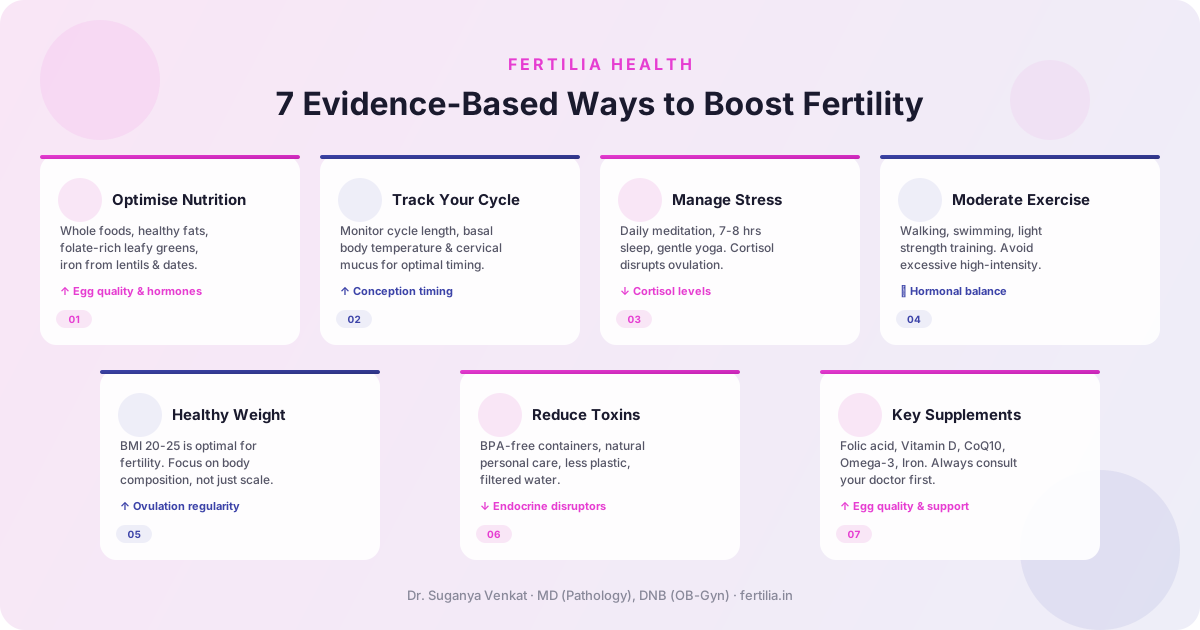
1. Follow a Fertility-Supportive Diet
What you eat directly affects your hormonal balance, ovulation, and egg quality. Research from the Harvard Nurses’ Health Study found that a “fertility diet” reduced the risk of ovulatory infertility by 66%.
Foods to include daily:
- Leafy greens: palak, methi, amaranth (rich in folate and iron)
- Healthy fats: ghee, coconut oil, avocado, nuts
- Complex carbs: brown rice, ragi, jowar, oats
- Lean protein: eggs, fish, paneer, lentils, dals
- Antioxidant-rich fruits: pomegranate, amla, berries, papaya
Foods to reduce or avoid:
- Refined sugar and maida-based products
- Trans fats (bakery items, deep-fried snacks)
- Excess caffeine (limit to 1 cup of coffee/day)
- Ultra-processed packaged foods
- Alcohol
Key takeaway: Think of your diet as medicine. Every meal is an opportunity to nourish your reproductive health.
2. Understand and Track Your Menstrual Cycle
Knowing when you ovulate is one of the most important factors for conception. Yet many women don’t track their cycle beyond period dates.
What to track:
- Cycle length: a regular cycle of 26-32 days is a positive sign
- Basal body temperature (BBT): rises 0.2-0.5°C after ovulation
- Cervical mucus: clear, stretchy mucus (like egg white) signals peak fertility
- Ovulation window: typically 12-16 days before your next period
Apps like Flo, Clue, or Fertility Friend can help. But learning to read your body’s own signals gives you the most reliable insight.
3. Prioritise Stress Management
This is arguably the most underrated fertility factor. Chronic stress raises cortisol levels, which can suppress GnRH (gonadotropin-releasing hormone), disrupt ovulation, and reduce implantation chances.
A 2018 study in Human Reproduction found that women with high stress biomarkers took 29% longer to conceive.
Effective stress-reduction strategies:
- 10-15 minutes of daily meditation or pranayama
- Gentle yoga (avoid intense hot yoga)
- 7-8 hours of quality sleep
- Setting boundaries around work and social obligations
- Spending time in nature, even 20 minutes helps
Want personalised guidance? Every woman’s fertility picture is different. Dr. Suganya can help you identify what’s holding you back and create a plan that works for your body.
4. Exercise, the Right Amount
Moderate exercise improves blood flow to the reproductive organs, regulates insulin, and balances hormones. But there’s a catch: excessive high-intensity exercise can actually impair fertility by increasing cortisol and disrupting ovulation.
Fertility-friendly exercise:
- Brisk walking (30-40 minutes, 5 days a week)
- Swimming
- Yoga and stretching
- Light strength training
What to avoid when TTC (trying to conceive):
- Marathon training or extreme endurance sports
- Daily HIIT sessions
- Exercising to the point of exhaustion
The sweet spot is 150-200 minutes of moderate exercise per week.
5. Achieve and Maintain a Healthy Weight
Body weight has a direct impact on ovulation. Research shows:
- Underweight (BMI < 18.5): can cause anovulation (no ovulation)
- Overweight (BMI > 25): increases insulin resistance, raising androgen levels
- Optimal range: BMI 20-25, though body composition matters more than the number
Even a 5-7% reduction in body weight in overweight women can restore ovulation and improve conception rates significantly.
Focus on sustainable changes rather than crash diets, the goal is long-term health, not rapid weight loss.
6. Minimise Environmental Toxin Exposure
Endocrine-disrupting chemicals (EDCs) are found in everyday items and can interfere with reproductive hormones. Studies have linked BPA, phthalates, and pesticides to reduced fertility in both men and women.
Practical swaps:
- Use steel or glass containers instead of plastic (especially for hot food)
- Choose BPA-free water bottles
- Switch to natural, chemical-free personal care products
- Wash fruits and vegetables thoroughly to reduce pesticide residue
- Avoid heating food in plastic containers or cling wrap
7. Consider Evidence-Based Supplements
Certain micronutrient deficiencies are extremely common in Indian women and can impair fertility. After consulting your doctor, consider:
| Supplement | Why It Matters | Recommended Dose |
|---|---|---|
| Folic acid | Prevents neural tube defects, supports egg quality | 400-800 mcg/day |
| Vitamin D | Over 70% of Indian women are deficient; linked to ovulation | 1000-2000 IU/day |
| CoQ10 | Improves egg quality, especially after age 30 | 200-400 mg/day |
| Omega-3 (DHA/EPA) | Reduces inflammation, supports hormone production | 500-1000 mg/day |
| Iron | Essential if deficient, check ferritin levels | As directed |
| Inositol | Especially helpful for PCOS-related infertility | 2000-4000 mg/day |
Important: Always get your levels tested before starting supplements. More isn’t always better.
When Should You See a Specialist?
While these lifestyle changes can make a meaningful difference, it’s important to seek professional help if:
- You’ve been trying for 12+ months (or 6 months if over 35)
- You have irregular or absent periods
- You have a known condition like PCOS, endometriosis, or thyroid disorder
- Your partner has known male factor issues
The good news: these natural strategies work alongside medical treatment too. They create the healthiest possible foundation for conception, whether naturally or through assisted reproduction.
The Bottom Line
Fertility is not just about one factor. It’s about how your nutrition, movement, stress levels, environment, and overall health work together. Small, consistent changes in these areas can have a surprisingly powerful impact on your ability to conceive.
Start with one or two changes this week. Your body will respond.
If you’re dealing with PCOS, thyroid issues, or considering fertility treatment, these foundations matter even more.
Frequently Asked Questions
How long does it take to see results from natural fertility changes?
Most women notice cycle improvements within 2-3 months. Egg quality takes about 3 months to improve since the egg maturation cycle is ~90 days. Many couples conceive within 6 months of consistent lifestyle changes.
Can natural methods work if I have PCOS?
Yes, lifestyle changes are actually the first-line treatment for PCOS-related infertility. Weight loss of just 5-7% can restore ovulation in many women with PCOS. Read our complete PCOS guide for more.
Do I need to give up coffee completely?
No. Up to 200mg of caffeine daily (about one regular coffee) is considered safe and unlikely to affect fertility. The issue is excessive caffeine, more than 2-3 cups daily.
Should my husband also make changes?
Absolutely. Male factor contributes to 40-50% of infertility cases. Sperm quality improves with the same principles, better nutrition, less alcohol, regular exercise, and adequate sleep. Sperm takes ~74 days to mature, so changes need 3 months to show results.
When should I stop trying naturally and see a specialist?
If you’re under 35 and have been trying for 12 months, or over 35 and trying for 6 months. If you have known issues (irregular periods, endometriosis, previous miscarriages), see a specialist sooner. Learn about treatment options →
Are fertility supplements safe?
Most evidence-based supplements (folate, vitamin D, CoQ10, omega-3) are safe at recommended doses. But always check with your doctor first, especially if you’re on medication. Avoid unregulated “fertility boosters” with unproven ingredients.
Does stress really affect fertility?
Yes. Chronic stress elevates cortisol, which can suppress GnRH (the hormone that triggers ovulation). Studies show women with high stress biomarkers take longer to conceive. This doesn’t mean you need to “just relax”, it means incorporating genuine stress-reduction practices (yoga, breathing exercises, therapy) as part of your fertility plan.
Is there a best time of day to have intercourse for conception?
There’s no strong evidence that time of day matters significantly. What matters is frequency and timing relative to ovulation. Having intercourse every 1-2 days during your fertile window (the 5 days before ovulation and the day of ovulation) gives the best odds.
Ready to Start Your Fertility Journey?
Dr. Suganya Venkat (OB-GYN, 15+ years experience) has helped hundreds of women conceive with personalised, evidence-based guidance. A ₹399 consultation could be the first step.
Related Reading
- AMH Test Cost in India: Price, Results & Meaning, know your egg reserve before planning
- Fertility After 35: What the Science Really Says, age-specific fertility guidance
- How to Track Ovulation: Indian Woman’s Guide, timing is the single biggest factor
- Seed Cycling for PCOS: Does It Actually Work?, natural approaches with evidence
- Pregnancy Diet Plan: Indian Food Guide, prepare your nutrition before conceiving