You are waking up every two hours to feed your baby. You are healing from delivery. Everyone around you has an opinion about what you should and should not eat. Your mother says eat more ghee. Your aunt says avoid certain vegetables. The internet says something completely different.
Here is the truth: eating well while breastfeeding is simpler than the noise suggests. You do not need exotic superfoods or expensive supplements. What you need is nourishing, satisfying food that keeps both you and your baby well, and most of it is already sitting in an Indian kitchen.
This guide breaks it down practically: what to eat more of, what to limit, how to structure your meals, and which traditional Indian foods actually earn their reputation for supporting new mothers.
Why Your Nutritional Needs Are Different Right Now
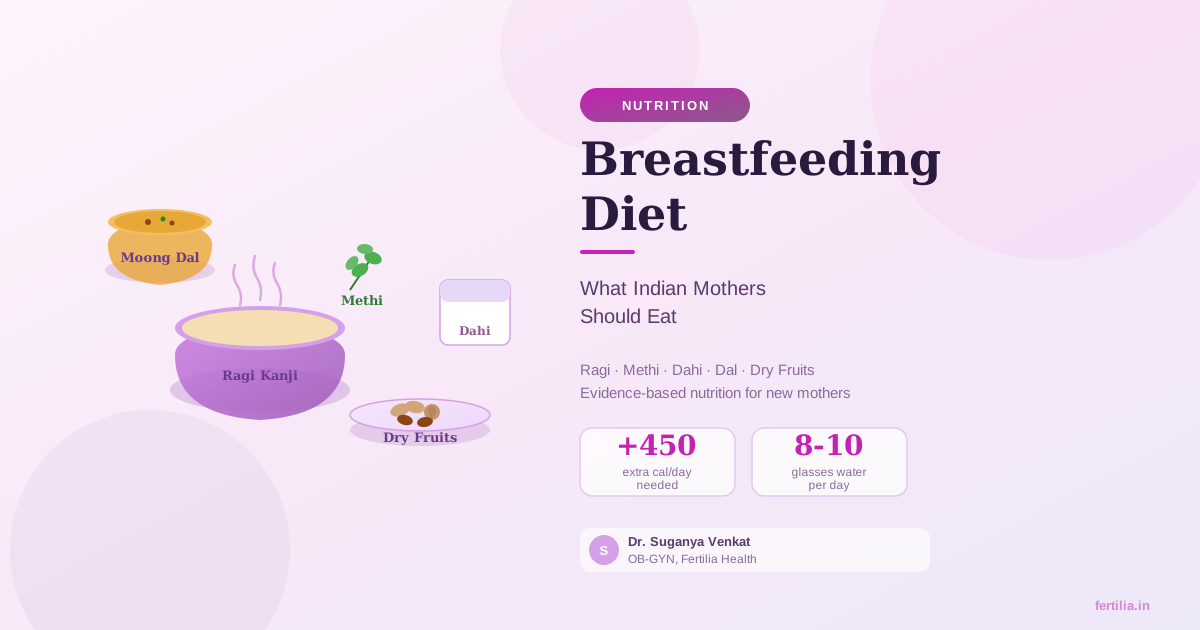
Breastfeeding is physically demanding work. Your body is producing milk around the clock, and that takes fuel. You need roughly 450 to 500 additional calories per day beyond what you were eating before pregnancy. For most women, that works out to about 1,800 to 2,200 calories a day, depending on your body size and how often you are feeding.
This is not the time to diet. Cutting calories too sharply reduces your milk supply before it reduces your waist size. Your body will prioritise milk production, which means the calories cut tend to come from your own energy and nutrient stores rather than from fat reserves. The result: you feel exhausted, your hair thins out even more, and your recovery stalls.
The goal for the first six months of breastfeeding is to eat well, eat enough, and eat the right kinds of things. Weight will come off gradually on its own once you are eating balanced meals and getting some rest. (For a more detailed look at postpartum recovery, see After Delivery Care: The 40-Day Recovery Guide.)
What your body specifically needs more of while breastfeeding:
- Protein: For tissue repair after delivery and for the protein content of breast milk. Aim for 65 to 70 grams per day.
- Calcium: Your milk is rich in calcium, and if your diet is low, your body draws it from your bones. Aim for 1,000 mg per day.
For more on this, read our guide on Foods to Increase Breast Milk.
- Iron: Blood loss during delivery and ongoing demands of recovery make iron important. Foods that pair iron with vitamin C improve absorption.
- Healthy fats: The fat quality in your diet affects the fat quality of your breast milk. Choose traditional fats like ghee, coconut, sesame, and nuts.
- Water: More on this below, but hydration is one of the most direct levers you have for milk supply.
Indian Foods That Support Breastfeeding
Indian traditional diets were designed, long before nutrition science had names for things, to support new mothers. The “pathiya samayal” concept, the careful postpartum cooking tradition across Tamil Nadu, Andhra, Kerala, and other states, exists for a reason. These foods work.
Ragi (Finger Millet)
Ragi is one of the best foods you can eat while breastfeeding. It is the highest plant-based source of calcium among all grains, with about 344 mg per 100 grams. It is also rich in iron and high in fibre, which helps with the constipation that many new mothers experience.
Traditional forms: ragi kanji (porridge), ragi mudde, ragi dosa, ragi malt with milk. A warm bowl of ragi kanji with a small piece of jaggery is one of the most nourishing breakfasts a breastfeeding mother can have.
Methi (Fenugreek)
Methi is the most commonly used galactagogue in Indian kitchens. Methi seeds can be added to dal, soaked in water overnight and eaten in the morning, or used in methi paratha and methi dal. Methi leaves are equally nutritious and work well in sabzi, dal, or stuffed rotis.
Methi is also high in iron and calcium, both of which are priorities during this period.
Dahi (Yogurt)
Dahi is a daily staple for good reason. It is an excellent source of calcium and protein, and the live cultures in traditionally prepared dahi support gut health, both yours and, indirectly, your baby’s through breast milk.
Plain dahi with meals, chaas (buttermilk) through the day, or dahi rice are all easy, nourishing ways to get calcium in. If you have access to thick homemade dahi, even better.
Dal and Lentils
Dal is the backbone of the Indian postpartum diet. Moong dal is particularly well-regarded because it is easy to digest while still being high in protein and iron. Masoor dal, toor dal, and chana dal are equally good, just cooked a little softer than usual if your digestion is still settling.
A bowl of dal with rice and a small amount of ghee is a complete, balanced meal. The ghee helps fat-soluble vitamins absorb and adds needed calories. Do not skip it.
Dry Fruits: Almonds, Walnuts, Dates, and Figs
Dry fruits are one of the most practical snacks for a breastfeeding mother because they are dense in nutrients and require no preparation.
- Almonds are high in calcium, healthy fats, and vitamin E. Six to eight soaked almonds a day is a simple habit worth building.
- Walnuts are one of the best plant sources of omega-3 fatty acids, which contribute to the quality of your breast milk.
- Dates (khajoor) are iron-rich, naturally sweet, and give you quick energy between feeds. Three to four a day is enough.
- Dried figs (anjeer) are exceptionally high in calcium. Two to three figs a day add up meaningfully to your daily calcium intake.
Keep a small bowl of mixed dry fruits on your bedside table so you can eat something even during a night feed without getting up to the kitchen.
Garlic
Garlic has a long traditional history as a milk-supporting food in Indian households, and there is some research basis for this. It is also anti-inflammatory and supports immunity, which matters when you are sleep-deprived and your body is still recovering.
Add garlic generously to your cooking: in dal tadka, sabzi, soups, and khichdi. If your baby seems gassy or unsettled after a particularly garlicky meal, you can scale back, but most babies adjust well.
Green Leafy Vegetables
Spinach, methi leaves, moringa (drumstick leaves), and amaranth are all rich in iron, calcium, and folate. They can go into dals, sabzis, parathas, and soups.
Moringa leaves in particular are nutritionally dense and have been used in South Indian postpartum cooking for generations. If you can access fresh drumstick leaves, add them to your sambar or rasam regularly.
Til (Sesame Seeds) and Coconut
Sesame seeds are a surprisingly good source of calcium. Til ki chikki, til ladoo, and til added to rice or sabzi are traditional ways of including them. Black sesame seeds have slightly higher calcium content than white.
Coconut, widely used in South Indian cooking, provides medium-chain fatty acids that are easy to digest and contribute to the fat content of breast milk. Fresh coconut chutney, coconut milk in curries, and coconut oil used in cooking are all worthwhile.
Oats and Dalia (Broken Wheat)
Both oats and dalia are warming, filling, and easy to digest. They provide slow-releasing energy that keeps you full between feeds. Dalia khichdi with vegetables and dal, or a simple oats porridge with banana and nuts, makes a satisfying and nutritious meal.
If you are finding it hard to put all of this together while managing a newborn, our team can help you build a simple eating plan that works for your kitchen and your schedule. Chat with us on WhatsApp for a personalised nutrition conversation.
A Sample Day of Eating While Breastfeeding
The goal is three proper meals and two snacks. Skipping meals when you are breastfeeding often leads to a drop in energy and, over time, in milk supply.
Morning (within an hour of waking): A warm bowl of ragi kanji or dalia porridge with a small piece of jaggery, or two idlis with sambar and coconut chutney. A glass of warm water or a cup of light chai (not more than one cup).
Mid-morning snack: Six soaked almonds, two dates, and one fig. Or a small cup of chaas with a jeera pinch.
Lunch: A serving of rice or two rotis with dal (moong or toor), a sabzi with green leafy vegetables, a cup of dahi, and a small amount of ghee on the dal and rice. If you are eating non-vegetarian, a piece of fish or chicken adds protein.
Afternoon snack: A banana with a small handful of walnuts. Or a methi paratha with dahi. Or a cup of ragi malt.
Dinner: Khichdi (rice and dal together, easy to digest) with a vegetable on the side, or roti with paneer sabzi, or dalia with vegetables. Lighter than lunch is fine, but not too light.
Before bed (if hungry): A small cup of warm haldi doodh (turmeric milk) with a pinch of black pepper. Warming, anti-inflammatory, and calcium-rich.
This kind of eating, with consistent meals and snacks, keeps your blood sugar stable, your energy more even, and your milk supply supported throughout the day.
Hydration: The Most Direct Lever for Milk Supply
Breast milk is mostly water. If you are dehydrated, your body produces less of it. This is one of the most direct connections between your diet and your milk supply.
Aim for 8 to 10 glasses of water per day, more in hot weather or if you are sweating at night. A practical habit: keep a large bottle of water next to wherever you usually sit to feed your baby, and take a few sips every time you sit down for a feed.
Liquids beyond plain water also count: chaas, rasam, sambar, dal soup, ragi kanji, fresh coconut water, and herbal teas (jeera water, saunf water). Rasam and sambar in particular are wonderful for breastfeeding mothers because they provide hydration alongside iron and spices that support digestion.
Aim to have your urine a pale yellow through the day. Dark yellow urine is a reliable sign that you need more water.
Foods to Limit While Breastfeeding
The good news: most Indian foods are safe while breastfeeding. The list of things to limit is short.
Caffeine (chai, coffee, cola): Limit to one or two cups per day. Small amounts of caffeine do pass into breast milk, and some babies are sensitive to it, showing signs of restlessness or difficulty sleeping. If your baby seems unsettled, try reducing caffeine for a few days and see if it makes a difference.
Raw papaya (kacha papaya): Ripe papaya is fine. Raw or unripe papaya is best avoided. This is the same guidance as pregnancy.
Very spicy food: Most babies tolerate their mother’s normal spiced cooking without any issue. But if your baby consistently seems gassy or uncomfortable after a particularly spicy meal, you can moderate the spice level for a few days to see if it helps.
Alcohol: If you choose to have an occasional drink, the general guidance is to wait two to three hours per unit before breastfeeding. Regular alcohol consumption is not recommended during breastfeeding.
Heavily processed, packaged snacks: These tend to be high in sodium and refined flour and low in the nutrients your body needs right now. When you need a quick snack, dry fruits, a banana, dahi, or a small portion of roti with dhal serve you much better.
Note: There is no evidence that common Indian foods like brinjal, raw banana, jackfruit, or drumstick cause problems for breastfeeding babies. Some of these food restrictions come from regional tradition rather than any nutritional basis. If your family has strong opinions about specific foods, talk it through with your doctor or our nutrition team before cutting things out of your diet unnecessarily.
Practical Tips for Eating Well With a Newborn
Cooking a full meal for yourself while managing a newborn is genuinely hard. A few things that help:
Batch cook when you can: When the baby sleeps for a longer stretch, cook a larger batch of dal, rice, or sabzi that covers two meals. Khichdi in particular takes under 30 minutes and keeps well.
Keep ready snacks visible: A bowl of dry fruits, bananas, dates, or a container of dahi on the counter means you can grab something even one-handed.
Accept help with cooking: If family is around, let them cook. Your job is to eat, feed your baby, and rest. You do not need to manage the kitchen right now.
Eat before the baby wakes: If you have a reasonably predictable feeding pattern, eat your snack or start your meal just before you expect the baby to wake. This way you are not trying to eat mid-cry.
Do not skip meals because you are not hungry: Some new mothers lose their appetite in the early weeks, especially if they are sleep-deprived or anxious. Try to eat something at regular intervals even if it is small. Your body needs consistent fuel.
For support with your postpartum recovery as a whole, including nutrition, movement, and mental health, read Postpartum Weight Loss: Safe and Evidence-Based Guide and Postpartum Depression: Signs, Support and Recovery.
If you have questions about your specific diet, low milk supply, or just need someone to help you figure out what works for your situation, our nutrition team is here. Send us a message on WhatsApp and we will get back to you.
FAQ
How many extra calories do I need while breastfeeding?
Most breastfeeding mothers need about 450 to 500 extra calories per day compared to their pre-pregnancy intake. This works out to roughly 1,800 to 2,200 calories a day for most Indian women, though individual needs vary based on body size, activity, and how often you are feeding. The key point: this is not the time to restrict calories. Eating enough is essential for both milk supply and your own recovery.
Which Indian foods are best for increasing milk supply?
Methi (fenugreek) seeds and leaves, ragi, garlic, saunf (fennel seeds), and dalia are all traditionally used in Indian households to support milk production. Staying well-hydrated with water, rasam, chaas, and dal soups is equally important. There is no single magic food, but a consistently nourishing diet across all meals makes the biggest difference.
Is it safe to eat spicy food while breastfeeding?
For most mothers and babies, yes. Most babies are unaffected by their mother eating spiced food. If your baby seems consistently unsettled, gassy, or has a rash after you eat something particularly spicy, you can scale back for a few days to observe whether it makes a difference. But cutting out your normal cooking on the assumption that it will cause problems is usually unnecessary.
Can I drink chai and coffee while breastfeeding?
Yes, in moderation. One to two cups of chai or coffee per day is generally considered safe. Caffeine does pass into breast milk in small amounts, and some babies (especially newborns) are more sensitive to it. If your baby is restless or difficult to settle, try reducing caffeine for a week to see if it helps.
What should I eat if I have low milk supply?
Low milk supply can have several causes, and diet is just one of them. On the food side, make sure you are eating enough calories, drinking enough water, and including foods like methi, ragi, garlic, dalia, and dry fruits regularly. Feeding on demand and ensuring good latch are equally important. If you are concerned about your milk supply, speak with a lactation consultant or our team directly.
Is raw papaya safe while breastfeeding?
Ripe papaya is fine and nutritious. Raw or unripe papaya (kacha papaya) is best avoided, which is the same guidance as during pregnancy. Most other fruits, including banana, chikoo, guava, mango, and pomegranate, are safe and nutritious choices.
Do I need to take supplements while breastfeeding?
Many doctors recommend continuing your prenatal vitamins or a postnatal supplement for the first few months after delivery. This is a conversation to have with your doctor based on your blood reports and specific needs. On the food side, a well-varied Indian diet covering ragi, dal, green vegetables, dahi, dry fruits, and whole grains covers most nutritional bases well. Supplements fill gaps but cannot replace good food habits.