Walk into any South Indian home on a festival day and the kitchen will smell of coconut milk simmering with cardamom and jaggery. In Kerala, no fish curry is complete without it. In Tamil Nadu, payasam made with coconut milk and vermicelli shows up at every celebration. In coastal Karnataka, coconut milk is the base that makes vegetable curries creamy without a single drop of dairy.
Coconut milk has been part of Indian cooking for centuries, not as a health trend, but as a practical, flavourful ingredient that works across sweet and savoury dishes alike.
This guide covers what coconut milk actually contains, how to make it at home, which varieties to use when, and five traditional Indian recipes that use it well.
What Is Coconut Milk?
Coconut milk is made by mixing grated fresh coconut flesh with water and pressing out the liquid. The fat-rich white liquid you get is coconut milk. It is not the same as coconut water, which is the clear liquid inside a young green coconut.
The Two Presses
Thick coconut milk (first press): Grated coconut flesh mixed with a small amount of warm water, then pressed firmly. The result is rich, creamy, and full of flavour. This is used to finish curries, make payasam, and add body to desserts.
Thin coconut milk (second press): The leftover grated coconut after the first press is mixed with more water and pressed again. The result is lighter, less fatty, and better suited to long-cooked gravy bases. It tolerates more heat without splitting.
Traditional South Indian cooking uses both. Thin coconut milk goes in at the start of cooking to build the base. Thick coconut milk goes in at the end, off the heat or over very low heat.
Forms Available in the Market
- Canned coconut milk (full-fat): The most reliable option when fresh coconut is not available. Shake the tin before opening. About 60 to 65 percent water by volume. Good for all cooking uses.
- Canned light coconut milk: More diluted, about 5 to 7g fat per 100ml versus 23g in full-fat. Fine for dishes where you want the flavour but fewer calories.
- Tetrapak or UHT coconut milk: Very diluted. Convenient but not suitable for rich curries or payasam. Best for smoothies.
- Coconut milk powder: Reconstituted with water. Useful for travel, camping, or when fresh coconut is not in season. Results are acceptable for cooking.
- Fresh homemade coconut milk: The best flavour and the most economical if you have access to fresh coconuts. Recipe below.
What Coconut Milk Is Not
Coconut milk is not coconut water (the drink from a tender coconut). Coconut water is very low in fat and has a different nutritional profile entirely. If you are looking for coconut water guidance during pregnancy, read our coconut water during pregnancy guide.
Coconut cream is the thick concentrate at the top of full-fat canned coconut milk, or a product made by pressing coconut with minimal water. It has about 330 kcal per 100ml and is used in desserts in small spoonfuls.
Nutritional Profile of Coconut Milk
The table below shows the nutritional content of full-fat coconut milk per 100ml, based on USDA FoodData Central data.
| Nutrient | Per 100ml (full-fat) |
|---|---|
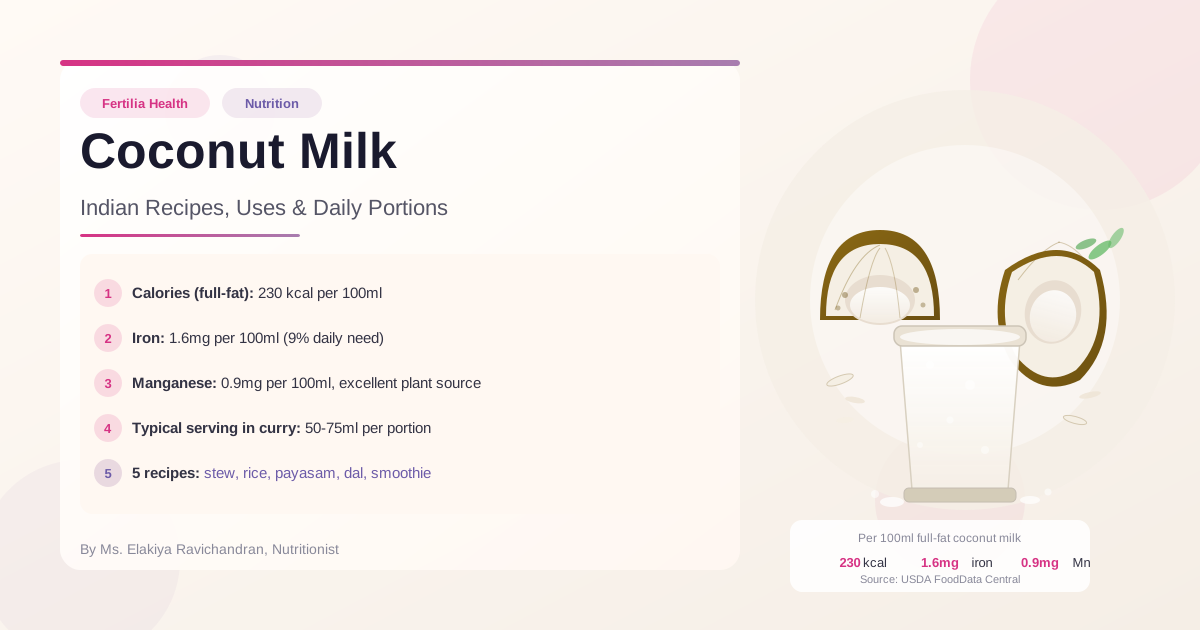
| Calories | 230 kcal |
| Fat | 23.8g |
| Protein | 2.3g |
| Carbohydrates | 5.5g |
| Dietary fibre | 2.2g |
| Iron | 1.6mg |
| Manganese | 0.9mg |
| Copper | 0.27mg |
| Potassium | 263mg |
| Folate | 16mcg |
A few practical notes:
Iron: 100ml provides about 9 percent of the daily iron requirement for adult women. When used as an ingredient alongside iron-rich foods like dal, green vegetables, or sesame seeds, it contributes meaningfully to daily iron intake.
Manganese: Coconut milk is one of the better plant-based sources of manganese. One cup of full-fat coconut milk covers nearly your entire daily manganese need.
Calories: Full-fat coconut milk is calorie-dense. However, the portions used in Indian cooking are modest. A curry that uses 200ml of coconut milk divided across four servings gives each person 50ml, which is about 115 kcal from the coconut milk. That is very reasonable within a balanced meal.
Light coconut milk has about 70 kcal per 100ml. If you are managing overall daily calories, substituting light coconut milk in curries works well, though the finished dish will be slightly less creamy.
How to Make Coconut Milk at Home
Fresh coconut milk takes about 15 minutes and delivers far better flavour than most packaged options.
What you need:
- 1 medium coconut (about 200 to 250g grated flesh after shelling)
- 250ml warm water for the first press
- 250ml warm water for the second press
- Muslin cloth or a fine-mesh strainer
Steps:
-
Break the coconut open and separate the white flesh. Optionally, peel the thin brown skin off the flesh if you want very white milk. This is cosmetic; it does not change the taste much.
-
Grate the coconut flesh finely, or blend it in a mixer jar.
-
Add 250ml of warm water to the grated coconut. Mix well by hand, or pulse for 30 seconds.
-
Pour through muslin cloth or a fine strainer. Squeeze firmly to extract all the liquid. This is your thick coconut milk (first press). Set aside.
-
Return the pressed coconut residue to the blender. Add another 250ml of warm water and repeat the process. This is your thin coconut milk (second press).
How to use each press in cooking:
- Thin milk: add early in cooking as the gravy base.
- Thick milk: add at the very end, stir gently over low heat, and remove from the flame in 2 to 3 minutes. High heat causes thick coconut milk to split.
Storage: Fresh coconut milk lasts 24 to 48 hours in the refrigerator. It will separate on standing; stir it before using. Do not freeze fresh coconut milk as the texture changes.
The pressed coconut residue left after making coconut milk is called coconut pulp or coconut meal. It can be added to laddoos, rotis, or chutneys. Nothing goes to waste.
5 Indian Recipes Using Coconut Milk
1. Kerala-Style Vegetable Stew (Ishtoo)
A mild, lightly spiced curry that is one of the most comforting dishes in South Indian cooking. Traditionally served with appam or idiyappam.
Ingredients (serves 4):
- 250g mixed vegetables: potato, carrot, green beans, green peas
- 250ml thin coconut milk
- 100ml thick coconut milk
- 1 medium onion, sliced thin
- 1 inch ginger, cut into fine matchsticks
- 10 peppercorns
- 2 cardamom pods, cracked
- 1 small cinnamon stick
- 3 cloves
- 1 sprig curry leaves
- 1 tbsp coconut oil
- Salt to taste
Method:
- Heat coconut oil in a wide pan. Add cardamom, cinnamon, cloves, and peppercorns. Stir for 30 seconds.
- Add onion and ginger. Cook over medium heat until the onion softens and turns translucent, about 6 to 8 minutes.
- Add vegetables and pour in the thin coconut milk. Bring to a gentle simmer. Cover and cook on low heat for 12 to 15 minutes, until vegetables are just tender.
- Add curry leaves and salt.
- Pour in thick coconut milk. Stir gently. Keep on very low heat for 2 to 3 minutes. Remove from the flame before it boils.
- Serve with appam, idiyappam, or soft bread.
2. Coconut Milk Rice (Thengai Paal Sadam)
A simple, fragrant rice that comes together quickly and works beautifully alongside a spicy pickle or a mild vegetable side dish.
Ingredients (serves 3 to 4):
- 1.5 cups raw rice, soaked for 30 minutes
- 200ml thick coconut milk
- 1.5 cups water
- 1 bay leaf (optional)
- 2 cardamom pods (optional)
- 1 tsp ghee
- Salt to taste
Method:
- Add soaked rice, coconut milk, water, salt, and whole spices to a pressure cooker or heavy pot.
- Add the ghee and stir gently.
- Pressure cook for 2 whistles. If cooking on the stovetop, simmer covered on low heat for 18 to 20 minutes.
- Fluff gently with a fork and serve warm.
Portion note: One cup of cooked coconut milk rice weighs about 200g and provides approximately 280 kcal.
3. Coconut Milk Payasam (Semiya Payasam)
The South Indian festival dessert. Toasted vermicelli simmered in coconut milk with jaggery and finished with ghee-fried cashews and cardamom.
Ingredients (serves 6):
- 1 cup semiya (vermicelli)
- 400ml thick coconut milk
- 200ml thin coconut milk
- 4 tbsp jaggery, powdered, adjusted to taste
- 1 tbsp ghee
- 2 tbsp cashews
- 1 tbsp raisins
- 3 cardamom pods, powdered
Method:
- Heat ghee in a heavy pan over medium heat. Fry cashews until golden. Add raisins and fry until they puff up. Lift out and set aside.
- In the same pan, add the semiya and toast, stirring, until it turns a light golden colour. This takes 3 to 4 minutes.
- Pour in the thin coconut milk. Stir and simmer on medium-low heat until the semiya is cooked through, about 8 to 10 minutes.
- Add the jaggery. Stir until fully dissolved.
- Pour in thick coconut milk and cardamom powder. Stir gently and warm over very low heat for 2 to 3 minutes. Do not boil.
- Top with the fried cashews and raisins. Serve warm or at room temperature.
Note on jaggery: Substituting jaggery for refined sugar adds small amounts of iron and calcium that refined sugar does not provide, along with a deeper, caramel-like flavour.
4. Coconut Milk Dal (Thengai Paal Paruppu)
A South Indian dal cooked with coconut milk instead of water. Richer and creamier than a regular dal tadka, with a mild sweetness from the coconut that pairs well with tamarind rice or plain rice.
Ingredients (serves 4):
- 1 cup toor dal, rinsed
- 200ml thin coconut milk
- 100ml thick coconut milk
- 2 tomatoes, chopped
- 1 medium onion, chopped
- 3 garlic cloves, minced
- 1 green chilli, slit
- 1/2 tsp turmeric
- 1 tsp cumin seeds
- 1 sprig curry leaves
- 1 tbsp oil
- Salt to taste
Method:
- Cook toor dal with turmeric and thin coconut milk in a pressure cooker until soft, about 4 to 5 whistles. If the dal absorbs all the liquid, add a little water.
- Lightly mash the cooked dal.
- In a separate pan, heat oil. Add cumin seeds. Once they splutter, add onion, tomatoes, garlic, and green chilli. Cook until soft, about 8 minutes.
- Add the mashed dal. Stir in thick coconut milk.
- Simmer for 5 minutes on low heat. Adjust salt. Finish with curry leaves.
- Serve with rice or roti.
Toor dal is a good source of protein and folate. Combined with coconut milk, this is a calorie-dense and warming meal, particularly useful during postpartum recovery when nutritional needs are higher.
5. Coconut Milk Banana Smoothie
A quick, filling breakfast or mid-morning snack that comes together in under five minutes.
Ingredients (serves 1):
- 100ml full-fat coconut milk
- 1 ripe banana (about 120g)
- 1/2 cup oats, soaked overnight in water
- 1 tsp honey (optional)
- Pinch of cardamom powder
- 80 to 100ml water, to adjust thickness
Method:
- Drain the soaked oats.
- Add all ingredients to a blender.
- Blend until smooth. Adjust water for your preferred consistency.
- Drink immediately.
Approximate calories: 300 to 320 kcal per serving. A good option when you need something fast and filling.
Daily Portions Guide
Coconut milk is calorie-dense. The good news is that Indian cooking uses it as a flavouring and cooking medium, not as a beverage to drink in large quantities. This means typical daily exposure through food is modest.
| Use | Typical Amount Per Serving |
|---|---|
| Curry or dal (cooking base) | 50 to 75ml per portion |
| Payasam or sweet dish | 75 to 100ml per portion |
| Rice cooked with coconut milk | 50 to 60ml per portion |
| Smoothie base | 100ml per drink |
Practical guidance by situation:
- General adult use: 50 to 100ml as a cooking ingredient, two to three times per week, fits easily into a balanced diet.
- Pregnancy: Up to 100 to 150ml total across the day in cooked dishes is reasonable. Using it as part of nutritious recipes such as vegetable stew or dal is a convenient way to add calories and minerals during pregnancy.
- Postpartum: Calorie needs are higher during lactation. Including coconut milk in one or two meals per day in the 50 to 100ml range per dish is a traditional and practical approach in South Indian postpartum cooking. For a full guide to postpartum eating, read our after delivery food guide for Indian mothers.
- PCOS: Coconut milk fits into a PCOS-friendly diet when used in measured portions as a cooking ingredient. For the full picture of food choices for PCOS management, read our insulin resistance and PCOS guide.
If you are using coconut milk as an occasional beverage (not as a cooking ingredient), 50ml diluted with an equal amount of water, two to three times per week, is a reasonable starting point.
Want to understand how your daily food choices fit into your overall health goals? WhatsApp Dr. Suganya’s team for a conversation about the Fertilia 90-day program.
Frequently Asked Questions
How long does coconut milk keep? Fresh homemade coconut milk lasts 24 to 48 hours in the refrigerator. Opened canned coconut milk keeps for 4 to 5 days in a sealed container in the fridge. If it smells sour or has an unusual texture, discard it.
Why does my coconut milk split in cooking? Thick coconut milk splits when it boils too vigorously or is added to a very hot pan. To prevent this, add thick coconut milk at the end of cooking and stir gently over the lowest heat setting. Thin coconut milk is more stable and tolerates higher cooking temperatures.
Is packaged coconut milk as good as fresh? Full-fat canned coconut milk from a reputable brand is a reliable substitute when fresh coconut is not available. Read the ingredient label. It should contain coconut milk and water only, with minimal additives. Many affordable brands in Indian supermarkets have clean, short ingredient lists.
Can I use coconut milk in tea or coffee? Yes. Thin coconut milk or light canned coconut milk works well. Warm it gently rather than boiling to prevent curdling. The taste is mildly sweet and creamy, different from dairy milk but pleasant in chai or black coffee.
Can children have coconut milk? Yes. Coconut milk is dairy-free and naturally gluten-free. In Indian cooking, dishes prepared with coconut milk are commonly fed to toddlers from around 12 months onward as part of cooked meals. As with any new ingredient, introduce it gradually and in reasonable amounts.
What is coconut cream and is it the same as coconut milk? Coconut cream is a more concentrated version of coconut milk. It contains more fat and more calories per 100ml (roughly 330 kcal versus 230 kcal). In Indian cooking, it is used in small amounts in certain sweets and rich desserts. For everyday curries and rice, standard coconut milk works better.
Coconut milk is one of those ingredients that earns its place in your kitchen not through novelty but through usefulness. It improves curries, enriches dal, makes payasam what it is, and adds depth to anything it touches.
The traditional Indian cooks who figured this out centuries ago were working from taste and experience. Modern nutritional data confirms that it is a genuinely useful ingredient to cook with, provided you use it in the portions that make sense for your overall daily diet.
If you want personalised guidance on how to build a daily diet that supports your specific health goals, Dr. Suganya’s team at Fertilia offers one-on-one consultation as part of the 90-day program. WhatsApp us to start a conversation.