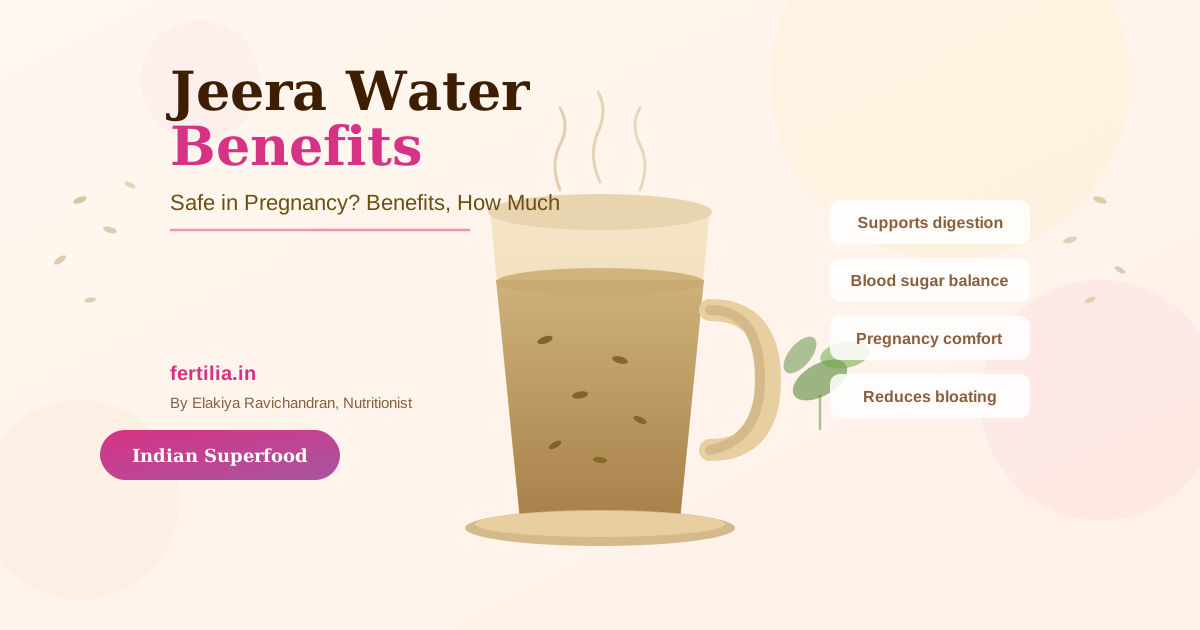
Your grandmother probably started her day with a warm glass of jeera water without thinking twice about it. She didn’t need a wellness trend to tell her it worked. And as it turns out, she was right.
Jeera water, also called cumin water, is one of those humble Indian kitchen remedies that has been quietly supporting women’s health for generations. It’s affordable, easy to make, and genuinely useful. But because it comes from your spice box rather than a supplement bottle, it often gets overlooked when women are searching for help with PCOS, pregnancy discomfort, or postpartum recovery.
This guide covers what jeera water offers nutritionally, who benefits most from it, and how to make it well. No hype, no dramatic claims. Just practical food guidance for Indian women.
What Is Jeera Water?
Jeera is the Hindi name for cumin, the small elongated seed that finds its way into almost every Indian dish. The seeds come from the Cuminum cyminum plant, and they have been used in Ayurvedic and Unani traditions for thousands of years.
Jeera water is made by soaking or boiling these seeds in water, then drinking the infused liquid. It pulls the water-soluble compounds from the seeds into the drink: essential oils, plant minerals, and fibre-related compounds that the whole seed would otherwise slowly release during digestion.
The result is a warm, slightly earthy drink that tastes like the opening note of a good tadka. Most people find it easy to develop a habit around, especially first thing in the morning.
Nutritional Profile: What’s Actually in Jeera
Before getting to the benefits, it helps to understand what jeera brings to the table nutritionally.
One teaspoon of jeera seeds (about 2 grams) contains:
- Iron: Roughly 1.4 mg, which is about 7% of the daily requirement for adult women (ICMR reference: 18 mg/day)
- Magnesium: A small but useful amount supporting muscle and nerve function
- Manganese: Important for bone health and carbohydrate metabolism
- Dietary fibre: Supports healthy digestion
- Volatile oils (including cuminaldehyde and thymol): Give jeera its characteristic aroma and are largely responsible for its digestive properties
When you make jeera water, you’re getting the water-soluble fraction of these compounds. The iron and magnesium transfer partly into the water, along with the volatile oils and some plant compounds.
It won’t replace a balanced meal or a prescribed supplement. But as a daily food habit, it’s genuinely useful, especially for women dealing with digestive sluggishness, or postpartum recovery.
Jeera Water for PCOS: A Helpful Daily Habit
Women with PCOS often tell us that digestive discomfort is one of their most overlooked symptoms: bloating after meals, sluggish digestion, and an energy dip in the afternoons. What you eat and drink every day, including simple habits like warm spiced water, plays a real role in how the body feels day to day.
For more on this, read our guide on Ajwain Water Benefits. Jeera water is a helpful daily habit for women managing PCOS. For the science behind how diet supports PCOS, read our complete PCOS and diet guide.
Practically speaking: starting your day with warm jeera water before breakfast can help prime your digestive system, reduce the bloating that many PCOS women experience in the mornings, and support more even energy levels through the day.
It’s one part of a larger picture. A jeera water habit alone won’t reverse PCOS. But it’s a genuinely supportive addition to a PCOS-friendly diet that focuses on whole grains, protein at every meal, and avoiding refined carbohydrates.
If you’re working through PCOS with lifestyle changes and want personalised nutrition guidance, WhatsApp us at +91 99402 70499 to speak with our nutrition team. We help women build sustainable food habits around PCOS.
Jeera Water During Pregnancy: Benefits and Simple Precautions
Pregnancy brings a specific set of digestive challenges. Bloating, gas, acidity, constipation, and nausea are incredibly common, especially in the first and second trimesters. This is a familiar complaint in almost every pregnancy, and jeera water has been used as a gentle remedy in Indian households for generations.
What it helps with during pregnancy:
Morning nausea and queasiness: Warm jeera water first thing in the morning can settle the stomach before you eat. The aroma compounds in jeera have a mild settling effect on the stomach, similar to ginger, and many women find it easier to tolerate than plain water on an empty stomach.
Gas and bloating: This is the most consistent benefit reported by pregnant women. Jeera water supports the movement of gas through the digestive system, reducing the uncomfortable pressure that can be especially bad after meals.
Constipation: The fibre compounds released into jeera water, combined with the additional fluid intake, support regular bowel movements. Given that iron supplements (commonly prescribed during pregnancy) can cause constipation, a daily cup of jeera water is a simple supporting habit.
Hydration: Pregnancy significantly increases fluid needs. Some women struggle to drink enough plain water, especially in the first trimester when tastes change. Warm jeera water, with its mild flavour, can be easier to drink consistently.
Simple precautions for pregnancy:
- Stick to one cup (200-250 ml) per day during pregnancy. This is a food-level amount, not a concentrated extract.
- Use it as warm water, not a concentrated decoction.
- If you have any pregnancy complications, or if your doctor has given you specific dietary restrictions, check with them first.
- Avoid commercially packaged “jeera water” products that add sweeteners or other ingredients. Make it fresh at home.
Jeera at the amounts used in normal cooking and in one daily cup of jeera water is a food-safe ingredient during pregnancy. It’s the same cumin you use in your tadka every day. A cup of jeera water is simply a concentrated version of that.
Jeera Water for Weight Management and Postpartum Recovery
One of the most common questions we get from women, particularly those managing PCOS weight or recovering after delivery, is whether jeera water can help with weight loss.
The honest answer: jeera water supports the conditions that make healthy weight management easier. It doesn’t burn fat directly, and it isn’t a shortcut. But it contributes in real, practical ways.
How jeera water supports weight management:
Reducing water retention and bloating: Many women mistake water retention and digestive bloating for actual fat. Jeera water, by supporting digestion and reducing gas retention, can make you feel lighter almost immediately. This isn’t weight loss, but it’s meaningful physical relief.
Supporting digestive comfort: When digestion is sluggish, energy levels dip and cravings tend to increase. Jeera water helps keep digestion moving comfortably, which makes it easier to eat consistently and well.
Replacing high-calorie morning drinks: Swapping a sweetened chai or flavoured drink for warm jeera water in the morning removes unnecessary sugar from the diet without requiring any willpower. Over weeks, this kind of simple substitution adds up.
For postpartum recovery specifically: New mothers in Tamil Nadu and across South India have traditionally been given spiced waters including jeera water as part of postpartum recovery (pathiya samayal). This traditional wisdom is sound. Jeera supports digestion at a time when the gut is still recovering from pregnancy and the demands of breastfeeding, and the iron content, while modest, is a small contribution toward replenishing iron stores after delivery.
How to Make Jeera Water: 3 Methods
Method 1: Overnight Soak (Simplest, Most Common)
- Add 1 teaspoon of jeera seeds to a glass of water (250 ml) before bed
- Let it soak overnight (6-8 hours)
- In the morning, strain the seeds out or drink it with the seeds
- Drink at room temperature or gently warm it
This method is the least effort and the one most consistently followed. The overnight soak extracts compounds slowly and gently.
Method 2: Boiled Jeera Water (Stronger Flavour, More Warming)
- Add 1 teaspoon of jeera seeds to 2 cups of water in a small pan
- Bring to a boil, then simmer for 5 minutes
- Strain and let it cool slightly
- Drink warm
This method produces a stronger, more aromatic drink. It’s particularly good on cold mornings or when you want something warming for digestion after a heavy meal.
Method 3: Dry-Roasted Jeera Water (Deepest Flavour)
- Dry roast 1 teaspoon of jeera in a pan for 1-2 minutes until fragrant
- Add to 2 cups of water and bring to a boil
- Simmer 3-4 minutes, strain, drink warm
Dry roasting enhances the flavour significantly. This is the version you’ll find in many traditional postpartum recipes.
When to Drink It:
- First thing in the morning on an empty stomach works well for digestive priming
- 30 minutes before meals if the goal is blood sugar support
- After dinner for digestion support, especially if evenings tend toward bloating
- During pregnancy, once daily is plenty
How Much: One teaspoon of seeds in one cup (250 ml) of water per day is a reasonable and traditional amount. There’s no benefit to drinking multiple cups throughout the day, and more isn’t always better with spiced waters.
Jeera Water With Variations: Traditional Add-Ons That Work
Jeera water works well on its own, but it also combines well with a few other common Indian kitchen ingredients:
Jeera + Saunf (fennel seeds): Soak half a teaspoon each of jeera and saunf overnight. Good for bloating and gas.
For more on this, read our guide on Saunf (Fennel Seeds) Benefits. Jeera + Ajwain (carom seeds): Boil together for a stronger digestive drink. Particularly useful for postpartum mothers. A very small amount of ajwain goes a long way.
Jeera + Coriander seeds (dhaniya): A traditional Ayurvedic cooling combination. Soak overnight and drink at room temperature. Useful in summer and during pregnancy when the body tends toward heat.
Jeera + Ginger: Add a small piece of fresh ginger while boiling. Useful for morning nausea and as a general digestive aid.
Keep these additions simple. The goal is a daily food habit that you can actually maintain, not a complicated ritual.
If you’d like personalised guidance on how to use nutrition, including simple daily habits like jeera water, to support your PCOS, fertility, or postpartum recovery, reach out to our nutrition team on WhatsApp at +91 99402 70499. We work with women across India to build food plans around real Indian ingredients.
Related Reading on Fertilia
- PCOS Diet Chart: What to Eat and Avoid (Indian)
- PCOS and Diet: Signs and What to Do
- Methi Water Benefits for Fertility, PCOS and Milk Supply
- Ragi Benefits for Indian Women
- Haldi Milk Benefits
- Pregnancy Diet Chart: Indian Foods for Each Trimester
- Postpartum Weight Loss: Safe and Evidence-Based Guide
- Breastfeeding Diet: What Indian Mothers Should Eat
Frequently Asked Questions About Jeera Water
Can I drink jeera water every day? Yes, one cup of jeera water per day is a safe and sustainable daily habit for most healthy adults. It’s essentially a spice infusion at food-safe quantities, not a concentrated supplement.
Is jeera water safe during the first trimester? Jeera water made from one teaspoon of seeds in one cup of water is generally considered safe during pregnancy, including the first trimester, because it’s the same jeera you use in daily cooking. If you have any first-trimester complications or your doctor has given specific dietary guidelines, check with them before adding anything new to your routine.
Can jeera water help with PCOS weight loss? Jeera water supports digestion and can help with bloating and day-to-day digestive comfort, which matters for women managing PCOS. It works as part of a broader food and lifestyle approach, not on its own. A PCOS-friendly diet focused on whole grains, adequate protein, and low-glycaemic foods is where most of the work happens.
Does jeera water reduce bloating? Yes, this is one of the most consistent things women notice after starting a daily jeera water habit. Most people find a difference within a week. The seeds have a long history as a digestive aid in Indian and Ayurvedic traditions, and this aligns with what our nutrition clients report.
Can I drink jeera water while breastfeeding? Yes. Jeera is a common ingredient in traditional postpartum food for breastfeeding mothers in South India. There’s no evidence of harm at culinary quantities, and it supports digestion and hydration, both of which matter for nursing mothers.
When is the best time to drink jeera water? Most people find it most useful first thing in the morning before breakfast. This primes digestion for the rest of the day. If your main concern is bloating after meals, try it 30 minutes before lunch or dinner instead.
Does boiling jeera water make it more effective than soaking? Both methods work. Boiling extracts more compounds and produces a stronger-tasting drink. Soaking overnight is gentler and more convenient for most people. The choice depends on your personal preference and schedule.
How is jeera water different from just eating jeera in cooking? When you soak or boil the seeds in water, you get a concentrated infusion of the water-soluble compounds directly. Eating jeera in a cooked dish is slower and more diluted. Both are beneficial, and jeera water is a simple way to get a focused daily dose without changing your meals.