The 3 AM feed goes smoothly. Then the 5 AM one. But by mid-morning, your baby seems unsettled, feeds more often than usual, and you start wondering whether you are producing enough milk.
This is one of the most common concerns among new mothers in the first four to six weeks. The good news is that the Indian kitchen is full of foods traditionally used to support breast milk supply during this period, and many of them are already in your home.
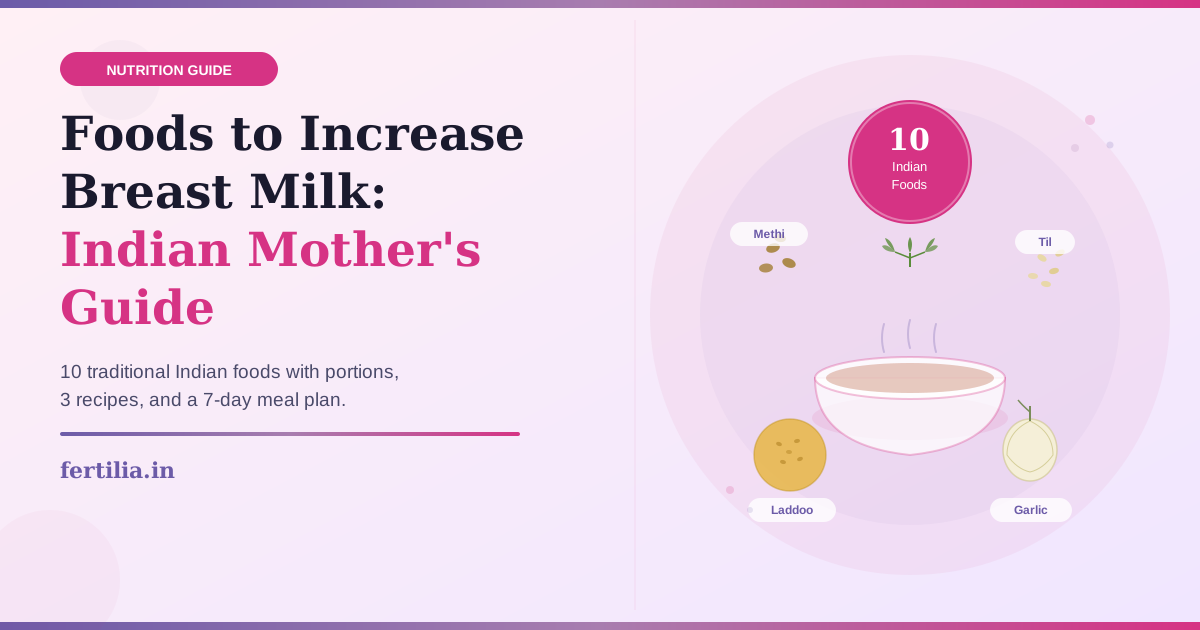
This guide covers ten Indian foods associated with breast milk support, their nutritional profiles, daily portions, preparation tips, a 7-day meal plan, and three complete recipes you can start this week.
For the full picture of breastfeeding nutrition including fluids, supplements, and what to limit, see our breastfeeding diet guide for Indian mothers.
Ten Indian Foods That Support Breast Milk Supply
1. Methi (Fenugreek Seeds)
Methi is the most widely used milk-supporting food in Indian postpartum tradition, from Punjab’s ajwain-methi laddoos to Tamil Nadu’s vendhaya kanji. A tablespoon of methi seeds provides approximately 4 g of protein, 3 g of fibre, 15 to 20 mg of calcium, and 3.7 mg of iron.
Daily portion: 1 to 2 teaspoons of seeds or 1 methi laddoo
How to prepare:
- Soaked methi seeds: soak 1 teaspoon overnight in warm water, drain, and eat in the morning before breakfast
- Methi dal: add a small handful of fresh methi leaves to your daily dal
- Vendhaya kanji: see recipe below
- Methi laddoo: traditional preparation with roasted methi seeds, whole wheat flour, jaggery, and ghee
For more preparation ideas, see our methi and fenugreek benefits guide.
2. Saunf (Fennel Seeds)
Saunf has been used in postpartum cooking and postpartum teas across South and North India. One tablespoon of fennel seeds provides approximately 2.3 g of fibre, 69 mg of calcium, and 1.1 mg of iron. Saunf water (plain or with a small piece of jaggery) is a common postpartum drink, particularly in the first two weeks.
Daily portion: 1 teaspoon in cooking or as saunf water, twice daily
How to prepare:
- Saunf water: steep 1 teaspoon of seeds in 1 cup of boiling water for 10 minutes, strain, and sip warm
- Added to rice, dal tadka, or jeera-saunf chaas (thin, spiced buttermilk)
- Mixed into postpartum masala powders with dry ginger and ajwain
For more on saunf’s nutritional profile and preparation ideas, see our saunf benefits guide.
3. Garlic (Lasun)
Garlic has a consistent presence in postpartum cooking traditions across Tamil Nadu, Rajasthan, and Maharashtra. Lasun doodh (garlic milk) and garlic-heavy dal tadka appear in almost every regional Indian postpartum tradition. One teaspoon of raw garlic provides manganese, vitamin B6, and sulphur compounds.
Daily portion: 4 to 6 cloves per day, cooked into meals
How to prepare:
- Lasun doodh: simmer 4 to 5 crushed cloves in 1 cup of milk with jaggery and a pinch of dry ginger. Serve warm once a day.
- Garlic dal tadka: finish your daily moong or masoor dal with a generous garlic tadka in ghee
- Garlic rasam: a warming South Indian preparation with whole garlic cloves, tamarind, and tomato
4. Dalia (Broken Wheat)
Dalia is a whole grain that provides slow-release energy across a long feed session. A 100-gram serving of dry dalia provides approximately 12 g of protein, 12 g of dietary fibre, and 3 mg of iron. It is also among the easiest grains to digest, which matters when the body is focused on recovery and nourishment.
Daily portion: 1 cup of cooked dalia per meal, once or twice a day
How to prepare:
- Sweet dalia: cook with milk, 2 to 3 dates, and a small piece of jaggery. A filling breakfast.
- Dalia khichdi: cook with moong dal, turmeric, soft vegetables (pumpkin, bottlegourd), and finish with ghee
- Dalia upma: tempered with mustard seeds, curry leaves, ghee, and soft-cooked onion and tomato
5. Ragi (Finger Millet)
Ragi is one of the most calcium-rich grains in the Indian kitchen, providing approximately 344 mg of calcium per 100 g of flour. It is also a source of iron, dietary fibre, and protein. Ragi kanji is a daily staple in South Indian postpartum care and is typically introduced from Day 3. For breastfeeding mothers, the calcium and iron content in ragi make it one of the most nourishing grains to include daily.
Daily portion: 1 to 2 cups of ragi kanji, or 1 ragi laddoo
How to prepare:
- Ragi kanji: thin porridge with a piece of jaggery and a teaspoon of ghee. Warm, filling, and easy to prepare one-handed.
- Ragi laddoo: rolled with ghee, jaggery, dry ginger powder, and optionally desiccated coconut
- Ragi dosa: a good breakfast option from Week 2 onwards
For the full nutritional breakdown, see our ragi benefits guide.
6. Moringa Leaves (Murungai Keerai)
Murungai keerai is particularly well-known in South Indian postpartum cooking as a nutrient-dense leafy green used during the nursing period. One 100-gram serving of fresh moringa leaves provides approximately 9 g of protein, 185 mg of calcium, and 4 mg of iron. It is higher in protein than most leafy greens available in Indian markets.
Daily portion: 1 small katori of cooked murungai keerai
How to prepare:
- Murungai keerai kootu: cooked with moong dal, grated coconut, and a cumin-mustard tadka (full recipe below)
- Murungai keerai rice: stir-fried with garlic, mustard seeds, and a little ghee, mixed into cooked rice
- Added to sambar: drumstick pieces plus a handful of moringa leaves in sambar is a classic Tamil postpartum meal
7. Til (Sesame Seeds)
Sesame seeds are a calcium and iron powerhouse in Indian cooking. One tablespoon provides approximately 88 mg of calcium and 1.3 mg of iron. Til laddoos are among the most widely distributed postpartum foods across South India and Maharashtra, and for good reason.
Daily portion: 2 to 3 tablespoons across the day, or 1 to 2 til laddoos
How to prepare:
- Til laddoo: see the full recipe below
- Til chutney: ground with coconut, green chilli, and ginger for a mineral-rich side
- Mixed into chutneys or sprinkled over cooked dal and vegetables
8. Lauki (Bottle Gourd)
Lauki is a water-rich vegetable traditionally included in postpartum cooking for hydration and its easily digestible nature. A 100-gram serving provides approximately 15 kcal and a significant amount of water. It is one of the most recommended vegetables in the first two weeks of postpartum recovery.
Daily portion: 1 cup of cooked lauki per meal, 3 to 4 times a week
How to prepare:
- Lauki dal: cooked with moong dal, turmeric, and a garlic-jeera tadka in ghee
- Lauki sabzi: cooked soft with cumin, coriander powder, and a small amount of yoghurt
- Lauki soup: soft-cooked with dal water, ginger, and salt. A warm, easily digestible option for the first week.
9. Jeera (Cumin Seeds)
Cumin is a kitchen staple in every postpartum tadka. One tablespoon of jeera provides approximately 57 mg of calcium, 4 mg of iron, and 1.1 g of protein. It is a standard ingredient in postpartum spice blends used across India.
Daily portion: 1 teaspoon in cooking, daily
How to prepare:
- Jeera water: boil 1 teaspoon of seeds in 2 cups of water for 5 to 10 minutes, strain, and sip warm throughout the day
- Tadka in every dal, sabzi, and kanji
- Jeera-saunf chaas: a traditional postpartum digestive drink with thin curd, roasted cumin, fennel seeds, and salt
10. Oats
Oats are among the higher-iron whole grains available in Indian kitchens. A 100-gram serving of rolled oats provides approximately 4 mg of iron, 10 g of protein, and 8 g of dietary fibre. They are widely used in Indian lactation recipes, often combined with methi seeds and jaggery.
Daily portion: 1 cup of cooked oats per day, as breakfast or a snack
How to prepare:
- Oats with dates and milk: cook oats in milk with 2 to 3 chopped dates and a pinch of cardamom. A quick and filling breakfast.
- Oats khichdi: cook with moong dal, a pinch of turmeric, and soft vegetables
- Oats laddoo: mix roasted oats with jaggery, ghee, and methi seed powder for a nutrient-dense snack ball
Wondering which of these foods to prioritise given your specific health and delivery? WhatsApp Dr. Suganya’s team at +91 99402 70499 for a personalised lactation nutrition plan.
7-Day Breastfeeding Meal Plan
This meal plan focuses on including milk-supporting foods at every meal. Use this from Week 2 of the postpartum period, once your appetite and digestion have settled from delivery.
| Day | Breakfast | Mid-Morning | Lunch | Snack | Dinner |
|---|---|---|---|---|---|
| Monday | Oats with dates and milk (1 cup) | Lasun doodh (garlic milk) | Dalia khichdi + lauki dal + ghee | 1 til laddoo + soaked almonds (8) | Ragi kanji + moong dal |
| Tuesday | Ragi dosa (2) + coconut chutney + ghee | Saunf water + 2 dates | Rice + murungai keerai kootu + garlic rasam | 1 ragi laddoo | Soft roti (2) + methi dal + curd |
| Wednesday | Sweet dalia with milk and jaggery | Soaked methi seeds + warm milk | Dalia khichdi + lauki sabzi + ghee | Oats laddoo (1 to 2) + 2 soaked figs | Rice + sambar + til chutney |
| Thursday | Idli (3) + sambar + coconut chutney + ghee | Jeera-saunf chaas | Soft roti (2) + garlic dal + lauki curry | 1 til laddoo + soaked almonds (8) | Ragi kanji + murungai keerai rice |
| Friday | Oats khichdi with moong dal | Lasun doodh | Rice + murungai sambar + saunf curd | 2 til laddoos + walnuts (4 halves) | Dalia khichdi + methi dal + ghee |
| Saturday | Ragi kanji + soaked almonds and dates | Saunf water + 2 dates | Roti (2) + lauki dal + paneer or egg curry | Oats laddoo + warm haldi milk | Rice + garlic rasam + moong dal |
| Sunday | Sweet dalia with figs and milk | Soaked methi seeds + warm milk | Ragi mudde + methi kootu + rasam | 1 ragi laddoo + 4 walnut halves | Soft roti (2) + murungai keerai kootu + curd |
Hydration: 10 to 12 glasses of warm fluids daily. Dal water, saunf water, jeera water, and lasun doodh all count toward this total.
Three Complete Recipes
Vendhaya Kanji (Fenugreek Porridge)
Makes: 1 cup (one serving)
Ingredients:
- 1 teaspoon methi seeds, soaked overnight and drained
- 2 tablespoons ragi flour
- 1.5 cups water
- 1 tablespoon palm sugar (karupatti) or jaggery, to taste
- 1 teaspoon ghee
- A pinch of salt
Method:
- Grind soaked, drained methi seeds with 1 tablespoon of water into a smooth paste.
- In a small saucepan, combine ragi flour, methi paste, and water. Stir until there are no lumps.
- Cook on low flame, stirring continuously, for 6 to 8 minutes until the porridge thickens.
- Add palm sugar or jaggery and stir until fully dissolved.
- Finish with ghee and serve immediately, warm.
This kanji is traditionally prepared from Day 3 onwards in Tamil Nadu and is a staple of the vendhaya (fenugreek) week of postpartum care.
Murungai Keerai Kootu (Drumstick Leaf with Moong Dal)
Makes: 2 to 3 servings
Ingredients:
- 2 cups fresh murungai keerai (moringa leaves), washed and stems removed
- 1/2 cup moong dal, washed
- 1/2 cup fresh grated coconut
- 1/2 teaspoon cumin seeds
- 2 to 3 green chillies (optional)
- 1 teaspoon coconut oil or ghee
- 1/4 teaspoon mustard seeds
- 2 to 3 curry leaves
- Salt to taste
Method:
- Pressure cook moong dal with 1 cup of water and a pinch of turmeric for 2 whistles. Set aside.
- In a pan, heat oil or ghee. Splutter mustard seeds and curry leaves.
- Add the moringa leaves and cook on medium flame for 3 to 4 minutes until just wilted.
- Add the cooked dal, grated coconut, green chilli (if using), and salt.
- Stir well and cook for another 2 to 3 minutes.
- Serve warm with rice as a side dish.
One serving of this kootu provides approximately 6 to 8 g of protein, 90 to 100 mg of calcium, and 2 mg of iron.
Til Laddoo (Sesame Jaggery Rounds)
Makes: 12 to 15 laddoos (store in an airtight tin for up to 2 weeks)
Ingredients:
- 1 cup white sesame seeds (til)
- 3/4 cup jaggery powder
- 2 tablespoons ghee
- 1/2 teaspoon dry ginger powder (sukku or sonth)
- 1/4 teaspoon cardamom powder
Method:
- Dry roast sesame seeds in a heavy pan on low flame, stirring constantly, until light golden and fragrant (about 5 minutes). Set aside to cool slightly.
- Heat ghee in the same pan and add jaggery powder. Stir on low flame until it melts and begins to bubble gently (about 3 minutes). Do not overheat.
- Turn off the flame. Add roasted sesame seeds, dry ginger powder, and cardamom. Mix well and quickly.
- While still warm and pliable, shape into small rounds, slightly smaller than a golf ball.
- Shape within 10 minutes of cooling as the mixture sets quickly. Once cool, it becomes crumbly and difficult to work with.
Each til laddoo provides approximately 130 to 150 kcal, 3 to 4 g of protein, and 88 mg of calcium from the sesame seeds alone.
Frequently Asked Questions
Which Indian food is best for increasing breast milk?
Methi seeds, garlic, and moringa leaves (murungai keerai) are the three most consistently used foods in Indian postpartum traditions for breast milk support. Including all three in your daily meals, rather than relying on one alone, gives your body the widest nutritional base. Most mothers who include a variety of these foods in a nourishing, well-hydrated diet notice a difference within the first week. For the complete picture of breastfeeding nutrition, see our breastfeeding diet guide.
How much methi should I eat daily while breastfeeding?
One to two teaspoons of methi seeds per day is the traditional amount. You can eat them soaked (overnight in warm water), added to dal, or in the form of methi laddoos or vendhaya kanji. Eating more than 2 teaspoons a day is not necessary and may make your breast milk or your baby’s urine smell faintly of maple syrup, which is normal but worth knowing about in advance.
Can I drink saunf water while breastfeeding?
Yes. Saunf water is a traditional postpartum drink across many parts of India. Steep 1 teaspoon of fennel seeds in a cup of boiling water for 10 minutes, strain, and sip warm. Two cups a day is a common amount. It is also traditionally used to ease postpartum gas and bloating.
What should I eat if my baby is having a growth spurt?
During a growth spurt, your baby feeds more often, which directly signals your body to produce more milk. The most important thing you can do nutritionally is eat enough overall: enough calories, enough protein (dal, eggs, paneer, chicken), and enough warm fluids. Include the foods in this guide at every meal. For personalised guidance specific to your situation, WhatsApp Dr. Suganya’s team at +91 99402 70499.
Is ragi good for breastfeeding mothers?
Yes. Ragi is one of the most nutrient-dense grains a breastfeeding mother can eat, with approximately 344 mg of calcium per 100 g of ragi flour. Calcium, iron, and overall nutrition all support the body’s ability to produce milk. Ragi kanji is a daily staple in South Indian postpartum care for these reasons, and ragi laddoos are a quick one-handed snack between feeds.
How many calories does a breastfeeding mother need per day?
Breastfeeding increases calorie needs by approximately 300 to 500 kcal per day above your usual intake. This does not mean eating for two: it means adding one or two extra snacks or a slightly larger serving at each meal. Laddoos (til or ragi), soaked dry fruits, warm milk, and dalia are calorie-dense and easy to eat even when you are short on time. Your overall food intake matters more than any single food.
What should I avoid eating while breastfeeding?
The full list of what to limit and avoid is in our breastfeeding diet guide, which covers caffeine, alcohol, strong-flavoured foods, and specific spices. Most traditional Indian postpartum foods are safe to eat while breastfeeding. For a complete picture of the postpartum kitchen and recovery foods, see our after delivery food guide for Indian mothers.
Building your milk supply is a week-by-week process. If you want a personalised meal plan that fits your tastes, your delivery type, and your schedule, WhatsApp Dr. Suganya’s team at +91 99402 70499 and ask for our lactation nutritionist.