Your grandmother made ragi java on cold mornings. Your mother packed ragi mudde in the school lunchbox. Somewhere along the way, many of us stopped eating it. Packaged cereals arrived, protein shakes took over, and ragi was left to the older corners of the kitchen.
Here is what did not change: ragi’s nutrition. While imported superfoods were getting rebranded and marketed at premium prices, this small, dark grain has been sitting in Indian pantries delivering calcium, iron, and slow-burning energy without fanfare.
This post covers what ragi actually contains, why it matters for Indian women at different stages of life, and practical ways to bring it back into daily meals.
What Makes Ragi So Nutritious?
Ragi (finger millet, botanical name Eleusine coracana) is a gluten-free grain that has been cultivated across South India, Karnataka, Andhra Pradesh, and Tamil Nadu for thousands of years. It is affordable, widely available, and among the most nutrient-dense grains found in the Indian market.
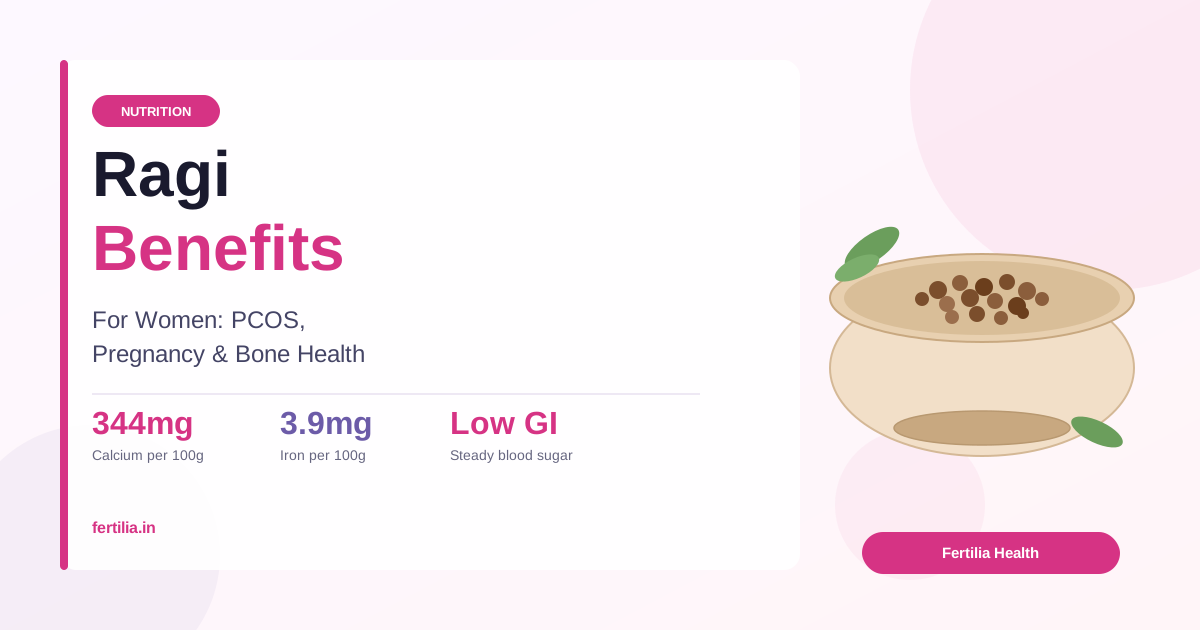
Here is what 100 grams of raw ragi contains, according to data from the Indian Council of Medical Research, National Institute of Nutrition (ICMR-NIN):
| Nutrient | Amount per 100g |
|---|---|
| Calcium | 344 mg |
| Iron | 3.9 mg |
| Protein | 7.3 g |
| Dietary Fibre | 3.6 g |
| Energy | 328 kcal |
| Phosphorus | 283 mg |
To put the calcium figure in perspective: 100 grams of ragi contains roughly three times the calcium of the same volume of whole milk (which has around 120mg per 100ml). Wheat flour delivers about 30mg of calcium per 100g. White rice has around 10mg. Ragi at 344mg is in an entirely different league.
This is why it has traditionally been given to pregnant women, new mothers, and growing children across South Indian households for generations. The nutritional data now confirms what those households already knew through practice.
Ragi for Women with PCOS
If you have PCOS, two of the most important nutritional priorities are blood sugar management and adequate iron, particularly if your periods are heavy or irregular. Ragi supports both.
Blood sugar stability: Ragi has a lower glycemic index compared to refined grains like white rice and maida. The dietary fibre slows the rate at which glucose enters the bloodstream, which means a more stable energy curve through the day rather than the spikes and crashes that refined carbohydrates cause. For women managing insulin resistance alongside PCOS, this is a meaningful advantage from a whole food rather than a supplement.
Iron support: Women with PCOS often experience heavier or more prolonged periods, which increases iron losses. At 3.9mg of iron per 100g, ragi is a useful addition to an iron-supporting diet. One important note: plant-based iron (non-haeme iron) is absorbed more efficiently when consumed alongside a Vitamin C source. A squeeze of lime over ragi porridge or a piece of tomato on the side makes a practical difference to how much iron your body actually takes in.
For a full guide on building a PCOS-supportive diet, including specific foods to include and foods that work against you, read the PCOS Diet Chart: What to Eat and Avoid. For breakfast ideas that include ragi as a staple, the PCOS-Friendly Indian Breakfast Ideas guide has twenty practical options.
For women managing insulin resistance specifically, the Insulin Resistance and PCOS guide covers the dietary approach in more depth.
Ragi During Pregnancy
Calcium and iron are two of the most critical nutrients during pregnancy. Ragi provides both in meaningful amounts from a whole food rather than requiring extra supplementation.
Calcium: The recommended daily calcium intake for pregnant women in India is approximately 1,200mg per day (per ICMR guidelines). A single cup of ragi java made with roughly 40 grams of ragi flour contributes approximately 130 to 140mg of calcium (based on ICMR-NIN values for raw ragi, with minor losses expected in cooking), which is a solid food-based contribution to the daily requirement.
Unlike calcium from supplements, which can sometimes aggravate constipation (a common complaint during pregnancy), ragi delivers calcium alongside dietary fibre that supports digestion.
For more on this, read our guide on Ajwain Water Benefits.
For more on this, read our guide on Saunf (Fennel Seeds) Benefits. Iron: Iron-deficiency anaemia is common during pregnancy, particularly in India. Ragi’s iron content, combined with a Vitamin C source at the same meal, adds to dietary iron intake in a gentle, food-based way. This complements rather than replaces prescribed iron supplementation.
Easy to digest: Ragi porridge (java) is one of the most easily digested preparations of this grain, making it particularly suitable during the first trimester when nausea can make heavier foods difficult to manage. It is also a traditional energy food during the second and third trimesters.
For a complete trimester-by-trimester guide on what to eat during pregnancy, including specific food recommendations for each stage, see What to Eat During Pregnancy: Indian Diet Guide.
Have questions about what to eat during pregnancy, or how to adapt your diet for PCOS? Dr. Suganya’s nutrition team at Fertilia Health can work out a personalised plan for you. WhatsApp us at +91 99402 70499 to start the conversation.
For more on this, read our guide on Jeera Water Benefits.
Ragi for Postpartum and Breastfeeding Mothers
The postpartum period places high demands on a new mother’s body. You are recovering from delivery, managing disrupted sleep, and often neglecting your own meals in the middle of caring for a newborn. Ragi is one of the most practical foods to include during this time.
Calcium replenishment: During breastfeeding, the body draws on calcium to produce milk. If dietary calcium intake is low, the body draws from its own bone stores. Regular consumption of ragi helps maintain calcium intake from food, supporting both milk production and the mother’s bone health through this period.
Sustained energy: Ragi provides complex carbohydrates that release energy gradually. This matters when you are waking every two hours through the night and need meals that keep you fuelled without crashing an hour later. Ragi laddoos, made with ragi flour, ghee, and jaggery, are a traditional postpartum food precisely because they are calorie-dense, warming, and quick to eat without preparation time.
Traditional postpartum foods with a nutritional basis: Many South Indian postpartum diets include ragi java cooked with ghee, dried ginger, and jaggery. Ghee adds energy, dried ginger supports digestion, and jaggery contributes iron and natural sweetness. This combination reflects practical nutritional wisdom developed over generations, not just tradition.
Ragi is one part of a well-supported postpartum recovery. For the full picture of the first 40 days after delivery, including what to eat, what to rest from, and how the body recovers, read the After Delivery Care: 40-Day Recovery Guide. For breastfeeding nutrition specifically, the Breastfeeding Diet: What Indian Mothers Should Eat covers daily meal planning in detail.
How to Eat Ragi: 7 Practical Indian Ways
Ragi is more versatile than most people realise. Here are seven everyday preparations that fit naturally into an Indian eating routine.
1. Ragi Java (Porridge) The simplest and most traditional preparation. Mix ragi flour with water, cook on low heat while stirring continuously to prevent lumps, and season with a pinch of salt. For a sweet version, add jaggery and a small spoon of ghee. Warm ragi java in the morning is gentle on digestion and keeps hunger at bay through the first half of the day.
2. Ragi Idli Replace 30 to 40 percent of the rice in idli batter with ragi flour or soaked ragi grains. The idlis come out slightly darker and denser, with a mild, earthy flavour. They pair well with sambar and coconut chutney.
3. Ragi Dosa Mix ragi flour with a small amount of rice flour, thin it with water, and make dosas on a hot tawa. Crisp-edged, slightly nutty in flavour, and an easy weekday breakfast.
4. Ragi Mudde A staple in Karnataka, ragi mudde are smooth balls made by cooking ragi flour in boiling water and shaping the dough while hot. They are traditionally eaten with saaru (rasam) or sambar. Dense, filling, and high in nutrition.
5. Ragi Laddoo Dry-roast ragi flour in a little ghee until it smells nutty, mix with powdered jaggery and cardamom, then roll into balls. These are a classic postpartum food and also work well as an afternoon snack during pregnancy or for anyone needing sustained energy through a busy day. They keep well in an airtight box for five to seven days.
6. Ragi Upma Use ragi flour in place of semolina. Temper with mustard seeds, curry leaves, green chilli, and onion, then add ragi flour gradually with water and stir continuously. A quick and filling breakfast or light dinner.
7. Ragi Roti Mix ragi flour with warm water and a pinch of salt to form a stiff dough. Pat or roll into thick rotis and cook on a dry tawa over medium heat. Pairs well with dal, any vegetable curry, or coconut chutney.
How Much Ragi to Include
There is no fixed prescription, and intake will vary depending on your overall diet, current health, and what suits your digestion. As a practical starting point, two to three servings per week is a reasonable target if you are not currently eating ragi at all.
One serving is roughly 40 to 60 grams of ragi flour, which works out to one cup of ragi java or two ragi rotis.
Eating ragi daily is also fine for most healthy women. Ragi does contain phytic acid (as do most whole grains and legumes), which in very large quantities can reduce mineral absorption from other foods in the same meal. At typical dietary amounts of one to two servings a day, this is not a practical concern.
If you have been prescribed a specific diet for kidney or metabolic conditions, check with your nutritionist before significantly increasing intake of any mineral-rich food, including ragi.
FAQ
Does ragi really have more calcium than milk? Yes. Raw ragi contains around 344mg of calcium per 100g, according to ICMR-NIN data. Whole cow’s milk contains around 120mg per 100ml. This makes ragi one of the most calcium-rich plant foods available in Indian kitchens, and a particularly valuable option for women who consume limited dairy or are looking to increase their calcium intake from food sources.
Can I eat ragi if I have PCOS? Yes. Ragi is well-suited for women with PCOS because of its lower glycemic index and high fibre content. Compared to refined grains, ragi keeps blood sugar levels steadier through the day, which supports energy management and reduces cravings. It also provides iron, which matters for women who experience heavier periods. The PCOS Diet Chart has a complete breakdown of which foods work well and which to limit.
Is ragi safe during pregnancy? Yes. Ragi has been used in Indian pregnancy diets for generations and is a safe, nutritious food at any trimester. Its calcium and iron content make it particularly useful during pregnancy. Ragi java is easy to digest and can be a good option even during the first trimester when nausea makes heavier foods difficult. It complements prescribed supplements and does not replace them.
What is the best time of day to eat ragi? Any time works, but many women find that a ragi-based breakfast (java, idli, or dosa) keeps them full and energised through the morning. Ragi laddoos are a good mid-afternoon snack. For postpartum mothers, a warm bowl of ragi java in the evening can provide a calming, calorie-rich meal before the night feed.
Can ragi support breastfeeding? Ragi is a traditional food for nursing mothers across South India, given through ragi java and ragi laddoos. While ragi is not a clinically established galactagogue (a food with proven milk-boosting properties), it provides the calcium and sustained energy that breastfeeding mothers need. Many lactation nutritionists recommend it as part of a nourishing postpartum diet.
What is the difference between ragi flour, ragi grain, and ragi malt? Ragi grain is the whole unprocessed seed. Ragi flour is made by milling the grain and is what most recipes use for java, dosa, idli, laddoo, and roti. Whole ragi grain has marginally more fibre. Ragi malt is a further-processed form, often sold as instant powder in supermarkets; it is convenient but may contain added sugar, so check the label before buying.
Where do I buy good quality ragi in India? Ragi flour and whole ragi grain are available at most kirana stores, supermarkets like Reliance Fresh, More, and D-Mart, and online on Amazon, BigBasket, and Flipkart. Look for stone-ground ragi flour without additives for the most nutritious option. Brands like 24 Mantra Organic and Organic India stock ragi products; store-brand options at supermarkets are usually fine too.
Ragi has earned its place in Indian kitchens over thousands of years. The nutritional science confirms what South Indian families already knew through practice: this affordable, accessible grain delivers calcium, iron, fibre, and sustained energy in a form that suits every stage of a woman’s life, from managing PCOS in her twenties to supporting a pregnancy, a postpartum recovery, and beyond.
If you want personalised guidance on how to build ragi into your diet based on your specific situation, whether that is PCOS, pregnancy, postpartum recovery, or general wellbeing, the Fertilia Health team is here to help.
Start a conversation on WhatsApp and Dr. Suganya’s team will work with you on a practical plan.