Every Indian meal ends the same way: a small bowl of saunf by the door on your way out.
Not the sugar-coated candy version. Plain saunf. The kind your grandmother pressed into your palm after every lunch, and the kind that still sits in the little dish at the counter of every South Indian restaurant and wedding reception. This post-meal ritual of chewing saunf is one of the oldest, most universal food habits in India. It is not just about freshening your breath.
This guide covers what saunf actually contains, why it has stayed in Indian food culture for generations, how to make saunf water at home, and the many ways this one small seed shows up in everyday Indian cooking.
What Is Saunf?
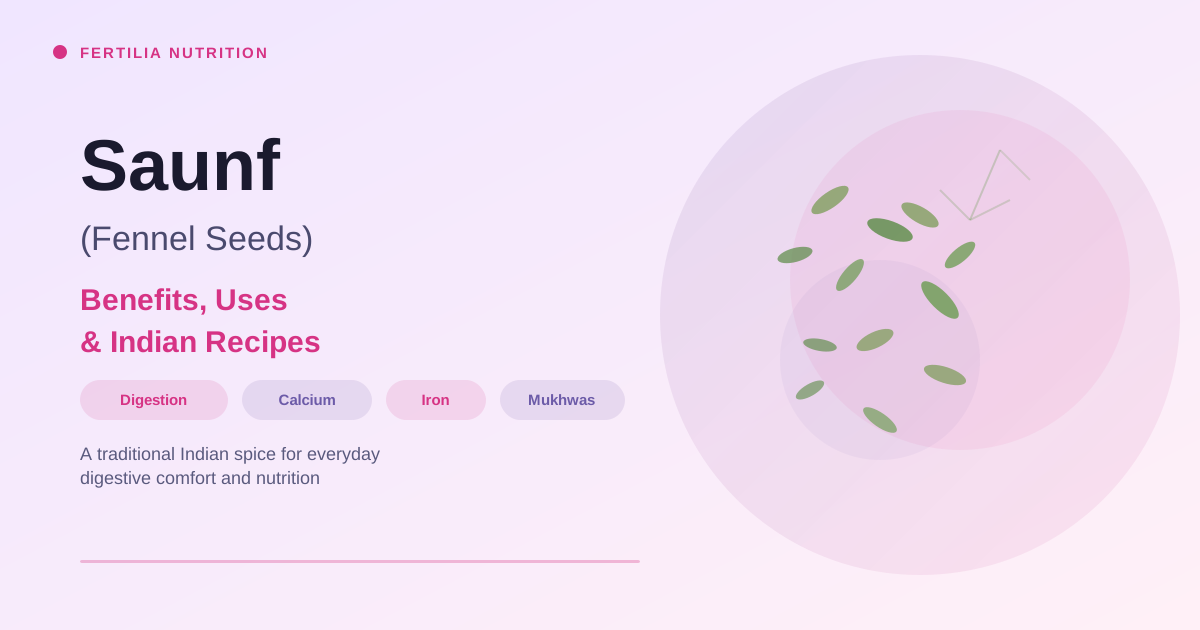
Saunf is the Hindi and Tamil name for fennel seeds (Foeniculum vulgare). They are the dried seeds of the fennel plant: small, pale green to yellowish, oval-shaped, with fine ridges running along each seed. Their flavour is distinctive, sweet, mildly liquorice-like, and much gentler than anise.
Fennel is native to the Mediterranean but has been part of Indian cooking and Ayurvedic food tradition for centuries. Today it is grown extensively in Gujarat and Rajasthan, where India is among the world’s largest producers of fennel seeds.
In the kitchen, saunf appears as a mukhwas ingredient, a tempering spice in curries and dals, a flavouring in chai, and as the base for a refreshing saunf water. It is one of those rare spices that works equally well in a savoury masala and a sweet mouth freshener.
Nutritional Profile: What Saunf Contains
One tablespoon of fennel seeds (about 6 grams) provides:
- Dietary fibre: Approximately 2 grams, which supports healthy digestion and steady appetite
- Calcium: About 69 mg, a meaningful contribution alongside dairy, ragi, and leafy greens
- Iron: Approximately 1 mg, useful for women building daily iron intake through food
- Potassium: Around 130 mg, contributing to fluid and mineral balance
- Vitamin C: Small amounts adding to daily intake
- Manganese: Saunf is a notable plant source of manganese, which supports bone health and enzyme function
- Calories: Roughly 20 kcal per tablespoon, making it a nutrient-dense, low-calorie addition
The characteristic aroma of saunf comes from anethole, its primary essential oil. Anethole is what gives saunf that sweet, slightly anise-like quality. When you make saunf water, the essential oils and water-soluble plant compounds infuse into the liquid, giving it a light, refreshing flavour that is nothing like the concentrated sharpness of eating the raw seed.
Why Saunf Is Used for Digestion
The use of saunf as a digestive aid is one of the most well-established food traditions in India, and the practical reasons are easy to understand.
Saunf is carminative: This is the food science term for a spice that helps ease gas and bloating. Fennel seeds are one of the gentlest carminative spices used in Indian cooking, alongside jeera and ajwain, though saunf is notably milder and sweeter than either. When you chew saunf after a meal, the aromatic oils help the digestive tract relax and make it easier for gas to pass.
Chewing the seeds activates digestion: The act of chewing itself stimulates saliva production, which begins the digestive process in the mouth. The fibre in the seeds adds a small mechanical element. Chewing saunf after a meal is not just about flavour: it is a gentle digestive trigger that Indian food culture has used for generations.
Saunf works especially well after heavy Indian meals: A plate of rice, two sabzis, dal, and curd is nutritious but also gas-producing for many people. The tradition of offering saunf after such a meal is not arbitrary. Saunf’s mild, sweet flavour and carminative character make it easy to eat even on a full stomach.
Saunf water is a gentler version: If you prefer not to chew seeds, saunf water captures the same essential oils in an easy-to-drink form. The effect is milder but builds up as a daily habit.
Women managing PCOS often report bloating and digestive heaviness as regular discomforts. For the food and lifestyle approach to PCOS management, read our complete PCOS diet and lifestyle guide. Adding saunf water as a daily habit is a small, useful part of the broader picture.
Have questions about what to eat for your specific health situation? WhatsApp our nutrition team at +91 99402 70499 for personalised food guidance rooted in Indian ingredients and your actual daily routine.
How to Make Saunf Water at Home
Saunf water is one of the simplest drinks to prepare and requires nothing beyond the saunf already in your spice drawer.
Cold Saunf Water (Refreshing, Best in Summer)
- Add 1 tablespoon of saunf to 2 cups of water
- Let it soak overnight or for 4 to 6 hours
- Strain the seeds and drink the pale, slightly green-tinted water
- Add a few mint leaves while soaking for a cooling effect
Cold saunf water has a light, naturally sweet flavour. It is essentially calorie-free and makes an excellent summer drink, especially in Tamil Nadu, Andhra, and Karnataka where summers are intense. It is also an old remedy for keeping the body cool from within.
Warm Saunf Water (Better for Bloating Relief)
- Add 1 teaspoon of saunf to 1.5 cups of water
- Bring to a gentle boil, then reduce heat and simmer for 5 minutes
- Strain the seeds and drink while warm
- Add a small piece of jaggery if you prefer it slightly sweet
Warm saunf water is more aromatic and more immediately effective for digestive discomfort than cold. This is the version traditionally made in Indian households for postpartum mothers, for anyone with a heavy, uncomfortable stomach, and as a general winter warming drink.
When to drink it: About 30 minutes after your main meal, or first thing in the morning as a daily habit. One cup per day is plenty.
Saunf and Jaggery Drink (A South Indian Favourite)
- Soak 1 tablespoon saunf in 2 cups of water overnight
- Strain in the morning and add one small piece of jaggery (about 5 grams)
- Stir until dissolved and drink chilled
This is a traditional Tamil summer drink. The mild sweetness of jaggery rounds out the fennel, and the combination is genuinely refreshing. It is also a way to get a small amount of iron from both the saunf and the jaggery in one drink.
Saunf in Everyday Indian Cooking
Beyond saunf water, this spice appears throughout Indian cooking in ways you may already be using without thinking about it.
Mukhwas: The post-meal mouth freshener. Plain saunf, or saunf mixed with sesame seeds, desiccated coconut, and a touch of sugar, is standard at Indian homes, restaurants, and weddings. It freshens breath and supports digestion at the same time. Making your own saunf mukhwas at home takes five minutes.
For more on this, read our guide on Sesame Seeds (Til). Panch Phoron: Saunf is one of the five spices in Panch Phoron, the Bengali spice blend used in dals and vegetable dishes. It adds a distinctive sweetness to the tempering that balances mustard seeds, fenugreek, kalonji, and cumin.
Biryani and pulao tempering: Whole saunf seeds are added to the hot oil at the start of many biryani and pulao recipes. They bloom in the oil, releasing their aroma and adding a sweet background note that lifts the overall flavour.
Dal tadka: Adding a few saunf seeds to a dal tadka alongside jeera and hing gives the dal a slightly sweeter, more layered flavour. This is common in Rajasthani and Gujarati dal preparations and works equally well in everyday South Indian cooking.
Saunf chai: A few seeds added to your regular chai while brewing gives the tea a lighter, sweeter character. Kashmiri kahwa also uses fennel as one of the base spices.
Postpartum food: Saunf is a traditional ingredient in postpartum recovery recipes across Tamil Nadu, Karnataka, and Maharashtra. It appears in warming spiced waters given to new mothers, in small amounts in pathiya samayal (the traditional postpartum diet), and as part of the spice mix in recovery laddoos.
Traditional Uses for Women’s Health
Saunf has been used in Indian food tradition specifically for women’s health for a very long time. It appears in Ayurvedic food texts as a cooling, nourishing ingredient, and it shows up in traditional pregnancy and postpartum food protocols across South India.
For women managing PCOS, saunf is often mentioned alongside other seed spices like methi and jeera as part of food-based daily habits. Read our PCOS food and lifestyle guide for the clinical picture on how food choices support PCOS management overall.
For pregnancy, saunf used as a culinary spice or in a daily cup of saunf water is part of normal Indian food culture. Many women find it helpful for the nausea and digestive discomfort that are common in the first trimester. For a full picture of what to eat at each stage of pregnancy, see our Indian pregnancy diet chart.
For postpartum recovery, saunf’s role in traditional South Indian pathiya samayal reflects what generations of Indian women already knew: it is a warming, digestive, and nourishing spice that belongs in the recovery kitchen.
Quick Saunf Recipe Ideas
Simple Saunf Mukhwas Dry roast 2 tablespoons of saunf in a pan for 2 minutes until fragrant. Mix with 1 tablespoon of roasted sesame seeds, 1 tablespoon of desiccated coconut, and a pinch of jaggery powder or sugar. Store in a small airtight jar. Eat a small palmful after meals.
Saunf Chai Add 1/4 teaspoon of saunf seeds to your regular chai masala when brewing. The saunf adds sweetness without overpowering the ginger and cardamom. It is particularly pleasant in the evenings.
Saunf Raita Dry roast 1/2 teaspoon saunf until fragrant, then crush lightly using a mortar. Stir into curd with a pinch of roasted jeera powder, a few curry leaves, and salt. This is a digestive-friendly accompaniment to rice meals.
Saunf and Jeera Water Combination Soak 1/2 teaspoon each of saunf and jeera in 2 cups of water overnight. Drink chilled in the morning. This combination targets both gas and bloating and is useful for women who experience regular digestive discomfort. Read our jeera water guide for more on jeera water specifically.
Saunf-Spiced Dal Add 1/2 teaspoon of saunf seeds to your tempering oil alongside jeera and hing. It rounds out the flavour of plain toor dal or moong dal in a way that garlic and ginger cannot replicate.
How to Buy and Store Saunf
Buying: Look for saunf that is uniformly pale green, not yellowed or dusty. Fresh saunf has a clearly detectable sweet, anise aroma when you open the bag. Grey-brown seeds with a weak smell indicate old stock.
Storing: Keep saunf in an airtight steel or glass container, away from direct light and heat. Your regular spice drawer works well. Properly stored, saunf holds its flavour and aroma for 1 to 2 years.
Daily amounts: A tablespoon of seeds in saunf water, or a small palmful chewed as mukhwas after meals, is a practical daily amount. Saunf is a food, not a supplement. The amounts used in traditional Indian cooking and daily habits are what this guide covers.
If you want personalised guidance on building a daily food routine around Indian ingredients, whether you are managing PCOS, preparing for pregnancy, or recovering postpartum, reach out to our nutrition team on WhatsApp at +91 99402 70499. We help women across India build food habits that fit their actual kitchen and their daily life.
Related Reading on Fertilia
- Jeera Water Benefits: PCOS, Pregnancy and Weight Loss
- Ajwain Water Benefits: Digestion, Pregnancy and Bloating
- Methi Water Benefits: Fertility, PCOS and Milk Supply
- Ragi Benefits: Why Every Indian Woman Should Eat It
- Haldi Milk Benefits: What Research Shows
- Jaggery Benefits: Is It Really Better Than Sugar?
- PCOS Diet Chart: What to Eat and Avoid (Indian)
- Pregnancy Diet Chart: Indian Foods for Each Trimester
Frequently Asked Questions About Saunf
Can I eat saunf every day? Yes. Saunf as a daily post-meal mukhwas or in saunf water is a traditional, sustainable food habit. One tablespoon of seeds in water or a small handful chewed after meals is a practical and safe daily amount for most adults.
Is saunf water the same as eating saunf seeds? No, they deliver the benefits differently. Eating the seeds directly gives you the fibre and the full concentration of essential oils, and the chewing process stimulates saliva and digestion more actively. Saunf water is a gentler, more diluted preparation that is easier to make into a daily routine. Both are useful.
Does saunf help with bloating? Saunf is one of the most widely used carminative spices in Indian cooking, meaning it supports the digestive tract in easing gas and bloating. The effects are most noticeable when you eat saunf after a full meal or drink warm saunf water after the evening meal.
Is saunf safe during pregnancy? Saunf used as a culinary spice or in a daily cup of saunf water is part of normal Indian food culture during pregnancy. It is the same spice used in biryani tempering and daily cooking. For guidance specific to your pregnancy, speak with your doctor or reach out on WhatsApp.
What is the difference between saunf and anise seeds? Both contain anethole, which gives them a similar flavour profile, but fennel (saunf) is notably sweeter and milder. Anise has a sharper, more medicinal taste. They come from different plants. Most Indian cooking uses saunf.
How is saunf different from jeera and ajwain? All three are carminative Indian seed spices that support digestion. Jeera is earthy and warming. Ajwain is sharp and strongly medicinal. Saunf is the gentlest and sweetest of the three. Combining saunf and jeera in the same water makes a mild digestive drink that addresses both gas and bloating. Read our ajwain water guide and jeera water guide for comparisons.
Can I use saunf in postpartum cooking? Yes. Saunf is a standard ingredient in traditional Indian postpartum recovery food across South India, including in spiced waters, warming laddoos, and dal preparations. It is considered a digestive, nourishing spice well-suited to the postpartum recovery period.