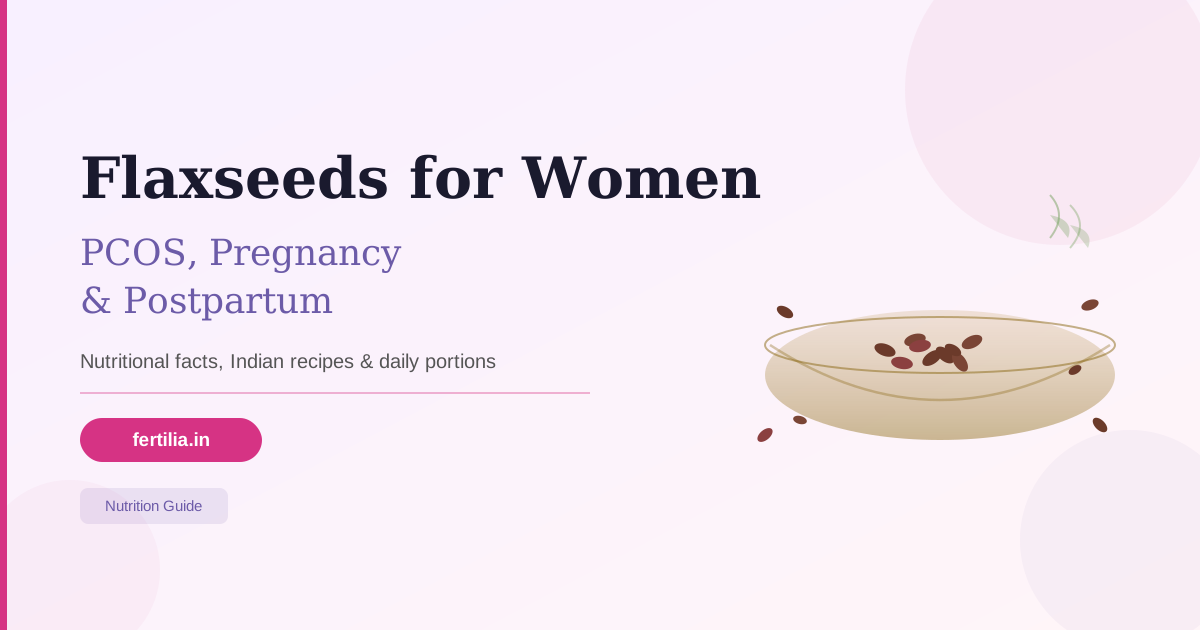
You have probably walked past a bag of alsi (flaxseeds) at the grocery store more than once without picking it up. Maybe you have seen it listed in a health article and wondered if it is actually useful or just another trend. The answer is that flaxseeds are genuinely worth adding to your daily kitchen, and they work beautifully with the Indian cooking style you already follow.
Alsi has been used in Indian households for generations, especially in North India, where alsi ladoo is made for new mothers during the postpartum period. It is inexpensive, easy to find in any provision store, and can be added to everyday foods without changing the taste much.
This guide covers everything practical: what flaxseeds contain, how much to eat at each stage of life, and five easy Indian recipes you can make this week.
For the science behind how flaxseeds support PCOS management, read our complete guide to insulin resistance and PCOS.
What Are Flaxseeds? Names, Varieties, and Where to Find Them
Flaxseeds are small, flat, oval seeds with a mild, nutty flavour. They are called by different names across India:
- Hindi / North India: alsi, tisi
- Tamil: ali vidhai, aali vidhai
- Telugu: aviselu, avise ginja
- Kannada: agase
- Marathi: jawas, atasi
Both brown and golden varieties are nutritionally similar. Brown flaxseeds are more commonly found in Indian grocery stores. Golden flaxseeds have a slightly milder taste and are often available at organic stores or online.
Nutritional Facts (per 1 tablespoon / 10 g, ground)
| Nutrient | Amount |
|---|---|
| Calories | 55 kcal |
| Protein | 1.9 g |
| Total Fat | 4.3 g |
| Omega-3 Fatty Acids (ALA) | 2.3 g |
| Dietary Fibre | 2.8 g |
| Calcium | 26 mg |
| Magnesium | 40 mg |
| Iron | 0.6 mg |
| Lignans | Rich plant source |
Source: USDA FoodData Central.
One tablespoon of ground flaxseed gives you a meaningful amount of omega-3 ALA, nearly 3 grams of fibre, and a contribution toward your daily calcium and magnesium needs, all in around 55 calories.
Whole Seeds vs Ground Flaxseed: Which to Use
Always use ground flaxseed rather than whole seeds. Whole flaxseeds have a tough outer coat that often passes through the digestive system intact, which means your body misses most of the nutrients inside. Grinding the seeds first breaks this coat and allows full absorption.
You can grind flaxseeds at home using a small mixer or a coffee grinder. Grind only as much as you need for the next two to three weeks and store the ground powder in an airtight container in the fridge. Grinding a large batch and leaving it at room temperature can cause the fats to go stale.
Flaxseeds for PCOS: A Practical Food Choice
Flaxseeds are a useful addition to a PCOS meal plan. They are high in fibre, which supports digestion and helps you feel full for longer. Their low glycemic index fits well with other PCOS-friendly staples like ragi, jowar, dal, and dahi.
Here are some simple ways to include flaxseed in a PCOS-focused daily routine:
- Stir 1 tablespoon of ground flaxseed into your morning dahi or lassi
- Add 2 tablespoons of ground flaxseed to 1 cup of wheat, jowar, or ragi flour when making rotis
- Mix into ragi kanji or oat porridge at breakfast
- Add to homemade chutneys or podi for a nutty depth of flavour
Flaxseeds pair naturally with the PCOS-friendly Indian breakfast ideas already on this site. For the clinical explanation of why these food choices support PCOS management, see our PCOS diet and insulin resistance guide.
A good starting amount for PCOS is 1 tablespoon of ground flaxseed per day. Give yourself one to two weeks at 1 teaspoon before jumping to a full tablespoon, so your digestion can adjust.
Egg health tip: If you are also focusing on egg quality, download our free Egg Health Food Guide for a complete list of foods, daily portions, and meal timing that support reproductive nutrition.
Flaxseeds During Pregnancy: Nutritional Contribution
Flaxseeds contribute three nutrients that are part of a well-rounded pregnancy diet: omega-3 ALA, dietary fibre, and magnesium.
Omega-3 ALA: Flaxseeds are the richest plant-based source of ALA omega-3 fatty acids. Including flaxseeds alongside other omega-3-containing foods like walnuts, til (sesame), and cold-pressed oils supports a varied pregnancy diet.
Dietary fibre: Ground flaxseed adds a gentle fibre boost to meals. Drink plenty of water alongside.
Magnesium: Each tablespoon provides around 40 mg of magnesium, contributing toward your daily pregnancy needs.
Portion During Pregnancy
One tablespoon (10 g) of ground flaxseed per day is a good amount. The easiest ways to include it during pregnancy:
- Mix into your roti or paratha dough
- Stir into a bowl of dahi or raita
- Add to a bowl of ragi kanji or oat porridge
- Blend into a banana or mango smoothie
For a full overview of Indian foods by trimester, read our pregnancy iron-rich foods guide for how to pair flaxseed with an iron-rich eating pattern.
Flaxseeds for Postpartum Recovery
After delivery, your body needs sustained nutrition for recovery. Flaxseeds fit well into the postpartum period for two reasons in particular.
Fibre for digestion: Bowel function can be sluggish in the first one to two weeks after delivery. Ground flaxseed in meals adds a gentle daily fibre contribution. Pair it with adequate water intake through the day.
Energy-dense preparation: The early postpartum period is not the time for calorie restriction. The traditional alsi ladoo, made with roasted flaxseeds, jaggery, and ghee, provides good fat, natural sugars, and fibre in a warming, easy-to-eat form. It has been made for new mothers in Rajasthani and North Indian households for generations for good reason.
One to two tablespoons of ground flaxseed per day works well in the postpartum period, either in laddoo form or mixed into porridge, raita, or paratha.
For a full Indian postpartum meal guide, read our complete after-delivery food guide for Indian mothers.
Want a meal plan that builds flaxseed and other key foods into your daily routine? Message us on WhatsApp and our nutrition team will put together a plan based on your stage of life and food preferences.
5 Easy Flaxseed Recipes for the Indian Kitchen
Recipe 1: Alsi Ladoo (Flaxseed Laddoo)
This traditional postpartum sweet from North India needs just a handful of ingredients and takes about 20 minutes.
Makes: 10 to 12 small laddoos Time: 20 minutes
Ingredients:
- 1 cup (100 g) whole flaxseeds
- 3 tablespoons jaggery powder (adjust to taste)
- 1 tablespoon ghee
- 1/4 teaspoon cardamom (elaichi) powder
- 2 tablespoons dry desiccated coconut (optional, helps with binding)
Method:
- Dry-roast flaxseeds in a heavy-bottomed pan on medium heat, stirring continuously, until they begin to pop lightly and smell nutty (about 5 minutes). Watch carefully as they can burn quickly.
- Remove from heat and cool completely (at least 10 minutes).
- Grind to a coarse-to-medium powder in a mixer. Leave some texture rather than grinding to a fine flour.
- Mix in jaggery powder, elaichi powder, and desiccated coconut if using.
- Add warm ghee and mix thoroughly with your hands.
- Shape into small balls while the mixture is still slightly warm. If the mixture is too dry to hold shape, add one more teaspoon of ghee.
- Store in an airtight box at room temperature for up to 5 days.
Daily portion: 1 to 2 laddoos per day.
Recipe 2: Alsi Chutney Podi (Flaxseed Podi)
A dry chutney podi in the South Indian style that pairs beautifully with idli, dosa, or plain rice with ghee.
Makes: About 200 g (one jar) Time: 15 minutes
Ingredients:
- 3 tablespoons whole flaxseeds
- 3 tablespoons white sesame seeds (til)
- 5 to 6 dried red chillies (adjust to taste)
- 1 teaspoon jeera (cumin seeds)
- 3 tablespoons dry-grated coconut
- 1/4 teaspoon hing (asafoetida)
- Salt to taste
- 1 teaspoon oil for roasting
Method:
- Dry-roast flaxseeds and sesame seeds together in a pan on medium heat, stirring, until the sesame turns light golden. Set aside to cool completely.
- In the same pan, add a drop of oil and lightly roast the red chillies and jeera on low heat for about 1 to 2 minutes until fragrant. Cool.
- Dry-roast the grated coconut in a dry pan until lightly golden. Cool.
- Combine all cooled ingredients in a mixer jar. Add hing and salt.
- Grind to a coarse powder. Do not over-grind.
- Store in an airtight glass jar at room temperature for up to 2 weeks.
To serve: Mix 1 teaspoon of podi with a little ghee or sesame oil and use as a side with idli or dosa, or mix into plain rice.
Recipe 3: Flaxseed Roti
The simplest way to add flaxseed to a daily meal without changing your cooking routine.
Makes: 6 to 8 rotis Time: 20 minutes
Ingredients:
- 1 cup (120 g) whole wheat atta (or jowar flour for a gluten-free version)
- 2 tablespoons ground flaxseed
- Water for kneading
- Salt to taste
- Ghee or oil for cooking
Method:
- Combine the flour, ground flaxseed, and salt in a bowl.
- Add water gradually and knead to a soft, smooth dough. Rest for 10 minutes.
- Divide into 6 to 8 portions. Roll out thinly on a floured surface.
- Cook on a hot tawa, flipping once, pressing the edges gently. Finish on the open flame if you prefer a light char.
- Brush with a little ghee before serving.
The flaxseed blends into the dough and does not noticeably change the taste. The roti has a very slightly denser texture, which most people find satisfying.
Recipe 4: Flaxseed Raita
A quick cooling side dish that works with any Indian meal.
Makes: 2 servings Time: 5 minutes
Ingredients:
- 1 cup (250 g) fresh dahi (full-fat or toned)
- 1 tablespoon ground flaxseed
- 1/2 cucumber, grated (squeeze out excess water)
- 1/4 teaspoon roasted jeera powder
- Salt to taste
- Fresh coriander leaves for garnish
Method:
- Whisk the dahi until smooth.
- Add ground flaxseed and whisk again until well combined.
- Stir in grated cucumber, jeera powder, and salt.
- Top with coriander and a pinch of red chilli powder if you like.
- Serve chilled alongside roti, rice, or as a standalone snack.
Recipe 5: Alsi Ragi Kanji (Flaxseed Porridge)
A warming breakfast or evening snack, especially useful during postpartum and pregnancy.
Makes: 1 serving Time: 10 minutes
Ingredients:
- 2 tablespoons ragi flour
- 1 tablespoon ground flaxseed
- 1 cup water (or milk for a creamier consistency)
- 1 teaspoon jaggery (optional)
- A pinch of cardamom (elaichi) powder
- Chopped dates or dry fruits to top (optional)
Method:
- Whisk ragi flour and ground flaxseed together with 3 tablespoons of cold water to form a smooth, lump-free paste.
- Bring the remaining water or milk to a gentle boil in a small saucepan.
- Pour in the ragi-flaxseed paste while stirring continuously.
- Cook on low heat for 3 to 4 minutes, stirring, until the porridge thickens to your preferred consistency.
- Sweeten with jaggery, stir in elaichi powder, and pour into a bowl.
- Top with chopped dates or a few pieces of coconut if desired.
This recipe pairs well with the ragi-based ideas in our ragi benefits guide for women. Both ragi and flaxseed are worth making a regular part of your morning routine.
How Much Flaxseed to Eat: A Quick Reference
| Life Stage | Recommended Daily Amount | Best Form |
|---|---|---|
| PCOS | 1 tablespoon (10 g) | Ground, mixed into dahi, roti, or porridge |
| Pregnancy | 1 tablespoon (10 g) | Ground, in meals or roti dough |
| Postpartum | 1 to 2 tablespoons (10 to 20 g) | Ladoo, podi, porridge, or raita |
| General maintenance | 1 tablespoon (10 g) | Any of the above |
Starting tip: If you have not eaten flaxseed regularly before, start with 1 teaspoon per day for the first week, then increase to 1 tablespoon. This gives your digestive system time to adjust to the additional fibre.
Water intake: Flaxseed is high in soluble fibre. Drink 8 to 10 glasses of water through the day when you eat flaxseed regularly. Without enough water, the fibre can have the opposite effect on digestion.
How to Buy and Store Flaxseeds
Buying:
- Choose whole flaxseeds over pre-ground powder where possible. The omega-3 fats in flaxseed oxidise once the seed is ground, so buying whole and grinding at home gives you fresher nutrition.
- Brown and golden varieties are nutritionally similar. Brown flaxseeds are easier to find in Indian provision stores and local kirana shops.
- Look for seeds with a uniform colour and no musty smell.
- Many grocery apps (BigBasket, JioMart) stock 250 g to 500 g packs at reasonable prices.
Storing whole flaxseeds:
- Keep in an airtight container in a cool, dry spot away from direct sunlight.
- Whole flaxseeds stay fresh this way for up to 12 months.
Storing ground flaxseed:
- Grind small batches of 2 to 3 tablespoons at a time rather than a large batch.
- Store ground flaxseed in an airtight container in the refrigerator.
- Use within 2 to 3 weeks. After this point, the fats can go stale and the taste turns bitter.
Have a question about adding flaxseeds to your daily routine? Message us on WhatsApp and our team will get back to you within 24 hours.
Frequently Asked Questions
Should I eat whole or ground flaxseeds? Ground flaxseed is always the better option for nutrition. Whole flaxseeds have a tough outer coat that your digestive system often cannot break down fully. Grinding the seeds at home in a small mixer takes about one minute and makes all the difference in absorption.
Can I eat flaxseeds during pregnancy? Yes, flaxseeds are a safe and nutritious addition to a pregnancy diet. One tablespoon of ground flaxseed per day is a good amount. Start at 1 teaspoon if you are new to eating flaxseed and increase gradually over one to two weeks. Drink plenty of water alongside.
Can I eat flaxseeds during breastfeeding? Ground flaxseeds are a nutrient-dense food that many postpartum and breastfeeding women eat regularly. The traditional alsi ladoo has been given to new mothers in Indian households for generations. One to two tablespoons per day in food form is a practical amount for the postpartum period.
How much flaxseed should I eat per day? One tablespoon (approximately 10 g) of ground flaxseed per day is a good starting point for most women. For the postpartum period, you can go up to 2 tablespoons daily. Always introduce it gradually if you are new to eating flaxseed regularly.
What is the easiest way to add flaxseed to Indian cooking? The three easiest methods are: knead 2 tablespoons of ground flaxseed into 1 cup of roti flour (the taste barely changes), stir 1 tablespoon into dahi or raita before serving, or add 1 tablespoon to ragi kanji or oat porridge. These require no extra cooking steps and fit into a routine within a day or two.
Which is better: brown or golden flaxseeds? Both are nutritionally almost identical. Brown flaxseeds are more common in Indian stores and tend to be cheaper. Golden flaxseeds have a slightly milder flavour and are popular in baking. Either works perfectly for the recipes in this guide.
Do I need to soak flaxseeds before eating? No, soaking is not required. Soaked whole flaxseeds form a gel but may still not be fully absorbed. The most effective preparation is grinding the seeds before eating. If you prefer a gel texture (for smoothies or kanji), you can soak 1 tablespoon of whole seeds overnight in half a cup of water, then blend before adding to your recipe.