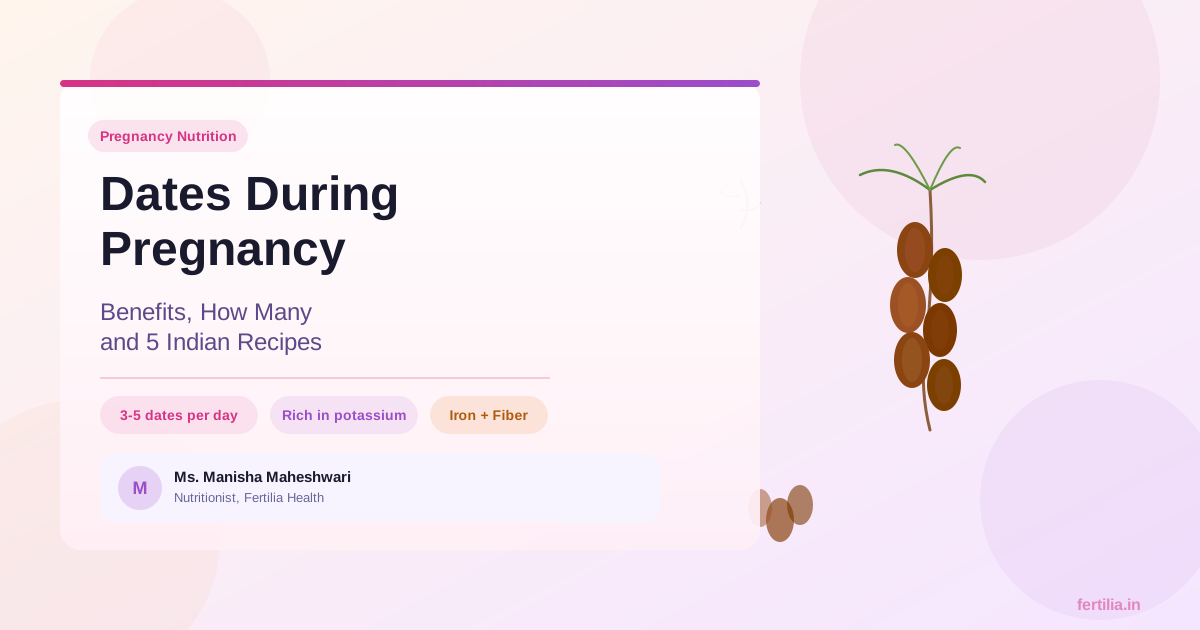
Ask any grandmother in a South Indian household what to eat during pregnancy, and khajoor will almost certainly be on her list, alongside almonds, dry coconut, and a cup of warm milk. Dates have been part of the Indian pregnancy kitchen for generations, and the nutritional case for including them is solid.
For more on this, read our guide on Dry Fruits During Pregnancy. Dates are dense with fiber, minerals, and natural sugars. They require no cooking, keep well for weeks, and pair easily with other traditional pregnancy foods. This guide covers the nutritional profile of dates, how many to eat per day, and five practical ways to build khajoor into an Indian pregnancy diet.
What Is in a Date? The Nutritional Profile
Not all dates are the same. The two varieties most commonly available in India are:
Medjool dates (the large, soft, darker variety): plump, sweet, and easy to find in supermarkets and dry fruit shops. Higher moisture content, richer flavour.
Deglet Noor dates (smaller, firmer, lighter brown): drier, slightly less sweet, and often used in cooking or mixed into trail mixes.
Both are nutritionally valuable. The numbers below are for Medjool dates, which are more widely consumed in Indian households during pregnancy (Source: USDA FoodData Central).
| Nutrient | Per Medjool date (~24g) | Per 100g |
|---|---|---|
| Calories | 66 kcal | 277 kcal |
| Carbohydrates | 18 g | 75 g |
| Natural sugars | 16 g | 66.5 g |
| Dietary fibre | 1.6 g | 6.7 g |
| Potassium | 167 mg | 696 mg |
| Magnesium | 13 mg | 54 mg |
| Iron | 0.2 mg | 0.9 mg |
| Copper | 0.09 mg | 0.36 mg |
| Folate | 3.6 mcg | 15 mcg |
| Vitamin B6 | 0.06 mg | 0.25 mg |
| Calcium | 15 mg | 64 mg |
Fiber is one of the most immediately practical nutrients in dates during pregnancy. Three dates provide close to 5g of fiber, a meaningful portion of the 25-30g daily target. Constipation is a common discomfort during pregnancy, and adding fiber-rich foods throughout the day (rather than only at dinner) is one of the most effective dietary adjustments you can make.
Potassium is present in meaningful amounts in dates (696mg per 100g), making them one of the richer sources among commonly eaten Indian dry fruits and fruits.
Magnesium is a mineral many Indian diets run low on. Dates are one of the simpler ways to add a small but consistent amount without any preparation.
Iron content in dates is modest per serving (0.9mg per 100g), but it adds up over 3-5 dates a day. Dates also contain copper. For a full iron-focused food plan during pregnancy, see our complete iron-rich foods guide.
Natural sugars in dates provide quick energy. During pregnancy, especially in the first trimester when nausea can make large meals difficult, 2-3 dates between meals offer a fast, gentle energy source that is easier on the stomach than a full snack.
How Many Dates During Pregnancy?
Three to five dates per day is the standard nutritionist recommendation for most pregnant women.
Here is how that portion looks across varieties:
| Daily portion | Medjool dates | Approx. weight | Fiber | Natural sugars |
|---|---|---|---|---|
| Smaller serving | 3 dates | ~72g | ~5g | ~48g |
| Standard serving | 4-5 dates | ~100-120g | ~7-8g | ~66-80g |
Three dates is a practical starting point. Build up to four or five if you find you want more, but five per day is the upper end of what most nutritionists suggest as a comfortable daily maximum. Dates are calorie-dense (about 66 kcal per Medjool date), so eating more than five a day regularly can add a significant amount of extra calories and sugar to your diet.
Spreading your dates across the day works better than eating all of them together. Two dates with breakfast and two to three as an afternoon snack gives you their benefits (energy, fiber, minerals) at two different points rather than a single large sugar load.
If you have been diagnosed with gestational diabetes, check with your doctor or nutritionist before adding dates regularly, since portion guidance for high-natural-sugar foods needs to be individualised in that context. For a trimester-by-trimester nutrition framework, our Pregnancy Diet Chart is a good starting reference.
When in Pregnancy to Eat Dates
Dates can be added to your diet in any trimester.
First trimester: The small, easy-to-eat format works well when food aversions make full meals unappealing. Two to three dates with warm milk or almond milk is a simple, fast option when nothing else sounds good. The fiber helps with digestion, which tends to slow in early pregnancy.
Second trimester: Many women find their appetite improves after the first trimester. This is a good time to build the date habit into daily snacking and to try some of the recipes below.
Third trimester: Khajoor is especially popular in the Indian pregnancy kitchen from the seventh month onward. For the full picture on what third-trimester nutrition involves, read our Pregnancy Week by Week guide.
Want personalised guidance on what to eat through each stage of your pregnancy?
Chat with Dr. Suganya’s team on WhatsApp for nutrition support from a Fertilia nutritionist who understands Indian food and Indian pregnancies.
5 Indian Ways to Eat Dates During Pregnancy
The simplest approach is to eat 2-3 pitted dates with a glass of warm milk as a mid-morning or afternoon snack. But if you want variety, here are five practical, India-friendly options.
1. Date and Milk Smoothie
Blend 3 pitted Medjool dates with 1 cup of full-fat warm milk, a pinch of cardamom (elaichi), and 4-5 soaked almonds. Blend until smooth.
This takes under three minutes and gives you calcium, natural sugars, iron, and protein in one glass. It works particularly well in the first trimester when the warm, sweet taste is easy on a sensitive stomach.
Variation: add half a ripe banana for a thicker smoothie and an extra boost of potassium.
2. Date Ladoo with Til and Coconut
Blend 10 pitted dates in a food processor until they form a sticky paste. Add 2 tablespoons of lightly roasted sesame seeds (til), 2 tablespoons of desiccated coconut, and a small handful of finely chopped cashews or almonds. Mix well and roll into small balls (about the size of a marble).
Store in an airtight container in the fridge for up to a week. One or two ladoos make a satisfying snack that combines iron and calcium from the sesame seeds, healthy fats from the nuts, and natural sweetness from the dates without any added sugar.
3. Dates in Ragi Kanji or Morning Porridge
Chop 2 dates finely and stir them into your morning ragi kanji, oats porridge, or wheat daliya while it is still warm.
The dates dissolve slightly into the hot porridge and sweeten it naturally, replacing the need for sugar or jaggery. You get the fiber from the ragi plus the minerals and natural sugars from the dates in one bowl. This is one of the most practical ways to hit your daily date portion without any extra effort.
For the full picture on why ragi is a strong pregnancy food, our ragi benefits guide covers its nutritional profile in detail.
4. Stuffed Dates with Almond or Coconut
Remove the seed from a large Medjool date, press in one whole almond or a small pinch of fresh grated coconut, and close it gently.
No cooking, no preparation time. Each stuffed date is a small, self-contained snack that you can prepare in batches at the beginning of the week. A combination of natural sugars, healthy fat, and a little protein. Keep them in a small container in the fridge and take them out as needed.
5. Date and Walnut Energy Mix
Combine 2 pitted dates (chopped into small pieces), 5 almonds, 2 walnuts, and a small handful of pumpkin seeds in a container. Keep it in your bag or on your desk.
This mix requires no preparation and gives you a portable snack that combines the quick energy from dates with the protein and healthy fat from nuts and seeds. Better than reaching for a biscuit when hunger strikes between meals.
A Sample Day With Dates Built In
Here is a sample day showing how dates fit naturally into a typical Indian pregnancy meal plan (this example has 7 dates across the day):
| Time | Meal or Snack | Dates Included |
|---|---|---|
| 7:00 AM | Ragi kanji or wheat porridge | 2 chopped dates stirred in |
| 10:30 AM | Date and milk smoothie | 3 dates blended with milk and almonds |
| 1:00 PM | Rice, dal, sabzi, curd | None |
| 4:00 PM | Stuffed dates with almond | 2 stuffed dates as an afternoon snack |
| 8:00 PM | Roti, sabzi, dal | None |
Total: 7 dates across the day. If this is more than you are aiming for, drop either the smoothie or the afternoon snack. Three dates a day is enough to get meaningful nutritional value; five is the comfortable upper range for most women.
The goal is to spread them across two or three eating occasions, not to eat them all at once.
For a full meal plan across all three trimesters, our Indian Pregnancy Diet Chart is structured to help you plan meals around what each trimester nutritionally requires.
Common Questions About Dates in Pregnancy
Are dates too high in sugar for pregnancy?
Dates contain natural sugars along with fiber, which makes them a more nutritious choice than refined sweets. Three to five dates a day is a well-tolerated amount for most pregnant women. The key is portion size: five dates is not the same as twenty, and spreading them across the day is better than eating them all at once.
Can dates cause gestational diabetes?
Dates do not cause gestational diabetes. If you already have gestational diabetes, check with your doctor or nutritionist about how dates fit into your specific meal plan before adding them regularly.
Is jaggery or dates better as a sweetener during pregnancy?
Both are better choices than refined sugar for most pregnant women, because both contain minerals (iron, potassium, magnesium) that white sugar does not. Dates are higher in fiber and lower in glycemic index. Jaggery has a different mineral profile. For everyday cooking, using either in place of refined sugar is a practical upgrade. Our jaggery benefits guide has a full comparison.
Can I eat dates if I have low haemoglobin?
Dates contain iron, but the iron content per serving is modest. They are a useful addition to a diet that includes other iron-rich foods, but they are not a treatment for iron deficiency anaemia on their own. For a food-first approach to iron intake during pregnancy, our iron-rich foods guide covers both the best sources and how to improve iron absorption from meals.
FAQ: Dates During Pregnancy
How many dates should I eat per day during pregnancy?
Three to five Medjool dates per day is the standard nutritionist recommendation for most pregnant women. Start with two to three dates a day and build up gradually. Spread them across the day rather than eating them all together, and keep total intake to five or fewer per day to stay within a practical calorie and sugar range.
Can I eat dates in the first trimester?
Yes. Dates are safe to eat from the first trimester onward. In fact, the first trimester is when many women find dates most useful, because they are easy to eat when food aversions make larger meals difficult. Two to three dates with warm milk is a simple, nourishing option when nothing else appeals.
Are dates good for pregnancy nausea?
Some women find that small amounts of natural sugar help settle mild nausea. A couple of dates with water or warm milk is a gentle option to try. Dates are not a specific remedy for pregnancy nausea, but they are a soft, easy-to-digest food that tends to be well-tolerated even on days when other foods are not.
Is it safe to eat dates every day during pregnancy?
Yes. Three to five dates a day as a regular part of your diet is safe for most pregnant women throughout all three trimesters. They are a whole food with no additives or preservatives when eaten fresh or unsweetened. The one situation to check first is if you have gestational diabetes: in that case, talk to your doctor before making dates a daily habit.
Which is better during pregnancy: fresh dates or dry dates?
Both are the same fruit at different stages of ripeness. Dry dates (the kind most commonly sold in Indian dry fruit shops) are lower in moisture, slightly more concentrated in calories and sugars, but nutritionally similar to fresh Medjool dates in terms of minerals and fiber. Dry dates are more practical to keep at home. Fresh Medjool dates are more enjoyable to eat. Either works well in pregnancy.
Can dates replace iron supplements during pregnancy?
No. Dates contain modest amounts of iron (about 0.9mg per 100g), which is helpful as part of a varied diet but cannot replace prescribed prenatal iron supplements. Iron supplements are prescribed at therapeutic doses based on your blood results. Continue any prescribed supplements as directed by your doctor. Dates are a food, not a supplement.
What is the best way to eat dates during pregnancy?
The easiest way is two to three dates with a glass of warm full-fat milk as a mid-morning snack. The combination is filling, easy to digest, and gives you calcium, natural sugars, and minerals in one serving. If you want variety, the date and milk smoothie (3 dates blended with milk and soaked almonds) and the date ladoo with til and coconut are two recipes that come together in under five minutes.
Your pregnancy diet does not need to be complicated. A small daily habit like including three to five dates works best when it fits naturally into what you are already eating.
If you would like a nutritionist to look at your full pregnancy diet and suggest practical, Indian-food-friendly adjustments, Dr. Suganya’s team at Fertilia is here to help.
Chat with us on WhatsApp and tell us where you are in your pregnancy. We will take it from there.
Written by Ms. Manisha Maheshwari, Nutritionist at Fertilia Health.