Your mother probably kept a small jar of ajwain near the spice rack for one specific reason: when someone’s stomach was off, she reached for it first.
A pinch of ajwain with warm water after a heavy meal. A small cup of ajwain water for a new mother. A warming drink on a cold night when digestion felt sluggish. This is how ajwain, or carom seeds, has quietly been part of Indian households for generations, not as a trendy superfood, but as a reliable kitchen remedy.
This guide covers what ajwain water actually contains, the different ways to make it, and how this traditional Indian drink fits into modern food habits for women managing digestion, bloating, PCOS, or postpartum recovery.
What Is Ajwain and Ajwain Water?
Ajwain is the Hindi and Tamil name for carom seeds, the small, ribbed seeds from the plant Trachyspermum ammi. They belong to the same family as cumin and fennel, and they share that family’s strongly aromatic character, though ajwain is sharper, more medicinal, and much more pungent than either.
In Indian cooking, ajwain goes into parathas, pakoras, dal tadkas, and spiced laddoos. In traditional households, it appears in postpartum recovery foods, warming winter drinks, and as a go-to remedy for digestive discomfort.
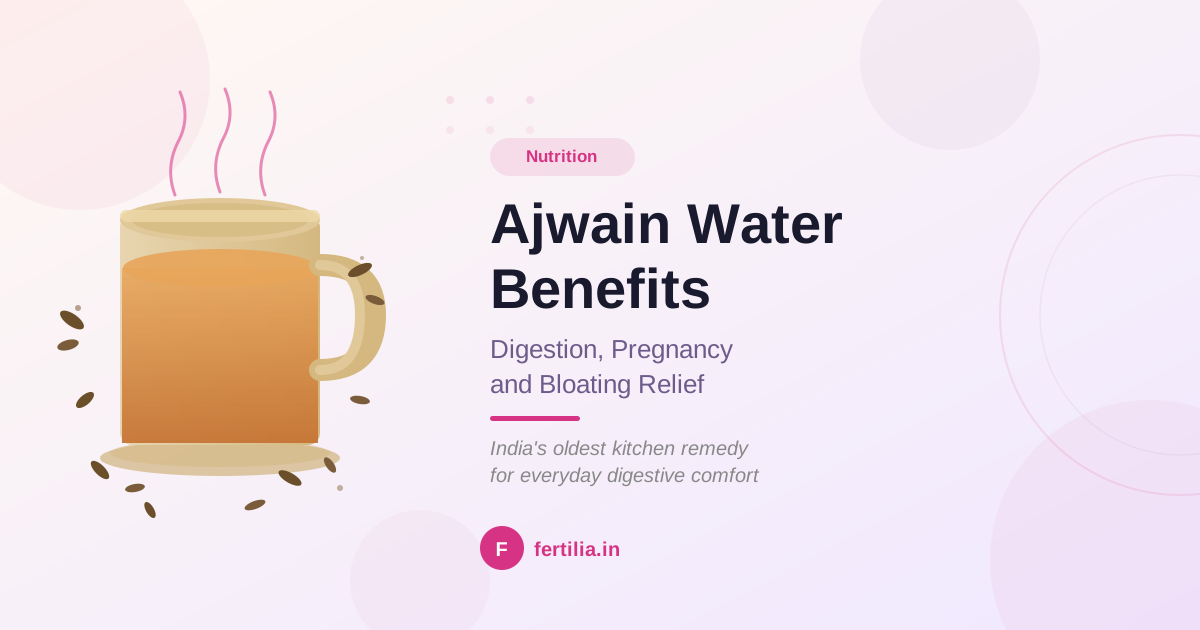
Ajwain water is made by soaking or boiling ajwain seeds in water, straining out the seeds, and drinking the infused liquid. The result is pale, slightly cloudy, and strongly aromatic. The flavour is sharp and slightly bitter, much more concentrated than you would expect from such a tiny seed.
It is an acquired taste. But it is also the kind of drink that, once you associate it with the relief it brings, becomes easy to reach for habitually.
Nutritional Profile: What Ajwain Seeds Contain
One teaspoon of ajwain seeds (roughly 2-3 grams) provides:
- Dietary fibre: Small amounts that support digestive movement
- Iron: A modest contribution toward daily needs, useful for women managing anaemia or postpartum recovery
- Calcium: Small amounts that add to daily intake alongside dairy and leafy greens
- Phosphorus: Present in small amounts, contributing to general nutrition
- Calorific value: Minimal. Ajwain water is essentially calorie-free
The sharp, medicinal aroma of ajwain comes from its essential oil content, particularly thymol, the same compound found in thyme. Thymol gives ajwain its distinctive flavour and is responsible for the warmth you feel when you eat even a small amount of raw seed. When you make ajwain water, the aromatic oils infuse into the water along with the water-soluble plant compounds.
One cup of ajwain water made from one teaspoon of seeds is a food item. It is the same ajwain you already use in your kitchen, just in an infused form that is easy to drink daily.
Ajwain Water for Digestive Comfort and Bloating
Bloating and digestive heaviness after meals are two of the most common complaints we hear from women, particularly those managing PCOS, recovering postpartum, or dealing with the digestive changes that come with pregnancy.
Ajwain water is one of the simplest food-based additions you can make to your daily routine for this. It has been used as a digestive remedy in Indian kitchens for centuries, and the reasons are practical:
Warm spiced liquids support digestion: Warm liquids in general ease the movement of food through the digestive tract. Adding ajwain to that warm water makes it more aromatic and slightly carminative, which is the technical word for gas-expelling. You’ve experienced this if you’ve ever noticed that ajwain in a paratha makes the meal feel lighter than a plain one.
It works best after large meals: The traditional timing of ajwain water after a heavy meal is well-established in Indian food culture. A cup of warm ajwain water about 30-45 minutes after your largest meal is the simplest starting point.
Morning use for bloating that starts early: If you notice bloating first thing in the morning before you have even eaten, drinking warm ajwain water before breakfast can help prime digestion for the rest of the day.
For women with PCOS, where digestive slowness and bloating are common complaints alongside other symptoms, building consistent food habits matters. Ajwain water is a practical daily addition. For the full picture of how food supports PCOS management, read our PCOS diet guide.
If you’d like personalised nutrition guidance for PCOS, pregnancy, or postpartum recovery, reach out to our nutrition team on WhatsApp at +91 99402 70499. We build food plans around real Indian ingredients that you already have at home.
Ajwain Water in Indian Tradition: Where It Fits
Ajwain’s role in Indian kitchens goes beyond digestion. It appears across several specific use cases that Indian households have relied on for generations:
Postpartum recovery (pathiya samayal): This is where ajwain has one of its most established roles. In Tamil Nadu and across South India, new mothers are given warming spiced foods and drinks during the postpartum period. Ajwain water, along with dried ginger tea, pepper rasam, and other warming preparations, is a core part of this tradition. It is used to support digestive recovery after delivery and to bring warmth to the body during the early postpartum weeks when cold foods are traditionally avoided.
Ajwain laddoos, made with ajwain seeds, whole wheat flour, jaggery, and ghee, are another familiar postpartum food from this tradition.
After festive meals: A small cup of warm ajwain water after a large wedding thali or a heavy festival meal is a familiar post-meal practice in Indian homes. It addresses the specific combination of heaviness and gas that comes with a large, multi-dish meal.
General digestive support: Outside of postpartum and festive contexts, ajwain water is also used as a simple everyday digestive drink, particularly in households where spiced morning drinks are part of the routine.
Winter warming: In North India, ajwain water with honey is a common winter drink, valued for its warming quality on cold mornings.
Ajwain During Pregnancy
Ajwain is one of the spices that generates questions from pregnant women because it is so commonly used in Indian cooking and at the same time comes up in contradictory advice. Your doctor recommends one thing, your mother-in-law recommends another.
The relevant context: ajwain is a culinary spice used in Indian cooking every day. A cup of ajwain water made with one teaspoon of seeds is in the same food-quantity range as the ajwain in your paratha or dal.
For specific guidance on foods and drinks that support digestive health during pregnancy, including what helps with first-trimester bloating and nausea, read our First Trimester guide. Your gynecologist is the right person to advise on anything specific to your pregnancy.
How to Make Ajwain Water: 4 Methods
Method 1: Overnight Soak (Simplest, Most Convenient)
- Add 1 teaspoon of ajwain seeds to a glass of water (250 ml) before bed
- Leave it to soak overnight, about 6-8 hours
- In the morning, strain the seeds out and drink the infused water
- You can drink it at room temperature or warm it slightly in a small pan
This is the easiest method to maintain daily. No cooking, no standing over the stove. You set it up before bed and it is ready when you wake up.
Method 2: Boiled Ajwain Water (Stronger Flavour, More Warming)
- Add 1 teaspoon of ajwain seeds to 2 cups (500 ml) of water in a small pan
- Bring to a boil, then reduce to a simmer and cook for 5-7 minutes
- The water will turn slightly pale and smell strongly aromatic
- Strain the seeds, let the water cool slightly, and drink warm
This version has a more pronounced, warming flavour. It is particularly useful in the evening or after a large meal. The boiling process extracts more of the aromatic compounds and makes the drink noticeably more effective for digestive relief.
Method 3: Ajwain with Ginger (Good for Nausea and Acidity)
- Add 1 teaspoon of ajwain seeds and a small piece of fresh ginger (about 1 cm) to 2 cups of water
- Bring to a boil and simmer for 5 minutes
- Strain and drink warm
Ginger adds sharpness and warmth that pairs well with ajwain. This combination is useful for nausea alongside bloating, or for days when digestion feels particularly slow.
Method 4: Three-Seed Digestive Drink (Jeera, Ajwain, Saunf)
- Combine half a teaspoon each of ajwain seeds, jeera (cumin), and saunf (fennel seeds)
- Add to 2 cups of water and bring to a boil
For more on this, read our guide on Saunf (Fennel Seeds) Benefits. 3. Simmer for 5 minutes, strain, and drink warm after meals
This is a classic Indian digestive combination. Ajwain provides the sharp digestive action, jeera brings gentle stomach-settling warmth, and saunf adds a mild sweetness that makes the drink more pleasant. This three-seed version is one of the most common traditional remedies for post-meal heaviness and gas.
Read our guide to jeera water for more on how cumin works as a standalone daily drink.
When and How Much to Drink
When to drink:
- First thing in the morning on an empty stomach, if morning bloating is your main concern
- 30-45 minutes after your largest meal for post-meal digestive relief
- In the evening after dinner, particularly after heavier South Indian meals or richer North Indian meals
How much:
One cup (200-250 ml) once a day is the traditional and reasonable amount. Ajwain is a strong-flavoured spice. More is not better here. One cup per day is enough to get the digestive benefit without making the taste overpowering. The flavour becomes quite harsh if you try to drink it multiple times per day.
Preparing in batches:
If daily preparation feels like too much, you can boil a larger batch of ajwain water and store it in the refrigerator for 2-3 days. Warm a cup when needed. Fresh is always preferable, but a stored batch works well for routine use.
Ajwain Combinations That Add Variety
Ajwain water works well on its own, but it combines naturally with other Indian spices if you want to vary the routine or target a specific concern:
Ajwain and Honey: Add a teaspoon of honey to warm ajwain water after straining. The sweetness balances the bitterness and makes the drink more pleasant. A traditional North Indian winter combination.
Ajwain and Rock Salt (Sendha Namak or Kala Namak): A pinch of rock salt in warm ajwain water is probably the oldest version of this drink in Indian tradition. Kala namak (black salt) has a mineral flavour that pairs naturally with ajwain. This combination is commonly given after heavy, spicy meals.
Ajwain and Coriander Seeds (Dhaniya): A cooling combination for summer months. Soak equal parts ajwain and dhaniya overnight and drink at room temperature. Useful if you experience heat or acidity during warm weather.
Ajwain and Jeera: The combination of ajwain and jeera soaked together overnight gives you the benefit of both seeds with a slightly more balanced flavour than straight ajwain. Good for everyday use.
See our full guides on methi water and haldi milk for two more Indian kitchen drinks with established food traditions behind them.
For personalised guidance on building food habits around Indian ingredients that support your health goals, whether for PCOS, postpartum recovery, or pregnancy, connect with our nutrition team on WhatsApp at +91 99402 70499. We work with women across India on practical, everyday nutrition.
Related Reading on Fertilia
- Jeera Water Benefits: PCOS, Pregnancy and Weight Loss
- Methi Water Benefits: Fertility, PCOS and Milk Supply
- Ragi Benefits: Why Every Indian Woman Should Eat It
- Haldi Milk Benefits: What Research Shows
- Jaggery Benefits: Is It Really Better Than Sugar?
- PCOS Diet Chart: What to Eat and Avoid (Indian)
- First Trimester: Symptoms, Tests and What to Expect
- Breastfeeding Diet: What Indian Mothers Should Eat
Frequently Asked Questions About Ajwain Water
Can I drink ajwain water every day? Yes, one cup of ajwain water per day is a traditional and sustainable daily habit. It is a food item made from a common cooking spice, not a concentrated supplement. One teaspoon of seeds in one cup of water, once a day, is a reasonable amount.
What is the best time to drink ajwain water? This depends on your goal. For morning bloating and digestive priming, drink it first thing on an empty stomach before breakfast. For post-meal heaviness and gas, drink it 30-45 minutes after your largest meal of the day. Both timings work well. Pick the one that fits your routine and stay consistent.
Does ajwain water help with bloating? Ajwain water has been used for bloating relief in Indian kitchens for generations, and this is the most common reason women reach for it. Warm liquids in general support digestive movement, and the aromatic compounds in ajwain have a long tradition in Indian food culture as a digestive aid. Most people notice a difference in daily bloating within one to two weeks of regular use.
Is ajwain water safe during pregnancy? Ajwain as a cooking spice is used in Indian kitchens daily in foods like parathas and dal. A cup of ajwain water made with one teaspoon of seeds is in the same food-quantity range. For pregnancy-specific dietary guidance, speak with your gynecologist, particularly if you have any complications or dietary restrictions in your pregnancy.
Can new mothers drink ajwain water after delivery? Yes, ajwain is a central part of traditional postpartum food in South India. Ajwain water, ajwain laddoos, and ajwain-based preparations are a core part of pathiya samayal, the traditional postpartum recovery diet. From a food perspective, one cup of ajwain water per day is fully consistent with this tradition.
How is ajwain water different from using ajwain in cooking? When you soak or boil ajwain seeds in water, the aromatic oils and water-soluble compounds from the seeds infuse directly into the liquid. You drink a concentrated infusion rather than the small, diffuse amounts you consume when ajwain is cooked into a dish. The quantity of seeds used (one teaspoon) is the same or less than what goes into a full recipe.
Can I give ajwain water to children? Diluted ajwain water has been a traditional home remedy for children’s stomach aches in Indian households for generations. For young children, use a very small amount (a quarter teaspoon of seeds per cup, well diluted) rather than the full adult amount. As with any home remedy for a child, check with your paediatrician if your child has any ongoing health conditions.