The fruit seller outside the hospital has been there for years. A stack of green tender coconuts, a machete, a stack of paper cups. Pregnant women stop on the way out from their antenatal appointments, and he knows exactly how to open one fast.
There is a reason this has become almost a ritual. Coconut water is one of the most natural, refreshing things you can drink during pregnancy, and it fits perfectly into the kind of Indian diet that has supported pregnant women for generations.
But how much is the right amount? Does it matter which trimester you are in? And does packaged coconut water count the same as fresh? This guide covers the nutritional facts, the daily portions, the best times to drink it, and simple ways to work it into your pregnancy diet.
For more on this, read our guide on Dates in Pregnancy.
What Is in Coconut Water? The Nutritional Facts
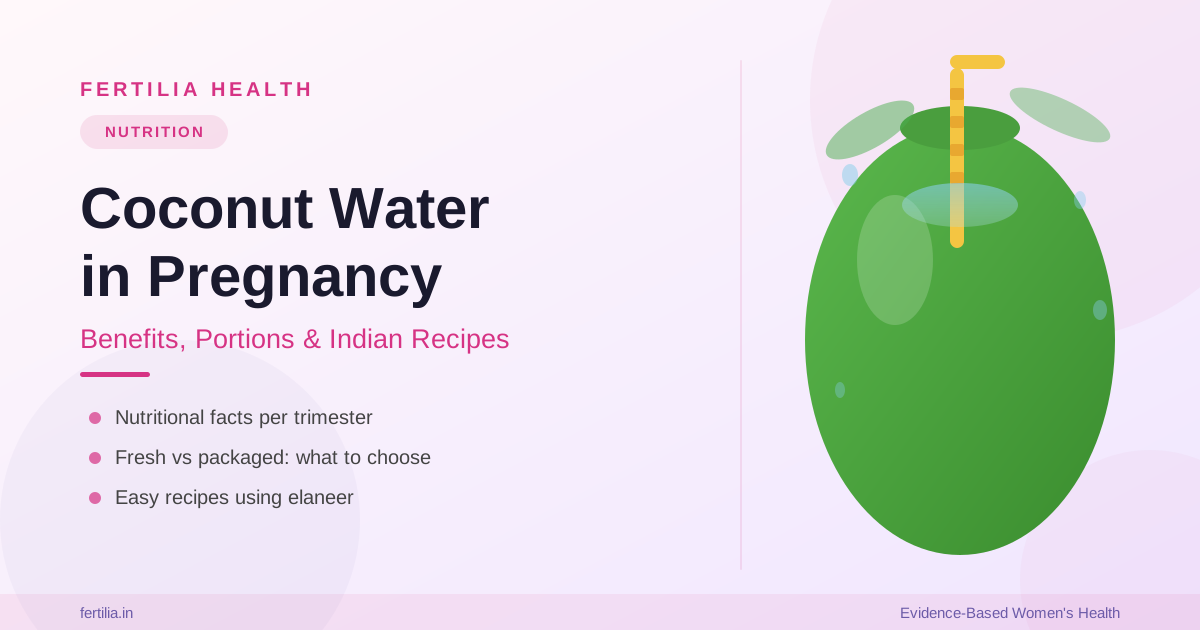
Tender coconut water (elaneer) is the clear liquid inside a young green coconut. It is naturally low in calories and rich in electrolytes, which makes it a practical hydration drink at any stage of pregnancy.
One cup (240 ml) of fresh tender coconut water contains approximately (Source: USDA FoodData Central; values vary by coconut variety and ripeness):
| Nutrient | Amount per cup (240 ml) |
|---|---|
| Calories | 45-47 |
| Carbohydrates | 9-10 g |
| Natural sugars | 6-9 g |
| Potassium | 480-600 mg |
| Sodium | 60-150 mg |
| Magnesium | 15-60 mg |
| Calcium | 50-60 mg |
| Vitamin C | 2-6 mg |
| Dietary fibre | 0-2.6 g |
Nutrient levels vary depending on coconut variety, ripeness, and growing region. Young tender coconut (the green coconut sold at roadside stalls) tends to have higher potassium and lower sodium than mature coconut water. These figures are for fresh tender coconut. Packaged versions often have lower electrolyte levels and may contain added sugar. Fresh is always the better choice when available.
The combination of potassium, sodium, and magnesium is what gives coconut water its hydration advantage. These minerals help maintain fluid balance in the body, which becomes more important as pregnancy progresses and your body works harder to support both you and your growing baby.
For a full overview of what to eat at each stage of pregnancy, our complete pregnancy guide walks through nutritional needs trimester by trimester.
Is Coconut Water Safe During Pregnancy?
Yes. Fresh tender coconut water is safe to drink during pregnancy in normal, everyday amounts. It is a natural, unprocessed drink with nothing added when you get it directly from the source.
A few things to keep in mind:
Fresh over packaged: Fresh tender coconut is the best version. Packaged coconut water can work when fresh is unavailable, but check the label. Choose brands with coconut water as the only ingredient and no added sugar or flavourings.
Reasonable daily portions: One to two glasses (200-400 ml total) per day is a comfortable amount for most pregnant women. More than this is not harmful, but it can feel heavy on an already-full stomach, especially in the third trimester.
If you have gestational diabetes: Coconut water contains around 6 g of natural sugar per cup. If you are managing blood sugar during pregnancy, factor this into your daily carbohydrate count. Our gestational diabetes guide has the full picture on pregnancy dietary choices when blood sugar is a concern.
How Much Coconut Water to Drink During Pregnancy
The right amount varies a little depending on the trimester.
First Trimester (Weeks 1 to 13)
Early pregnancy is when food aversions and a sensitive stomach make eating and drinking complicated. Many women find coconut water easier to get down than plain water, because it has a mild flavour and no strong smell.
A small glass (150-200 ml) in the morning is a comfortable starting point. Sip slowly rather than drinking it all at once. If it sits well with you, you can have a second glass later in the day. If it feels too sweet on a particular day, skip it and come back to it the next morning.
Second Trimester (Weeks 14 to 27)
The second trimester is usually when appetite returns and energy improves. Coconut water fits well into the mid-morning or afternoon routine as a refreshing break between meals.
One to two glasses a day (up to 400 ml total) works well for most women in this trimester. Pairing it with a small snack, such as a handful of soaked almonds or a banana, helps balance the natural sugars.
Third Trimester (Weeks 28 to 40)
Staying well hydrated is especially important in the third trimester. Coconut water counts toward your total daily fluid intake alongside plain water, buttermilk, dal, and soups.
In late pregnancy, a smaller glass (150-200 ml at a time) is often more comfortable than a large one. The stomach has less room as the baby grows, so smaller and more frequent sips tend to feel better than one large drink.
Overall daily guidance: Across all three trimesters, one to two glasses (200-400 ml) of fresh coconut water daily is a safe and practical amount. It is a supplement to your water intake, not a replacement for it.
Wondering whether your current pregnancy diet is giving your body and baby what they need?
Chat with Dr. Suganya’s team on WhatsApp for personalised guidance from an OB-GYN who has supported hundreds of Indian women through healthy pregnancies.
The Best Time to Drink Coconut Water During Pregnancy
Timing matters less than consistency, but some patterns work better than others.
Morning, before or with breakfast: This is especially useful in the first trimester, when a light, mildly sweet drink is easier to manage than a full meal early in the morning.
Mid-morning snack time: A small glass between breakfast and lunch works well in the second and third trimesters. It adds to your fluid intake without filling you up before a proper meal.
After light physical activity: After prenatal yoga or a short walk, coconut water helps replenish fluids. Our guide to normal delivery preparation covers the role of movement and hydration in preparing for labour.
On hot afternoons: In Tamil Nadu’s summer months (April to June), the heat is intense. A chilled tender coconut in the afternoon is one of the most practical and refreshing ways to stay hydrated during pregnancy.
What to skip: Very late at night is not the best time, simply because the natural sugars are better metabolised when the body is active. A glass at 11 PM before bed is unlikely to cause harm, but it is not the most useful timing.
Fresh Coconut Water vs Packaged: How to Choose
If you live anywhere in South India, fresh tender coconut is easy to find and inexpensive. At a roadside stall in Tamil Nadu, a green tender coconut typically costs Rs. 30-50 (based on IndiaMART and mandi data from early 2026). At a juice shop, a glass of elaneer is usually Rs. 50-80.
How to spot a good tender coconut:
- Green shell with no brown patches or cracks
- Feels heavy when you pick it up (more water inside)
- Makes a sloshing sound when you shake it gently
- Water is clear to very lightly milky when opened
- Taste is clean, mildly sweet, never sour or fermented
What to know about packaged coconut water: Brands like Cocojal and paper-carton varieties are available in most Indian supermarkets and are a reasonable option when fresh is not accessible. Always check the label. Choose brands where coconut water is the only ingredient. These have lower electrolyte content than fresh but are still hydrating and safe during pregnancy.
Avoid anything with added sugar, flavouring, or preservatives. These versions have limited nutritional value and are closer to a sweetened drink than the real thing.
Note on coconut milk vs coconut water: These are often confused in recipes. Coconut water (elaneer) is the clear liquid from a young green coconut, low in calories and rich in electrolytes. Coconut milk is made by blending the grated white flesh of a mature coconut with water and straining it. Coconut milk is thick, white, calorie-dense, and a cooking ingredient, not a drink. They are nutritionally very different.
The Coconut Malai: What to Do with It
Once you drink the water, you have the malai, the soft white jelly-like flesh that lines the inside of a young coconut. This is one of the small bonuses of choosing fresh tender coconut over packaged water.
Coconut malai is soft, mildly sweet, and easy to digest. It contains a small amount of healthy fat, dietary fibre, and lauric acid, a medium-chain fatty acid. It is a gentle snack option during pregnancy, particularly in the second and third trimesters when you need more calorie-dense foods between meals.
Scrape it out with a spoon and eat it as is, or stir it into dahi with a small pinch of cardamom. Many women in Tamil Nadu eat the malai with a little honey, though plain is just as good.
Simple Ways to Use Coconut Water in Your Pregnancy Diet
You do not have to drink it straight from the shell every time. Here are some practical ways to work coconut water into your daily meals.
Coconut water nimbu pani: Replace plain water with coconut water in your nimbu pani. The electrolytes from the coconut water paired with the vitamin C from lemon make a refreshing summer drink. If you are watching sodium, go easy on the salt addition since coconut water already contains some naturally.
Coconut water rice: Cook rice in a half-water, half-coconut water ratio. This is a traditional Tamil kitchen practice that gives rice a very subtle sweetness without adding sugar. A practical way to add variety on days when plain rice feels unappealing.
Coconut water smoothie: Blend coconut water with a banana, a small piece of fresh ginger, and a handful of soaked almonds for a filling morning smoothie. The banana adds natural sweetness and potassium, the ginger settles the stomach, and the almonds add protein and healthy fat.
Coconut water dahi: Thin out your morning dahi with coconut water instead of plain water. The result is slightly sweeter and more refreshing than the regular version. Particularly good in summer.
Coconut water khichdi: Add coconut water (about a quarter of the total liquid) when cooking your pregnancy khichdi. A very small change that adds a hint of natural sweetness and a small boost of electrolytes to a dish that is already gentle and easy to digest.
What Coconut Water Does Not Replace
Coconut water is a useful part of a pregnancy diet, but it works best alongside other foods and drinks, not instead of them.
Plain water: Your daily hydration target during pregnancy is roughly 8-10 glasses (2 to 2.5 litres of fluid total). Coconut water counts toward this, but plain water is still the foundation. Coconut water is one part of your fluid intake, not the whole thing.
Prenatal supplements: Coconut water has good mineral content, but it does not provide the iron, folic acid, or vitamin D that pregnancy requires in supplemental doses. Your prescribed supplements remain essential regardless of how much coconut water you drink.
Variety in your meals: No single food covers everything. Coconut water works best as part of a diet that includes ragi, dal, seasonal vegetables, dahi, whole grains, eggs or other protein sources, and fruits. The first-trimester food section in our complete pregnancy guide is a helpful starting point for building this variety.
FAQ: Coconut Water During Pregnancy
Can I drink coconut water every day during pregnancy?
Yes, one to two glasses of fresh coconut water per day is safe for most pregnant women throughout all three trimesters. It is a natural drink with no additives when taken fresh. If you have gestational diabetes or any specific dietary restrictions your doctor has given you, check how it fits into your plan.
Is tender coconut water the same as coconut milk?
No. Tender coconut water (elaneer) is the clear liquid from inside a young green coconut. It is low in calories and rich in electrolytes. Coconut milk is made from the grated flesh of a mature brown coconut blended with water. It is thick, white, and high in fat. They are completely different products with very different nutritional profiles.
Which trimester is coconut water most useful in?
It is useful across all three, but for different reasons. In the first trimester, many women find it easier to sip than plain water when food aversions are strong. In the second and third trimesters, it helps support the increased hydration needs that come with a growing baby and higher blood volume.
Can coconut water replace my prenatal iron supplement?
No. Coconut water contains trace amounts of iron but nowhere near the level a pregnancy requires. Prenatal iron supplements are prescribed at specific therapeutic doses that food sources cannot replicate. Continue your supplements as prescribed by your doctor.
Should I drink coconut water hot or cold during pregnancy?
Room temperature or lightly chilled is comfortable for most women. Very cold drinks are traditionally avoided in the first trimester in Indian households, though there is no clinical evidence that chilled coconut water causes harm. Listen to your body. If very cold feels uncomfortable, let it sit for a few minutes before drinking.
Is packaged coconut water safe during pregnancy?
Yes, packaged coconut water without added sugar is safe during pregnancy when fresh is not available. Look for brands where coconut water is the only ingredient on the label. The electrolyte content will be lower than fresh, but it still contributes to hydration. Avoid varieties with added sugar, flavouring, or preservatives.
Can I drink coconut water in the third trimester?
Yes. Coconut water is safe in the third trimester. Many women find smaller portions (one glass at a time rather than two) more comfortable as the stomach has less room. The electrolytes it provides can be especially helpful in the warmer months when fluid loss through perspiration increases.
Your pregnancy diet should work for your body, your trimester, and your lifestyle. If you would like a nutritionist to look at what you are eating and suggest practical adjustments, Dr. Suganya’s team at Fertilia is here to help.
Chat with us on WhatsApp and tell us where you are in your pregnancy. We will take it from there.
Written by Ms. Manisha Maheshwari, Nutritionist at Fertilia Health.