Every pregnancy book warns you about morning sickness. Nobody talks about what happens a few weeks later: days going by without a proper bowel movement, a bloated belly before you have eaten anything, or the uncomfortable straining that no one warned you to prepare for.
Constipation during pregnancy is one of the most common digestive complaints across all three trimesters. Studies estimate it affects between 11 and 38 percent of pregnant women at some point during pregnancy (Trottier M et al., Canadian Family Physician, 2012, PMID 22893333). Despite how common it is, many women do not bring it up during antenatal appointments, assuming nothing can be done or feeling embarrassed to mention it.
Something can always be done. Diet is usually where the most effective and safest changes happen.
This post covers:
- Why constipation happens at each stage of pregnancy
- How iron supplementation contributes and what to do about it
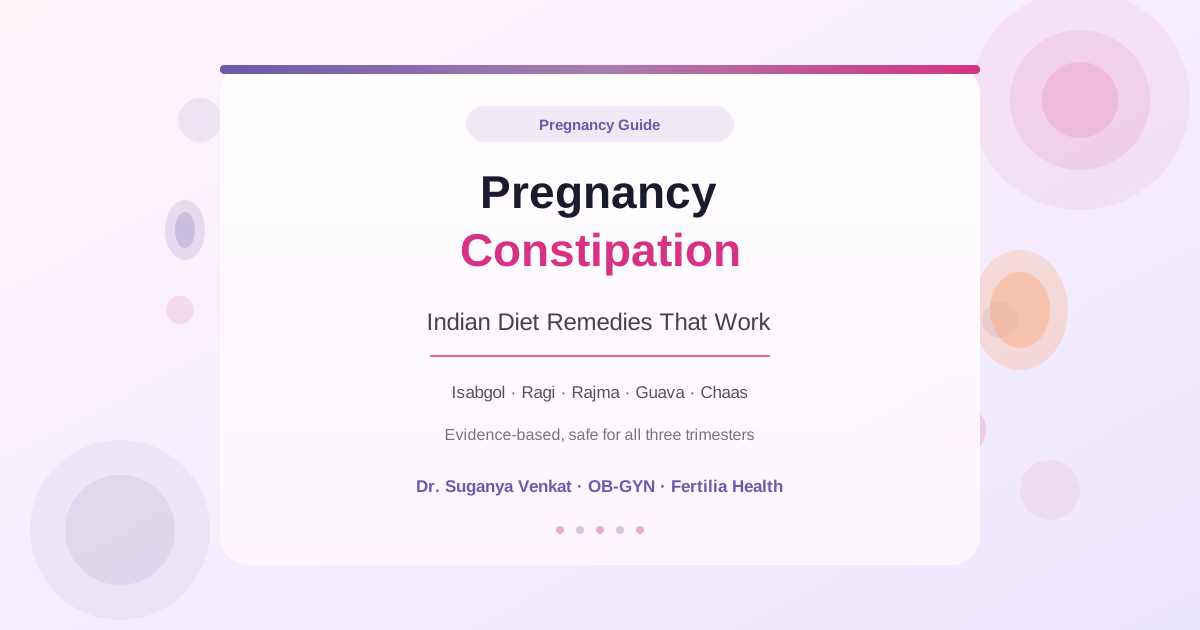
- Six practical Indian dietary remedies that are safe during pregnancy
- What to avoid to prevent things from getting worse
- When constipation needs medical attention
- Answers to the questions I hear most often in my clinic
Why Pregnancy Causes Constipation: The Three Main Reasons
1. Progesterone Slows Your Gut
Progesterone rises from the first trimester onward to protect the pregnancy. One of its effects is relaxing smooth muscle tissue, including the muscular walls of your intestines. This slows how quickly food and waste move through your gut. Research published in Gastroenterology documented significantly prolonged gastrointestinal transit in the second and third trimesters, normalising after delivery, and pointed to hormones, most likely progesterone, rather than mechanical pressure as the cause (Lawson et al., 1985, PMID 4043680). This is why pregnancy constipation is driven by more than the physical pressure of a growing baby on your bowel.
2. Iron Supplements
Iron deficiency anaemia affects more than 52 percent of pregnant women in India, according to the National Family Health Survey (NFHS-5, 2019-21). Iron supplementation is therefore a standard and essential part of antenatal care.
The most commonly prescribed form of iron in India is ferrous sulfate. The iron that is not absorbed in the small intestine reaches the colon, where it can disrupt the gut environment and slow transit time, causing constipation or harder stools in a significant proportion of women. This does not mean you should stop your iron tablet. It means there are ways to manage the side effect while keeping up with supplementation.
For more on this, read our guide on Iron Tablets in Pregnancy.
3. Physical Pressure in the Third Trimester
By the third trimester, the uterus exerts increasing pressure on the bowel, particularly the descending colon. This physical compression reduces the space available for waste to move and contributes to sluggish bowel movements in the final months of pregnancy. When the baby’s head descends into the pelvis in the weeks before delivery, this pressure intensifies further.
Reduced fluid intake compounds all three of these. Many pregnant women drink less water in the first trimester because water starts tasting different or drinking large amounts triggers nausea. Dehydration makes stool harder and more difficult to pass.
For context on how progesterone and gut physiology overlap with other digestive symptoms, our post on pregnancy gas and bloating covers the broader picture of digestive changes during pregnancy.
For trimester-wise guidance across all areas of pregnancy, our free Pregnancy Guide is a helpful starting point.
Six Indian Dietary Remedies That Help
1. Isabgol (Psyllium Husk): The Most Effective Single Remedy
Isabgol is the husk of the Plantago ovata seed and contains soluble fibre that absorbs water and forms a soft, bulky gel in the colon. This gel softens stool and makes it easier to pass. It is bulk-forming, not stimulant, which means it works mechanically without affecting gut muscle tone. It is not absorbed into the bloodstream and is considered safe during pregnancy.
How to use it: Stir one teaspoon (approximately 3.5 grams) into a glass of warm water or warm dahi (curd) and drink it immediately, before it thickens. Start with half a teaspoon if you have not used it before and increase gradually over a few days.
Drink a full glass of water with each dose. Isabgol taken without enough fluid can paradoxically worsen constipation. Leave at least two hours between isabgol and any medication, including your iron tablet, as the fibre can reduce absorption of other substances.
Take it at the same time each day, ideally before bed at night.
2. Ragi (Finger Millet): Fibre and Calcium in One
Ragi contains approximately 11.5 grams of dietary fibre per 100 grams (ICMR-NIN, 2017), making it one of the highest-fibre whole grains used regularly in Indian cooking. Its insoluble fibre adds bulk to stool and speeds up transit time through the colon.
For pregnant women, ragi has additional value: it is a rich source of calcium (364 mg per 100 grams), which matters because calcium requirements increase significantly during pregnancy, particularly after the first trimester. You can read more about meeting calcium needs during pregnancy in our calcium in pregnancy guide.
Practical ways to use ragi: two ragi rotis at lunch or dinner, ragi mudde (the Karnataka preparation), ragi dosa, ragi kanji with a little jaggery and coconut, or ragi upma. Replacing even one meal’s white rice or maida-based item with ragi makes a noticeable difference over a few days.
3. Dal, Rajma, and Chana: Cooked Pulses at Every Meal
Cooked pulses are among the richest sources of combined soluble and insoluble fibre in the Indian diet:
- Rajma (kidney beans): approximately 15 grams of fibre per 100 grams dry (ICMR-NIN)
- Chana dal (split Bengal gram): approximately 15 to 17 grams of fibre per 100 grams dry
- Moong dal (split green gram): approximately 7 to 8 grams per 100 grams dry, and the gentlest on the gut
The key is thorough cooking. Soak pulses overnight and cook them well. Undercooked pulses increase gas and discomfort, which is the last thing you want during pregnancy. Adequate soaking and cooking reduces their gas-forming compounds while preserving fibre content.
Including dal at both lunch and dinner, approximately 100 to 150 millilitres of cooked dal each time, alongside a green vegetable and ragi or jowar roti, provides a complete, fibre-rich meal that supports regular bowel movement.
4. Fresh Fruits with Edible Skin
Fruits are convenient sources of dietary fibre and gentle on the digestive system. The most effective for constipation in the Indian context include:
Guava (amrood): Contains approximately 5.4 grams of fibre per 100 grams (USDA FDC, FoodData Central), making it one of the highest-fibre common Indian fruits. Eat with the skin on for maximum fibre benefit. Guava is also an excellent source of vitamin C, which improves iron absorption.
Pear (nashpati): Approximately 3.1 grams of fibre per 100 grams. The skin contains significantly more fibre than the flesh. Wash and eat whole.
Ripe papaya: Ripe papaya (the fully yellow-orange variety) is safe during pregnancy and has a mild digestive effect. It is raw, unripe papaya latex that raises concern in pregnancy. For a detailed explanation of the ripe versus raw papaya distinction, read our papaya during pregnancy guide.
Seasonal Indian options: Chikoo (sapota), anjeer (fresh figs when in season), and jamun (black plum) are all useful.
A note on prunes: dried prunes (sukha aloo bukhara) or prune juice are well-studied remedies for constipation. If you can find them in your city, two to four prunes per day are effective. Otherwise, the Indian alternatives above are equally practical.
5. Warm Fluids Throughout the Day
Fluid intake is one of the most underestimated factors in pregnancy constipation. The ICMR-NIN’s Nutrient Requirements for Indians report (2020) estimates that pregnant women need 2.1 to 3.2 litres of fluid from beverages per day, depending on activity level. Water, warm beverages, soups, dal, and other liquids all count toward this.
Practical strategies:
- Two glasses of warm water before breakfast, ideally plain or with a squeeze of fresh lime. The warmth supports gut motility.
- Chaas (buttermilk) at lunch: it contributes to fluid intake, is easy to digest, and supports a healthy gut environment.
- Nariyal pani (coconut water) in the second and third trimesters: it provides electrolytes alongside fluids and is one of the most refreshing ways to stay hydrated in the Indian climate.
- Thin rasam or sambar as a soup alongside meals contributes meaningfully to daily fluid intake.
- Avoid relying on caffeinated chai as your main fluid source. Caffeine has a mild diuretic effect. One weak cup of chai per day is considered safe in pregnancy, but it should not be the primary fluid.
Our post on what to eat during pregnancy has more guidance on building a balanced pregnancy diet for each trimester.
6. Green Vegetables at Every Meal: Palak, Methi, and Seasonal Sabzi
Green leafy vegetables, particularly palak (spinach) and methi (fenugreek leaves), provide both fibre and magnesium. Magnesium has a gentle osmotic effect in the colon, drawing water in and softening stool. Including a portion of cooked green vegetables at both lunch and dinner, about 100 grams cooked, adds meaningfully to the daily fibre goal.
Other Indian vegetables that help: lauki (bottle gourd), tori (ridge gourd), and tinda (round gourd) are all high in water content and gentle fibre. These work well as a mid-week sabzi alongside pulses and a whole grain.
For a more complete view of iron-rich Indian foods that also provide fibre, see our iron-rich foods pregnancy guide.
Managing Your Iron Tablet to Reduce Constipation
Iron is non-negotiable during pregnancy, especially in India. But its constipating effect can often be reduced:
Timing: Take your iron tablet in the evening rather than the morning. Any discomfort then occurs overnight rather than during your most active hours.
With food, not on an empty stomach: Taking iron with a small amount of food (not a full meal) reduces gastrointestinal irritation. A small glass of fresh lime juice or amla juice alongside iron improves absorption due to vitamin C content.
Two-hour gap from fibre supplements: If you are taking isabgol, always leave at least two hours between isabgol and your iron tablet.
Speak to your OB-GYN about the iron formulation: Ferrous bisglycinate is a gentler form of iron that causes significantly fewer gastrointestinal side effects than ferrous sulfate and has comparable absorption for most women. If constipation from your iron tablet is severe, ask your doctor about switching.
Movement Helps More Than Most People Realise
A 15 to 20 minute walk after meals, particularly after lunch, noticeably supports gut motility over a few days. The ACOG recommends 150 minutes of moderate physical activity per week for pregnant women without contraindications (ACOG Committee Opinion No. 804, 2020).
In the Indian context, early morning or evening walks work best to avoid midday heat. Light yoga postures that support digestion, such as gentle seated twists in the first trimester or supported cat-cow in the second and third, can also help. Our pregnancy exercises guide outlines what is safe at each stage.
Constipation making pregnancy uncomfortable?
Dr. Suganya reviews your diet, iron supplement, and trimester-specific needs. Book a WhatsApp consultation.
Chat on WhatsAppWhat to Avoid
Some common habits make pregnancy constipation significantly worse:
Maida-based foods: White bread, biscuits, namkeen prepared with refined flour, and processed snacks have almost no fibre. Replacing even one meal’s maida-based item with a whole grain option (atta roti, ragi dosa, jowar bhakri) makes a difference within a few days.
Delaying when you feel the urge: Many women, especially when at work or travelling, delay going to the toilet when the urge comes. Doing this repeatedly trains the colon to reduce its natural signaling over time, making constipation worse. Respond to the urge when it comes.
Straining: Straining at stool increases the risk of haemorrhoids (piles), which are already more common in pregnancy because of increased blood flow to the pelvic area. Using a low footstool (15 to 20 centimetres) under your feet during a bowel movement puts your body in a more natural squatting position and reduces the need to strain.
Not drinking enough water: If water tastes metallic or triggers nausea (common in the first trimester), try warm water with a slice of lemon or thin, unsalted jeera water, which is gentler on a sensitive stomach.
When to Contact Your Doctor
Constipation in pregnancy almost always responds to dietary changes. Contact your OB-GYN if:
- No bowel movement for more than five days despite dietary changes and adequate fluids
- Blood in the stool or on the toilet paper (this may be haemorrhoids, but always needs to be checked during pregnancy)
- Severe abdominal pain accompanying constipation
- Constipation accompanied by fever or vomiting
- Significant anal pain or what feels like a prolapsed haemorrhoid
Your OB-GYN may recommend a stool softener such as lactulose or docusate sodium if diet alone is insufficient. Both are considered safe during pregnancy. Stimulant laxatives (senna, bisacodyl) and high-dose osmotic agents should only be used under medical guidance in pregnancy, particularly in the third trimester.
Frequently Asked Questions
Is isabgol safe during pregnancy?
Yes. Isabgol is a bulk-forming fibre agent that works mechanically in the colon and is not absorbed into the bloodstream. It is widely used in pregnancy and is not associated with harm. The key is to take it with plenty of water (at least one full glass) and to maintain a two-hour gap from any medications, including iron tablets.
Can I take a laxative during pregnancy?
Bulk-forming agents (isabgol) and stool softeners (lactulose, docusate sodium) are generally considered safe in pregnancy and are sometimes prescribed by OB-GYNs. Stimulant laxatives (senna, bisacodyl) and osmotic salts should only be taken on the advice of your doctor. In the third trimester especially, do not take any laxative without consulting your OB-GYN first.
I eat vegetables every day but I am still constipated. Why?
Vegetables contribute fibre, but if the rest of the diet is low in fibre (refined flour as the main grain, very little dal, low fluid intake), the total daily fibre may still fall short. The ICMR-NIN’s 2020 report treats about 30 grams of fibre per 2,000 kcal as a safe intake, which for most women works out to roughly 30 grams a day. Most Indian diets provide considerably less than this. Try adding isabgol, switching your main grain to ragi or jowar, and ensuring at least 2.5 litres of fluid per day. The combination usually makes a visible difference within three to four days.
My iron tablet is causing constipation. Should I stop taking it?
No. Iron is essential during pregnancy in India, where anaemia rates exceed 52 percent in pregnant women (NFHS-5). Instead of stopping, try adjusting the timing (evening, with food), maintaining high fluid intake, and using isabgol two hours after the tablet. If constipation is severe, speak to your OB-GYN about switching from ferrous sulfate to ferrous bisglycinate, which causes fewer gastrointestinal side effects.
Is straining during a bowel movement dangerous for my baby?
Straining does not cause miscarriage or preterm labour. However, it significantly increases the risk of haemorrhoids (piles), which are painful and harder to manage during pregnancy. This is why managing constipation proactively, rather than reaching the point of straining, is always the better approach.
I am in my third trimester and nothing is working. What do I do?
Third trimester constipation is the most difficult to manage with diet alone because of physical pressure from the uterus on the bowel. If isabgol, dietary changes, and adequate fluids have not been enough, speak to your OB-GYN. Lactulose is commonly prescribed in the third trimester and is safe under medical guidance. Do not use osmotic laxatives, castor oil, or high-dose magnesium on your own in late pregnancy.
How long will pregnancy constipation last?
Constipation often improves after the first trimester as the body adjusts to progesterone. It may return in the third trimester as physical pressure increases. With consistent dietary management, most women are able to maintain comfortable bowel habits throughout pregnancy. For most women, constipation resolves within a few weeks after delivery as progesterone levels fall.
Need personalised guidance for your pregnancy?
Dr. Suganya Venkat offers WhatsApp consultations covering nutrition, supplement timing, and trimester-specific care.
Book a WhatsApp ConsultationFor a broader look at what to eat during pregnancy, including trimester-wise guidance and nutrients to prioritise, see our complete pregnancy diet guide. And if you are navigating iron supplementation alongside other pregnancy nutrition questions, our iron-rich foods pregnancy guide has a practical Indian food table with amounts per serving. For trimester-by-trimester support that ties all of this together, see Dr. Suganya’s Pregnancy Care program.