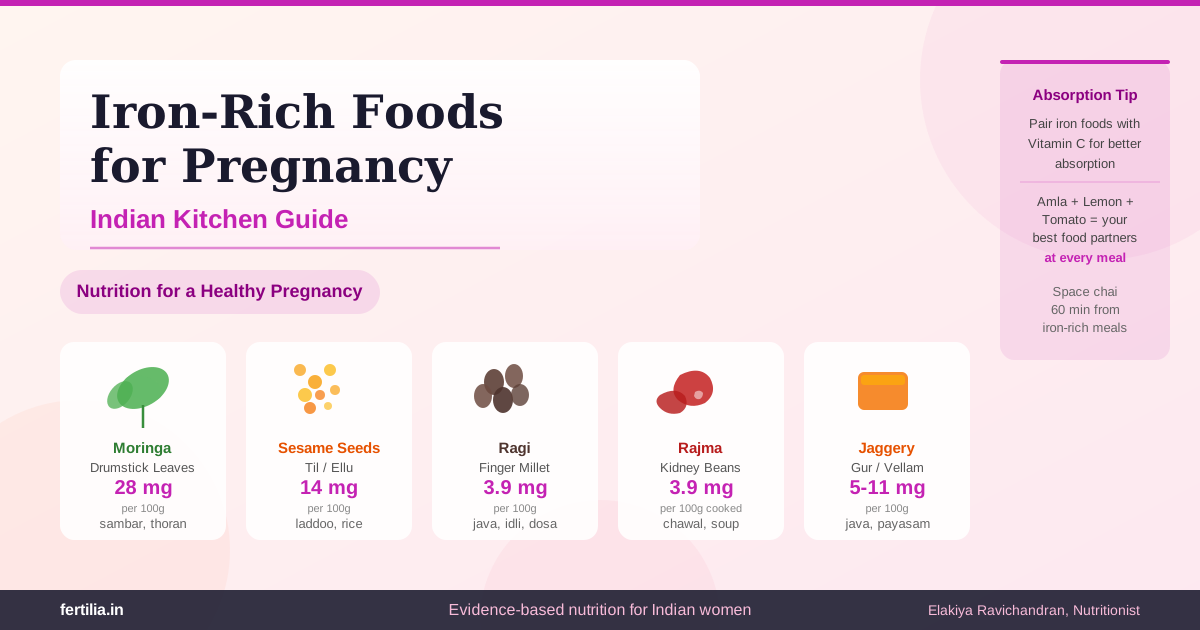
Iron comes up in almost every pregnancy conversation. Your doctor mentions it at your first appointment. Your mother-in-law brings dates and dried figs. Your aunty recommends jaggery water. Everyone has a tip.
For more on this, read our guide on Pomegranate During Pregnancy.
For more on this, read our guide on Coconut Water & Malai in Pregnancy. The interesting thing is that most of these traditional recommendations have real nutritional backing. The foods your family has been pushing for generations are genuinely among the best sources of dietary iron. You do not need to import anything or buy expensive supplements to eat iron-rich food during pregnancy. It is already sitting in the Indian kitchen.
Iron is one piece of eating well in pregnancy. For the full trimester picture, from nutrition to safe movement and everyday symptom relief, see our pregnancy care guides.
For more on this, read our guide on Calcium in Pregnancy.
For more on this, read our guide on Dry Fruits During Pregnancy. This guide walks through the top iron-rich foods available in India, how much iron each contains, the best ways to cook and eat them, and a full day’s meal plan you can start using today.
For the clinical picture on daily iron requirements during pregnancy and when supplementation is needed, read our pregnancy diet chart for Indian women. This post focuses purely on food.
Iron Content of Key Indian Foods at a Glance
| Food | Iron per 100g | Best Form |
|---|---|---|
| Drumstick leaves (moringa), fresh | ~4 mg | Sambar, thoran, dal |
| Sesame seeds (til/ellu) | ~14 mg | Laddoo, sprinkled over rice |
| Ragi (finger millet) | ~4.6 mg | Java, idli, dosa, mudde |
| Bengal gram, dried (chana) | ~5.3 mg | Sundal, chana masala, boiled chat |
| Rajma (kidney beans, cooked) | ~4.6 mg | Rajma chawal, soup |
| Masoor dal (cooked) | ~3.3 mg | Dal tadka, khichdi, soup |
| Jaggery | ~5-11 mg | Sweetener in java, payasam |
| Spinach (palak), cooked | ~2.7 mg | Palak dal, palak rice, parathas |
| Dried figs (anjeer) | ~2.3 mg | Soaked overnight, as snack |
| Dates (khajoor), dried | ~1.5 mg | Snack, date-milk drink, laddoo |
Source: ICMR-NIN Indian Food Composition Tables 2017; USDA FoodData Central (values vary by variety and preparation).
The Top Iron-Rich Indian Foods, One by One
1. Drumstick Leaves (Moringa / Murungai Keerai)
Drumstick leaves are one of the more iron-dense greens that is genuinely easy to get in South India, at roughly 4mg per 100g of fresh leaves. You will see 28mg per 100g quoted very widely for moringa. That number is for dried leaf powder, which has had almost all its water removed, so the minerals concentrate by weight. It is not what you get from a handful of fresh leaves in your sambar, and it is worth knowing the difference before you buy an expensive powder on the strength of it.
The catch is that you typically use a small handful in a large pot of sambar, so your per-serving intake is modest, not the full 100g. But even 30-40g of leaves added to a family pot of sambar adds real iron to every bowl.
How to cook with them:
- Add a large handful to sambar or dal while cooking
- Moringa thoran: sauté with mustard seeds, curry leaves, and fresh coconut
- Stir into upma or mix into rice
- Grind fresh leaves into a chutney with coconut and tamarind
If you are in Tamil Nadu or Karnataka, dried moringa powder (murungai keerai podi) is available in local shops and can be stirred into any cooked dish in a teaspoon quantity.
2. Sesame Seeds (Til / Ellu)
Sesame seeds carry about 14mg of iron per 100g. The black variety is slightly higher than white, but both are nutritionally valuable.
One tablespoon of sesame seeds (approximately 10g) gives you roughly 1.4mg of iron in a form that is easy to add to any meal.
How to use:
- Til laddoo (a traditional winter sweet that happens to be excellent for pregnancy)
- Sprinkle a teaspoon over cooked rice or dal just before serving
- Ellu sadam (sesame rice) as a meal in itself
- Add to chutneys ground with coconut
- Stir into raita
3. Ragi (Finger Millet)
Ragi contains about 4.6mg of iron per 100g and has the added advantage of being rich in calcium, having a low glycemic index, and being one of the most versatile grains in South Indian cooking.
How to use:
- Morning ragi java sweetened with jaggery (a cup of this covers both iron and calcium)
- Ragi idli or dosa for breakfast
- Ragi mudde with sambar for lunch
- Ragi laddoo with jaggery and sesame as a snack
For a complete look at ragi’s nutrition, read our ragi benefits guide for women.
4. Bengal Gram and Rajma (Dried Legumes)
Dried Bengal gram (kala chana, chana dal) contains about 5.3mg of iron per 100g. Rajma (kidney beans) comes in at about 3.9mg per 100g after cooking. Both are protein-rich and filling, which makes them ideal pregnancy foods.
Bengal gram ideas:
- Sundal: boiled kala chana with coconut, curry leaves, and mustard seeds
- Boiled chana chat with raw onion, lemon, and coriander
- Besan (chickpea flour) chilla for a quick protein breakfast
Rajma ideas:
- Rajma chawal: the classic North Indian preparation translates well into pregnancy meal plans
- Rajma soup with tomato, cumin, and coriander
- Add to rice bowls with a side of curd
5. Masoor Dal (Red Lentils)
Masoor dal is one of the easiest dals to cook, takes under 20 minutes without soaking, and provides about 3.3mg of iron per 100g cooked. It is light on digestion and easy to flavour differently each time.
How to use:
- Simple tadka with cumin, garlic, and tomato
- Add to khichdi with rice and a teaspoon of ghee
- Make masoor dal soup for early pregnancy when heavy meals feel difficult
- Use as a base layer under any dry sabzi
6. Jaggery (Gur / Vellam)
Jaggery’s iron content varies by type and production method, ranging from about 5mg to 11mg per 100g. Even at the lower end, it is a meaningful trace source, and it replaces refined sugar with something that actually adds minerals to your diet.
How to use:
- Sweeten ragi java with a small piece of jaggery (15-20g)
- Add to tamarind-based gravies and chutneys
- Use in traditional payasam or kheer instead of sugar
- A piece of jaggery with warm water or warm milk in the evening
Limit to around 20-25g per day. If your antenatal tests have flagged any blood sugar concerns, check with your doctor on quantities. See our gestational diabetes guide for context.
7. Spinach (Palak)
Cooked spinach provides about 2.7mg of iron per 100g. Cooking the leaves actually improves how usable the iron is compared to eating spinach raw, because it breaks down compounds in the leaf that otherwise limit absorption.
How to use:
- Palak dal: cook spinach directly into any dal for an easy iron boost
- Palak rice with cumin and garlic
- Add to parathas
- Palak in egg bhurji if you eat eggs
8. Dried Figs (Anjeer) and Dates (Khajoor)
These two are the most traditionally recommended pregnancy snacks in Indian households, and they belong in any pregnancy iron list.
Dried figs contain about 2.3mg of iron per 100g. Dried dates are around 1.5mg per 100g. Neither is exceptionally high on its own, but both work well as part of a varied day.
For more on this, read our guide on Dates During Pregnancy. How to use:
- 2-3 dried figs soaked overnight in water, eaten as the first food of the morning
- 2-3 dates as an afternoon snack
- Both blended into a warm milk drink in the evening
- Ground into laddoos with sesame and jaggery
How to Absorb More Iron from Your Meals
The iron in plant foods absorbs better when you eat them alongside a vitamin C source. This is the single most practical thing you can do to improve your iron intake without changing what you eat.
Best vitamin C sources in Indian cooking:
- Fresh lemon or lime juice squeezed over dal just before eating
- Amla (Indian gooseberry): one fresh amla or a teaspoon of amla pickle alongside the meal
- Tomatoes cooked into the same dish (sambar, sabzi, dal)
- Raw tomato and cucumber salad on the side
- Fresh capsicum in a stir-fry
Simple combinations that work:
- Ragi java in the morning eaten with a small piece of fresh amla
- Masoor dal with a squeeze of lemon stirred in at the table
- Rajma chawal with a raw tomato-onion salad on the side
- Palak dal with lemon juice added after cooking
What reduces iron absorption:
Tea and coffee, when drunk close to meals, reduce how much iron your body takes up from that meal. This does not mean avoiding tea during pregnancy. It means keeping a gap of at least 45-60 minutes between a cup of chai and an iron-rich meal. Many women find it easiest to move their morning chai to after breakfast, rather than drinking it as part of the meal.
For more on this, read our guide on Badam (Almonds) During Pregnancy.
For more on this, read our guide on Banana in Pregnancy.
Getting the balance right for your pregnancy can feel like a lot to manage. Dr. Suganya’s team at Fertilia Health offers personalised pregnancy nutrition plans based on your trimester, your current levels, and the foods your family actually cooks. WhatsApp us at +91 99402 70499 to talk through your diet.
For more on this, read our guide on Apple in Pregnancy.
A Full Day of Iron-Rich Eating: Sample Indian Meal Plan
This plan uses only Indian foods and requires no unusual ingredients.
Early Morning (6:30-7:00 AM)
- 3 dried figs soaked overnight, eaten as the first thing
- One small piece of fresh amla (or 1 tsp amla pickle)
Breakfast (8:00 AM)
- Ragi java (1 large cup, cooked) sweetened with one small piece of jaggery
- 2-3 dates on the side
If you prefer a savoury breakfast:
- Ragi idli (2-3) with moringa sambar and coconut chutney
Mid-Morning Snack (10:30 AM)
- A handful of boiled kala chana, lightly seasoned with salt and lemon
- Or a tablespoon of til (sesame seeds) sprinkled over a fruit bowl with fresh lime
Lunch (1:00 PM)
- Rajma chawal or masoor dal with steamed rice
- Palak sabzi or a small bowl of palak dal on the side
- Fresh tomato-cucumber salad with lemon dressing
- A cup of drumstick sambar
Afternoon Snack (4:00-4:30 PM)
- 1-2 til laddoo or ellu urundai
- Or 2-3 soaked anjeer with a glass of warm water
Dinner (7:30 PM)
- Ragi dosa (2-3) with coconut chutney and moringa sambar
- A bowl of palak dal or dal with a handful of spinach cooked in
- Squeeze of lemon over the dal at the table
This day covers drumstick leaves, ragi, sesame, jaggery, dates, figs, rajma or masoor dal, and spinach across multiple meals. You are rotating sources rather than relying on any one food, which is the most sustainable approach.
FAQ
Can I get enough iron from food alone during pregnancy, or do I always need tablets?
This guide covers the food side of iron. For guidance on daily iron requirements during pregnancy and when supplementation is needed, read our pregnancy diet chart for Indian women and raise the question with your doctor at your next appointment.
Is drumstick sambar a good source of iron?
Yes, if you are using a good quantity of fresh drumstick leaves, not just the drumstick pods. The leaves have significantly more iron than the pods. A sambar made with a large bunch of murungai keerai contributes meaningfully to your daily intake. The pods are good for other nutrients but the leaves are the iron source.
Is ragi the best grain for pregnancy iron?
Ragi is excellent because it combines iron, calcium, and a low glycemic index in one grain. For pure iron concentration, sesame and moringa are higher. The advantage of ragi is that it is easy to cook in large quantities and fits into every meal from breakfast java to dinner dosa. Making ragi a daily staple is a practical strategy.
Does jaggery really add iron?
Yes. Jaggery contains real iron, unlike refined white sugar which has none. The iron content varies from 5 to 11mg per 100g depending on the type and production method. Even at the lower end, 20-25g of jaggery a day adds a small but real contribution. The main advantage of switching from sugar to jaggery is that you are getting iron, potassium, and other minerals from the same amount of sweetener.
Should I drink milk with my iron-rich meals?
Milk is best spaced slightly away from iron-rich meals. The calcium in milk does not block iron absorption dramatically in the way that tea does, but a small gap of 30-45 minutes is a sensible habit. Milk before bed or as a mid-afternoon drink works well without interfering with meal-time iron absorption.
Can I eat rajma and chana every day?
Yes, rotating between rajma, masoor dal, and chana across the week is ideal. Eating the same dal every day can get repetitive and you miss the different nutrient profiles each one offers. Masoor dal on Monday, rajma on Wednesday, chana sundal on Friday, and so on is a practical rotation.
What about non-vegetarian iron sources?
Eggs and meat are good iron sources, and the iron in animal-based foods is generally absorbed more readily than plant-based iron. If you eat non-vegetarian food, adding 2-3 eggs a week alongside the plant sources listed here is a practical way to diversify your iron intake. Always ensure eggs and meat are fully cooked during pregnancy.
What foods are rich in both calcium and iron during pregnancy?
A few Indian foods deliver both minerals in one ingredient. Ragi (finger millet) gives about 364mg of calcium and 4.6mg of iron per 100g; sesame seeds (til) bring about 14mg of iron with useful calcium; drumstick leaves (moringa) are high in both; and dried figs add calcium with a little iron. Pairing these with a vitamin C source (lemon, amla, tomato) improves how much iron your body absorbs. A cup of ragi java plus a side of til or moringa covers both minerals from food.
Garbhvati mahila ke liye iron aur calcium wale foods kaun se hain? (Which iron and calcium foods are best in pregnancy?)
For iron: drumstick leaves (moringa), sesame (til), ragi, rajma, kala chana, masoor dal, and palak. For calcium: ragi, til, milk and dahi, and dried figs. Eat the iron foods with a little lemon or amla for better absorption, and keep large amounts of milk slightly apart from your main iron meal. If your doctor has prescribed iron or calcium tablets, follow the timing your doctor has advised; this guide covers the food side only.
Is ragi java with jaggery (bellam) good during pregnancy?
Yes. Ragi java sweetened with a small piece of jaggery (bellam) is a traditional and nutritious pregnancy breakfast. The ragi brings calcium and iron, and jaggery adds a little extra iron compared with white sugar. Keep the jaggery to a small piece (around 15 to 20g) and have the java warm in the morning. If your blood sugar has been flagged in pregnancy, ask your doctor about the jaggery amount.
Can I eat ragi along with my iron tablet?
Ragi is a food, so it is fine to eat ragi on the same day as a prescribed iron tablet. Because ragi is also calcium-rich, and calcium-rich foods are sometimes best spaced a little apart from an iron tablet for better absorption, the simplest approach is to follow the timing your doctor gave you for the tablet and enjoy ragi at a separate meal. Pairing your ragi or other iron foods with lemon or amla helps your body take up the iron from the food itself.
Building a pregnancy diet that covers iron is not about a single supplement or a single food. It is about adding a little from several sources throughout the day, pairing them with vitamin C, and making it fit the way your family already cooks.
More pregnancy nutrition guides
- Jowar Roti: 4.1mg Iron per 100g, Recipes and Portions - another iron-rich millet
- Til (Sesame Seeds): 14.5mg Iron per 100g - one of the highest plant-based iron sources
- Flaxseeds for PCOS and Pregnancy - omega-3 plus iron
- Folic Acid: When to Start and How Much - the other critical pregnancy nutrient
- Pregnancy Diet Chart: Indian Foods by Trimester - the full picture
If you want a meal plan tailored to your trimester and your specific situation, start a conversation on WhatsApp and Dr. Suganya’s nutrition team at Fertilia Health will put one together for you.