This story was written by Subhashree in her own words. Names have been changed to protect privacy. Published with the couple’s consent.
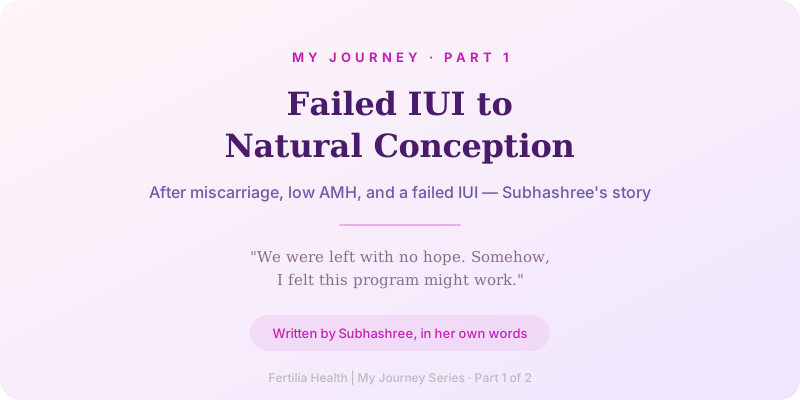
A note from Fertilia: This is Part 2 of Subhashree’s journey. In Part 1, she shared how she and Kathir came to Fertilia after a miscarriage, a low AMH diagnosis, and a failed IUI where the catheter could not be passed through her cervix, and how they conceived naturally within six weeks of starting our Holistic Fertility Optimising Program. This part continues from the pregnancy positive test through her normal delivery and the early postpartum days.
A Quick Recap
For those reading this first, here is the short version: I conceived naturally about six weeks into Fertilia’s program, after a year of failed follicular studies, an IUI that could not be completed, and a lot of emotional exhaustion. My AMH was low at 1.63 ng/mL. Kathir had teratozoospermia with only 1% normal sperm morphology. We had been told IVF was the next step. The full story of how we got to a positive pregnancy test is Part 1 of this series.
This is what happened after.
Through the Pregnancy, Step by Step
From the moment my pregnancy was confirmed, everything felt new, and honestly, a little overwhelming. Like any first-time pregnant mother, I had so many doubts running through my mind every single day.
Am I eating right? Is this symptom normal? Should I be resting more or staying active? What scan comes next? Is my baby growing well?
These questions kept coming up, and at times it felt confusing with so much information everywhere.
What truly made a difference in this phase was the continuous, structured support I received from Fertilia.
Knowing What to Expect at Each Stage
Right from the beginning, I was clearly guided on all the medical aspects. I knew when each scan had to be taken, what it was for, and what to expect in every stage. Instead of feeling anxious before every appointment, I felt prepared and reassured.
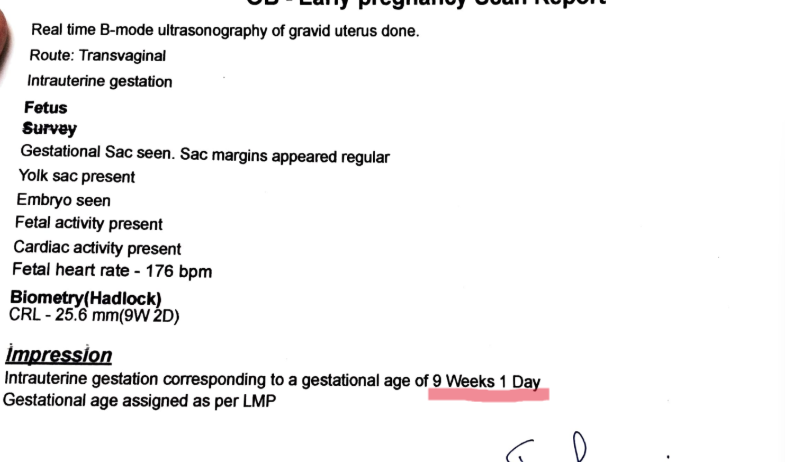
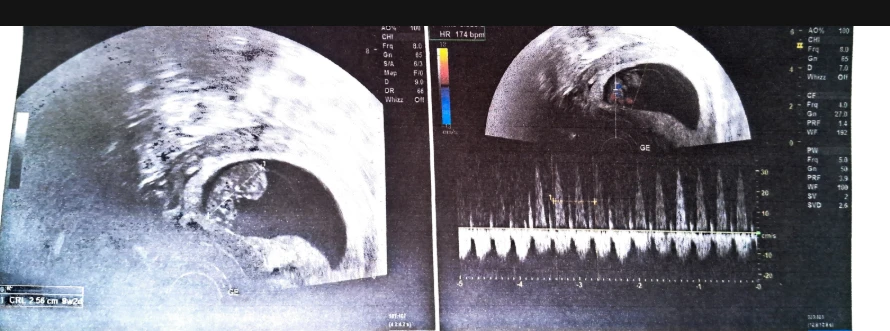
Along with that, daily support played a huge role. Every morning started with affirmations that helped me stay calm and emotionally connected to my baby. It might sound simple, but on days when overthinking would take over, this made a real difference.
I was also given daily information based on my stage of pregnancy, so I was not overloaded with unnecessary details. It answered exactly what I needed to know at that point, just like how most pregnant women keep searching for week-by-week guidance.
Nutrition was also simplified for me. Instead of guessing what to eat, I had clear menu plans designed for each trimester, making sure both my baby and I were getting the right nourishment without making it feel restrictive or stressful.
Trimester-Wise Yoga with Shobhna
The trimester-wise approach made everything even more structured. I had pregnancy yoga sessions with our antenatal yoga coach Shobhna, tailored to each phase of pregnancy, which helped me stay active in a safe way. Some of these were recorded too, so I could follow them anytime depending on how I felt that day.
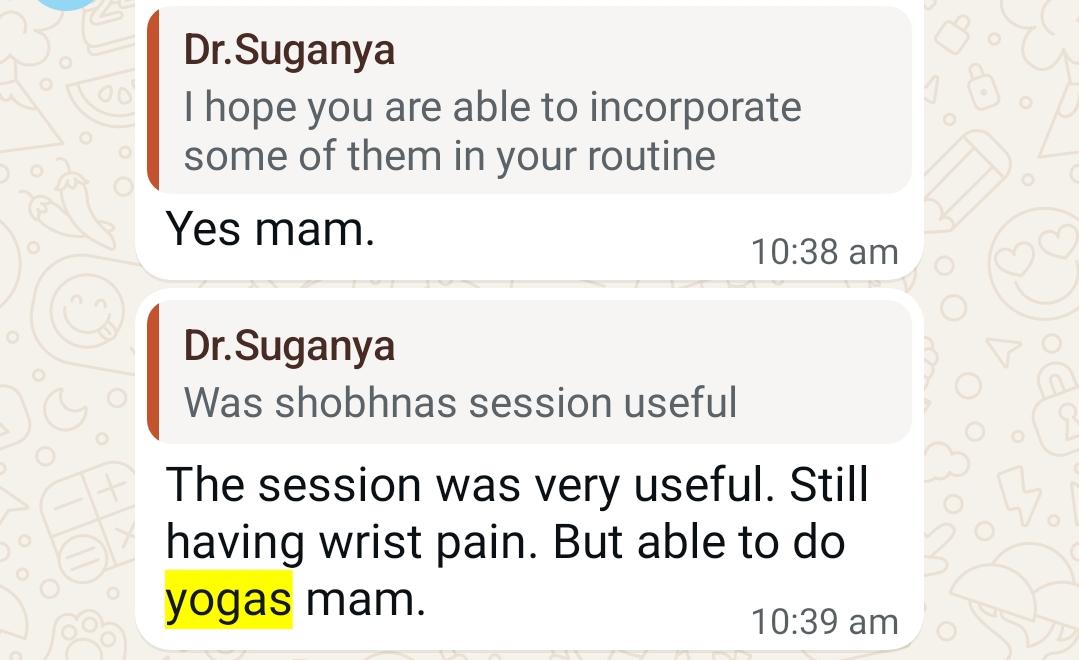
One of the most helpful parts was how my doubts were handled. As a pregnant woman, doubts don’t come once. They come every day, sometimes even about the smallest things. But I always had the space to ask, and everything was explained patiently. That reassurance made me feel supported rather than confused.
What made this even more effective was that I was never left on my own to figure things out. Everything was supported with continuous monitoring, and my progress was consistently tracked. This helped keep everything on the right path without feeling overwhelming.
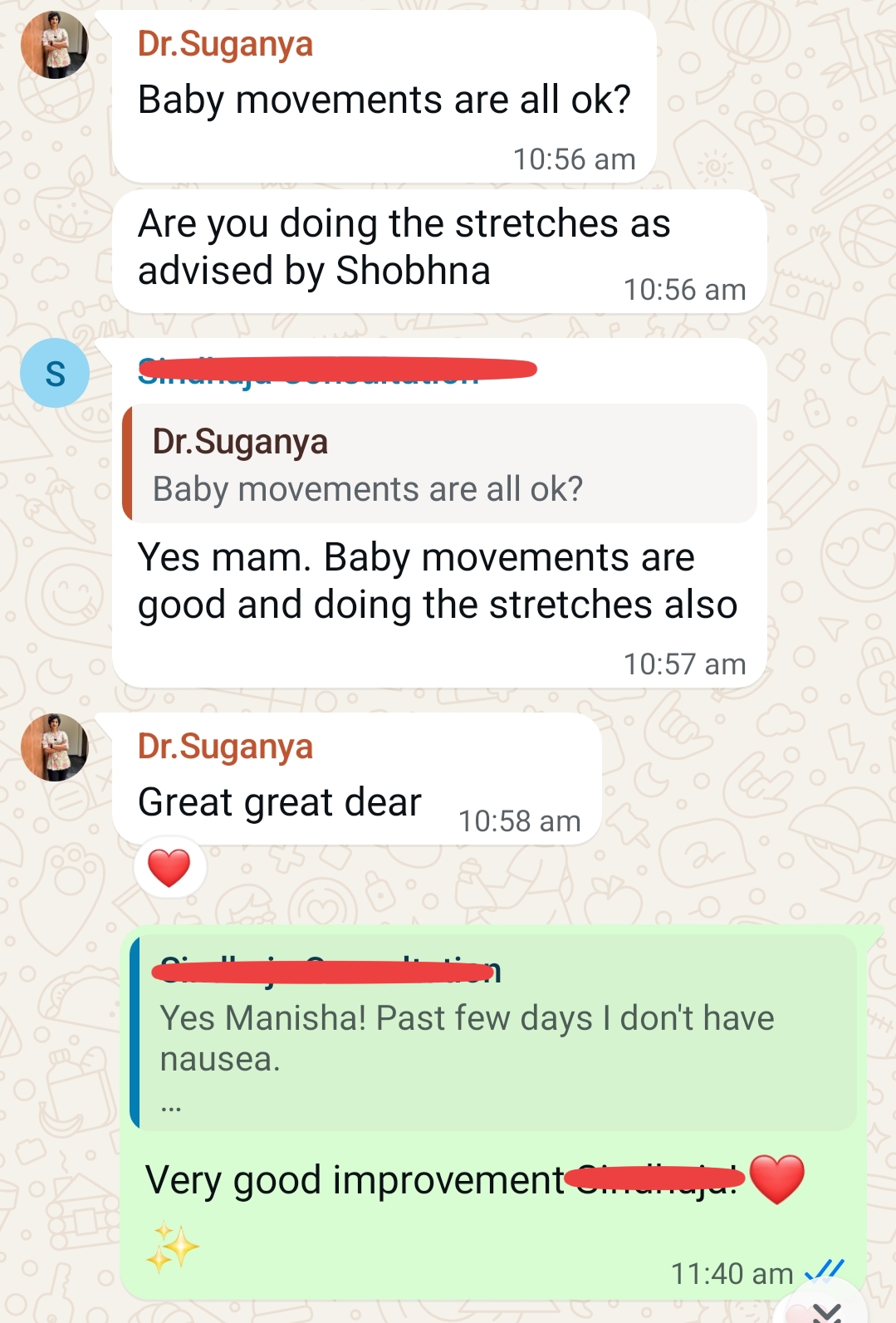
Throughout this journey, I also received constant hand-held support from Dr. Suganya, which made a huge difference. Having someone guide me so closely, understand my concerns, and be there at every step gave me a strong sense of comfort and confidence. It truly felt like I was being cared for, not just advised.
Dr. Suganya’s note: “The baby is slightly on the larger side”
During the term scan, Subhashree was told that her baby was measuring slightly on the larger side for her frame. She was immediately scared that this meant a caesarean section was coming, and that everything we had built up toward a normal delivery was now out of reach.
Shobhna, our antenatal coach, was at that time travelling in the United States for a relative’s wedding. She did not hesitate. She took out an urgent time slot from her trip to give Subhashree a detailed one-on-one yoga session focused on poses that help the pelvis open and the baby settle into a favourable position for labour. Subhashree followed the routine consistently, which also helped her pelvic floor muscles cooperate during the actual delivery. The result was a smooth, normal delivery.
This is what “support” actually looks like, and I want families to see that.
Preparing for Labour
As I started nearing my due date, the support became even more focused. I was guided through labour preparation sessions that helped me understand what to expect during delivery, both physically and mentally. This made a huge difference, because instead of going in with fear or uncertainty, I felt more prepared and aware.
There was also gentle mental and emotional guidance during this phase, helping me stay calm, trust my body, and approach labour with confidence rather than anxiety. That preparation gave me a sense of strength and readiness as I moved closer to delivery.
One fear I had been quietly carrying, since the day the IUI could not go through, was this: if a thin catheter couldn’t pass my cervix, how will a baby? I never fully said it out loud. But Dr. Suganya somehow knew. She kept telling me that the body in pregnancy and the body during a fertility procedure are two very different bodies, and that what I had been through before did not decide what would happen now. Slowly, I started to believe her.
Dr. Suganya’s note: the night labour started
I remember this patient very well. At around 37 weeks, she called me late at night. She had a little bit of bleeding and some mucus discharge, but no pain. She wanted to know whether it was safe to wait till morning to go to the hospital, since she did not have contractions yet.
I told her clearly: that is a show. It is one of the earliest signs that labour can begin, and she should not wait. By the time she reached the hospital, she was already almost 3 cm dilated. By the next morning, she had delivered her baby normally.
And one more thing families need to hear. Before joining our program, during that earlier IUI attempt, the doctor had told her that her cervical opening was so small that the IUI catheter could not be inserted at all. She had been carrying a silent fear through the entire pregnancy that if a catheter could not go in, how would a baby come out? With the right support, the right preparation, and the right confidence, she was able to do exactly that.
A Healthy Baby Boy
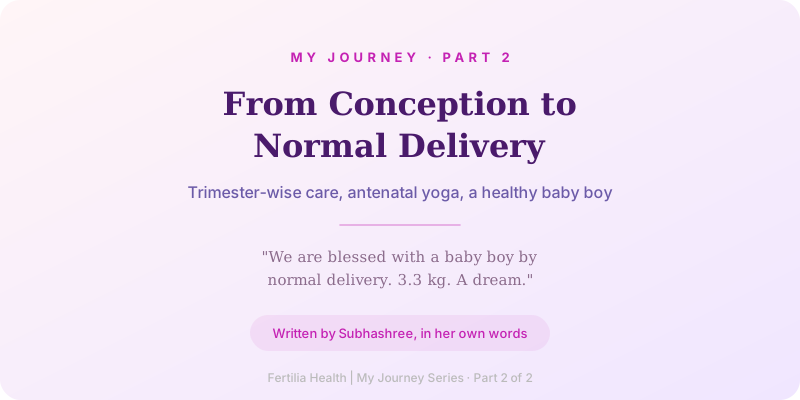
And when the time finally came, we delivered a healthy baby through a normal delivery. It was a moment filled with so much emotion, joy, and relief that we couldn’t keep it to ourselves. We shared the happiness with everyone around us, celebrating this long-awaited phase with immense gratitude.
Seeing our little one’s face for the first time was truly overwhelming, in the most beautiful way.
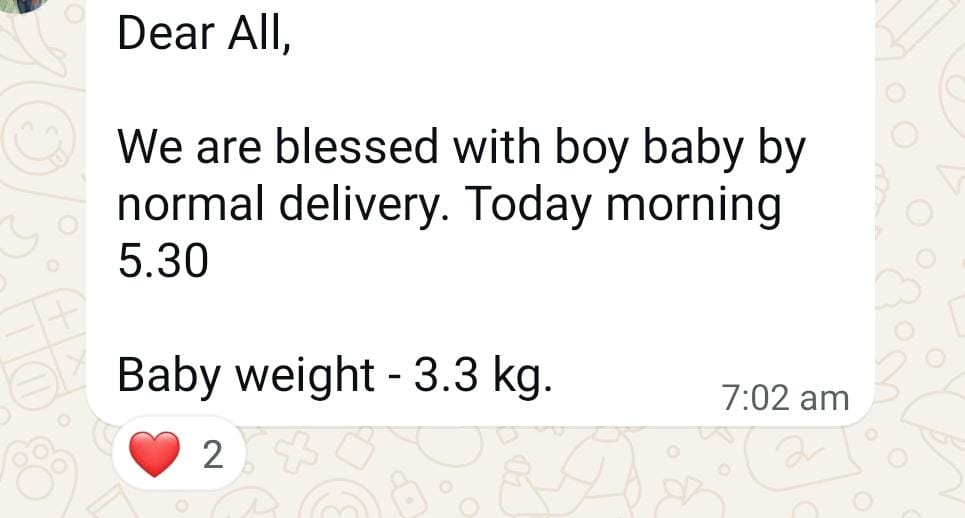
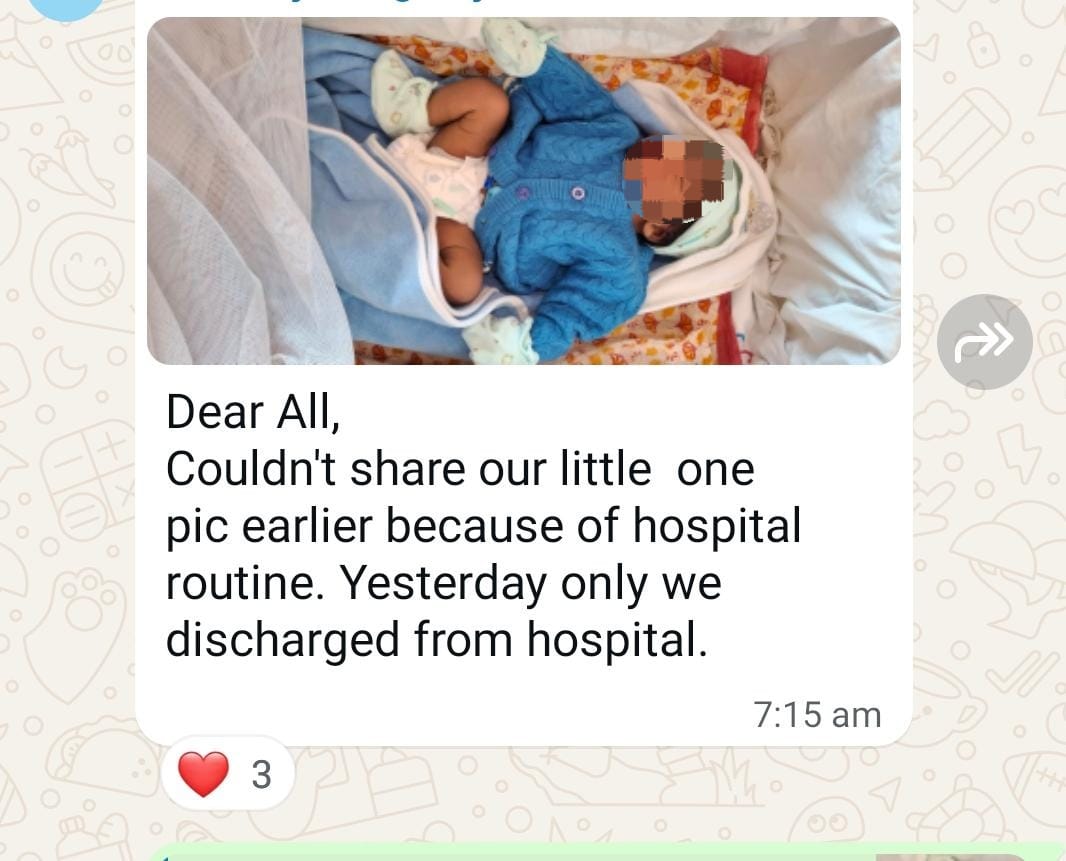
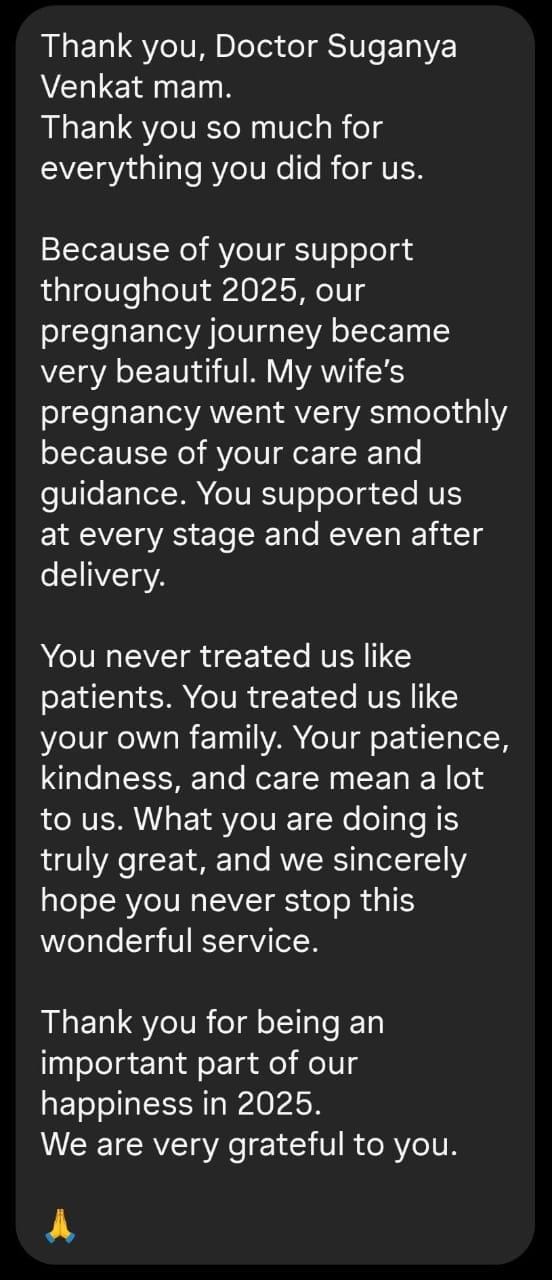
My husband, too, felt a deep sense of reassurance throughout. Watching the entire journey unfold with the right support made him feel confident and at ease. When he shared his gratitude, it came from a very genuine place, not just for the outcome, but for how supported and cared for we both felt through every stage.
After Delivery: The Guidance Didn’t Stop
Even after delivery, the guidance didn’t stop. We were provided with a simple and practical post-delivery guide, which helped us understand what to expect and how to take care of both myself and the baby. Along with that, feeding techniques and lactation counselling were explained clearly, making those initial days much smoother and less stressful.
A dedicated lactation counselling session by Dr. Manjari ma’am made a huge difference during this phase. The way she guided me through feeding techniques, clarified my concerns, and reassured me helped me feel more confident and comfortable as a new mother. It took away a lot of the initial hesitation and made the entire experience feel more natural and manageable. The breastfeeding diet plan for Indian mothers was also something I kept going back to.
That continued support made a big difference, helping us ease into this new phase with more confidence and comfort.
Preparing for a Normal Delivery After a Difficult Fertility Journey?
If you have had a failed IUI, a previous caesarean, or a term scan that worried you about baby size, and you still hope for a smooth normal delivery, Dr. Suganya and her team can help you understand what preparation your body actually needs in the final trimester.
Looking Back
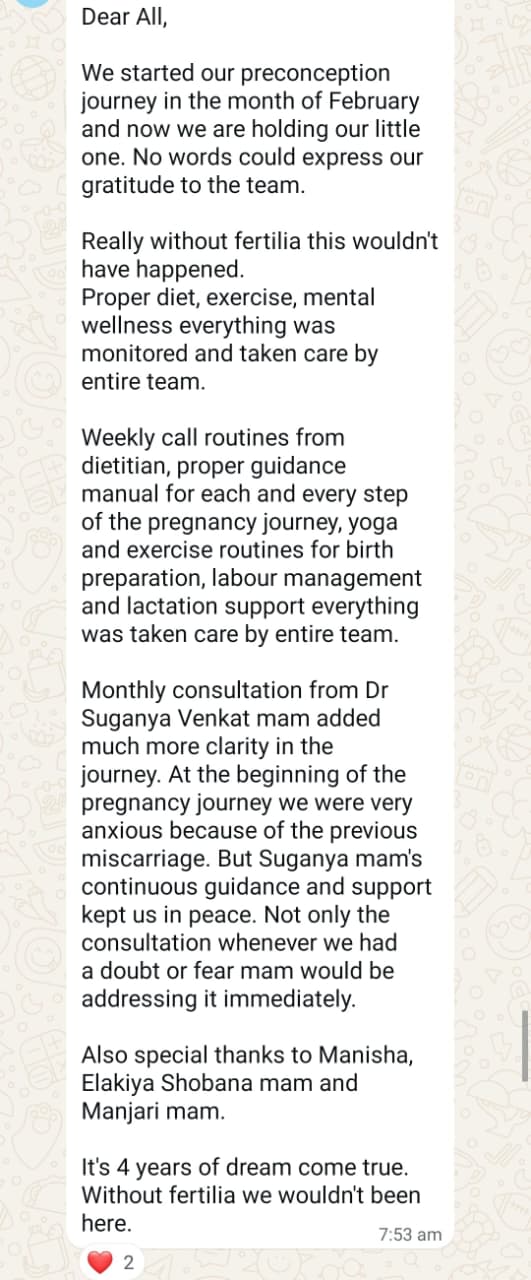
Looking back, this journey was not just about reaching pregnancy or delivery. It was about being guided, supported, and understood at every step.
From a miscarriage, to a low AMH report, to an IUI where the catheter could not even be inserted, to finally holding our baby in our arms, every one of those steps now feels like a part of a larger path we did not know we were walking.
And for that, we will always be truly grateful.
Frequently Asked Questions
If an IUI catheter cannot be passed through the cervix, does that mean I will need a C-section?
No. The cervix during a fertility procedure and the cervix during labour behave very differently. For an IUI, the cervix is firm, closed, and not “wanting” to let anything through. During labour, hormonal changes (prostaglandins, oxytocin, relaxin) soften, shorten, and open the cervix as part of a natural process. A cervix that seemed “too small” for a thin catheter can absolutely dilate to 10 cm for a baby, and Subhashree’s story shows exactly that. If this is something you have been worried about, it is worth talking to a doctor who can examine you properly and explain what you are actually dealing with, rather than living with a silent fear for nine months.
What is a “show” during pregnancy, and should I go to the hospital?
A “show” is a small amount of blood-tinged mucus discharge that happens when the mucus plug in the cervix starts to loosen as labour approaches. It is one of the earliest signs that labour can begin within hours or days. If you are past 37 weeks and you see mucus with streaks of blood, call your doctor straight away, even if you are not in pain. Subhashree called me around 37 weeks with exactly this (no pain, just a show) and asked whether she should wait till morning. I told her to go in immediately, and she was already 3 cm dilated by the time she reached the hospital. Waiting would have been risky.
If my baby is measuring “slightly larger” at the term scan, do I still have a chance at a normal delivery?
Often, yes. A baby measuring slightly on the larger side (but not truly macrosomic) does not automatically mean a caesarean section. What matters alongside baby size is maternal pelvic anatomy, baby’s position, and how well the pelvic floor and surrounding muscles can cooperate during labour. Targeted antenatal yoga, especially poses that help the pelvis open and the baby settle into an optimal position, can make a real difference in the final weeks. Subhashree was told her baby was measuring larger, and she still had a smooth normal delivery of a 3.3 kg baby with pelvic-opening yoga in the lead-up. Our guide on tips for a normal delivery goes deeper into this.
How does antenatal yoga help with labour and delivery?
Good antenatal yoga is not about flexibility or looking fit. It is about preparing the specific muscles and positions that labour will demand: pelvic mobility, pelvic floor awareness and release (not just strengthening), breath control, and positions that help the baby rotate and descend. A trimester-wise approach matters because what is safe and useful in the first trimester is different from what is needed at 36 weeks. Read more about safe yoga poses by trimester.
What kind of postpartum and lactation support should I expect?
The first two weeks after delivery are usually when a new mother feels the most unsure. Good support at this stage includes: a clear postpartum recovery plan for how much rest, movement, and nutrition you need; lactation counselling to get the latch right and avoid early breastfeeding problems; a practical breastfeeding diet that fits Indian kitchens; and someone you can message when a small question comes up at 2 am. Subhashree had all of this built into her program, and she has said more than once that it was what made the early postpartum days feel manageable instead of overwhelming.
Every Journey Starts with a Conversation
Whether you’re trying to conceive, recovering from a miscarriage, preparing for IUI or IVF, or navigating pregnancy, Dr. Suganya and her team are here to understand your unique situation and walk with you through every phase.
This story is part of Fertilia’s “My Journey” series, where past patients share their experiences in their own words. Every story is real, verified, and published with the patient’s explicit consent. Names have been changed to protect privacy.
Missed Part 1? Read how Subhashree conceived naturally after a failed IUI and low AMH diagnosis →