You notice something feels different this month. Your breasts feel tender at the edges. You’re more tired than usual at 7 PM. A faint nausea hits when you open the kitchen cupboard. Your mind races: could this be it?
Whether you have been trying to conceive for months or this cycle caught you by surprise, early pregnancy is one of the most emotionally charged periods of a woman’s life. What you feel in those first weeks is real. And understanding what is happening in your body, and why, can make the uncertainty much easier to hold.
This guide walks you through the most common early pregnancy symptoms, when they typically appear, and what to do if something worries you.
Why Do Early Pregnancy Symptoms Happen?
The moment a fertilised egg implants in the uterine lining, your body begins a rapid hormonal shift. Three hormones drive most of what you feel in early pregnancy:
Human Chorionic Gonadotropin (hCG): This hormone is produced by the developing placenta from the day of implantation. It rises sharply in the early weeks of pregnancy. While hCG levels are below approximately 6,000 mIU/mL, a healthy pregnancy typically sees hCG roughly doubling every 48 to 72 hours. Above that threshold, the doubling time naturally slows. hCG is what home pregnancy tests detect, and it also signals the ovaries to keep producing progesterone so the uterine lining is maintained. Your doctor is the right person to interpret your specific hCG trend.
Progesterone: Levels rise significantly after conception to prevent the lining from shedding. Progesterone relaxes smooth muscle throughout the body, which explains many symptoms: the digestive slowdown that causes bloating and constipation, the reduced muscle tone in the bladder that causes frequent urination, and the general feeling of fatigue.
Oestrogen: Rising oestrogen increases blood flow to the breasts (explaining tenderness and fullness), heightens the sense of smell (explaining food aversions and nausea), and contributes to the emotional sensitivity many women notice.
These hormones are doing exactly what they should. Most early pregnancy symptoms are a sign that your body is functioning well.
Very Early Signs: Before the Missed Period (Weeks 1 to 4)
Technically, the first two weeks of pregnancy are counted from the first day of your last period, even before conception occurs. Conception usually happens around week 2 to 3 (depending on your cycle length). Implantation then occurs roughly 6 to 12 days after ovulation.
For more on this, read our guide on Pregnancy Week by Week.
Implantation Spotting and Cramping (Week 3 to 4)
Some women notice light pink or brown spotting around 6 to 12 days after ovulation. This is called implantation bleeding, and it happens when the fertilised egg burrows into the uterine lining. It is usually much lighter than a period, lasting only 1 to 2 days, and comes with mild, fleeting cramps.
Not every woman experiences this. If you do not notice any spotting, that is equally normal. For a full explanation of how implantation bleeding differs from a period, read our detailed guide on implantation bleeding, signs, and timing.
Breast Tenderness and Fullness
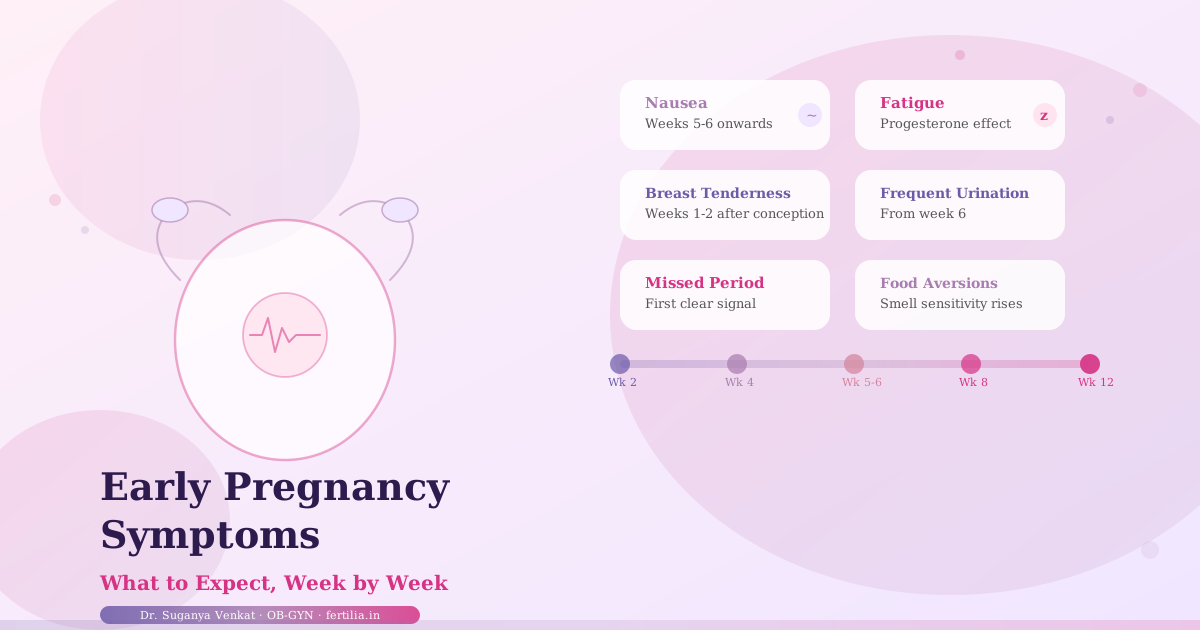
One of the earliest and most consistent signs of pregnancy is breast tenderness. The breasts may feel heavy, sore to touch at the sides and nipples, or unusually full. This begins as early as 1 to 2 weeks after conception and is driven by rising oestrogen and progesterone stimulating the milk ducts.
Many women describe it as similar to pre-menstrual breast soreness, but more pronounced and more persistent.
Fatigue
Rising progesterone has a sedative effect on the body. Many women feel an unusual, deep tiredness in the first two to three weeks after conception, even if they are sleeping well. This is not laziness. It is your body redirecting energy to build a placenta, which is metabolically demanding work.
Heightened Sense of Smell
An increase in oestrogen makes the olfactory system more sensitive. Smells that were previously neutral or pleasant, like cooking oil, coffee, or garlic, can suddenly feel overwhelming or nauseating. This symptom often appears before the classic morning sickness and can be one of the first clues that something has changed.
First Month Symptoms: Weeks 4 to 8
Once your period is missed (around week 4), hCG levels are high enough to be detected by a home pregnancy test. This is also when most women start noticing more unmistakable symptoms.
Missed Period
A missed period is the most well-known sign of pregnancy. However, some women experience light spotting around the time their period was due, which can be confusing. This spotting is usually implantation-related or due to hormonal changes in the cervix, and is distinctly lighter and shorter than a full period.
If you have irregular cycles due to PCOS or another condition, tracking your ovulation with a basal body temperature chart or ovulation predictor kit can help you identify a true missed period versus a delayed cycle. Our guide on how to track ovulation covers this in detail.
Nausea (Morning Sickness)
Nausea is one of the most discussed early pregnancy symptoms, and one of the most misunderstood. Despite the name, morning sickness can occur at any time of day or night. It typically begins around week 5 to 6 and peaks between week 8 and 10, usually easing by week 12 to 14 for most women.
Rising hCG is the primary driver. Research suggests that higher hCG levels are associated with more intense nausea, which is why women carrying twins or girls sometimes report stronger symptoms (though this is not a reliable predictor). A 2000 study published in the Quarterly Review of Biology by Flaxman and Sherman found that nausea in early pregnancy may also serve a protective function, triggering aversions to foods that carry higher risk of foodborne illness.
For Indian women, the smell and taste of strongly seasoned foods, including deep-fried snacks, pickles, and even fresh tempering with mustard seeds, can become intolerable in early pregnancy. This is entirely normal. Dry snacks like plain khakhra, roasted chivda, or dry biscuits eaten before getting out of bed can help blunt the first wave of morning nausea.
Frequent Urination
Progesterone relaxes the bladder muscles, reducing their capacity. At the same time, increased blood flow to the kidneys raises the rate at which urine is produced. The result: you need to urinate more often, including waking up at night.
This symptom typically begins around week 6 and continues through the first trimester.
Food Cravings and Aversions
Many women experience specific food cravings in early pregnancy, particularly for sour or salty foods. In South Indian households, cravings for raw mango (kacha maanga), tamarind, buttermilk, or particular sambar combinations are common and often discussed within families. These are real physiological responses, likely linked to changes in taste receptor sensitivity.
Food aversions are equally common. If a food you previously enjoyed, like eggs, chicken, or heavily spiced dal, now makes you feel sick, trust your body and avoid it for now. These aversions usually resolve by the second trimester.
Bloating and Constipation
Progesterone slows the movement of food through the digestive tract (a process called peristalsis). This causes the stomach to empty more slowly, producing bloating, gas, and constipation in many women.
Eating smaller, more frequent meals, staying well hydrated, and including fibre-rich foods like ragi, jowar, and cooked vegetables can help manage this. Isabgol (psyllium husk) in warm water is a safe and effective option many Indian women use and can be continued in pregnancy with adequate fluid intake.
Mood Changes
Rapid fluctuations in progesterone and oestrogen affect neurotransmitter systems, including serotonin and dopamine. Emotional sensitivity, irritability, sudden tearfulness, and anxiety about the pregnancy are all common in the first weeks. These are hormonal, not psychological weakness.
It helps to share what you are experiencing with someone you trust. Many women find that naming what they feel (“I know this is hormonal and it will ease”) makes it more manageable.
Talking to Your Doctor: What Needs Attention Now
Positive pregnancy test: what to do first. A positive home pregnancy test should be followed by a confirmation appointment with your gynaecologist. She will typically order a blood hCG test and, around week 6 to 7, an ultrasound to confirm intrauterine location and fetal heartbeat. This early scan is important for ruling out an ectopic pregnancy, where the embryo implants outside the uterus, and for accurate dating. Read more about ectopic pregnancy signs and what to watch for.
When to contact your doctor promptly:
- Heavy bleeding with cramps (heavier than a normal period)
- Severe one-sided lower abdominal pain, especially with dizziness
- Persistent vomiting that prevents you from keeping any food or water down (hyperemesis gravidarum)
- High fever
The vast majority of early pregnancy symptoms are normal and reassuring. But your doctor is always the right person to call when something does not feel right.
Mid-Pregnancy Check-In: Let Us Help
If you have just received a positive pregnancy test and want personalised guidance for your first trimester (nutrition, supplements, what tests to expect, and how to feel better day to day), Dr. Suganya’s team at Fertilia is here to support you.
For more on this, read our guide on First Trimester. Start a WhatsApp conversation with Dr. Suganya’s team →
We work with newly pregnant women every day. There is no question too small.
Frequently Asked Questions About Early Pregnancy Symptoms
Do strong symptoms mean a healthier pregnancy?
Not necessarily. Symptom intensity varies significantly between women, between pregnancies in the same woman, and across different weeks. Some women feel strong nausea and fatigue; others feel almost nothing. Light symptoms do not mean the pregnancy is not progressing well. Your hCG levels and ultrasound findings are far more reliable indicators of pregnancy health than how you feel.
Can I take a home pregnancy test before my missed period?
Most home pregnancy tests are designed to detect hCG from the day of the expected period. Some sensitive tests (those detecting 10-20 mIU/mL hCG) can give a positive result 3 to 5 days before the missed period, but false negatives are more common this early because hCG levels may not yet be high enough. For the most reliable result, test from the day your period was due, using the first urine of the morning (when hCG is most concentrated).
What is the difference between PMS symptoms and early pregnancy symptoms?
Many early pregnancy symptoms (breast tenderness, fatigue, bloating, mood changes) overlap with premenstrual symptoms, making early self-diagnosis difficult. The key differences are timing and intensity. Pregnancy symptoms persist and often intensify after the expected period date, rather than resolving when the period is due. A missed period followed by a positive test is the reliable confirmation.
Is it normal to have no symptoms in early pregnancy?
Yes. Some women have very mild or no obvious symptoms in the first weeks, particularly before week 6. This does not indicate a problem. Symptom onset and intensity depend on individual hormone sensitivity, the speed of hCG rise, and your general baseline. If you have a confirmed positive test and no concerning symptoms (bleeding or severe pain), absence of nausea or fatigue is not a cause for alarm.
When does morning sickness usually go away?
For most women, nausea peaks between weeks 8 and 10 and resolves by the end of the first trimester (week 12 to 14). A smaller proportion of women experience nausea into the second trimester. A minority develop hyperemesis gravidarum (severe, persistent vomiting requiring medical attention), which affects roughly 0.3 to 2% of pregnancies.
Should I start folic acid as soon as I get a positive test?
If you were not already taking folic acid, start immediately upon a positive test. Neural tube formation occurs in the first 28 days after conception, often before many women know they are pregnant. The standard recommendation from the WHO and Indian obstetric guidelines is 400 micrograms (0.4 mg) of folic acid daily, ideally started at least one month before conception and continued through the first trimester. Women with diabetes, a prior pregnancy affected by neural tube defect, or those on certain medications may need a higher dose; your doctor will advise. Our guide on folic acid in pregnancy has full details.
Can I continue my regular diet in the first trimester?
Yes, with a few important adjustments. Avoid raw papaya (kacha papaya), high-mercury fish, unpasteurised dairy, and raw sprouts. Reduce caffeine to under 200 mg per day (roughly one cup of filter coffee). Continue eating a varied Indian diet: dal, rice, roti, curd, cooked vegetables, eggs, and seasonal fruit provide most of what you and your baby need in the first trimester. Your doctor will guide you on any specific supplements based on your blood work.
Key Takeaways
Early pregnancy is a time of rapid, profound change in your body. Here is a brief summary of what to expect:
- Weeks 3 to 4: Possible implantation spotting and cramping, breast tenderness, fatigue, heightened smell sensitivity
- Week 4: Missed period, home pregnancy test becomes reliably positive
- Weeks 5 to 6: Nausea often begins, frequent urination starts, food aversions appear
- Weeks 8 to 10: Nausea often at its peak; fatigue is significant
- Week 12 to 14: Most symptoms begin to ease as the second trimester approaches
- Throughout: Symptoms vary enormously between women. What you experience is not a measure of how your pregnancy is progressing.
The first weeks are meant to be supported, not managed alone. Whether you are newly pregnant, trying to understand what your body is telling you, or working through a complicated first trimester, your questions deserve personalised answers from a clinician who knows your history.
Message Dr. Suganya on WhatsApp to ask your question or book a consultation →
Dr. Suganya Venkat is an OB-GYN with 15+ years of clinical experience. DNB OB-GYN (GKNM Hospital, Coimbatore) · MD Pathology (CMC Vellore) · MBBS with 5 Gold Medals (SRMC). She leads the Fertilia Health program supporting women through fertility, pregnancy, and postpartum care.