You have just delivered your baby. The nurses have explained a hundred things, your family is arriving with food and advice, and in the middle of all of this you notice you are bleeding more than you expected. Nobody really prepared you for this part.
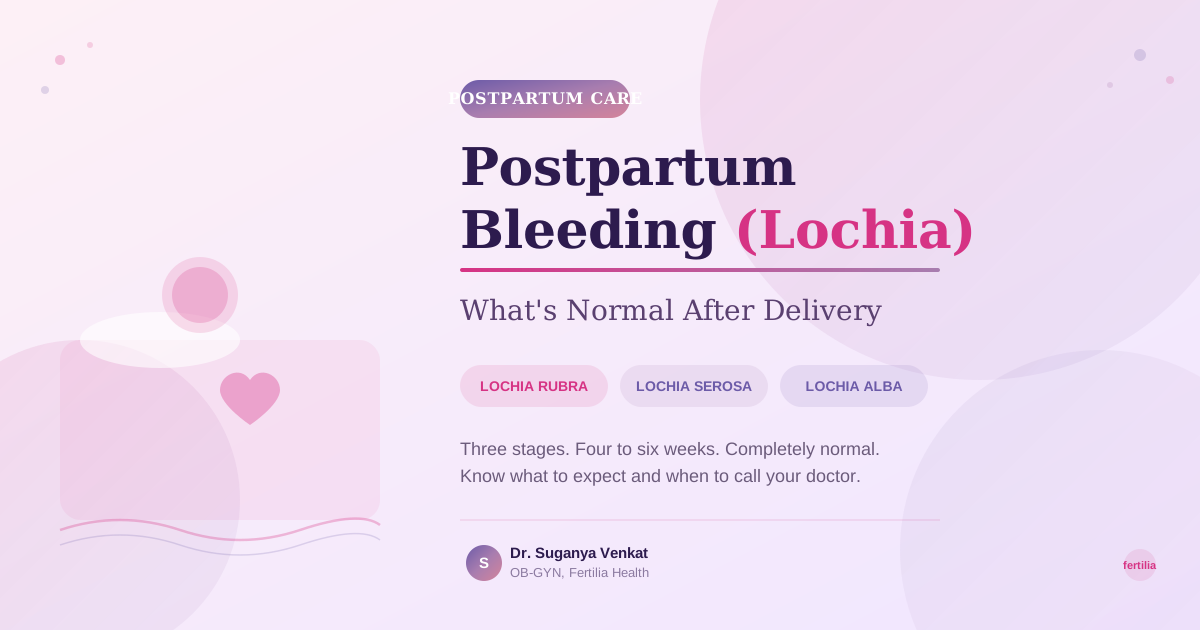
Postpartum bleeding (lochia) is completely normal after delivery, for all mothers. Lochia is the uterus shedding its pregnancy lining. It lasts 4–6 weeks in three stages: bright red (days 1–4), pinkish-brown (days 4–10), and pale yellow or white (day 10 onward). The key caveat: do not use tampons or a menstrual cup during lochia. Use only external maternity pads, as the cervix remains partially open throughout this period.
Postpartum bleeding, called lochia, is one of the most common concerns new mothers bring to their first follow-up. Women who delivered vaginally worry it is too heavy. Women who had a C-section worry it means something went wrong inside. Breastfeeding mothers notice it surges during feeds and wonder whether that is safe.
For more on this, read our guide on Postpartum Yoga.
For more on this, read our guide on Postpartum Exercise. This post answers all of those questions with clinical detail and no alarm. By the end, you will know exactly what to expect at each stage, which changes are completely normal, and the specific signs that mean you should call your doctor without waiting.
For more on this, read our guide on Postpartum Warning Signs.
What Is Lochia?
Lochia is not your period returning. It is the normal process of your uterus shedding its pregnancy lining (the decidua) and healing the large internal wound left where the placenta was attached.
During pregnancy, the inner surface of your uterus undergoes profound changes to support placental blood flow. After delivery, that surface needs to shed, contract, and regenerate. The discharge you see is a combination of blood, mucus, tissue fragments, and white blood cells working together to clear and repair.
This process happens after both vaginal deliveries and C-sections. A cesarean delivery removes the baby through the abdomen but does not bypass the uterus’s need to shed and heal its inner lining.
Lochia typically continues for 4 to 6 weeks after delivery, though some women experience it for up to 8 weeks. Research by Oppenheimer et al. (1986, published in the British Journal of Obstetrics and Gynaecology) found that duration varies widely between women and is influenced by breastfeeding, activity level, and individual healing rates.
Is Postpartum Bleeding (Lochia) Normal After Delivery?
Yes, postpartum bleeding (lochia) is completely normal after delivery, whether you delivered vaginally or by C-section. Lochia is the physiological process of the uterus shedding its pregnancy lining (the decidua) and healing the internal wound left by the placenta. ACOG guidelines recognise lochia as an expected part of postpartum recovery. It becomes a concern only when flow soaks more than one pad per hour for two consecutive hours, clots exceed the size of a 50-rupee coin, or discharge develops a foul smell alongside fever.
How Long Does Lochia Last After Delivery?
Lochia typically lasts 4 to 6 weeks after delivery, though some women experience it for up to 8 weeks. Flow is heaviest in the first 3–4 days (lochia rubra), lightens considerably by day 10 (lochia serosa), and reduces to minimal spotting from day 10 onwards (lochia alba). Breastfeeding mothers may find lochia resolves slightly sooner, as oxytocin-driven contractions help expel remaining tissue more efficiently. If flow continues beyond 8 weeks, a postnatal check with your obstetrician is appropriate.
The Three Stages of Lochia
Understanding the stages removes most of the uncertainty. Each has a predictable colour, consistency, and duration.
Stage 1: Lochia Rubra (Days 1 to 4)
Lochia rubra means “red lochia.” During this stage, the discharge is bright red, similar in appearance to a heavy period. You may pass small clots, particularly when you stand up after lying down for a while. This is because blood pools in the vagina during rest and releases when you move.
Flow is heaviest in the first 24 hours and typically decreases over the following days. Most women use maternity pads during this stage, not standard pads, because flow can be substantial.
What is normal:
- Bright red colour
- Clots up to about the size of a 10-rupee coin
- Flow that is heavier in the morning and after physical activity
- A mild, fresh blood smell
What is not a concern:
- Flow increasing slightly when you breastfeed (see the next section)
- Passing a few small clots when you first stand up after rest
Stage 2: Lochia Serosa (Days 4 to 10)
As the initial wound begins to heal, the discharge changes colour and consistency. Lochia serosa is pink, brown, or watery red. The flow becomes lighter, and the consistency is thinner.
This stage marks the transition from active shedding to healing. The colour change happens because fresh blood is no longer the dominant component.
What is normal:
- Pink or brownish colour
- Lighter flow than Stage 1
- Thinner consistency
- Occasional streaks of brighter red on days when you are more active
What to watch for:
- If the colour returns to bright red and stays bright red after day 5 or 6, that is worth monitoring for 24 hours. If it persists, call your doctor.
Stage 3: Lochia Alba (Day 10 Onwards)
Lochia alba (white or pale lochia) is the final stage. The discharge becomes yellow or cream-coloured, then fades to white. Flow is minimal, more like end-of-period spotting than active bleeding.
This stage can last several weeks. Most women are in lochia alba by day 14 and see it taper off completely by week 4 to 6.
What is normal:
- Pale yellow, cream, or white colour
- Very light flow
- Possibly no flow on some days, then light spotting again (this is common and not a cause for concern)
Breastfeeding and Lochia: Why It Gets Heavier During Feeds
Many breastfeeding mothers notice that lochia increases during or just after nursing. Some find it slightly uncomfortable. This is not a warning sign. It is oxytocin doing exactly what it is supposed to do.
Breastfeeding triggers the release of oxytocin, the same hormone that causes uterine contractions during labour. After delivery, these oxytocin-driven contractions help the uterus shrink back to its pre-pregnancy size and expel remaining tissue and blood.
Research published in Obstetrics and Gynecology by Visness et al. (1997) found that breastfeeding is associated with a shorter overall duration of postpartum bleeding in many women. In other words: the temporarily heavier flow during feeds is the mechanism that helps resolve lochia faster.
What this means for you: When lochia increases during a feed, it is a sign your body is working efficiently. You can continue nursing without concern.
When to Call Your Doctor
Most of what you experience during the lochia period is within normal range. But a small number of postpartum bleeding complications do need same-day evaluation. Knowing these specific signs helps you respond calmly and promptly rather than wondering whether to wait.
Call your doctor the same day if you notice:
1. Soaking more than one pad per hour for two consecutive hours The clinical threshold for postpartum hemorrhage is blood loss exceeding 500 ml after a vaginal delivery or 1,000 ml after a C-section (ACOG Practice Bulletin, 2017). At home, you cannot measure volume precisely, but saturating a full-size maternity pad in under an hour for two hours running is a practical indicator that something needs evaluation.
For more on this, read our guide on Postpartum Hair Loss. 2. Clots larger than a 50-rupee coin Occasional small clots, especially in the first 48 hours, are normal. Clots significantly larger than this (often described as golf-ball size in Western references, but a 50-rupee coin is a more familiar comparison for Indian women) suggest incomplete uterine contraction or retained tissue, both of which are treatable when identified early.
3. Bright red bleeding that returns after lochia had already turned pink or brown If you are on day 8 and your discharge was pink for several days, then suddenly returns to heavy bright red, this pattern of “secondary postpartum hemorrhage” needs assessment. Common causes include retained placental fragments or a uterine infection, both of which respond well to treatment.
4. Discharge with a foul or unusually strong smell, especially with fever Lochia has a mild, slightly metallic smell. A foul odour combined with fever (above 38°C) is a classic sign of endometritis, an infection of the uterine lining. This needs antibiotic treatment and should not be managed with home remedies or waiting.
5. Heavy bleeding combined with dizziness, weakness, or shortness of breath These symptoms together suggest significant blood loss and need hospital evaluation. Trust your body’s signals here. Feeling unusually weak or faint after delivery is not something to dismiss.
The goal of this list is not to alarm you. It is to give you clear, specific parameters so that when everything is normal, you can rest without anxiety, and when something genuinely needs attention, you know exactly what that looks like.
If you are in your postpartum period and something does not feel right, Dr. Suganya Venkat is available on WhatsApp to review your symptoms and advise whether you need to be seen. She has supported hundreds of new mothers through exactly these questions.
Message her directly: wa.me/919940270499
Lochia After a C-Section
Many C-section mothers are surprised to experience postpartum bleeding at all, since their baby was delivered surgically. The confusion is understandable. Here is the anatomy that explains it.
A C-section involves a horizontal incision through the abdomen and uterus. The baby is delivered through this incision. But the uterus’s inner lining, which thickened and changed throughout pregnancy to support the placenta, still needs to shed after delivery, regardless of how the baby came out. That shedding produces lochia.
The stages and duration of lochia after a C-section are the same as after a vaginal delivery. However, C-section mothers are typically advised to be slightly more cautious about activity levels in the early weeks, because physical exertion strains both the abdominal wound and the internal healing process.
If you had a C-section and notice bright red bleeding increasing around your abdominal wound site (separate from vaginal discharge), that is a different concern and needs immediate evaluation.
Factors That Affect How Long Lochia Lasts
No two postpartum recoveries are identical. Several factors influence the duration and flow of lochia:
Uterine tone and contraction ability. A uterus that contracts well tends to resolve lochia more efficiently. Uterine atony (poor contraction) is the most common cause of heavy postpartum bleeding and is one reason your midwife or nurse monitors uterine firmness in the first 24 hours.
Breastfeeding. As discussed above, breastfeeding-driven oxytocin release supports uterine involution (shrinking) and may shorten total lochia duration.
Activity level. Rest during the first two weeks is the most protective thing you can do for lochia resolution. Physical activity before the uterus has fully contracted can increase flow and slow healing. This is the physiological basis behind the traditional Indian 40-day rest period (the jaappa). The cultural wisdom aligns with what clinical evidence supports: your body needs relative rest during this window. Your postpartum recovery guide has week-by-week guidance on what activity is appropriate at each stage.
Parity. Women who have had previous deliveries sometimes notice differences in uterine contractility. Your experience with lochia from a first delivery is not necessarily a reliable predictor for subsequent deliveries.
Retained tissue. If small fragments of the placenta or decidua remain inside the uterus after delivery, the uterus cannot fully contract and lochia continues longer or becomes heavier. This is one reason your obstetrician confirms placental completeness at delivery. If retained tissue is suspected, an ultrasound can identify it and it can be managed.
Practical Guidance for the Lochia Period
Managing lochia at home is straightforward once you know what you are managing.
Use maternity pads in the first two weeks. Tampons, menstrual cups, and period underwear are not appropriate during the lochia period. Inserting anything into the vagina while the cervix is still partially open and the uterine lining is healing significantly increases infection risk. Maternity pads are widely available at pharmacies and are designed for this volume of flow.
Change pads regularly. Do not wait until a pad is full. Frequent changes reduce infection risk and help you monitor flow changes accurately.
Rest, but move gently. Complete bed rest is not the recommendation. Short, gentle walks within the first week help circulation and reduce clotting risk. The goal is to avoid strenuous activity: lifting heavy weights, climbing multiple flights of stairs repeatedly, or resuming exercise routines before six weeks.
Stay hydrated. Dehydration affects recovery across every system. If you are breastfeeding, your fluid needs are even higher. Warm water, tender coconut, light rasam, and diluted fruit juices are all suitable. Avoid anything that reduces fluid intake.
Watch for signs of infection. Beyond foul-smelling discharge and fever (already covered above), redness or increasing tenderness around a perineal tear or C-section wound also needs same-day evaluation.
Resuming intercourse. Most obstetricians advise waiting until lochia has fully resolved and until after your six-week postnatal check before resuming sexual intercourse. This is protective: the cervix remains slightly open until the uterus has fully involuted, and intercourse before this can introduce infection.
Supporting Your Overall Postpartum Recovery
Lochia is one part of the larger postpartum healing picture. Your nutritional needs, sleep, hormonal transitions, and mental health are all interconnected during this period.
For nutrition that supports healing during the lochia period, including iron-rich Indian foods to replace blood loss, see the Breastfeeding Diet guide for Indian mothers, which covers nutrients relevant to all postpartum women, not just those who are nursing.
If you are noticing mood changes, persistent sadness, or anxiety in the weeks after delivery, these symptoms are worth discussing with your doctor. Postpartum depression is common, treatable, and completely unrelated to how much you love your baby. Understanding it reduces the time between symptom onset and getting the support you need.
For guidance on safe weight loss after the lochia period has resolved, the postpartum weight loss guide covers evidence-based approaches that do not compromise recovery or milk supply.
Frequently Asked Questions
Is postpartum bleeding (lochia) normal after delivery?
Yes. Lochia (the vaginal discharge that follows delivery) is completely normal for all new mothers, whether they delivered vaginally or by C-section. It lasts 4–6 weeks, progressing from bright red to pinkish-brown to pale white. It is the uterus healing its inner lining, not a complication.
How long does lochia last?
Lochia typically lasts between 4 and 6 weeks after delivery, though some women experience it for up to 8 weeks. Duration varies between individuals and is influenced by breastfeeding, activity level, and how efficiently the uterus contracts. If you are still seeing flow beyond 8 weeks, a check-up with your obstetrician is a good idea.
Is lochia the same as a period?
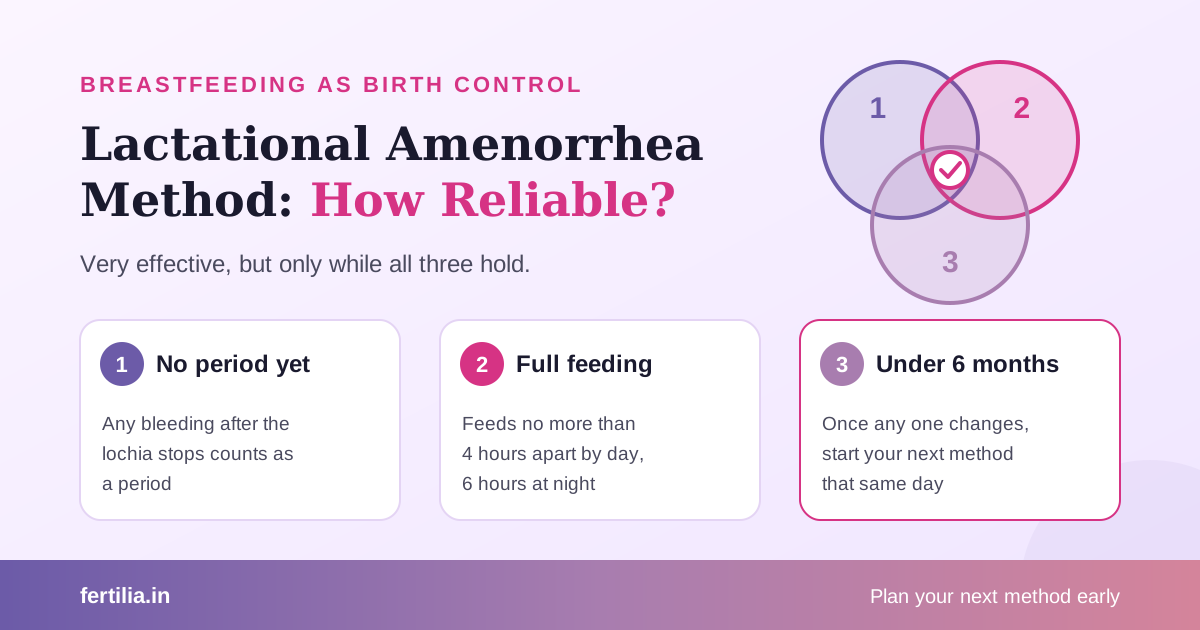
No. Lochia is the uterus shedding its pregnancy lining and healing the placental attachment site. Your actual period will return separately, usually between 6 weeks and 6 months postpartum depending on whether you are breastfeeding. Exclusively breastfeeding women often do not have a period for several months because prolactin suppresses ovulation. However, this is not a reliable contraceptive method.
Can lochia stop and then start again?
Yes. It is common for lochia to appear to slow or stop for a day or two and then resume, particularly after physical exertion or a day of more activity than usual. This is the uterus responding to increased blood flow. If the restart is heavy bright red bleeding after lochia had already reached the pink or white stage, and it continues for more than 24 hours, check with your doctor.
Does lochia smell normal?
Lochia has a mild smell similar to a period, slightly metallic or organic. This is normal. A foul smell, significantly different from a normal period odour, is not normal and suggests possible infection, particularly if accompanied by fever or increasing abdominal tenderness.
Can I use tampons or a menstrual cup during lochia?
No. The cervix remains partially open and the uterine lining is actively healing for several weeks after delivery. Inserting anything into the vaginal canal during this period increases the risk of infection significantly. Use only external maternity or postpartum pads until lochia has fully resolved and your six-week postnatal appointment has confirmed healing.
Does lochia look the same after a C-section?
Yes, in most respects. The three stages (bright red, pink or brown, then pale) occur after C-section deliveries as they do after vaginal deliveries. The uterine lining sheds regardless of how the baby was born. C-section mothers should also monitor their abdominal wound separately from vaginal discharge; any redness, increasing pain, or discharge from the wound site itself needs prompt attention.
When should I be concerned about lochia?
The main red flags are: soaking more than one maternity pad per hour for two or more consecutive hours, passing clots larger than a 50-rupee coin, bright red bleeding returning after discharge had turned pink or white, discharge with a foul smell and fever, and feeling faint or unusually weak alongside heavy bleeding. Any one of these warrants a same-day call to your obstetrician, not a wait-and-see approach.
What happens if lochia suddenly stops or is “suppressed”?
Lochia normally tapers gradually over four to six weeks; it does not switch off all at once. If the flow stops abruptly and is accompanied by fever, lower abdominal pain or cramping, or a foul smell, it can occasionally mean blood and tissue are being held back inside the uterus (sometimes called lochiostasis) rather than draining normally. A sudden stop on its own, with no other symptoms, is usually nothing to worry about, but a sudden stop together with fever, pain, or a bad smell is a same-day call to your doctor.
After lochia turns yellow or white, is it normal to see blood again?
A little light spotting, or a brief pink or brown tinge, after you have reached the pale yellow or white (lochia alba) stage is common, especially after a more active day, and settles on its own. What is worth a call is a return to fresh, heavy, bright red bleeding after the discharge had already turned pale, particularly if it soaks a pad and lasts more than a day. That pattern needs checking rather than waiting.
What does abnormal lochia look like at 3 weeks postpartum?
By around three weeks, most women are in the pale stage: light cream, yellow, or white discharge with very little flow. Signs that are not expected at this point include heavy bright red bleeding, clots larger than a 50-rupee coin, a foul or strong smell, or discharge alongside fever or increasing abdominal pain. Any of these is a reason to call your doctor the same day. A faint pale discharge that is slowly fading is normal at three weeks.
What are lochia rubra, serosa, and alba?
These are the medical names for the three normal stages of postpartum bleeding. Lochia rubra is the bright red flow of roughly days 1 to 4. Lochia serosa is the lighter pink, brown, or watery-red flow of about days 4 to 10, as healing begins. Lochia alba is the final pale yellow or white discharge from around day 10 until it stops, usually by week four to six. Moving through these three stages in order is exactly what healthy healing looks like.
For more on this, read our guide on Postpartum Thyroiditis.
A Note from Dr. Suganya
In fifteen years of clinical practice, lochia is one of the topics I wish someone had explained more clearly to every patient before discharge from hospital. The worry that comes from not knowing what is normal costs new mothers sleep and peace of mind they genuinely need for recovery.
Your body is doing something remarkable in these weeks. The lochia you see is evidence of a complex healing process running exactly as it should. Most of what you will experience is well within normal range. When it is not, the signals are clear and the treatments are effective.
If you have questions about your recovery or are not sure whether what you are experiencing is normal, I am available on WhatsApp. New mothers never need to figure this out alone.
Message Dr. Suganya directly: wa.me/919940270499
Knowing what is normal is part of the reassurance in Dr. Suganya’s Postpartum Recovery program.
Dr. Suganya Venkat is an OB-GYN with 15+ years of clinical experience. DNB OB-GYN (GKNM Hospital, Coimbatore) · MD Pathology (CMC Vellore) · MBBS with 5 Gold Medals (SRMC).