Walk into any Indian kitchen on a regular weekday and the chances are very high that a small steel container of moong dal is soaking on the counter. It is the daily dal in lakhs of homes. New mothers eat it within hours of delivery. Toddlers start solids on it. Women managing PCOS reach for it on busy weekdays when nothing else feels easy.
Moong dal earns this reputation honestly. It is one of the most digestible pulses in the Indian pantry, it cooks in under twenty minutes, and a single katori delivers a meaningful amount of protein, iron, and folate without a heavy stomach.
For more on this, read our guide on Rajma (Kidney Beans).
For more on this, read our guide on Masoor Dal Benefits.
For more on this, read our guide on Urad Dal Benefits. This guide covers the three forms of moong you will see at the kirana store, nutritional facts based on USDA FoodData Central and ICMR-NIN 2017 data, regional Indian names, five practical recipes, and daily portions for PCOS, pregnancy, and the early postpartum weeks.
For more on this, read our guide on Toor Dal Benefits. For a broader look at how dals and pulses fit into a daily eating pattern for women, our complete list of fertility-supportive Indian foods covers folate, iron, and protein sources across the Indian plate.
The Three Forms of Moong You Will See at the Store
Most kirana shops in India stock three distinct forms of green gram. Each one looks different, cooks differently, and has slightly different nutritional and digestive properties.
1. Sabut moong (whole green gram). Small, oval, bright green seeds with the skin intact. This is the form used for sprouting. It takes the longest to cook (about 25 to 30 minutes in a pressure cooker after soaking) and has the most fibre.
2. Moong dal chilka (split moong with skin). The whole green seed split in half, with the green skin still on each half. Cooks faster than whole moong, retains the fibre, and gives a slightly fuller-bodied dal.
3. Yellow moong dal (dehulled split moong). The split form with the green skin removed, revealing the pale yellow inner pulse. This is the most common moong in Indian kitchens. It cooks in 10 to 15 minutes, dissolves into a smooth dal, and is the easiest to digest of the three forms. It is the dal traditionally served to new mothers and recovering patients across India.
All three forms come from the same plant (Vigna radiata) and have similar protein, iron, and folate content per 100g raw. The difference is fibre (highest in whole, lowest in dehulled) and digestibility (highest in dehulled, lowest in whole).
Nutritional Facts: Moong Dal per 100g
The values below are for raw, dry moong (before cooking). When cooked, weight roughly triples due to water absorption, so the per-katori cooked values are about one-third of the per-100g raw values.
| Nutrient | Whole Green Moong (raw) | Yellow Moong Dal (raw) | Cooked Mung (boiled, no salt) |
|---|---|---|---|
| Calories (kcal) | 347 | 348 | 105 |
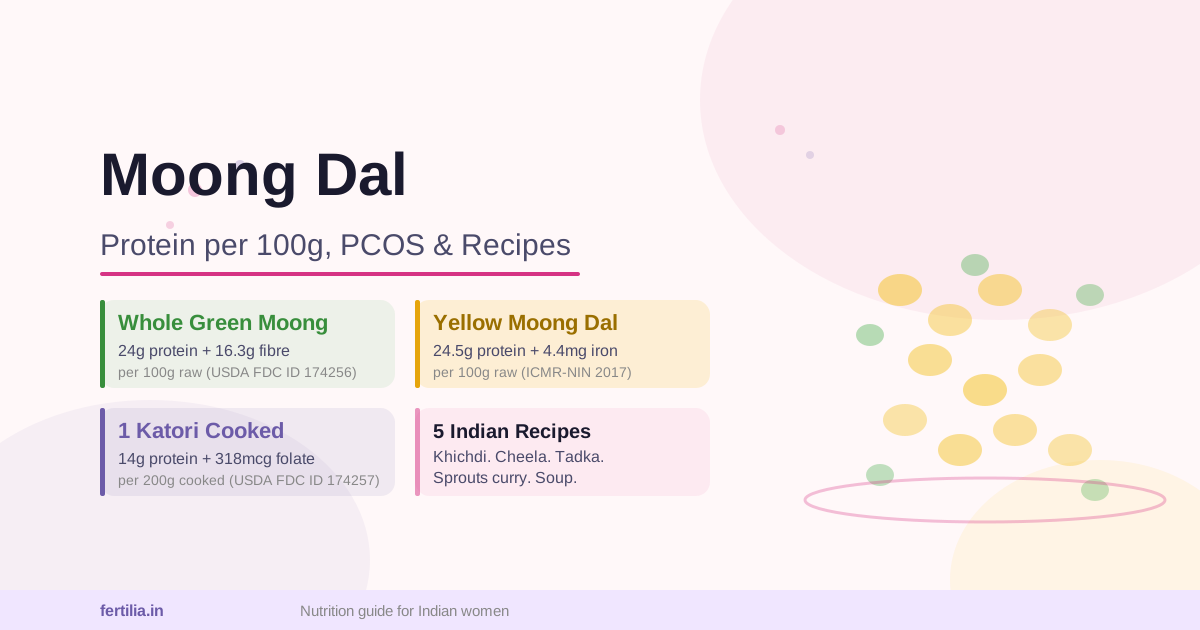
| Protein (g) | 23.86 | 24.5 | 7.02 |
| Total Fat (g) | 1.15 | 1.2 | 0.38 |
| Carbohydrates (g) | 62.62 | 59.0 | 19.15 |
| Dietary Fibre (g) | 16.3 | 4.1 | 7.6 |
| Iron (mg) | 6.74 | 4.4 | 1.4 |
| Calcium (mg) | 132 | 75 | 27 |
| Magnesium (mg) | 189 | 124 | 48 |
| Potassium (mg) | 1246 | 1132 | 266 |
| Folate (mcg DFE) | 625 | 410 | 159 |
| Zinc (mg) | 2.68 | 1.8 | 0.84 |
Whole green moong (raw) and cooked mung: USDA FoodData Central, FDC IDs 174256 and 174257. Yellow moong dal (raw): ICMR-NIN 2017, Nutritive Value of Indian Foods.
A few practical takeaways from this table.
One katori (about 200g) of cooked moong dal gives roughly 14g of protein. That is comparable to one and a half eggs, one cup of paneer cubes, or a small piece of grilled chicken. For vegetarian women who do not eat eggs or paneer daily, a katori of dal at lunch and dinner is one of the simplest ways to reach a daily protein target.
The folate value is high, even after cooking. A katori (200g) of cooked moong dal carries around 318mcg of folate, which is a meaningful share of the 400 to 600mcg daily target for women of reproductive age and pregnancy.
The fibre difference between whole and dehulled is real. Whole green moong delivers four times more fibre per 100g raw than yellow moong dal. If you want the gentlest, easiest-to-digest dal (postpartum, recovery, kids), choose dehulled yellow. If you want maximum fibre (PCOS, gut health), include whole moong as sprouts or as a thicker khichdi.
For more on building a high-fibre Indian plate, see our 30-food daily fibre list for PCOS and gut health.
Indian Regional Names
| Form | Hindi | Tamil | Telugu | Kannada | Malayalam | Bengali |
|---|---|---|---|---|---|---|
| Whole green moong | Moong / Sabut moong | Pachai payaru | Pesalu | Hesaru kalu | Cherupayar | Mug |
| Split moong with skin | Chilka moong dal | Pasi paruppu (with skin) | Pesara pappu (with skin) | Hesaru bele (chilka) | Cherupayar parippu | Mug dal (chilka) |
| Yellow moong dal | Moong dal / Dhuli moong | Pasi paruppu | Pesara pappu | Hesaru bele | Cherupayar parippu (whole husked) | Sona mug dal |
Why Moong Dal Sits at the Centre of Indian Daily Eating
A few practical reasons it earns its place at the table every day.
It is the easiest pulse to digest. Yellow moong dal in particular is light on the stomach. New mothers, recovering patients, toddlers starting solids, and anyone with a sensitive gut tolerate moong dal when other dals (rajma, chana, urad) feel too heavy.
It cooks fast. Soaked yellow moong dal is ready in 10 to 15 minutes in a pressure cooker. On a busy weeknight, a tadka dal with rice is a complete meal in under thirty minutes.
It is affordable. Across India, moong dal sits in the most affordable tier of pulses, alongside masoor and toor.
It pairs with everything. Rice, roti, dosa batter, salad, soup, sweets (moong dal halwa), savoury snacks (cheela, dosa). Moong dal is one of the most versatile pulses in the Indian kitchen.
For women managing PCOS, moong dal is a smart everyday choice for steady energy and plant protein. The science behind why fibre and protein matter on a PCOS plate is covered in our insulin resistance and PCOS guide. Food is one piece of it; Dr. Suganya’s 90-day PCOS program brings the full plan together.
5 Indian Recipes with Moong Dal
1. Moong Dal Khichdi (One-Pot Comfort Meal)
The dish you reach for when you want something warm, light, and complete in one bowl. Postpartum-friendly when made soft.
Ingredients (serves 3):
- Half katori (75g) yellow moong dal
- Half katori (75g) rice (raw)
- 1 small tomato, chopped
- 1 small carrot, diced (optional)
- Quarter teaspoon haldi (turmeric)
- Half teaspoon jeera
- 1 teaspoon ghee
- Quarter teaspoon hing (asafoetida)
- 1.5 cups (375 ml) water
- Salt to taste
- Fresh coriander to garnish
Method: Rinse rice and dal together until the water runs clear. Heat ghee in a pressure cooker. Add jeera and hing, let them sizzle for 10 seconds. Add tomato and carrot, saute for a minute. Tip in the rinsed rice and dal, add haldi, salt, and water. Pressure cook for 3 whistles on medium flame. Let the pressure release naturally. Mash lightly with a ladle for a softer consistency. Garnish with coriander and a small drizzle of ghee.
A single serving (about 1.5 katori) gives roughly 8g protein and 1.7mg iron from the dal alone.
For the early postpartum weeks, see our post-delivery food guide for Indian mothers.
2. Moong Dal Cheela (Savoury Pancake)
A high-protein breakfast that tastes nothing like a “diet” food.
Ingredients (makes 4 cheelas):
- 1 katori (100g) yellow moong dal, soaked for 3 hours
- 1 small piece of ginger
- 1 green chilli
- 2 tablespoons chopped coriander
- Quarter teaspoon haldi
- Quarter teaspoon ajwain
- Salt to taste
- 1 tablespoon oil for cooking
Method: Drain the soaked dal. Grind it with ginger, green chilli, salt, and 3 to 4 tablespoons of water until you have a smooth, thick batter. Stir in haldi, ajwain, and coriander. Heat a non-stick or iron tawa. Pour a ladle of batter and spread in a circular motion. Drizzle a few drops of oil on the edges. Cook on medium flame for 2 minutes, flip, and cook the other side for another minute. Serve hot with green chutney or dahi.
Each cheela has roughly 6g of protein and pairs well with a katori of curd for a balanced breakfast.
For more high-protein Indian breakfast options, see our PCOS-friendly Indian breakfast ideas.
3. Classic Moong Dal Tadka
The everyday dal that goes with rice, roti, or jeera rice. Simple, comforting, and ready in 25 minutes.
Ingredients (serves 3):
- 1 katori (100g) yellow moong dal
- 1 medium tomato, chopped
- Half an onion, finely chopped
- Quarter teaspoon haldi
- 2.5 cups water
- Salt to taste
For the tadka:
- 1 teaspoon ghee
- Half teaspoon jeera
- 1 small dry red chilli
- Quarter teaspoon hing
- 4 garlic cloves, sliced (optional)
- Quarter teaspoon red chilli powder
- Fresh coriander to garnish
Method: Rinse the dal, add to a pressure cooker with tomato, onion, haldi, salt, and water. Cook for 3 whistles on medium flame. Let the pressure release. Whisk lightly to mash. In a small tadka pan, heat ghee. Add jeera, dry red chilli, hing, and garlic. Once the garlic turns light golden, switch off the flame and add the chilli powder. Pour the tadka over the dal. Garnish with coriander.
Serve with hot rice and a drizzle of ghee, or with chapati and a salad on the side.
A katori serving gives roughly 12g of protein and 2mg of iron. A small spoon of ghee adds healthy fat that helps you feel full longer.
4. Moong Sprouts Curry (Moong Usal Style)
A Maharashtrian-inspired sprouted moong dish that works as a side, a chaat, or even a paratha filling.
Ingredients (serves 3):
- 1.5 katori (200g) sprouted whole moong (sabut moong sprouted for 2 to 3 days)
- 1 medium onion, finely chopped
- 1 medium tomato, chopped
- Half teaspoon ginger garlic paste
- 1 teaspoon coconut oil or refined oil
- Half teaspoon mustard seeds
- 6 to 8 curry leaves
- 1 green chilli, slit
- Quarter teaspoon haldi
- Half teaspoon goda masala or garam masala
- 1 tablespoon grated fresh coconut (optional)
- 1 cup water
- Salt and lemon juice to taste
Method: Heat oil in a kadai. Add mustard seeds and let them splutter. Add curry leaves, green chilli, and onion. Saute until the onion turns translucent. Stir in the ginger garlic paste, then the tomato. Cook until the tomato softens. Add haldi, goda masala, sprouted moong, water, and salt. Cover and simmer for 8 to 10 minutes until the sprouts are tender but still hold their shape. Finish with grated coconut and a squeeze of lemon.
Sprouted moong has higher vitamin C than dry moong and is a useful way to vary how you eat the same pulse across the week. For a full guide to sprouting at home, see our sprouts guide for women.
5. Clear Moong Dal Soup (Postpartum and Recovery Friendly)
A clear, light, easy-to-digest soup. Often served to new mothers in the first week, recovering patients, and anyone who finds heavier dals difficult.
Ingredients (serves 2):
- Half katori (50g) yellow moong dal
- 3 cups (750 ml) water
- Quarter teaspoon haldi
- Half teaspoon black pepper, freshly crushed
- 1 small piece of ginger, crushed
- 1 teaspoon ghee
- Quarter teaspoon jeera
- Salt to taste
- Fresh coriander leaves
- Half a lemon
Method: Rinse the dal. Add to a pressure cooker with water, haldi, ginger, and salt. Cook for 4 whistles on medium flame so the dal becomes very soft. Let the pressure release. Strain through a fine sieve, pressing the dal gently to extract all the liquid. Discard the residue (or save for a thicker dal preparation later). Heat ghee in a small pan, add jeera, and pour into the strained soup. Crush black pepper on top and finish with coriander and lemon.
A bowl of this soup is gentle on a recovering digestive system and provides a small but useful amount of protein and electrolytes.
Have questions about adding moong dal to your daily routine for PCOS, pregnancy, or postpartum recovery? Dr. Suganya Venkat’s team at Fertilia Health is here to help you build a practical, personalised plan.
How Much to Eat: Life-Stage Portion Guide
| Life Stage | Recommended Portion | Best Form | Notes |
|---|---|---|---|
| PCOS | 1 katori cooked dal, once daily | Yellow moong dal or chilka | Pair with rice or roti, add a vegetable side, finish with a small spoon of ghee |
| Pregnancy | 1 to 1.5 katori cooked, once or twice daily | Yellow moong dal | Easy to digest, supports daily folate intake |
| Postpartum (Week 1) | Half katori, once or twice daily | Clear moong soup or very soft khichdi | Start small. Strained soup is easiest in the first 2 to 3 days |
| Postpartum (Week 2 onward) | 1 katori cooked, once or twice daily | Khichdi or tadka dal | Reintroduce regular dal. Add ghee for satiety |
| General everyday eating | 1 katori cooked, 4 to 6 times per week | Any form | Rotate with toor, masoor, chana for variety |
| Sprouts (additional) | 1 katori sprouted, 2 to 3 times per week | Cooked sprouts curry, salad | Pregnant women should always cook sprouts (see safety note) |
For pregnancy-specific iron-rich pairings, see our iron-rich Indian foods for pregnancy. For a full week of postpartum-friendly meals, our post-delivery food guide for Indian mothers lays out a 7-day plan.
Pairing Moong Dal for a Complete Plate
A simple plate that uses moong dal to its full potential:
- 1 katori moong dal tadka
- 1 katori cooked rice or 2 phulkas
- 1 katori sabzi (palak, lauki, beans, or any seasonal vegetable)
- Half katori dahi or buttermilk
- Salad (cucumber, carrot, tomato)
- Half a teaspoon of ghee on the dal or rice
This combination gives roughly 18g protein, 3mg iron, and a balance of fibre and good fats that keeps you full for several hours.
Buying and Storing Moong Dal
What to look for at the store
- Colour: Whole moong should be uniformly bright green. Yellow moong dal should be a clean, pale yellow, not dull or grey-tinted.
- Smell: Fresh moong has a mild, earthy smell. Any musty or oily smell means the dal is old or has been stored badly.
- No insects: Hold a small handful up to the light. Look for small holes, dust, or movement. Avoid bins where insects are visible.
- Brand vs loose: Branded packets typically have less stone and dust. Loose dal from a trusted kirana shop is fine if you sift carefully before cooking.
How to store at home
- Transfer to an airtight steel or glass container as soon as you bring it home.
- Keep in a cool, dry cupboard, away from direct sunlight.
- Use within 6 months for best taste. Up to 1 year is safe if stored correctly.
- Add 4 to 5 dried red chillies or 2 bay leaves to the container as a natural insect deterrent.
- In monsoon, refrigerate the dal in the original airtight container if your kitchen is humid.
A simple soaking habit
Soaking yellow moong dal for 30 minutes before cooking is enough. Whole moong needs 6 to 8 hours (overnight). Soaking softens the pulse, shortens cooking time, and makes it easier to digest, especially for women with a sensitive stomach or in the early postpartum weeks.
Frequently Asked Questions
Is moong dal good for PCOS?
Yes. Moong dal is a low-glycaemic-index pulse that combines plant protein with fibre. A katori of moong dal at lunch or dinner pairs naturally with rice or roti and a vegetable to give a steady, balanced meal. Rotate with other dals (toor, masoor, chana) across the week. For more on building a PCOS-friendly Indian plate, see our PCOS weight loss diet and meal plan.
Which moong is best during pregnancy?
Yellow moong dal is the easiest to digest and the most commonly eaten form during pregnancy. A katori of moong dal khichdi or moong dal tadka with rice is a balanced midday meal that is gentle on the stomach and contributes meaningfully to daily folate and iron intake. Sprouts are fine in pregnancy as long as they are cooked or steamed, not eaten raw.
Can new mothers eat moong dal in the first week after delivery?
Yes. Moong dal is one of the first solid foods reintroduced after delivery in most Indian homes, including after a C-section. Start with strained moong dal soup or a very soft moong dal khichdi for the first 2 to 3 days. By the end of the first week, regular tadka dal with rice is fine for most women.
Whole moong versus yellow moong dal: which has more protein?
Per 100g raw, both have similar protein (around 24g). The difference is in fibre and digestibility. Whole moong has 16g of fibre per 100g (much higher than yellow at around 4g) and takes longer to cook. Yellow moong dal is gentler on the stomach. For everyday eating, choose based on what your digestion handles well, not on protein difference.
How much moong dal can I eat in a day?
For most healthy women, 1 katori of cooked moong dal once or twice a day is a sensible daily target. That gives roughly 14 to 28g of protein from dal alone. Pair with rice or roti, a vegetable, and dahi for a balanced plate.
Is moong dal good for weight loss?
Yes, when eaten as part of a balanced Indian plate. A katori of moong dal is filling, low in fat, and rich in fibre and protein, which together help you feel full longer. The trick is portion control on the rice or roti accompaniment, not avoiding the dal. A standard plate (1 katori dal + half katori rice + 1 katori vegetable + dahi) is a sensible, satisfying everyday meal.
Does moong dal cause gas or bloating?
For most people, no. Yellow moong dal is the lightest of the common Indian dals and is far less likely to cause gas than rajma, chana, or urad. If you notice bloating, three small habits help: soak the dal for 30 minutes before cooking, add a quarter teaspoon of hing (asafoetida) to the tadka, and pressure cook until the dal is fully soft. Sprouted whole moong eaten raw is more likely to cause gas than cooked dal. Cooked sprouts (in a usal or salad) are gentler.
Looking to build a daily eating plan that fits your specific health goals, whether for PCOS management, pregnancy, or postpartum recovery? Connect with Dr. Suganya Venkat’s team at Fertilia Health for a personalised consultation.