Type “fertility foods” into any search engine and you will mostly find lists built around foods that are common in Western kitchens. Some of those are solid nutritional choices. Most are not on the average Indian weekly grocery list.
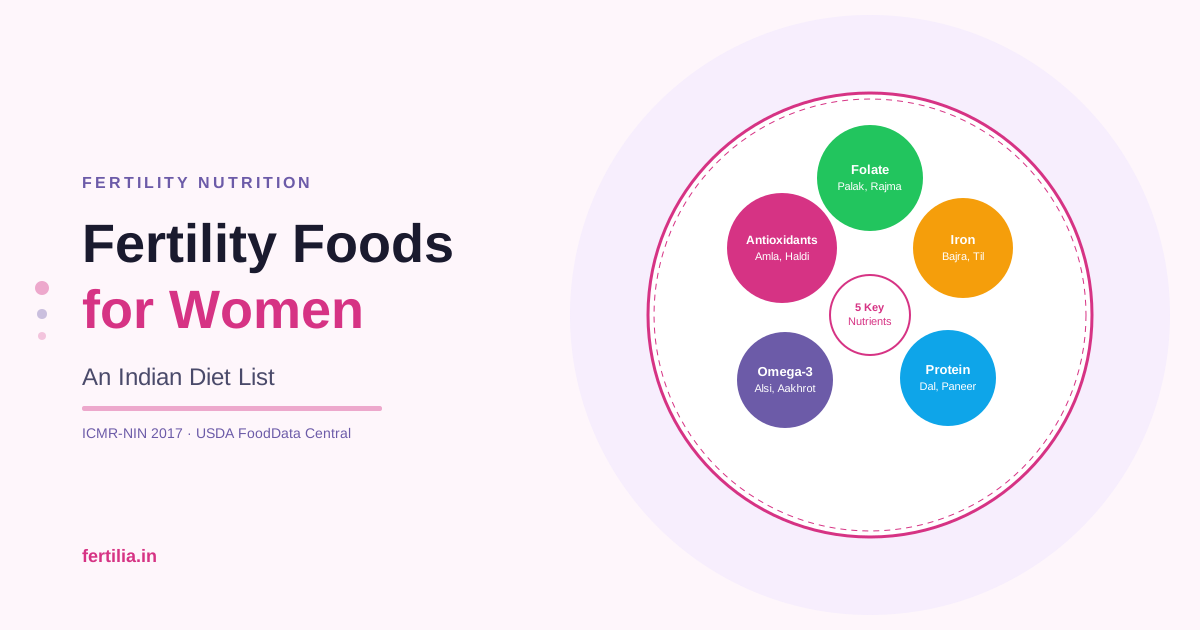
This guide lists Indian foods organised by five key nutrient categories most relevant to fertility nutrition: folate, iron, omega-3 fats, antioxidants, and plant protein. Each entry includes data from ICMR-NIN 2017 or USDA FoodData Central, along with practical portion guidance for Indian cooking.
There are no exotic superfoods here. These are foods already in most Indian kitchens.
Food is one piece of the fertility picture. For the rest of it, including the conditions that can affect conception and how Dr. Suganya combines nutrition with medical care, see the fertility program and conception guides.
Folate-Rich Indian Foods
The daily recommended intake of folate for women of reproductive age is 400 mcg. Indian dals, green leafy vegetables, and drumstick leaves are among the highest-folate foods available in any cuisine.
For the full clinical guide to folate and pregnancy, read the folate vs folic acid guide on Fertilia.
| Food | Folate per 100g (raw) | Source |
|---|---|---|
| Palak (spinach) | 194 mcg | ICMR-NIN 2017 |
| Chana (whole chickpea) | 172 mcg | ICMR-NIN 2017 |
| Moong dal | 159 mcg | ICMR-NIN 2017 |
| Rajma (kidney bean) | 130 mcg | ICMR-NIN 2017 |
| Methi leaves | 57 mcg | ICMR-NIN 2017 |
| Drumstick leaves (moringa) | 40 mcg | ICMR-NIN 2017 |
How to use these daily:
One katori (90g) of cooked palak retains approximately 95-100 mcg of folate after cooking. One cup of cooked rajma or chana contributes 60-80 mcg depending on preparation. Cooking reduces folate by 30-50%, so including one raw folate source per day helps maintain intake: fresh methi leaves in a salad, drumstick leaves added at the end of a tadka, or a small raw tomato as a side dish.
Iron-Rich Indian Foods
The recommended daily iron intake for Indian women of reproductive age is 29 mg, per ICMR-NIN 2020. This is higher than many international guidelines because plant-based iron (non-haem iron) is absorbed at a lower rate than iron from meat sources.
For a complete food guide with quantities and preparation tips, read the iron-rich foods guide on Fertilia.
| Food | Iron per 100g | Source |
|---|---|---|
| Til (sesame seeds, whole) | 9.3 mg | ICMR-NIN 2017 |
| Bajra (pearl millet) | 8.0 mg | ICMR-NIN 2017 |
| Drumstick leaves | 7.0 mg | ICMR-NIN 2017 |
| Rajma (kidney beans) | 5.1 mg | ICMR-NIN 2017 |
| Ragi | 4.6 mg | ICMR-NIN 2017 |
| Palak (cooked) | 2.7 mg | ICMR-NIN 2017 |
How to use these daily:
Two bajra rotis at lunch (30g dry weight each) deliver approximately 4.8 mg of iron from grain alone. One tablespoon of til (10g) sprinkled over khichdi, sabzi, or raita adds roughly 0.93 mg. Pairing iron-rich foods with vitamin C sources improves absorption: a squeeze of lemon over palak dal, fresh amla juice alongside a bajra meal, or a small tomato salad with rajma.
Free Resource: Download the complete fertility-supportive Indian foods list with daily portions and a sample meal plan from the Fertilia Foods to Improve Egg Health guide.
Omega-3 Sources in Indian Cooking
Most traditional Indian diets are lower in omega-3 fats because everyday cooking uses refined sunflower or coconut oil rather than flaxseed or mustard oil. The primary plant-based omega-3 fatty acid is ALA (alpha-linolenic acid), found in a small number of seeds and nuts available in Indian kitchens.
For the evidence on omega-3 fats and reproductive health, read the egg quality guide on Fertilia.
| Food | ALA per 100g | Source |
|---|---|---|
| Alsi (flaxseeds) | 22.8 g | USDA FDC |
| Chia seeds | 17.8 g | USDA FDC |
| Aakhrot (walnuts) | 9.1 g | USDA FDC |
| Methi seeds | 0.6 g | USDA FDC |
How to use these daily:
Alsi: One tablespoon of ground alsi (10g) is a practical daily portion. Use ground alsi rather than whole seeds for better absorption. Stir into dahi, add to roti dough, or mix into morning upma or porridge. Store ground alsi in a sealed container in the refrigerator and use within 2-3 weeks.
Aakhrot: Four to five whole walnuts (20-25g) as a mid-morning snack. Keep in a sealed container and use within 4 weeks of opening to prevent the oil from going rancid.
Chia seeds: One tablespoon (10g) soaked in water for 20 minutes, then added to lassi, dahi, or nimbu pani.
Building a fertility-supportive eating pattern works best with personalised guidance. If you would like Dr. Suganya’s team to review your current diet and suggest specific adjustments, WhatsApp Fertilia directly.
Antioxidant-Rich Indian Foods
Antioxidants protect cells from oxidative stress. Several everyday Indian foods rank among the highest-antioxidant options available globally, particularly for vitamin C and beta-carotene.
For the full evidence on antioxidants and egg quality, read the egg quality guide on Fertilia. For a daily anti-inflammatory meal framework, see the anti-inflammatory Indian foods guide.
| Food | Key Nutrient | Amount per 100g | Source |
|---|---|---|---|
| Amla (Indian gooseberry) | Vitamin C | ~600 mg | ICMR-NIN 2017 |
| Guava | Vitamin C | 228 mg | ICMR-NIN 2017 |
| Tomato (ripe) | Vitamin C | 19 mg | USDA FDC |
| Haldi (turmeric) | Curcumin | Use as daily cooking spice | ICMR-NIN |
| Methi leaves | Beta-carotene | 70 mcg per 100g | ICMR-NIN 2017 |
| Kaddu (pumpkin) | Beta-carotene | 1.68 mg per 100g | USDA FDC |
How to use these daily:
Amla: One fresh amla per day, raw with a pinch of salt, as fresh juice diluted in water, or as aonla pickle in small quantities. Avoid boiling amla as vitamin C is heat-sensitive above 70°C. Fresh amla is available October to March in most of India; dried amla powder is available year-round.
Tomato: Cooking ripe tomatoes in a small amount of oil increases lycopene availability. Daily tamatar sabzi, sambar, or rasam all count.
Haldi: Half a teaspoon in daily cooking is adequate. Combining with a pinch of black pepper improves curcumin availability.
Guava: One small guava (50-80g) as a snack, especially in season from October to February.
Protein-Rich Indian Plant Foods
Protein is a building block for cells, tissue repair, and daily bodily functions. The ICMR-NIN 2020 recommendation for adult women is approximately 0.8-1.0g of protein per kilogram of body weight per day. For a 55 kg woman, that is 44-55g daily.
| Food | Protein per 100g (raw/dry) | Source |
|---|---|---|
| Moong dal (whole) | 24.0 g | ICMR-NIN 2017 |
| Rajma (kidney beans) | 22.9 g | ICMR-NIN 2017 |
| Chana dal | 22.5 g | ICMR-NIN 2017 |
| Paneer | 18.3 g | ICMR-NIN 2017 |
| Dahi (full-fat, per 100g) | 3.1 g | ICMR-NIN 2017 |
How to use these daily:
One katori (80g dry) of moong dal delivers approximately 14-16g of protein once cooked. A small piece of paneer (50g) adds about 9g. One cup of full-fat dahi (200ml) adds 6g. Spreading protein across all three main meals, rather than concentrating it at one, helps the body use it more steadily. For a full day of protein-forward Indian eating, see the PCOS Indian meal plan on Fertilia.
A Sample Fertility-Supportive Indian Day
This example brings the five nutrient categories together in one day of ordinary Indian cooking.
Morning (7-8 AM):
- Ragi dosa or bajra roti (1-2 pieces) with sambar made with drumstick leaves and palak
- One fresh amla or 2 tablespoons fresh amla juice diluted in water
- Four walnuts
Mid-morning (10-11 AM):
- Small cup of dahi with half a tablespoon of ground alsi stirred in
- One small guava (in season) or a ripe tomato
Lunch (1-2 PM):
- Bajra or jowar roti (2 pieces)
- Rajma or chana dal (1 katori)
- Palak or methi sabzi (1 katori)
- Small tomato salad with lemon squeeze
- One tablespoon til sprinkled over the dal
Evening (4-5 PM):
- Moong dal chilla (1-2 pieces) or roasted chana (30g) with mint chutney
Dinner (7-8 PM):
- Ragi roti or moong dal khichdi
- Kaddu sabzi or methi dal
- Small cup of dahi
This day covers all five categories:
- Folate: palak, rajma, chana, drumstick, methi
- Iron: bajra, ragi, til, palak, drumstick
- Omega-3: alsi in dahi, walnuts
- Antioxidants: amla, tomato, haldi, guava, methi
- Protein: dal at every main meal, dahi, paneer
Two Simple Recipes
1. Moong Dal and Palak Khichdi (Serves 2)
A one-pot meal covering folate, iron, and plant protein in a single dish.
Ingredients:
- 1/2 cup moong dal (split, washed)
- 1/4 cup broken wheat (dalia) or brown rice
- 1 cup fresh palak, roughly chopped
- 1/2 teaspoon haldi
- 1/2 teaspoon jeera
- 1/4 teaspoon black pepper
- 1 teaspoon ghee or cold-pressed mustard oil
- Salt to taste
- Juice of half a lemon (added after cooking)
Method:
- Pressure cook moong dal and dalia/rice with haldi and salt (3 cups water, 3 whistles).
- Heat ghee or oil in a separate pan. Add jeera. When it splutters, add palak and stir for 2 minutes until wilted.
- Stir the palak into the cooked dal and grain mixture.
- Serve hot with lemon juice squeezed over the top and a side of dahi.
Per serving (approximate): Protein 12-14g, Iron 4-5 mg, Folate 80-95 mcg.
2. Amla Methi Chutney (Makes 4-6 servings)
A small serving of this chutney with any meal adds vitamin C, folate, and beta-carotene without changing the meal itself.
Ingredients:
- 4 fresh amla, pitted and roughly chopped (or 3 tablespoons dried amla powder)
- 1/2 cup fresh methi leaves
- 2 tablespoons fresh coriander leaves
- 1 green chilli (optional)
- Salt to taste
- 1 teaspoon lemon juice
Method:
- Blend all ingredients together with minimal water until smooth.
- Store in a sealed glass container in the refrigerator for up to 3 days.
- Serve 1-2 tablespoons with any main meal.
Per 2-tablespoon serving (approximate): 50-60 mg vitamin C from amla, plus folate and beta-carotene from methi.
For personalised guidance on building these foods into your daily routine, Dr. Suganya’s team at Fertilia offers individual consultations. Start a WhatsApp conversation here to ask specific questions about your diet.
Frequently Asked Questions
1. Which Indian food is the most important for fertility nutrition?
No single food covers all aspects of fertility nutrition on its own. A combination addressing five categories works better than focusing on one: folate (palak, chana, moong dal, rajma), iron (bajra, til, drumstick, ragi), plant omega-3 (alsi, aakhrot), antioxidants (amla, tomato, haldi), and protein (dal, paneer, dahi). The simplest daily habit: include one dal and one dark green vegetable at every main meal.
2. How much alsi (flaxseed) should I eat daily?
One tablespoon of ground alsi (10g) per day is a practical daily target. Use ground alsi rather than whole seeds. It can be stirred into dahi, added to roti dough, or mixed into oats or upma. Store ground alsi in a sealed container in the refrigerator and use within 2-3 weeks to prevent it from going stale.
3. Can rajma be eaten every day for fertility nutrition?
Yes. Rajma provides folate (130 mcg per 100g), iron (5.1 mg per 100g), and protein (22.9g per 100g, raw). Soak overnight and pressure cook for 6-8 whistles for full preparation. It works well paired with ragi roti or bajra roti as a complete main meal.
4. Is ragi a good food for women trying to conceive?
Ragi provides 4.6 mg iron and 364 mg calcium per 100g (ICMR-NIN 2017), both nutrients often below optimal levels in Indian women. It integrates easily into daily cooking as ragi dosa, ragi mudde, ragi khichdi, or ragi kanji. Read the complete ragi guide on Fertilia for preparation methods and full nutritional data.
5. What are the best plant-based omega-3 sources for vegetarian women in India?
Alsi (flaxseeds) and aakhrot (walnuts) are the two most practical options. Alsi delivers 22.8g ALA per 100g and is widely available in Indian stores as whole seeds, ground powder, or roasted seeds. Aakhrot provides 9.1g ALA per 100g and can be eaten as a snack. Chia seeds (17.8g ALA per 100g) are available in urban supermarkets but are not a traditional Indian ingredient.
6. How does amla fit into a fertility food plan?
Amla is the highest vitamin C food in the Indian diet at approximately 600 mg per 100g (ICMR-NIN 2017). One fresh amla per day, raw or as diluted juice, adds meaningful vitamin C without requiring any preparation change. Fresh amla is available October to March; dried amla powder is available year-round and can be added to chutneys or mixed into water.
7. How is this fertility food list different from a general healthy eating guide?
The five categories in this guide (folate, iron, omega-3, antioxidants, protein) are the ones most often discussed in relation to women’s nutritional needs during the pre-conception period. In practice, a traditional Indian diet built around dals, green vegetables, millets, fresh fruit, and dahi already covers most of these categories naturally. The fertility-focused approach is more about consistent inclusion of the right foods than about adding new ones. For the full evidence-based guide to what else supports fertility beyond food choices, read the 7 evidence-based ways to boost fertility naturally on Fertilia.