Rajma brings plant protein, fibre and iron to a familiar Indian plate, and a katori of well-cooked beans is a practical everyday serving.
What Is in Rajma? (ICMR-NIN 2017 Nutritional Data)
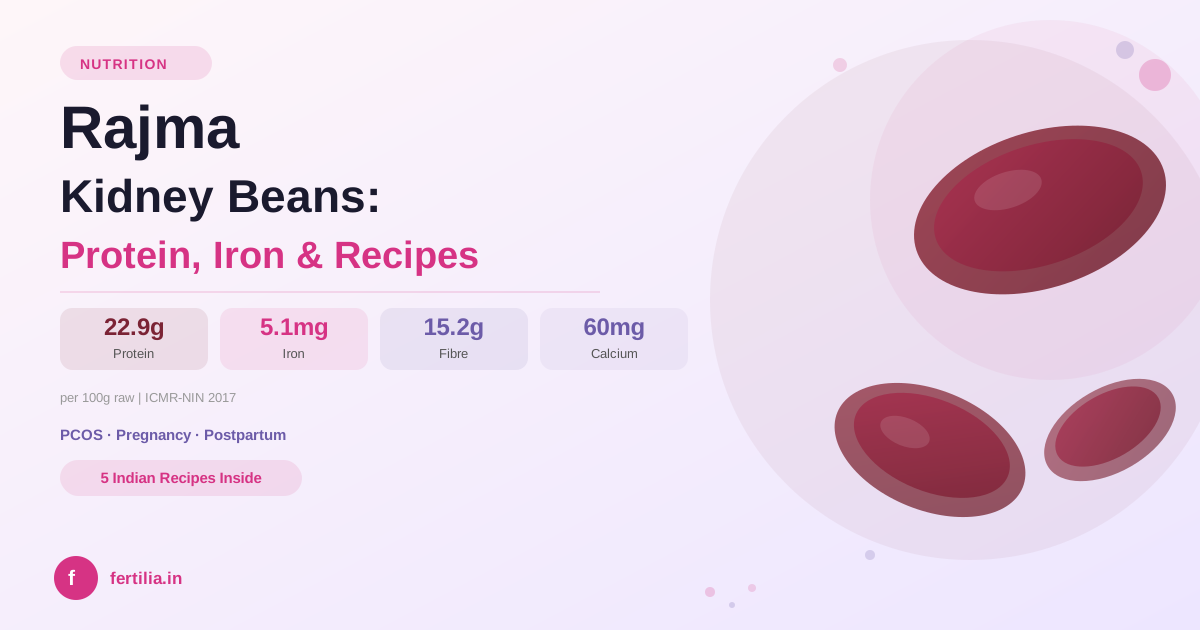
The following figures are per 100g of raw, dried red kidney beans (rajma), from ICMR-NIN’s Indian Food Composition Tables 2017.
| Nutrient | Per 100g (raw, dried) |
|---|---|
| Energy | 347 kcal |
| Protein | 22.9g |
| Total fat | 1.3g |
| Carbohydrates | 60.6g |
| Dietary fibre | 15.2g |
| Iron | 5.1mg |
| Calcium | 60mg |
One katori of cooked rajma is about 80g of beans, which comes from roughly 30g of dry rajma and gives about 7g protein, 5g fibre and 1.5mg iron.
Two numbers stand out here: 22.9g of protein and 15.2g of dietary fibre per 100g raw.
Rajma contains 5.1mg iron per 100g raw. Iron from beans is absorbed less readily than iron from meat, so pairing rajma with a vitamin C-rich food, a squeeze of lemon or tomatoes in the gravy, helps your body take up more of it. For more meal ideas, see our Iron-Rich Indian Foods for Pregnancy guide.
For a quick list you can save on your phone, download our Iron and Calcium-Rich Foods resource.
Choosing Rajma at the Shop
Rajma may be labelled as rajma or kidney beans. Most shops carry dark red, light red or speckled chitra rajma. Dark red beans tend to hold their shape, while chitra usually cooks to a creamier texture. Any of them can be used for rajma masala, so choose the one that cooks soft reliably in your pressure cooker.
How to Soak and Cook Rajma (Getting It Right)
Step 1: Sort and Rinse
Spread the dried rajma on a flat plate and remove any small stones, shrivelled beans, or discoloured ones. Rinse twice under cold water.
Step 2: Soak Overnight (Minimum 8 Hours)
An overnight soak of at least 8 hours shortens cooking time and helps the beans cook to an even, soft texture.
Use cold water in a ratio of roughly 1:3 (1 part rajma to 3 parts water). Discard the soaking water completely before cooking. Do not cook in the soaking water.
Quick soak if you forgot: Cover with water, bring to a rolling boil, turn off the heat, leave covered for 2 hours, then continue with fresh water as in Step 3.
Step 3: Pressure Cook Until Very Soft
Add the soaked, drained rajma to a pressure cooker with fresh water (enough to cover by about 2 inches). Cook on medium heat for 4-5 whistles. Kashmiri dark red rajma may need 5-6 whistles. Whistle counts vary with the cooker, the variety and the age of the beans, so check the texture. The most common mistake is rajma cooked in a hurry: a 3-whistle cooker often leaves the beans firm and uncomfortable to eat. Pressure-cook until fully soft.
One thing that matters with rajma specifically: raw or badly undercooked red kidney beans can cause stomach upset and vomiting because of a natural compound (a lectin) that only breaks down with proper boiling. Always soak, discard the soaking water, and boil or pressure-cook until a bean crushes easily between two fingers. Do not eat them raw or only warmed through in a slow cooker.
Stovetop alternative: Simmer in a covered pot for 60-90 minutes after soaking.
Reducing Gas from Rajma
Rajma is a high-fibre legume, and some people feel gassy or bloated after a large serving. When a woman tells me rajma feels too heavy, I first ask how soft the beans were and how large her serving was. Those two answers are usually more useful than blaming the bean itself.
For a more comfortable portion:
- Follow the overnight-soaking and full-soft cooking method above
- Add hing (asafoetida) and jeera (cumin seeds) to the tempering if you enjoy them
- Start with half a katori if you are new to legumes, then increase gradually
- Rotate rajma with moong, masoor and other dals across the week
If bloating or stomach pain after rajma is persistent rather than the occasional gassiness, that is worth raising with your doctor rather than just cutting the bean.
Rajma for PCOS, Pregnancy, and Postpartum: Practical Portions
Rajma contributes protein and fibre to a meal and can be rotated with other dals through the week. The practical benefit of rajma is its protein-and-fibre combination: it makes a plate more filling and helps balance a rice-heavy meal. That is useful whether the goal is steady energy in pregnancy or a more balanced PCOS plate. For more PCOS meal ideas, read our High-Fibre Indian Foods for PCOS guide.
In the PCOS plates women show me, rajma is often the first item removed for being heavy, even when it was the meal’s main filling protein. I would rather begin with a comfortable amount and keep it in the dal rotation than drop it by default.
- PCOS: One katori of cooked rajma, up to 3 to 4 times a week, served with rice, roti or as chaat.
- Pregnancy: A katori of well-cooked rajma 3 to 4 times a week is a reasonable portion across pregnancy; women who find legumes heavy in early pregnancy can start with a smaller amount.
- Postpartum: If rajma feels heavy, serve a small portion of well-cooked beans or use them in the thin rajma soup, then try a little more the next time if it feels comfortable.
- General meals: One katori, 3 to 4 times a week, with other dals used on the remaining days.
A simple rotation might use rajma masala for one lunch, the leftover beans in chaat the next day, then moong or toor dal for the following meal.
If you want help turning these portions into a weekly dal rotation for PCOS or pregnancy, WhatsApp Dr. Suganya’s team. Tell us which dals you already eat and whether a full katori feels comfortable.
For more food ideas after delivery, including dal rotation, see our After Delivery Food guide for Indian mothers.
How to Plate Rajma Chawal
Keep the rice to about one katori. Prefer cooled-and-reheated rice or hand-pounded rice (our PCOS diet chart explains why). Always pair it with a sabzi, salad or curd so the plate is not rice-heavy.
Women often ask, “rajma chawal se weight badhta hai?” Rajma itself is high in protein and fibre and filling; the weight worry usually comes from a large rice portion and ghee- or cream-heavy gravy, so adjust the plate ratio rather than dropping rajma.
When I look at a rajma chawal plate, I check the ratio before I question the dish. One katori each of rajma and rice, plus a sabzi, salad or curd, looks very different from a mound of rice with one small ladle of beans.
5 Rajma Recipes for Indian Women
Recipe 1: Classic Rajma Chawal
What you need (serves 5-6):
- 1 cup dried rajma, soaked overnight and pressure cooked
- 1 medium onion, finely chopped
- 2 medium tomatoes, pureed or finely chopped
- 1 tsp ginger-garlic paste
- 1 tsp jeera (cumin seeds)
- 1 tsp coriander powder
- Half tsp haldi (turmeric)
- Half tsp red chilli powder
- Salt to taste
- 2 tsp oil or ghee
- Fresh coriander to garnish
How to make: Heat oil or ghee in a heavy-bottomed pan. Add jeera and let it splutter. Add onions and cook until golden brown, about 8 minutes. Add ginger-garlic paste and cook for 1 minute. Add tomatoes and all dry spices. Cook until the oil separates from the masala, about 6-8 minutes. Add the cooked rajma along with 1 cup of its cooking water. Simmer on low heat for 10 minutes, stirring occasionally. Adjust consistency and salt. Garnish with fresh coriander and serve with plain steamed rice.
Recipe 2: Dry Rajma Masala (for Rotis or Bhakri)
A thicker, drier version that works well with rotis, jowar bhakri, or bajra roti. This is the version most women in the plans already cook; the only change I usually suggest is halving the oil in the tempering.
What you need (serves 2):
- 1 cup cooked rajma, drained
- 1 medium onion, chopped
- 2 tomatoes, chopped
- 1 tsp ginger, grated
- A pinch of hing (asafoetida)
- 1 tsp jeera
- Half tsp each of haldi, red chilli, and coriander powder
- 1 tsp oil
How to make: Heat oil in a pan. Add hing and jeera and let them splutter. Add onion and cook until light golden. Add ginger, tomatoes, and all spices. Cook on medium heat until the mixture is dry and fragrant, about 8-10 minutes. Add the drained cooked rajma. Mash about one quarter of the beans lightly with the back of a spoon to thicken the mix. Cook together for 5 minutes, stirring well. Serve with roti, jowar bhakri, or bajra roti.
Recipe 3: Rajma Cutlet
A good way to use leftover cooked rajma. Can be shallow-fried or baked.
What you need (serves 2, makes 6-8 cutlets):
- 1 cup cooked rajma, drained
- 1 medium boiled potato, mashed
- 2 tbsp besan (chickpea flour) for binding
- Half tsp jeera
- Half tsp amchur (dry mango powder)
- Salt and red chilli to taste
- Oil for shallow frying, or bake at 200 degrees C for 18 to 20 minutes
How to make: Mash the rajma coarsely, keeping some whole beans for texture. Mix with the mashed potato, besan, and all spices until it comes together into a soft dough. Shape into small flat patties. Shallow fry on a non-stick pan with a little oil, 3-4 minutes per side until golden and crisp. Alternatively, place on a lined baking tray, brush lightly with oil, and bake at 200 degrees C for 18 to 20 minutes, flipping halfway. Serve with green chutney.
Recipe 4: Rajma Chaat (Quick Cold Salad)
Ready in under 10 minutes, no cooking needed if you have cooked rajma on hand. This is a practical way to use yesterday’s leftover rajma, and the cold beans sit better with people who find hot rajma heavy.
What you need (serves 2):
- 1 cup cooked rajma, cooled
- Half a cucumber, diced small
- 1 medium tomato, diced
- Half a small onion, finely chopped
- Juice of half a lemon
- Half tsp roasted jeera powder
- Chaat masala, salt, and red chilli powder to taste
- Fresh coriander, roughly chopped
How to make: Combine all ingredients in a bowl and toss well. Taste and adjust lemon and salt. Serve immediately. Add a handful of pomegranate when in season. This also works well as a lunchbox addition.
Recipe 5: Thin Rajma Soup
A warm way to serve a smaller portion of very soft rajma. Add more water for a thinner soup.
What you need (serves 2):
- 1 cup cooked rajma, very soft
- 1 tsp ghee
- A pinch of hing
- 1 tsp jeera
- 1 medium tomato, roughly chopped
- Half tsp haldi
- Salt to taste
- 2 cups water or light dal stock
How to make: Heat ghee in a pot. Add hing and jeera and let them splutter. Add tomato and haldi and cook for 3 minutes, stirring. Add the cooked rajma and water. Simmer on low heat for 10 minutes. For a thicker consistency, blend half the soup and stir back in. For a lighter broth, leave it as is. Season with salt. Serve warm with a small bowl of plain rice or a soft roti. This soup can also be made thinner and sipped from a cup.
Buying and Storing Rajma
Buying
Look for rajma with a uniform colour and no visible moisture, mould, or shrivelling on the pack. Unpolished, raw dried rajma is the standard for home cooking.
Kashmiri rajma is available in North Indian provisions stores, specialty grocery stores, and online.
Canned kidney beans are already fully cooked, so the soaking and pressure-cooking steps do not apply. Rinse them well under cold running water and discard the canning liquid before using.
Storing
Store dried rajma in an airtight container away from moisture and direct sunlight. Write the purchase month on the container and use older beans first, since older stock often takes longer to soften.
Refrigerate cooked rajma in a covered container. Freeze extra portions once cool, then thaw them in the refrigerator before reheating. I often find a day-old batch, with the beans fully softened in its gravy, gentler to eat than a hurried first-day pot.
Frequently Asked Questions
Is rajma good for PCOS?
Rajma can fit into a PCOS meal as the dal or bean portion. It provides plant protein (22.9g/100g raw) and dietary fibre (15.2g/100g raw), which make the meal more filling. For a full meal plan that includes rajma and other high-fibre dals, see our PCOS Diet Chart.
Can I eat rajma during pregnancy?
Yes. Rajma is a good pregnancy food, giving plant protein, iron and fibre. Rajma is also a good source of folate, which matters before and during pregnancy. A katori of well-cooked rajma 3 to 4 times a week is a practical portion; choose a smaller serving if legumes feel heavy.
Can I eat rajma in the first trimester?
There is nothing about early pregnancy that rules rajma out. If nausea makes heavy beans unappealing, a smaller portion or a thinner rajma soup is easier, and you can build back up as it settles. See our guides on toor dal and moong dal for alternatives.
How much rajma should I serve?
Use one katori of cooked rajma as a practical serving. If you are not used to beans, serve it less often at first and adjust according to comfort. Rotate rajma with other dals so meals stay varied.
How can I include rajma after delivery?
Start with a small portion of very soft rajma or the thin soup in Recipe 5 and see how it feels. For more meal ideas, see After Delivery Food for Indian Mothers.
Why does rajma feel heavy for some people?
Firm, hurriedly cooked beans and a large first serving are common problems. Use the soaking and pressure-cooking method above, then keep the portion small at first.
What other dals are similar to rajma in protein content?
Urad, toor, chana and moong dal are broadly comparable in protein. For ways to use more legumes, see our guides to kala chana, masoor dal, toor dal and moong dal.
At Fertilia, rajma and other beans are among the foods used in meal plans within the 90-day PCOS Symptom Reversal program.
If you would like rajma and other beans built into a full PCOS, pregnancy or postpartum meal plan, message Dr. Suganya’s team on WhatsApp.