Western wellness cafes started selling “golden milk lattes” around 2015 as if they had discovered something new. Indian households had been drinking haldi doodh for centuries. Every South Indian mother knows the drill: when a child has a cold, when someone has a joint ache, when sleep will not come, a warm glass of haldi doodh appears on the bedside table.
What is interesting now is that researchers have spent the last two decades looking into exactly why this remedy works. And the findings are genuinely useful, especially for women managing PCOS, navigating pregnancy, or trying to support overall health.
This post covers how haldi milk supports your health, how to make it in a way your body can use well, and what makes each traditional ingredient worth keeping in the recipe.
What Is Haldi Milk?
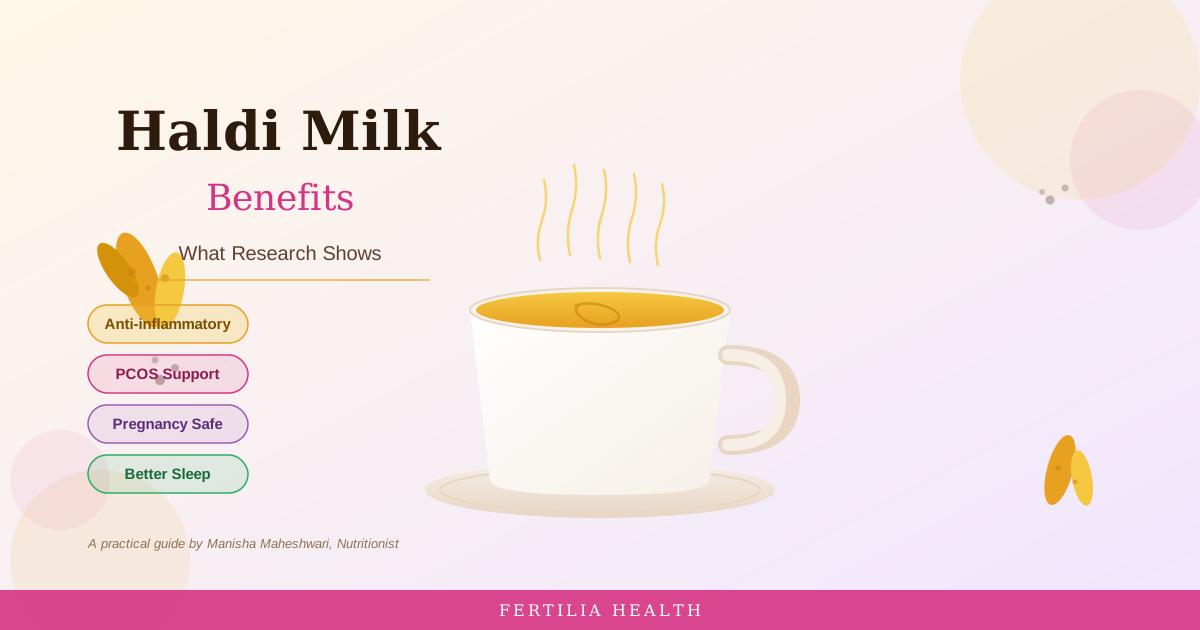
Haldi milk is warm milk with turmeric added to it. The Hindi name “haldi” refers to turmeric (Curcuma longa), the yellow-orange root that gives Indian cooking its colour. “Haldi doodh” literally means turmeric milk.
In its simplest form, it is a teaspoon of turmeric stirred into a glass of warm milk. Traditional recipes often add black pepper, a small piece of ginger, and sometimes jaggery for sweetness. Each of these additions, it turns out, has a very good reason behind it.
The compound in turmeric that researchers focus on most is curcumin, which gives turmeric its deep yellow colour. When people talk about the anti-inflammatory and antioxidant effects of turmeric, they are primarily talking about curcumin and its related compounds.
Why the Traditional Recipe Works So Well
Here is something interesting about haldi milk: the way the traditional recipe is made actually helps your body get much more out of the turmeric.
Black pepper is the key addition. Adding a pinch of black pepper to haldi milk is an old kitchen practice that turns out to be genuinely important. Black pepper contains a compound called piperine, and when you combine it with turmeric, your body absorbs the curcumin far more effectively. Even a small pinch makes a meaningful difference. This is why most traditional haldi milk recipes include black pepper, and why you should not skip it.
Full-fat milk helps too. Curcumin absorbs better when some fat is present. Warm full-fat milk provides a natural base that helps your body make good use of the turmeric. If you prefer plant-based milk, choose one that has some fat content.
The people who developed this recipe did not have laboratory studies, but they clearly worked out the right formula. Warm full-fat milk, turmeric, black pepper, and a little ginger: each ingredient earns its place.
Haldi Milk and PCOS
Haldi milk is a helpful daily food habit for women managing PCOS. For the complete picture of how diet supports PCOS management, read our PCOS diet chart for Indian women.
Haldi Milk During Pregnancy
Turmeric used as a cooking spice is safe during pregnancy. It has been part of Indian cooking for thousands of years.
General wellbeing and immunity. Warm haldi milk provides gentle nutritional support during pregnancy. Turmeric’s antioxidant properties contribute to overall daily wellbeing alongside other foods like fruits, vegetables, and dals.
Digestive comfort. Many women experience bloating and digestive discomfort during pregnancy, particularly in the second and third trimesters. Turmeric has traditionally been used as a digestive aid, which is one of the reasons haldi doodh has been a home remedy for generations.
For more on this, read our guide on Ajwain Water Benefits. Bone health from the milk. Milk is one of the most reliable sources of calcium in the Indian diet. Adequate calcium during pregnancy matters for both mother and baby, and a daily cup of haldi doodh is an easy way to include it.
One important note about safety. The occasional concerns you may have read about turmeric and pregnancy relate specifically to high-dose turmeric supplements (labelled “curcumin extract” at 500 to 1000 mg per capsule). Those are a different category from a teaspoon of culinary turmeric in haldi milk. One to two cups of haldi milk per day using standard culinary turmeric is safe dietary practice during pregnancy. If you are on any pregnancy medication or have specific complications, check with your obstetrician before adding any new daily food habit.
For a full picture of what to eat during pregnancy, see our pregnancy diet guide for Indian women.
Other Benefits Worth Knowing
Sleep support. Warm haldi milk before bed is one of the most time-honoured bedtime rituals in Indian homes. Warm milk promotes relaxation, and the combination of turmeric’s calming properties with the soothing warmth makes this a genuinely useful before-bed habit. Women managing PCOS often find this especially helpful as part of a consistent evening routine.
Joint and muscle comfort. Turmeric has been used in Indian cooking and traditional medicine for joint aches for centuries. Making it a regular part of your daily diet contributes to a consistently anti-inflammatory eating pattern over time.
Antioxidant support. Turmeric is one of the most well-studied natural antioxidants available in everyday Indian cooking. Combined with the nutrients in milk, haldi milk contributes a useful daily dose of antioxidant support alongside other foods like amla, haldi, and colourful vegetables.
Bone health. Milk is one of the best sources of calcium in the Indian diet. Adequate calcium intake matters for women trying to conceive, women who are pregnant or breastfeeding, and women approaching perimenopause.
How to Make Haldi Milk Properly
A simple recipe that gets the most out of your ingredients:
Ingredients:
- 200 to 250 ml full-fat milk (cow’s milk, or fortified plant-based milk with some fat)
- 1 teaspoon turmeric powder, or freshly grated raw turmeric for a stronger flavour
- A generous pinch of black pepper (do not skip this)
- 1/4 teaspoon ground ginger or a small piece of fresh ginger
- Jaggery or a small amount of honey to taste, if you prefer it sweet
Method:
- Warm the milk over low-to-medium heat. Do not boil.
- Add turmeric, black pepper, and ginger to the milk while it heats.
- Stir continuously for 2 to 3 minutes.
- Strain if you used fresh ginger or fresh turmeric.
- Sweeten if desired and drink warm.
When to drink it: Evening, about 30 to 60 minutes before bed. This timing makes the most of warm milk’s naturally calming and sleep-supporting qualities.
How often: Once daily is enough. More is not necessarily better. Very high turmeric intake over long periods can cause digestive discomfort in some people, and there is no established reason to drink more than one to two cups per day.
If you prefer not to have it at night, mid-morning between breakfast and lunch works well too. Avoid drinking it at the same time as iron-rich foods or iron supplements.
Who Should Be Cautious
Haldi milk is well tolerated by most people. If you are on blood-thinning medication, have gallstone issues, or take iron supplements daily, check with your doctor before making haldi milk a daily habit. For most healthy women, one cup of haldi doodh per day is a simple and safe food practice.
Building a nutrition plan that supports your fertility, PCOS management, or pregnancy does not have to be complicated. Reach our nutrition team on WhatsApp to get started with a plan that works for you.
Related Reading
For more on how Indian foods support women’s hormonal health:
- Methi Water Benefits: Fertility, PCOS and Milk Supply
- Jeera Water Benefits: PCOS, Pregnancy and Weight Loss
- PCOS Diet Chart: What to Eat and Avoid (Indian)
- PCOS and Diet: Signs and What to Do
- Pregnancy Diet Chart: Indian Foods for Each Trimester
Frequently Asked Questions
Can I drink haldi milk every day?
Yes. One cup of haldi milk per day is a sustainable and safe habit for most adults. Use standard culinary turmeric (not high-dose curcumin extract supplements) and include black pepper for better absorption. There is no established benefit to drinking more than one to two cups per day.
Does haldi milk help with PCOS?
Haldi milk is a helpful daily food habit for women managing PCOS because of turmeric’s anti-inflammatory and antioxidant properties. It works best as part of a broader healthy eating pattern alongside any medical treatment your doctor has recommended. It is not a cure for PCOS on its own. For a full PCOS-focused eating plan, see our PCOS diet chart.
Is haldi milk safe during pregnancy?
Yes, in dietary amounts. Haldi milk made with one teaspoon of culinary turmeric is considered safe during pregnancy. The concerns sometimes raised about turmeric in pregnancy relate to high-dose curcumin capsules and supplements, not to the small amount of turmeric in a cup of haldi milk. If you have specific pregnancy complications or are on medication, check with your obstetrician.
Why should I add black pepper to haldi milk?
Black pepper contains a compound called piperine, which helps your body absorb the curcumin in turmeric far more effectively. Traditional haldi milk recipes have always included black pepper, and it turns out this was very good culinary wisdom. Even a small pinch makes a real difference, so do not skip it.
Can haldi milk help me sleep better?
Warm haldi milk before bed is one of India’s oldest bedtime rituals, and there is good reason for it. Warm milk promotes relaxation, and turmeric’s calming properties add to that effect. It is not a sleep medication and will not fix underlying sleep disorders, but as a before-bed ritual it is a genuinely soothing habit worth building.
When should I not drink haldi milk?
Avoid drinking haldi milk at the same time as iron-rich foods or iron supplements, as turmeric can reduce iron absorption. If you are on blood-thinning medication, have gallstone issues, or take daily iron supplements, check with your doctor before making it a daily habit.
Which milk works best for haldi milk?
Full-fat cow’s milk works well because the fat helps your body absorb the turmeric. If you prefer plant-based milk, choose a variety that is fortified and has some fat content. Full-fat coconut milk or oat milk works better than skimmed versions. Warm the milk gently rather than bringing it to a full boil, as this preserves the milk proteins.
Can children drink haldi milk?
Yes. Haldi doodh is a classic home remedy for children across India, used for generations when children have colds, coughs, or trouble sleeping. A small amount of culinary turmeric in warm milk is safe for children. Use a smaller amount of turmeric (half a teaspoon) and just a tiny pinch of black pepper for younger children.
Have more questions about nutrition for fertility or pregnancy? Chat with our nutrition team on WhatsApp for personalised food guidance.