Sitaphal has a way of appearing at the sabzi mandi in September, wrapped in a rough green skin that gives nothing away. Press it gently and if it yields just a little, you have a perfectly ripe one. Peel it open and the flesh inside is white, creamy, and naturally sweet in a way that feels almost indulgent for a fruit.
If you are pregnant and wondering whether to include it in your diet, the short answer is yes. Sitaphal is a safe, nutritious Indian seasonal fruit that fits into the ordinary pregnancy diet without fuss. This guide covers the numbers, the portions, a note on handling seeds, and three simple recipes you can make at home when the season arrives.
For more on this, read our guide on Apple in Pregnancy.
What Is Sitaphal?
Sitaphal (custard apple) is the common Indian name for Annona squamosa, a tropical fruit grown widely across central, western, and southern India. It is known by different names depending on where you are:
| Language | Local Name(s) |
|---|---|
| Hindi | Sitaphal, Sharifa |
| Tamil | Seetha pazham, Seetham pazham |
| Telugu | Seetaphalamu |
| Kannada | Seetaphal, Shivani hannu |
| Malayalam | Seethappazham, Aatha |
| Marathi | Sitaphal |
| Bengali | Aata |
| Gujarati | Sharifa |
A note on ramphal: Ramphal (Annona reticulata, also called bullock’s heart) is a related fruit sometimes sold alongside sitaphal at the same stalls. It is larger, has a smoother skin, and is slightly less sweet. The nutritional data and portions in this guide are for sitaphal (Annona squamosa).
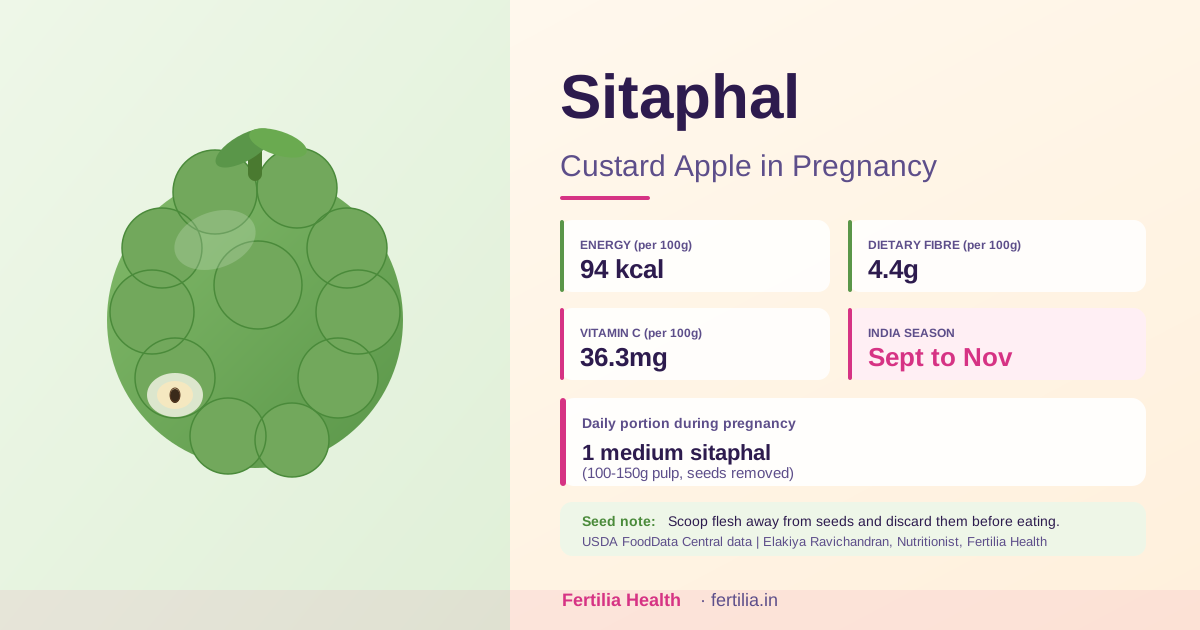
Nutritional Facts (per 100g raw pulp)
The values below are from USDA FoodData Central data for raw custard apple.
| Nutrient | Per 100g |
|---|---|
| Energy | 94 kcal |
| Carbohydrates | 23.6g |
| Dietary fibre | 4.4g |
| Vitamin C | 36.3mg |
| Iron | 0.71mg |
| Calcium | 30mg |
A medium sitaphal weighs about 250-300g whole. After removing the skin and seeds, you are left with roughly 120-150g of pulp, which provides around 110-140 kcal.
Sitaphal delivers a modest spread of nutrients: a reasonable amount of dietary fibre and vitamin C, with small contributions of iron and calcium. It is not a concentrated source of any single nutrient, but as part of a varied pregnancy diet that includes dals, leafy greens, and whole grains, it brings its own useful qualities.
For a fuller picture of iron-rich foods suited to pregnancy, our iron-rich foods guide for pregnancy covers the Indian kitchen well.
When Is Sitaphal in Season?
Sitaphal is a seasonal fruit with a short window. In most of India, it arrives in markets between September and November, with some regional variation:
- Maharashtra, Madhya Pradesh, Gujarat: September to November
- Andhra Pradesh, Telangana: October to November
- Tamil Nadu, Karnataka: September to October
Outside this window, fresh sitaphal is difficult to find in good condition and the quality drops considerably. If you are pregnant right now during the off-season, make a note to look for it in September. For summer months, the watermelon in pregnancy guide and the guava in pregnancy guide cover other Indian seasonal fruits with good nutritional profiles for pregnancy.
How to Buy a Good Sitaphal
At the mandi, look for these signals:
Colour: Pale to yellowish-green skin. Bright dark green means under-ripe; blackened or shrivelled patches mean past its best.
Give: Press it gently with your fingertip. A ripe sitaphal yields slightly, the way a ripe mango does. A rock-hard fruit needs 1-2 days at room temperature to ripen further.
Segments: The bumps or segments on the surface should be clearly defined. Avoid fruits where the skin has cracked or the segments are coming apart.
Smell: A ripe sitaphal has a faint, sweet, custard-like smell. No smell at all means it is not ready; a fermented smell means it is overripe.
Buying quantity: Sitaphal does not last long once ripe. Buy 2-3 fruits at a time, enough for 2-3 days, and refrigerate once they have reached peak ripeness.
Handling the Seeds: A Practical Note
Each segment of sitaphal pulp contains one smooth, dark, oval seed. Before eating, scoop the flesh cleanly away from each seed and discard the seeds. The usual advice for custard apple across Indian kitchen guides is not to chew or swallow them. This is a simple, standard precaution worth following.
In practice, the seeds are easy to spot and to push aside as you eat. The flesh releases naturally from each seed when the fruit is ripe. You can eat the fruit section by section, working around each seed, or scoop all the pulp into a bowl first and pick out the seeds before serving, particularly if you are making a recipe.
How Much to Eat During Pregnancy
Here is a straightforward portion guide by life stage. All portions refer to pulp (skin and seeds already removed).
| Life Stage | Suggested Daily Portion | Notes |
|---|---|---|
| Pregnancy (first trimester) | 1 small sitaphal (80-100g pulp) | Include when in season (Sept-Nov) |
| Pregnancy (second trimester) | 1 medium sitaphal (100-150g pulp) | Part of a varied fruit rotation |
| Pregnancy (third trimester) | 1 medium sitaphal (100-150g pulp) | |
| Postpartum (weeks 1-2) | 1 small sitaphal daily | Soft, easy to digest |
| Postpartum (weeks 3 onwards) | 1 medium sitaphal daily | |
| PCOS | 1 small sitaphal, 3-4 times per week | Include in a mixed fruit rotation |
| Gestational diabetes | Check with your care team | See our gestational diabetes guide for context |
For a broader guide on what to include and what to leave out across pregnancy, the pregnancy dos and don’ts guide is a good companion read.
Eating well through pregnancy and want to know whether your current diet covers what you and your baby need? Dr. Suganya’s team reviews your full nutritional picture and tailors guidance trimester by trimester.
WhatsApp Dr. Suganya: wa.me/919940270499
3 Indian Recipes with Sitaphal
The season for sitaphal is short. When it arrives, these three traditional Indian recipes are worth making.
Recipe 1: Sitaphal Kheer
A naturally sweet kheer that needs very little added sugar when made with ripe fruit.
Ingredients (serves 2-3):
- 2 medium sitaphal (about 200g pulp, seeds removed)
- 500ml full-fat milk
- 3 tbsp rice flour (or 2 tbsp raw rice soaked for 20 minutes, then ground)
- Cardamom: 3-4 pods, lightly crushed
- Jaggery or sugar: 1-2 tsp (taste before adding, ripe sitaphal is very sweet)
- Kesar (saffron): 3-4 strands, optional
Method:
- In a heavy-bottomed pan, whisk rice flour into cold milk until no lumps remain. Place on medium-low heat and stir continuously until the milk thickens into a pourable kheer consistency, about 10-15 minutes. (If using soaked rice, cook it in the milk until the rice is completely soft, then blend smooth before proceeding.)
- Add cardamom and kesar. Stir and remove from heat. Let it cool to room temperature.
- Scoop the sitaphal pulp into a bowl, remove all seeds, and mash gently with a fork into a soft, slightly textured puree.
- Once the kheer is fully cooled (not just warm), stir in the sitaphal puree.
- Taste, add jaggery only if needed.
- Chill in the refrigerator for at least 30 minutes before serving.
Why add sitaphal after the heat is off? Custard apple loses its fresh flavour and colour when cooked for long. Stirring it into cooled kheer preserves both.
Recipe 2: Sitaphal Smoothie
A quick, filling breakfast option that takes under five minutes.
Ingredients (serves 1):
- 1 medium sitaphal (100-120g pulp, seeds removed)
- 150ml cold dahi (curd) or cold milk
- 1 small ripe banana
- Cardamom: a pinch
- Ice: 2-3 cubes
Method:
- Remove seeds from the sitaphal pulp and add to a blender.
- Add dahi or milk, banana, cardamom, and ice.
- Blend until smooth.
- Serve immediately.
Variations: Swap banana for 3-4 soaked and pitted dates for a different sweetness. Use oat milk instead of dairy if you prefer a lighter consistency.
Recipe 3: Sitaphal Basundi
Basundi is a slow-cooked, thickened milk dessert from Maharashtra and Gujarat. Sitaphal basundi is a classic festive preparation with very good reason.
Ingredients (serves 3-4):
- 1 litre full-fat milk
- 2 large sitaphal (200-250g pulp, seeds removed)
- 2-3 tbsp sugar or jaggery (adjust to the sweetness of your fruit)
- Cardamom: 4-5 pods, crushed
- Nutmeg (jaiphal): a small pinch, optional
- Pista and badam (pistachios and almonds): a small handful, thinly sliced, for garnish
Method:
- Pour the milk into a wide, heavy-bottomed pan. Bring to a gentle boil, then lower the heat.
- Simmer on medium-low, stirring frequently, until the milk reduces to about two-thirds of the original volume. This takes roughly 40-50 minutes. The milk should be thick, slightly golden, and coat the back of a spoon.
- Add sugar or jaggery, cardamom, and nutmeg. Stir to dissolve. Remove from heat and let the basundi cool completely to room temperature.
- Mash the sitaphal pulp into a smooth paste and stir it into the cooled basundi.
- Scatter sliced pista and badam on top.
- Refrigerate for at least one hour before serving.
Storage: Sitaphal basundi keeps in the refrigerator for up to 24 hours. The fruit flavour is freshest on the day of preparation.
Buying and Storage Guide
| Situation | What to Do |
|---|---|
| Buying | Look for fruits that give slightly under gentle fingertip pressure |
| Under-ripe fruit at home | Leave at room temperature for 1-2 days; check daily |
| Once ripe | Refrigerate and use within 1-2 days |
| Storing pulp (short-term) | Scoop out pulp, remove all seeds, add a few drops of lemon juice to slow browning, seal in an airtight container, and refrigerate. Use within 24 hours. |
| Freezing pulp | Portion de-seeded pulp into small containers or ice cube trays. Freeze for up to 4 weeks. Thaw in the refrigerator overnight before use in smoothies or kheer. |
| What to avoid | Cracked skin, blackened patches, or a fermented smell |
For a comprehensive guide to pregnancy nutrition as a whole, including what to include and what to be cautious about, visit our evidence-based pregnancy guide and the dry fruits in pregnancy guide.
Frequently Asked Questions
Is sitaphal safe to eat during pregnancy?
Yes. Sitaphal is a regular Indian seasonal fruit and is safe to eat during pregnancy in normal daily portions. Wash the outside before handling, remove seeds before eating, and enjoy it as part of a varied fruit rotation. If you have gestational diabetes or specific nutritional concerns, discuss with your doctor before including it regularly.
How much sitaphal can I eat per day during pregnancy?
One medium sitaphal per day (about 100-150g of pulp, seeds removed) is a practical portion. That is roughly one fruit. Include it as part of a broader diet that covers vegetables, dals, whole grains, and other fruits rather than eating several at one sitting.
What should I do with the seeds?
Scoop the flesh carefully away from each seed and discard the seeds before eating. Do not chew or swallow them intentionally. This is the standard kitchen practice for custard apple.
Can I eat sitaphal if I have gestational diabetes?
Sitaphal is naturally sweet and contains significant natural sugars. Women managing gestational diabetes should check with their care team before eating it regularly, as individual blood sugar responses vary. Our gestational diabetes guide covers the broader principles of managing blood sugar through food during pregnancy.
When is sitaphal available in India?
Sitaphal is in season from September to November across most parts of India, with some regional variation. It is not reliably available in good quality outside this window. Plan to include it during the autumn season.
Can I eat sitaphal in the first trimester?
Yes. Sitaphal is safe in the first trimester. Keep to a normal portion of one small fruit per day and make sure the fruit is fully ripe and seeds are removed.
For more on this, read our guide on Ghee During Pregnancy. Can I freeze custard apple pulp for later use?
Yes. Remove all seeds from the pulp, portion it into small containers, and freeze for up to four weeks. Thaw in the refrigerator overnight before use. Frozen pulp works well in smoothies and can be stirred into cooled kheer. The texture is softer after freezing but the flavour holds well.
Building your pregnancy diet and want to make sure you are covering all the nutritional ground? A single consultation with Dr. Suganya’s team gives you a personalised trimester-wise plan based on your actual test results and food preferences.
WhatsApp to book your consultation: wa.me/919940270499
You can also download the free pregnancy nutrition guide for a starting-point checklist of what to include each trimester. Or let Dr. Suganya’s team build it into a full plan in her 90-day Pregnancy Care program.
For more on this, read our guide on Banana in Pregnancy.