Walk into any Indian home with a pregnant woman and there will be fruit. Bananas on the counter, pomegranate on the table, and almost certainly apples in a basket nearby. The apple is often the default fruit suggestion from mothers-in-law, family members, and neighbours, and for good reason: it travels well, stores at room temperature for a few days, and is easy to eat without cooking.
But beyond the habit of keeping apples around, it helps to know what is actually in an apple, how much to eat at each stage of pregnancy, whether to peel it or leave the skin on, which Indian varieties are worth choosing, and how to use apples in recipes beyond simply eating them raw.
For more on this, read our guide on Custard Apple (Sitaphal) in Pregnancy. This post covers all of that, with nutrition data from USDA FoodData Central.
What Is in an Apple? Nutritional Profile
All data below comes from USDA FoodData Central, FDC ID 9003 (Apples, raw, with skin).
Per 100g apple with skin:
| Nutrient | Amount |
|---|---|
| Energy | 52 kcal |
| Carbohydrates | 13.81g |
| Dietary fibre | 2.4g |
| Sugars (natural) | 10.39g |
| Protein | 0.26g |
| Fat | 0.17g |
| Vitamin C | 4.6mg |
| Folate DFE | 3mcg |
| Potassium | 107mg |
| Calcium | 6mg |
| Iron | 0.12mg |
Per medium apple with skin (approximately 182g):
| Nutrient | Amount |
|---|---|
| Energy | 95 kcal |
| Carbohydrates | 25.13g |
| Dietary fibre | 4.4g |
| Vitamin C | 8.4mg |
| Potassium | 195mg |
Apples are not a concentrated source of any single nutrient. Their value in a pregnancy diet comes from their fibre content, hydration (apples are about 85% water), natural sugars that are easier on the stomach than concentrated sweets, and a consistent supply of Vitamin C across the day.
For more on this, read our guide on Watermelon in Pregnancy.
Should You Peel the Apple or Eat It with Skin?
This question comes up often, especially in families where peeling fruit is the long-standing habit.
The short answer: keep the skin on whenever possible.
The apple skin contains a significant portion of the fruit’s total fibre. A medium apple with skin provides 4.4g of fibre. Without the skin, that same apple provides roughly 2.4g. Leaving the skin on nearly doubles the fibre you get from each apple.
The skin also contains Vitamin C and natural plant compounds that the flesh alone does not provide in the same quantity.
Washing apples properly: Since the skin is going to be eaten, it needs a thorough wash. Hold the apple under running water and rub the surface well with your hands for at least 20 to 30 seconds. A light salt-and-water soak for 5 to 10 minutes before rinsing is also a practical step if the apple is not organic. This removes surface residues without affecting the nutrition.
If the apple skin tastes waxy or bitter, it is fine to peel it. Some imported apples have a thicker wax coating applied after harvesting. In that case, peeling is a reasonable choice, and the apple without skin is still a nutritious fruit.
Indian Apple Varieties: Which One to Choose
India grows apples in several Himalayan and sub-Himalayan states. Here is a quick guide to what you will find in markets:
| Variety | Origin | Flavour Profile | Season |
|---|---|---|---|
| Shimla Red | Himachal Pradesh (Shimla, Kullu) | Sweet, crisp, mild tartness | Sept to Dec |
| Royal Delicious (Kashmiri) | Jammu and Kashmir | Deep red, very sweet, soft flesh | Oct to Dec |
| Kinnauri (Kinnaur) | Himachal Pradesh (Kinnaur district) | Smaller, aromatic, tart-sweet | Sept to Nov |
| Golden Delicious | Himachal Pradesh | Yellow-green, sweet, less acidic | Oct to Dec |
| Ambri (J&K) | Jammu and Kashmir | Pale greenish-yellow, unique flavour | Late Sept to Oct |
| Imported Red Delicious | USA, New Zealand, China | Bright red, sweet, soft | Available year-round |
| Imported Granny Smith | South Africa, USA | Green, tart, crunchy | Available year-round |
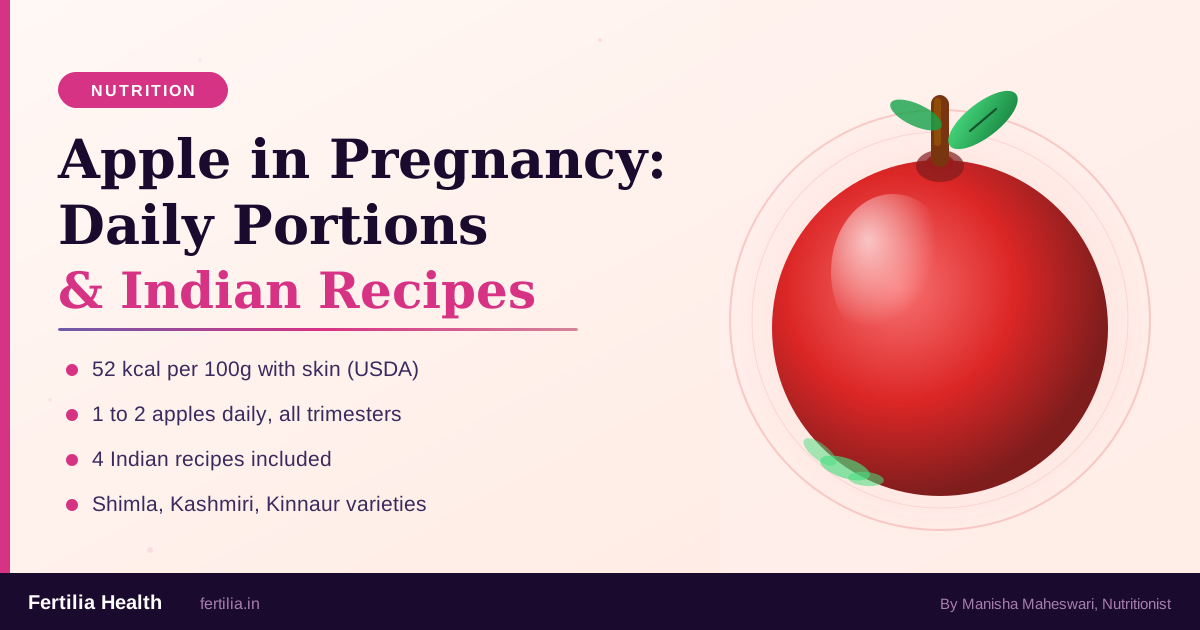
For everyday pregnancy use, Shimla and Kinnaur apples are good choices. They tend to have thinner skin (easier to eat with skin), are locally grown without the long cold-storage periods of imported varieties, and are usually more affordable. Kinnaur apples are especially liked for their flavour but are smaller and pricier than standard Shimla ones.
Imported Granny Smith apples are firmer and more tart, which some women find easier to eat when they have morning nausea in the first trimester. The tart flavour is less sweet and can be more tolerable when smell and taste sensitivity is high.
How Many Apples Per Day During Pregnancy
A standard daily portion during pregnancy is 1 to 2 medium apples per day. This applies across all three trimesters.
For more on this, read our guide on Dates in Pregnancy.
| Life Stage | Daily Portion | Notes |
|---|---|---|
| Pregnancy (T1) | 1 to 2 medium apples | Granny Smith may be easier if nausea is present |
| Pregnancy (T2) | 1 to 2 medium apples | Good as a mid-morning or mid-afternoon snack |
| Pregnancy (T3) | 1 to 2 medium apples | Keep the skin on for fibre |
| Gestational Diabetes (GDM) | As advised by your care team | Whole apple is preferred over juice; check portioning with your nutritionist or doctor |
| Postpartum | 1 to 2 medium apples | Included in a varied fruit rotation |
| PCOS (non-pregnant) | 1 medium apple | Part of a varied fruit intake, not a standalone focus |
A note on juice: Whole apples are significantly different from apple juice. Juice removes most of the fibre and concentrates the sugars. During pregnancy, whole fruit is always the better choice. Even fresh-pressed home juice loses the fibre benefit. Eat the apple rather than drinking it.
A note for GDM: If you have been diagnosed with gestational diabetes, apple is not off-limits, but portioning matters more for you. A whole apple with skin and paired with a small amount of protein (dahi, a handful of nuts) is generally a well-tolerated snack. Your care team or a registered nutritionist will guide you on how to fit fruit into your specific meal plan. For more on gestational diabetes management, read our gestational diabetes guide.
Buying and Storing Apples During Pregnancy
Buying:
- Choose apples that are firm when pressed. A soft apple has lost some of its texture and nutrient freshness.
- Avoid apples with bruises, wrinkled skin, or a mealy, powdery texture at the surface.
- Shimla and Kinnaur apples from seasonal vendors (September to December) are usually fresher than imported apples that have been in cold storage for months.
- If buying pre-packed imported apples, check whether they have been wax-coated (often listed on the packaging). Waxed apples should be peeled before eating unless thoroughly scrubbed.
- Organic apples are a good choice if available and affordable, especially since you will be eating the skin.
Storing:
- At room temperature: 3 to 5 days, away from direct sunlight.
- In the refrigerator: 4 to 6 weeks in the crisper drawer. Cold storage slows the loss of Vitamin C.
- Once cut, apples brown quickly due to oxidation. Squeeze a little lemon juice over cut pieces and refrigerate in an airtight container. Consume within 1 to 2 days.
- Do not store apples next to vegetables like cabbage, broccoli, or carrots if possible. Apples release ethylene gas that can speed up ripening and ageing of nearby produce.
WhatsApp Dr. Suganya
Wondering how to fit apples and other fruits into your pregnancy diet, or have questions about what to eat in the second or third trimester? Dr. Suganya’s team is available on WhatsApp to help you put together a practical, India-appropriate plan.
4 Indian Recipes Using Apples During Pregnancy
These recipes use apple as a main ingredient alongside other foods commonly available in Indian kitchens.
1. Apple Cinnamon Oats
A filling breakfast that works in all three trimesters.
Ingredients (1 serving):
- 1 medium apple with skin, grated or diced small
- 40g rolled oats (old-fashioned oats, not instant)
- 250ml water or full-fat milk
- 1/4 tsp cinnamon powder
- 1 tsp jaggery or to taste
- A pinch of cardamom (optional)
Method:
- Bring the water or milk to a gentle boil.
- Add rolled oats and stir well. Cook on low heat for 5 to 7 minutes, stirring occasionally.
- Once the oats have thickened, add the grated apple, cinnamon, and cardamom.
- Stir and cook for another 2 minutes.
- Remove from heat and sweeten with jaggery.
- Serve warm. Add a tablespoon of chopped nuts on top if using (badam, aakhrot) for extra protein and healthy fat.
Note: If you have been advised to watch your carbohydrate intake during pregnancy, use only half an apple and skip the jaggery, replacing with a pinch of salt instead.
2. Apple Raita
A cooling side dish that pairs well with any Indian meal.
Ingredients (2 servings):
- 1 medium apple, diced (peeled if preferred)
- 200g dahi (homemade or full-fat packaged curd)
- 1/4 tsp roasted jeera powder
- 1/4 tsp black salt (kala namak) or regular salt
- 1/2 tsp chaat masala (optional, mild)
- Fresh coriander leaves, chopped, to garnish
Method:
- Whisk the dahi until smooth.
- Add the diced apple and stir to combine.
- Season with jeera powder, salt, and chaat masala if using.
- Garnish with chopped coriander.
- Serve chilled. Can be kept in the refrigerator for up to 4 to 6 hours.
This raita pairs well with roti, paratha, or rice. The dahi in this recipe adds protein and calcium. For more on calcium sources in pregnancy, see our calcium in pregnancy guide.
3. Apple-Banana Smoothie
A quick snack or light breakfast, especially useful in the first trimester when appetite is lower.
Ingredients (1 serving):
- 1 small apple, roughly chopped (with skin)
- 1 small ripe banana, sliced
- 150ml cold full-fat milk or unsweetened curd
- 3 to 4 soaked and peeled badam (almonds)
- A pinch of cardamom powder
- 1 tsp jaggery or honey (optional, adjust to taste)
Method:
- Add all ingredients to a blender.
- Blend until smooth.
- Pour and serve immediately. Do not store.
This smoothie works as a light meal option when nausea makes full meals difficult. Banana adds natural energy and is easy on the stomach. Apple adds fibre and a mild flavour. For a full guide to dry fruits in pregnancy, see our dry fruits during pregnancy guide.
4. Baked Apple with Jaggery
A warm, comforting dessert that satisfies sweet cravings without refined sugar.
Ingredients (2 servings):
- 2 medium apples (Shimla or Kinnaur work best)
- 2 tsp jaggery, grated or powdered
- 1/2 tsp cinnamon powder
- 1/4 tsp cardamom powder
- 1 tsp ghee
- 2 tbsp chopped nuts (badam, aakhrot, or both)
Method:
- Wash the apples well. Core them from the top, leaving the base intact so the filling stays in.
- Mix together jaggery, cinnamon, cardamom, and chopped nuts.
- Stuff each apple with the jaggery-nut mixture. Add half a teaspoon of ghee on top of the filling.
- Place in a baking dish with a small amount of water at the bottom (about 2 tablespoons) to prevent sticking.
- Bake at 180 degrees C for 25 to 30 minutes, or until the apple is soft when pierced with a fork.
- Serve warm.
No oven: Place the stuffed apple in a pressure cooker with a small amount of water. Cook without the weight for 10 to 12 minutes on medium heat. The apple will steam and soften.
This dessert is particularly good in the third trimester when warm, comforting foods are easier to manage. The ghee and nuts add healthy fat and a small amount of protein alongside the fruit.
Fitting Apples into Your Weekly Plate
Apples are easy to include regularly, but they are best as part of a varied fruit rotation rather than the only fruit you eat. Here is a simple weekly pattern:
| Day | Fruit idea |
|---|---|
| Monday | Apple with skin as morning snack |
| Tuesday | Pomegranate or watermelon (seasonal) |
| Wednesday | Apple raita with lunch |
| Thursday | Banana (ripe) or pear |
| Friday | Apple-banana smoothie for breakfast |
| Saturday | Guava or papaya (ripe) |
| Sunday | Baked apple as dessert |
Variety across fruits means variety in nutrients. For a broader overview of what to eat across all food groups in pregnancy, see our healthy pregnancy guide.
FAQ
1. Is it safe to eat apple every day during pregnancy? Yes. One to two medium apples per day is a standard daily amount during pregnancy. Apples are well-tolerated by most women and are safe across all three trimesters.
For more on this, read our guide on Banana in Pregnancy. 2. Should I peel the apple during pregnancy? Keeping the skin on is better for fibre. Wash the apple well under running water, rubbing the skin for 20 to 30 seconds. A brief soak in salted water before rinsing is an additional step. Peel only if the apple is wax-coated and scrubbing is not enough to clean the surface, or if you personally find the skin unpleasant.
3. Can I eat apple at night during pregnancy? Yes. Apple is a light fruit and is generally comfortable to eat in the evening. Many women find it a satisfying snack that helps with late-evening hunger without being too heavy. There is no nutritional reason to avoid apple at night.
4. What is the best Indian apple to eat during pregnancy? Shimla and Kinnaur apples are good everyday choices. They are seasonally available (September to December), usually fresh rather than long-storage, and have a good flavour with thin skin. Outside the Indian apple season, any firm, fresh apple is fine.
5. Is apple good for constipation during pregnancy? Apple is a good source of dietary fibre (2.4g per 100g with skin, 4.4g for a medium apple). Fibre, along with adequate water intake, supports digestive regularity. The skin contains a significant part of the fibre, so it is worth keeping it on.
6. Can I drink apple juice instead of eating the whole fruit? Whole apples are the better choice during pregnancy. Apple juice removes most of the fibre and concentrates the natural sugars. This applies to both packaged and freshly pressed juice. Eat the apple rather than juicing it.
7. I have gestational diabetes. Can I eat apples? A whole apple with skin is generally considered a well-tolerated fruit because of its fibre content. However, portioning and meal pairing matter more when managing blood sugar levels. Speak with your doctor or registered nutritionist for guidance specific to your meal plan. Your pregnancy diet plan should be built around your GDM management.
WhatsApp Dr. Suganya
Have questions about your fruit intake, overall pregnancy nutrition, or how to manage diet with any pregnancy condition? Dr. Suganya and her team are available on WhatsApp for a personalised conversation.
For more on this, read our guide on Iron-Rich Indian Foods for Pregnancy.
For more on this, read our guide on Badam in Pregnancy.
For more on this, read our guide on Coconut Milk. Chat on WhatsApp
Also download our free Pregnancy Nutrition Guide for a complete week-by-week Indian food reference. For trimester-by-trimester meals built around everyday foods like these, see Dr. Suganya’s 90-day Pregnancy Care program.