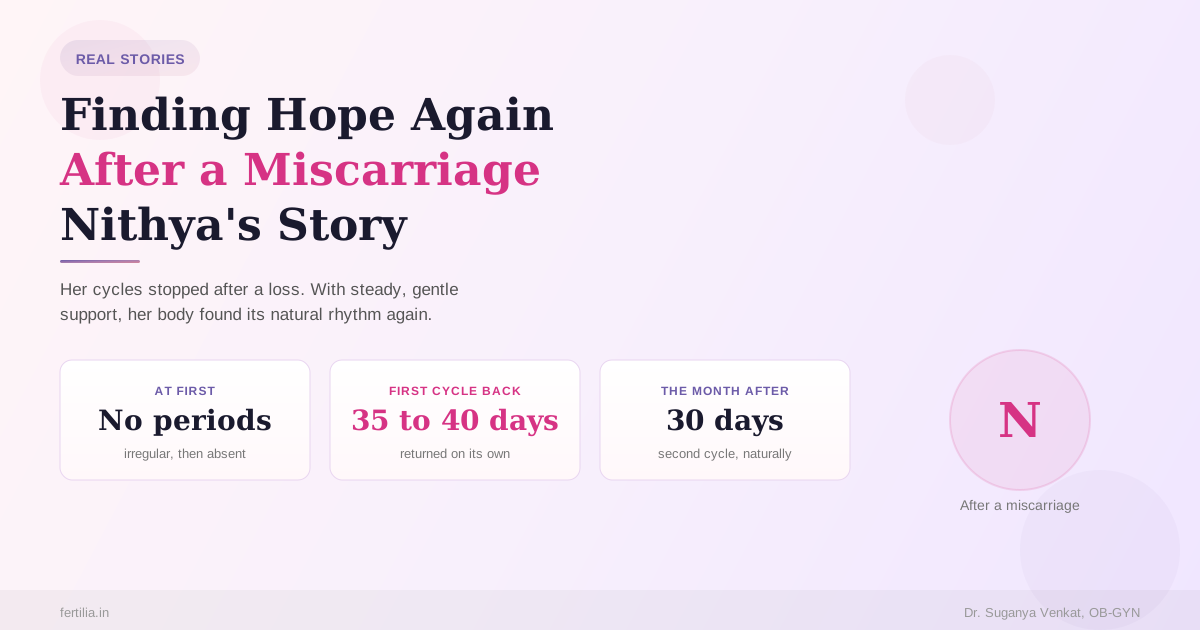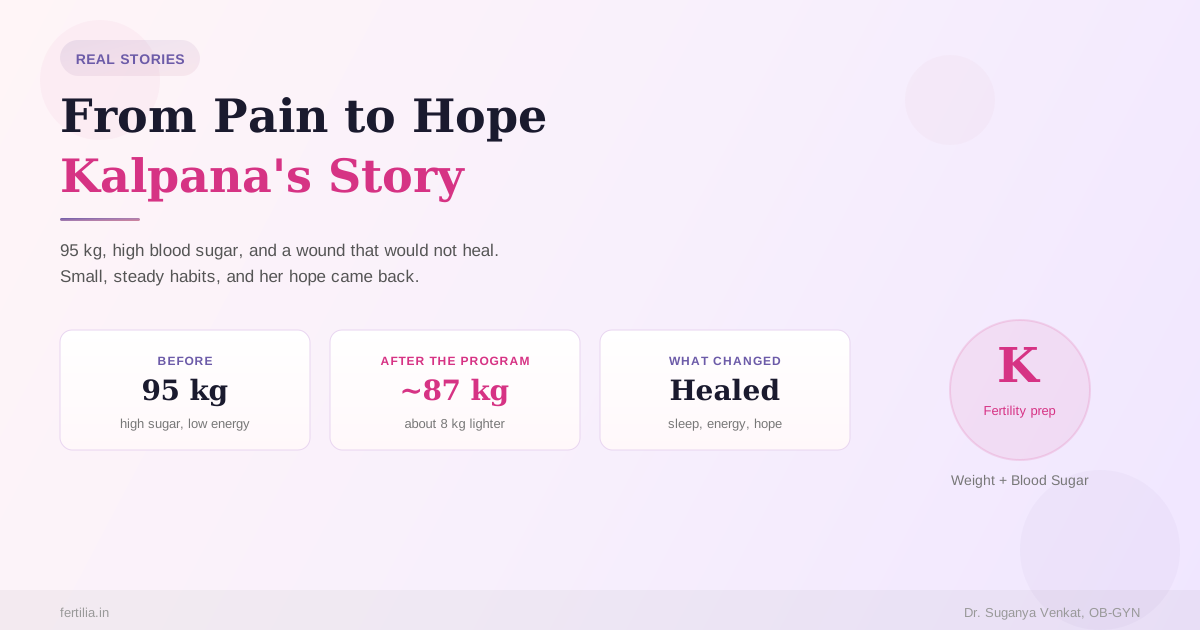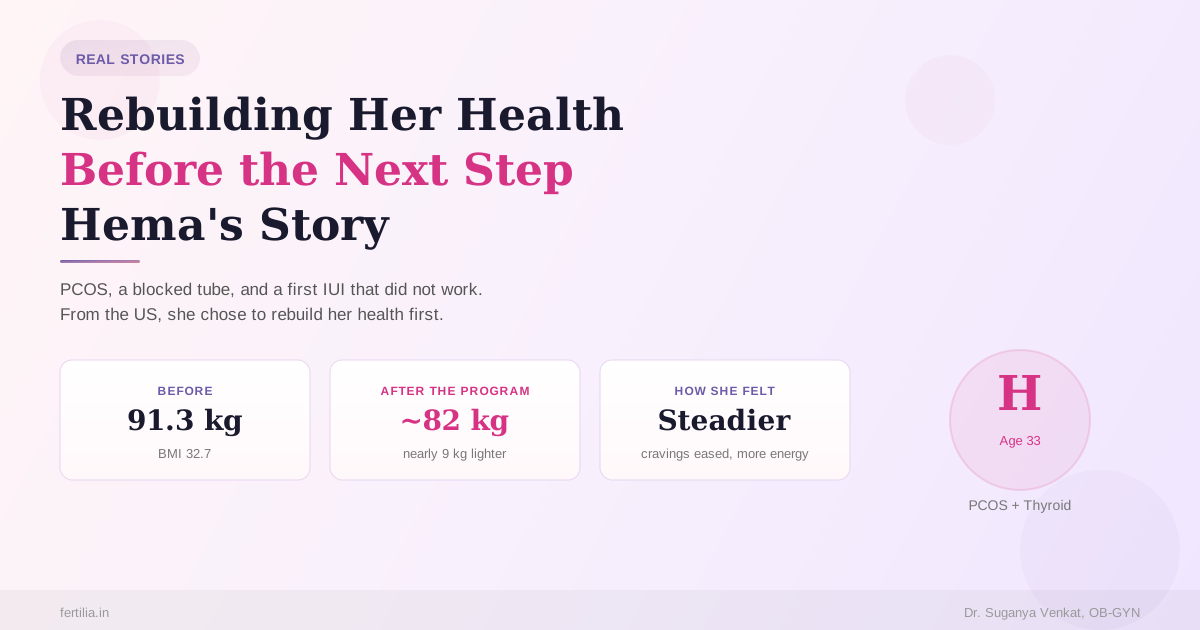
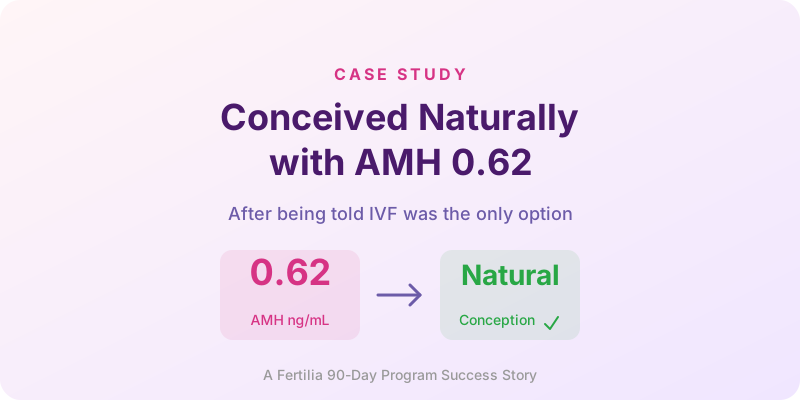
Names have been changed to protect patient privacy. Clinical details are shared with the patient’s consent.
Can you conceive naturally with AMH 0.62? Yes, it is possible, but this result alone cannot predict your chances or decide whether IVF is needed. AMH is a marker of egg quantity, not a direct measure of egg quality; age and the rest of the fertility assessment matter (ASRM’s 2020 ovarian-reserve committee opinion). This is one couple’s experience, not a guarantee or a reason to delay recommended treatment.
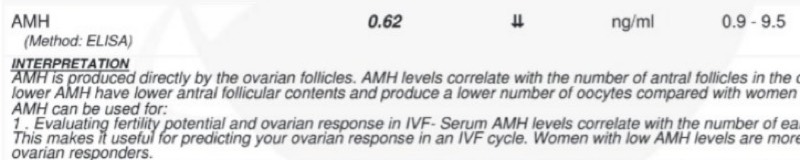
When Deepa first reached out to us, she was exhausted, and not only physically. She’d spent months going through ovulation induction cycles, each one ending in disappointment. Her AMH was 0.62 ng/mL (well below the normal range) and she had little hope for natural conception. She had been told IVF was her only realistic option.
She didn’t want to give up on the possibility of conceiving naturally. She wanted to try everything within her control first. That’s when she was referred to us.
This is her story, and her husband Arjun’s.
The Situation
Deepa was 35 years old and trying for her second pregnancy. She and Arjun had a young child already and were hoping to expand their family. But things had become complicated.
Deepa’s profile:
- Age: 35
- AMH: 0.62 ng/mL (her laboratory’s reference range: 0.9–9.5)
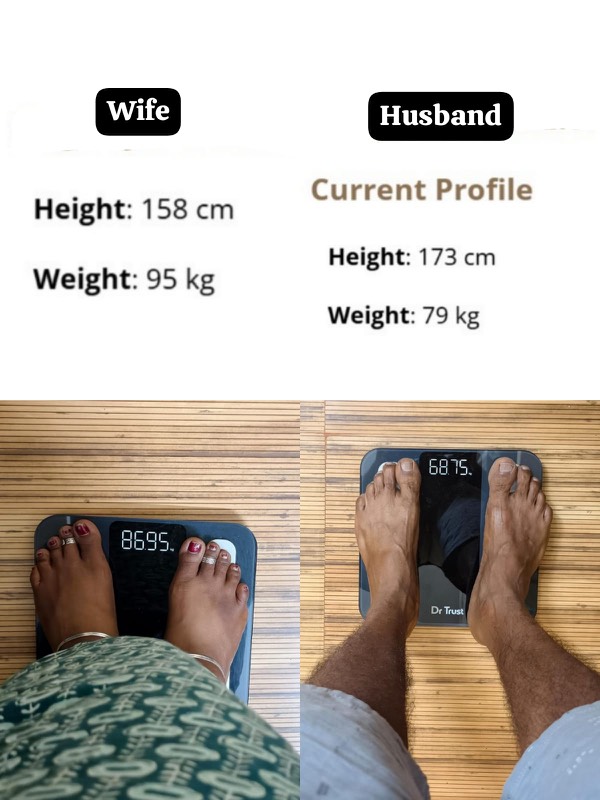
- Weight: 95 kg | Height: 158 cm (BMI: 38)
- Previous attempts: Multiple ovulation induction cycles, all unsuccessful
Arjun’s profile:
- Age: 41
- Weight: 79 kg | Height: 173 cm
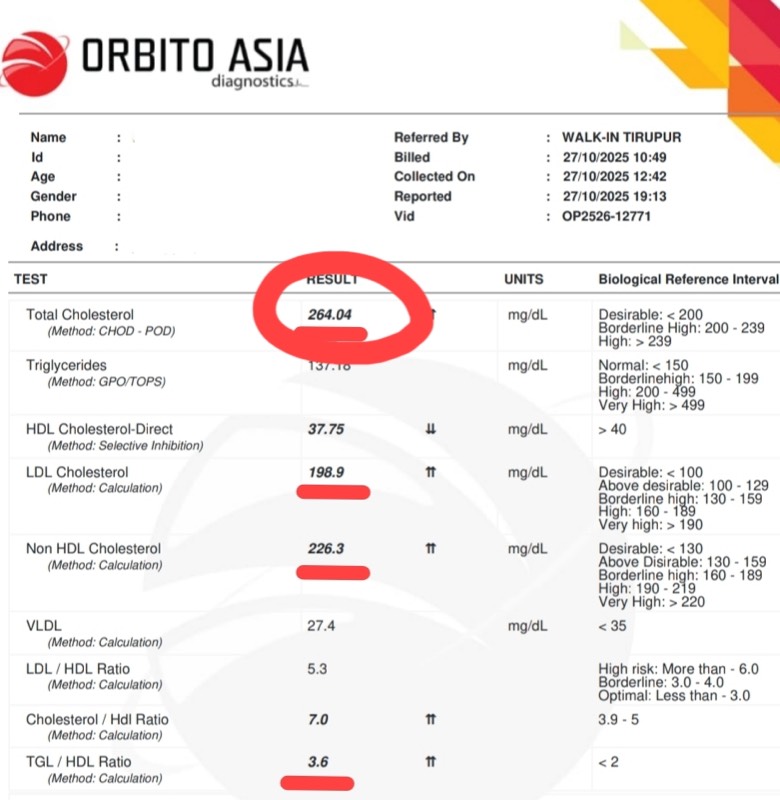
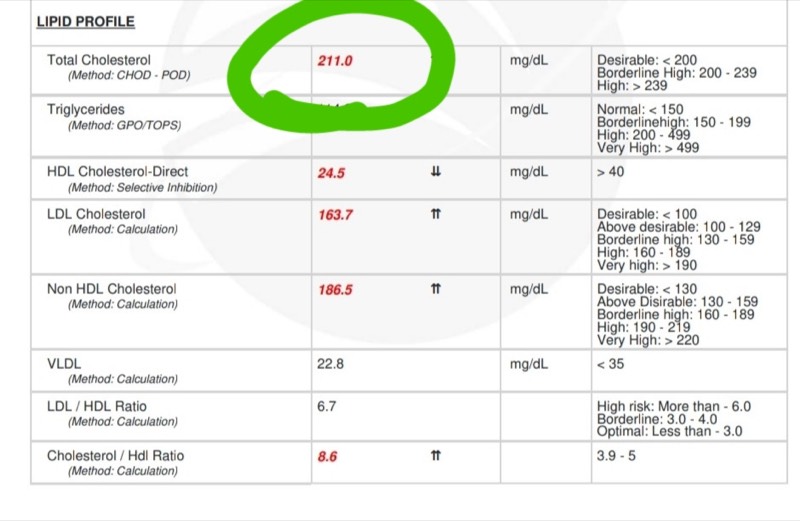
- Cholesterol: 264 mg/dL (high, desirable is under 200)
Deepa had been trying to lose weight on her own, following a low-calorie, high-protein diet she’d found online. Despite restricting what she ate, nothing was changing. She felt stuck.
📞 Are You in a Similar Situation?
If you’ve been told your AMH is low and are wondering what options you have before IVF, we can help you understand your full picture.
What We Found
In reviewing Deepa and Arjun’s history, we didn’t just look at her AMH number. We looked at everything: her daily routine, sleep patterns, stress levels, what she was eating, when she was eating, how she was moving, and how she was feeling.
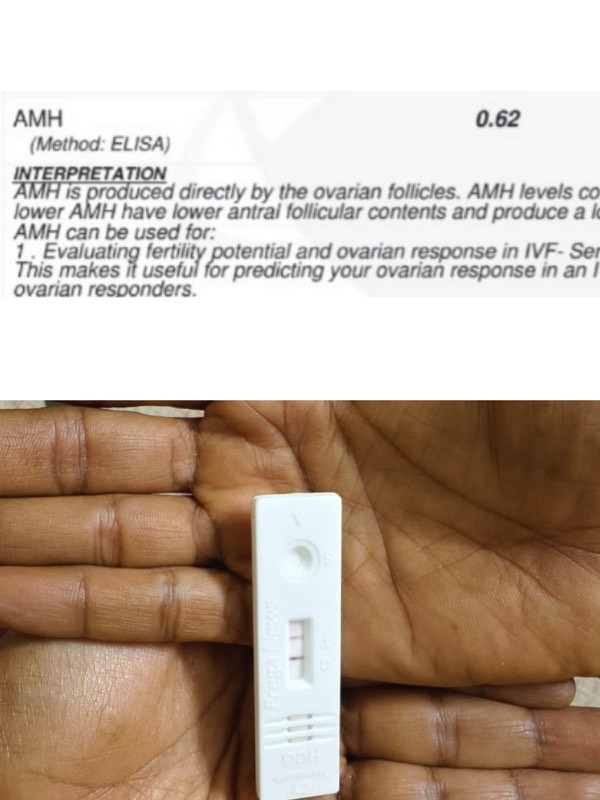
Her AMH report confirmed the low ovarian reserve:
And Arjun’s cholesterol was significantly elevated at 264 mg/dL:
But the lab values were just part of the picture. Here’s what else stood out:
1. Sleep deprivation was severe Deepa was sleeping only 4–6 hours per night. With a young child and a demanding work schedule, she’d developed a habit of staying up late scrolling her phone after everyone else was asleep. This was her “me time”, and the plan needed to make room for both rest and time to herself.
Kloss and colleagues’ review discusses possible links between sleep, circadian rhythms and fertility, but explicitly notes that little was known about whether sleep quantity or quality affects fertility (2015, Sleep Medicine Reviews, PMID 25458772). Better rest was a wellbeing goal here.
2. Chronic stress and mood swings She was dealing with the emotional burden of failed fertility treatments, managing a toddler, working, and feeling pressure from family. She described frequent mood swings and a persistent sense of anxiety.
That distress deserved support regardless of the fertility outcome.
3. Metabolic health was compromised At 95 kg and 158 cm, her BMI was approximately 38. We considered metabolic health as part of her assessment, without assuming a diagnosis such as insulin resistance from her weight alone. This case does not include an egg-quality measurement.
Meanwhile, Arjun’s total cholesterol of 264 mg/dL (with LDL at 199 mg/dL) suggested his metabolic health also needed attention. A review of 35 observational studies found associations between healthier diets and better semen parameters (Salas-Huetos et al., 2017, Human Reproduction Update, PMID 28333357). It did not establish that changing a man’s diet or lowering his cholesterol causes pregnancy, and it cannot explain this couple’s outcome.
4. Her diet had not brought the changes she hoped for Deepa had tried a low-calorie, high-protein diet without seeing results. We changed the meal plan to something she could follow consistently.
The Plan
We designed a program that was realistic for a working mother with a young child. There was no point creating a plan she couldn’t sustain. Sustainability was everything.
For Deepa
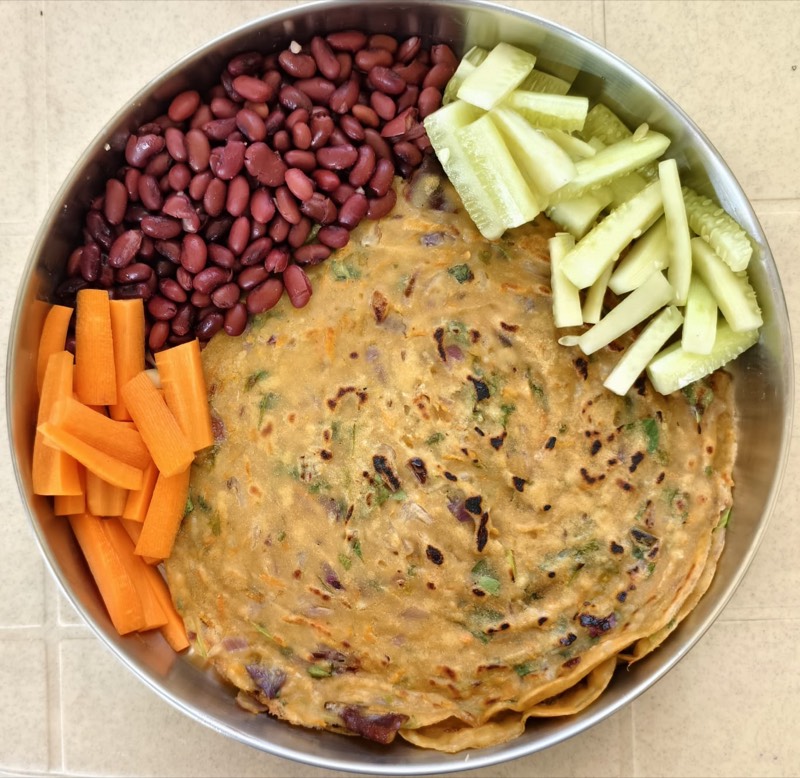
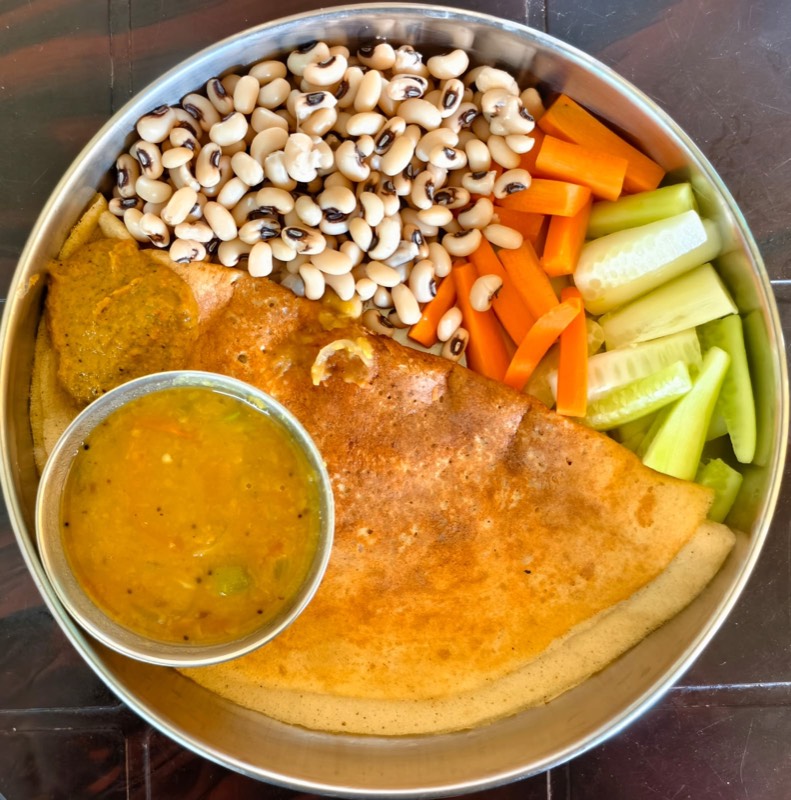
Nourish, don’t restrict: We replaced her calorie-restriction approach with balanced, satisfying meals built around Indian foods she already enjoyed. The focus was on:
- Adequate, individually planned portions
- Complex carbohydrates: ragi porridge, brown rice, whole wheat rotis
- Fats in planned portions, including nuts and seeds
- Protein from dals, paneer, eggs, and curd
- Other familiar foods: haldi milk, amla and green leafy vegetables
- Regular meal timing, no skipping
We provided sample meal plates so she didn’t have to think too hard about what to cook. The meals were designed to be practical, things she could prepare alongside her child’s food.
Movement: gradual, not gruelling: Deepa had tried structured workouts before but couldn’t stay consistent. Gym sessions felt impossible with her schedule. So we took a different approach:
- Starting point: 2,000 steps per day.
- Next milestone: 5,000 steps per day.
- Later milestone: 10,000 steps per day, which her case notes record within the first week.
These were her milestones, not a schedule every reader should copy. Once walking was established, the plan also included 30 minutes of exercise daily:
- Bodyweight exercises (squats, lunges, no heavy gym equipment needed)
- Yoga
- Light cardio
Sleep hygiene:
- Phone off by 9:30 PM (this was the hardest change)
- Consistent bedtime of 10 PM
- No screens in the bedroom
- Target: 7–8 hours of sleep
Stress management:
- Daily 10-minute breathing exercises
- Regular check-ins with our team for emotional support
- Reframing the fertility journey, from “pressure to conceive” to “investing in my health”
For Arjun
We didn’t just treat Deepa in isolation. Fertility is a couple’s journey, and Arjun’s metabolic health mattered.
- Dietary changes focused on reducing saturated fat and increasing fibre
- Omega-3 rich foods: walnuts, flaxseeds, fatty fish
- Daily walking alongside Deepa
- Reduced processed food and outside meals
The Journey
Month 1: The Foundation
The first month was about building habits, not chasing numbers.
Weight: Both Deepa and Arjun lost 4 kg each in the first month.
Cholesterol: Arjun’s total cholesterol dropped from 264 mg/dL to 211 mg/dL, a 53-point improvement in just 30 days, without medication.
Steps: The gradual approach worked beautifully. Within the first week, Deepa went from barely doing 2,000 steps to comfortably hitting 5,000, and then 10,000. Walking became something she looked forward to. Her morning walk before her child woke up became sacred personal time.
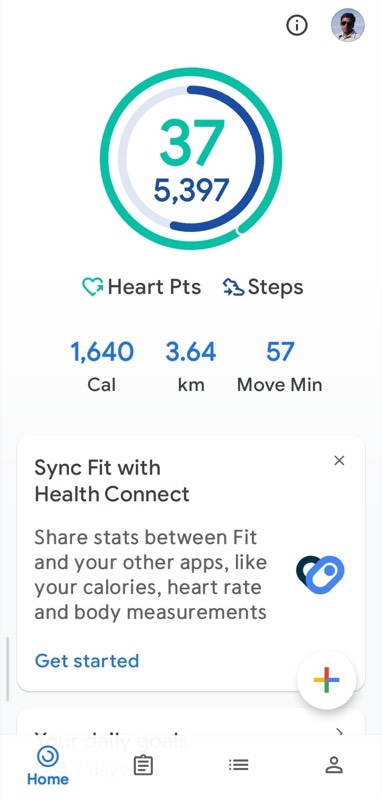
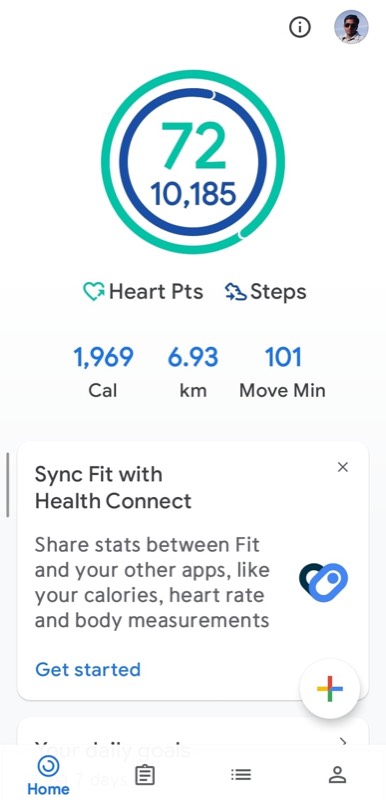
The biggest challenge: Deepa could follow the nutrition plan well, but initially struggled with structured exercise. We didn’t force it. We let the walking habit solidify first, then gently layered in short bodyweight sessions. By the end of month 1, she was doing both without resistance.
Month 2: Momentum
With the foundation in place, things started shifting. Sleep improved. Energy went up. Mood stabilised. The walks became longer and faster. The meals felt enjoyable, not restrictive.
Month 3: The Surprise
Deepa and Arjun had made a conscious decision: they wouldn’t put pressure on themselves to conceive immediately. With an AMH of 0.62, they’d given themselves six months to simply focus on health and wellbeing. Conception was a hope, not a deadline.
And then, at the end of month 3, a positive pregnancy test.
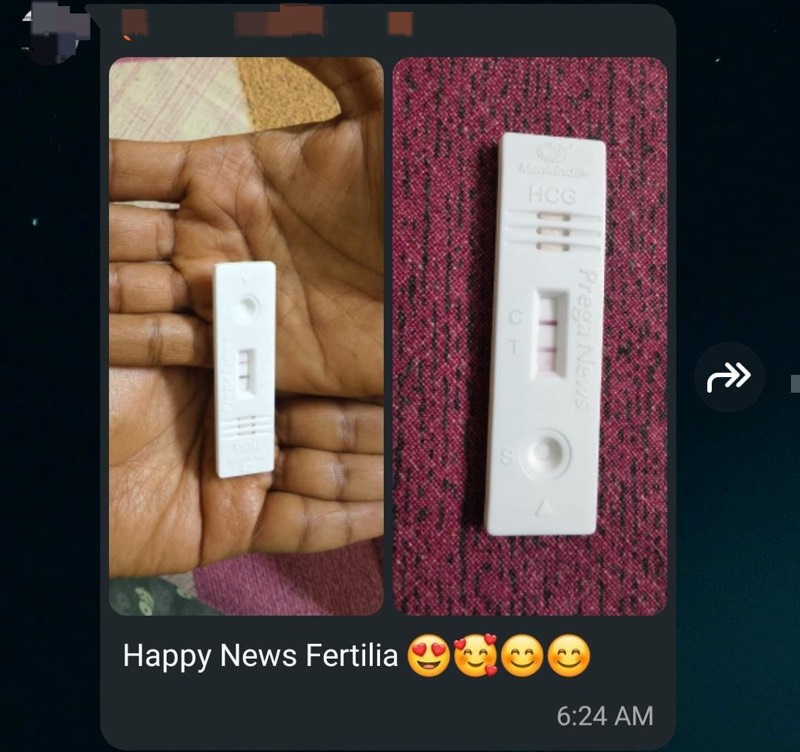
Natural conception. No fertility medication. No IVF. AMH 0.62.
This report covers the positive pregnancy test and health changes during the program. It does not report a confirmed birth outcome.
The Outcome
By the end of the 90-day program:
| Metric | Before | After |
|---|---|---|
| Deepa’s weight | 95 kg | ~87 kg (−8 kg) |
| Arjun’s weight | 79 kg | ~69 kg (−10 kg) |
| Arjun’s cholesterol | 264 mg/dL | 211 mg/dL |
| Deepa’s daily steps | Minimal | 10,000+ |
| Sleep | 4–6 hours | 7–8 hours |
| Pregnancy | Trying for months, multiple failed cycles | Conceived naturally |
In Deepa’s own words:
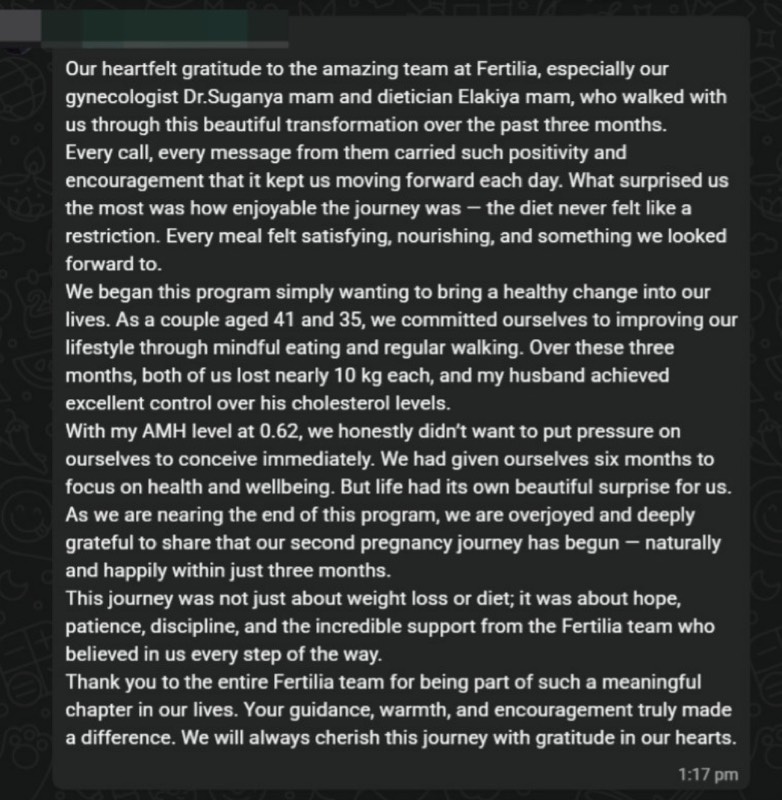
“Every meal felt satisfying, nourishing, and something we looked forward to.”
In her longer message, Deepa described the meals as enjoyable, thanked the team and shared news of the pregnancy. She described their weight loss as nearly 10 kg each; the figures shown above are approximately 8 kg for her and 10 kg for Arjun.
The two reports, side by side: AMH 0.62 and the positive pregnancy test:
What This Case Study Teaches Us
1. AMH is not a fertility sentence
AMH helps estimate ovarian reserve and expected response to ovarian stimulation. It does not directly measure egg quality or determine an individual’s chance of natural conception, as ASRM’s 2020 committee opinion explains. No repeat AMH or egg-quality measurement is presented in this case, so it cannot show that lifestyle work increased either.
2. The plan needed to fit her daily life
Deepa had been restricting calories and exercising sporadically. The practical changes were a meal plan she could follow and movement she could sustain.
3. Male health matters, a lot
Arjun’s cholesterol needed attention for his own health. In a prospective study of couples trying to conceive, higher serum free cholesterol was associated with longer time to pregnancy; the male association appeared in the couple-based analysis (Schisterman et al., 2014, J Clin Endocrinol Metab, PMID 24846535). Free cholesterol is not the same measurement as total cholesterol on Arjun’s routine lipid panel. The study did not test cholesterol-lowering treatment.
4. Sustainability beats intensity
We didn’t put Deepa on a 1,200-calorie diet or a HIIT program. We started with 2,000 steps. We gave her meal plates she could actually cook. We worked with her schedule, not against it. She was able to stay with those changes.
5. They focused on health and wellbeing
Deepa’s message describes the couple’s focus on health and wellbeing rather than a monthly conception deadline. Their pregnancy does not mean another woman needs to ‘relax more’ to conceive.
If Your AMH Is Low, Here’s Where to Start This Week
This is not a treatment plan and it does not replace seeing a doctor. It is a sensible first week.
- Bring existing reports and treatment records. Ask your clinician to interpret AMH alongside age, cycle history and previous treatment response. Do not order a blanket hormone or metabolic panel on your own.
- Ask what has already been assessed. Fertility assessment considers ovulation, the uterus and fallopian tubes, and the partner’s semen analysis. Your clinician can identify what is missing rather than repeat everything.
- Choose a manageable wellbeing change. Plan meals around familiar foods, make room for rest, and discuss suitable activity. None is a substitute for fertility treatment when it is indicated.
- Involve your partner. Bring his existing reports too. A cholesterol result cannot replace a semen analysis.
- Agree the next medical review now. At 35 or older, evaluation is recommended after six months of trying, or sooner when a known concern exists (ASRM’s 2021 fertility-evaluation committee opinion). If you have already had unsuccessful treatment, discuss next steps now rather than starting another unsupervised waiting period. Any lifestyle work should run alongside that plan.
Ask for earlier assessment if periods become irregular or stop, or if there is bleeding between periods. The same ASRM guidance recommends evaluation without delay for these symptoms. The couple’s decision to focus on wellbeing for six months was their own, not a recommended waiting period for readers.
💜 Is Your AMH Low? Let’s Talk.
Every woman’s situation is different, and low AMH doesn’t automatically mean IVF is your only path. A ₹399 video consultation with Dr. Suganya (online, pan-India) reviews your history and existing reports, alongside nutrition and lifestyle, to discuss a realistic next step. Where it’s a fit, that plan runs through Dr. Suganya’s 90-day Fertility program, built around your body and your schedule.
Frequently Asked Questions
Can you conceive naturally with AMH below 1?
Yes, it can happen, but AMH alone cannot predict your chance. In Steiner and colleagues’ study, women with AMH below 0.7 ng/mL did not have a significantly different probability of conception from those with normal levels (2017, JAMA, PMID 29049585). The participants were aged 30 to 44, had no history of infertility, and had been trying for three months or less at enrolment. That population differs from someone with repeated unsuccessful treatment; its results should not be used to promise her the same chances.
How long does it take for lifestyle changes to improve fertility?
There is no guaranteed time to pregnancy from lifestyle changes. Ninety days was the duration of this program, not a biological deadline for improving egg quality. Agree an individual review date with your fertility clinician and continue any recommended treatment rather than waiting for a lifestyle plan to produce a pregnancy.
Does weight loss improve fertility?
It depends on the clinical situation. Clark and colleagues’ 1998 prospective study reported improvements in ovulation and pregnancy after a lifestyle program in women with obesity and infertility, but compared completers with non-completers rather than randomising treatment (PMID 9688382, Human Reproduction).
ASRM’s 2021 obesity-and-reproduction committee opinion distinguishes improved ovulation and unassisted conception in women who are not ovulating from live-birth outcomes after treatment: weight-loss interventions have not been shown to improve the latter. Deepa’s weight change cannot establish that weight loss caused her pregnancy or justify delaying someone else’s fertility care.
Can male cholesterol affect conception?
Schisterman’s 2014 LIFE study found an association between serum free cholesterol and time to pregnancy, not proof that lowering routine total cholesterol improves conception (PMID 24846535, J Clin Endocrinol Metab). It did not measure the semen oxidative-stress or motility outcomes sometimes attributed to it. Arjun’s total cholesterol fell, but this case cannot establish a fertility effect.
Should I skip IVF and try lifestyle changes first?
This depends entirely on your individual situation, your age, AMH, partner’s fertility, how long you’ve been trying, and other medical factors. Lifestyle optimisation is not an alternative to medical treatment when medical treatment is genuinely needed. It’s about ensuring your body is in the best possible condition, whether you’re trying naturally or going through IVF. A personalised assessment can help you decide the right approach for your situation.
How is Fertilia’s program different from just dieting and exercising?
It’s doctor-supervised, personalised to your specific hormonal and metabolic picture, and designed for sustainability. The nutrition guidance accounts for your cultural food preferences, your schedule, and your body’s specific needs. You’re supported by a team (gynaecologist, nutritionist, and wellness coach) not left to figure it out alone.
This is the first in a series of patient case studies from our clinic. Every story is real, verified, and shared with the patient’s explicit consent. Names and identifying details are changed to protect privacy.
Dr. Suganya Venkat is an OB-GYN with 15+ years of experience. She holds an MBBS (SRMC, 5 Gold Medals), MD in Pathology (CMC Vellore), and DNB in OB-GYN (GKNM Hospital, Coimbatore).