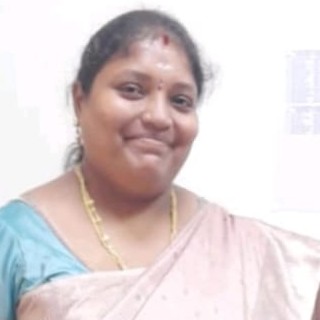
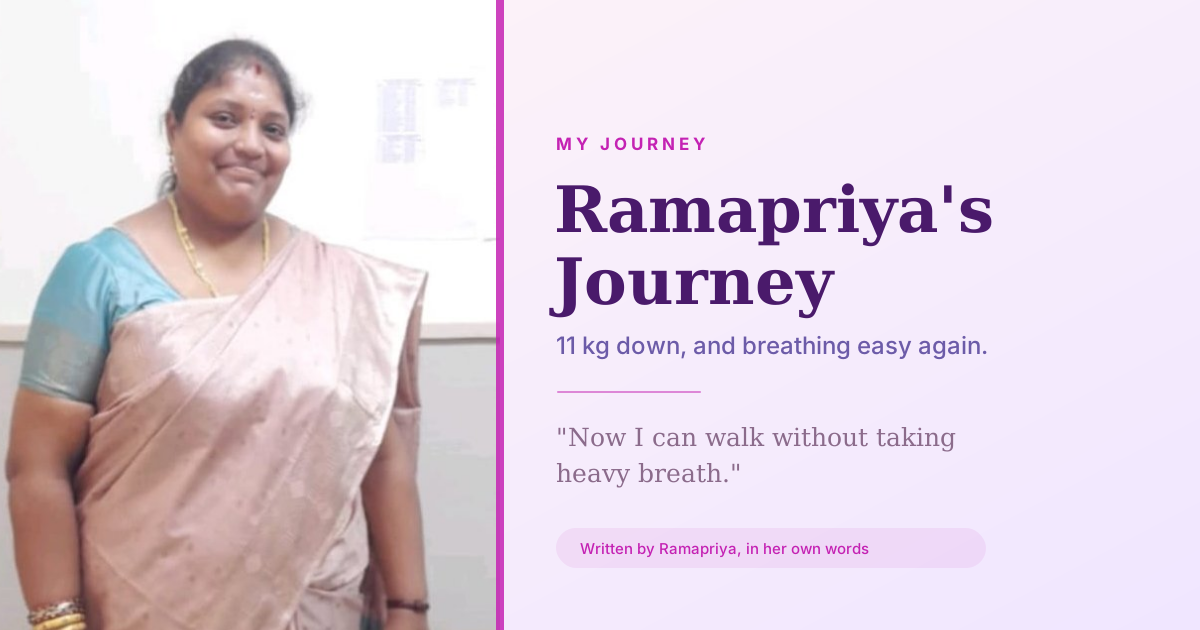
This story was written based on Ramapriya’s own words. She has chosen to share her real name and her photos, and this story is published with her full consent. We are grateful she wanted other women to see it.
A note from Fertilia: What follows is a patient’s story in her own voice. We have not edited it for clinical framing or added medical commentary. This is how Ramapriya experienced her journey, from start to finish.
My name is Ramapriya. I am 35 years old, I work as a data entry professional, and I live in a joint family with my husband, who works as a driver, and our ten year old son.
For most people, my life would look very ordinary. My days move between home cooked meals, office timings, household responsibilities, and caring for my family. My mornings begin early. Before I leave for work, breakfast has to be ready, my son’s lunch has to be packed, and food has to be arranged for everyone at home. Somewhere in between, I pack my own breakfast and lunch, get ready, and rush to reach office before my 9 AM punch in.
Even before all of this, health was never very easy for me.
Health Was Never Easy for Me
I come from a family with a strong history of obesity and metabolic concerns. On top of that, I had undergone knee surgery with implants, which sometimes made movement difficult, and I had been dealing with wheezing for a long time.
My weight changed gradually over the years. At the time of my marriage I weighed around 77 kg. By the beginning of my pregnancy I was around 82 kg, and after delivery it went up to nearly 90 kg. Life after that was not easy. My second conception journey came with deep loss. I went through two pregnancy losses, including one late loss at around seven months. It affected me in ways that are hard to put into words.
Between surgeries, health setbacks, emotional stress, and responsibilities that never seemed to stop, my own health slowly slipped out of my hands. My weight crossed into triple digits. I got tired more easily. Breathlessness became common during ordinary activities. Even climbing stairs would leave me uncomfortable.
And whenever people looked at me, advice was never far away. “Just eat less.” “Control rice.” “Go for a walk.” Simple things to say. But my life rarely felt that simple. The food cooked at home was the food I ate too. There was no separate cooking for me. After a full day of work, making different meals just for myself never felt realistic. The truth is, I never ignored my health. It simply kept adjusting around my responsibilities.
For more on this, read our guide on Birth Control Injection & Implant in India.
The Night My Breathing Scared Me
Over time, my weight reached nearly 115 kg. But one day, it was not the weighing scale that truly scared me. It was my breathing.
I had lived with wheezing for years, always adjusting and pushing through. But slowly the nights became difficult. The moment I lay down, I would start coughing and struggle to breathe comfortably. Peaceful sleep disappeared. And when nights become difficult, mornings become difficult too. I would wake up exhausted before the day had even begun, yet everything still had to be done.
Then I fell very sick and had to see a pulmonologist. My lung capacity was checked, and the message was clear and kind: my weight was adding to my breathing difficulties, and losing weight would help. That consultation became the turning point in my journey. That is when I decided to join Fertilia.
Why I Joined, Even With Doubts
Honestly, even while joining I had many doubts. Like many people, I had explored different products and weight loss solutions before, and most of the time my journey stopped at the enquiry stage, often because of cost. When you plan around your household and your child’s needs, spending on yourself does not come easily. I was also no longer looking for a quick fix. I needed something practical, something that could fit into my real life.
What stood out from the very first consultation with Dr. Suganya was how different it felt. The focus was not only on my weight. She was warm and easy to talk to, and at the same time the consultation was thorough. My old and current reports were reviewed carefully. My wheezing, my family history, my previous surgeries, my work schedule, and my daily routine were all discussed. For the first time in a long while, I felt that someone was looking at my whole health, not just the number on the scale. The goals we set felt realistic, and that gave me real hope.
Food That Fit My Real Life
Then came the nutrition consultation with Manisha, and this was where I had the most worry. There was no one at home to cook separately for me. Whatever I followed had to fit into the food already being cooked for my family.
Instead of handing me a strict chart, the first step was simply understanding my routine. What did my mornings look like? What was usually cooked at home? What could I carry to work? When my food was analysed, one thing was clear: like many families, our meals were mostly carbohydrate based, and my protein and fibre were much lower than my body needed.
Nobody asked me to stop eating familiar foods or to cook separately. The focus was on making my regular home food work better. Portions were balanced differently. Protein and fibre were added in ways that felt familiar. I learned to plan one set of food that worked for both my breakfast and lunch box, and simply adjust the portions. That one small change made the whole plan possible to sustain.
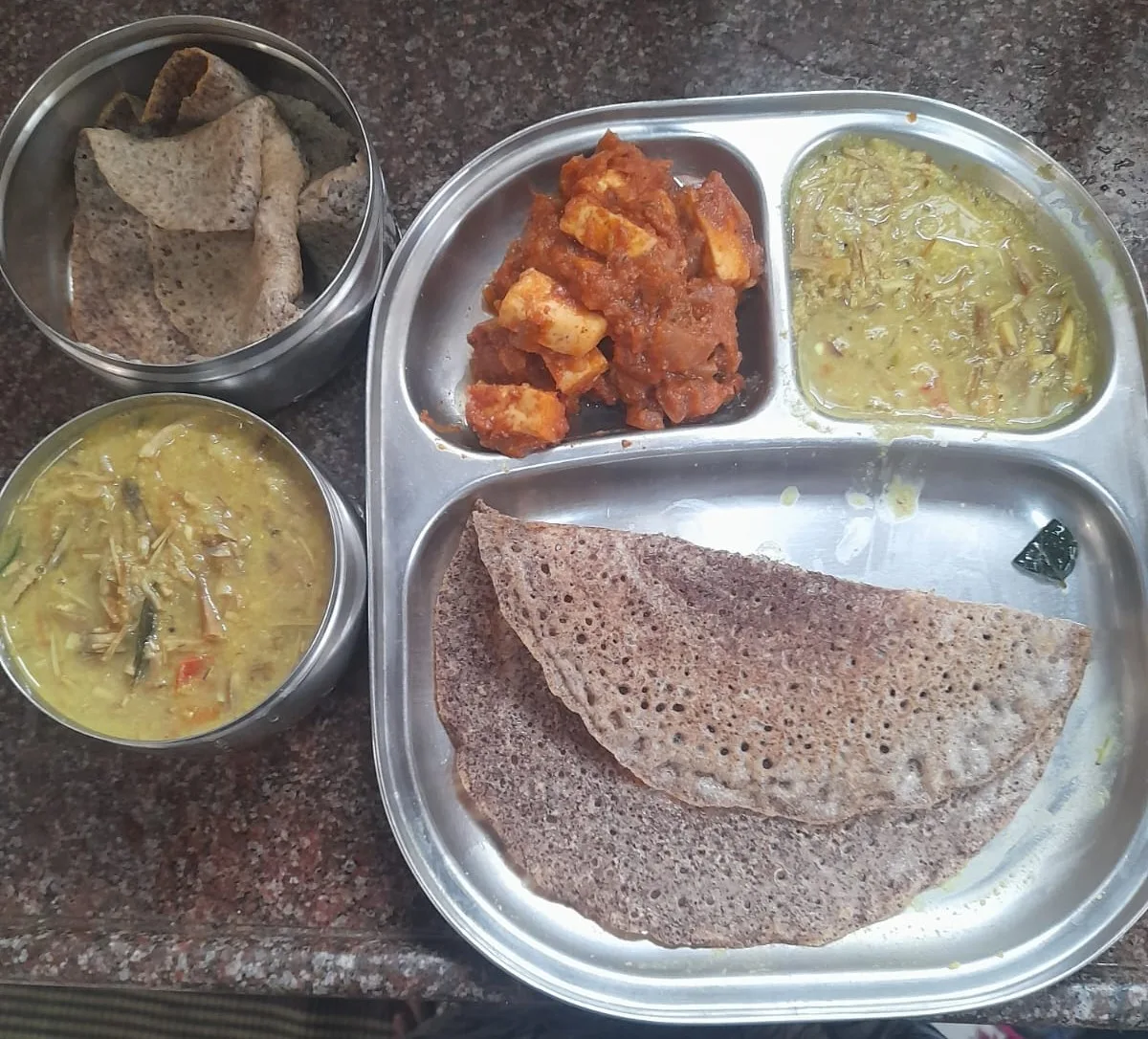
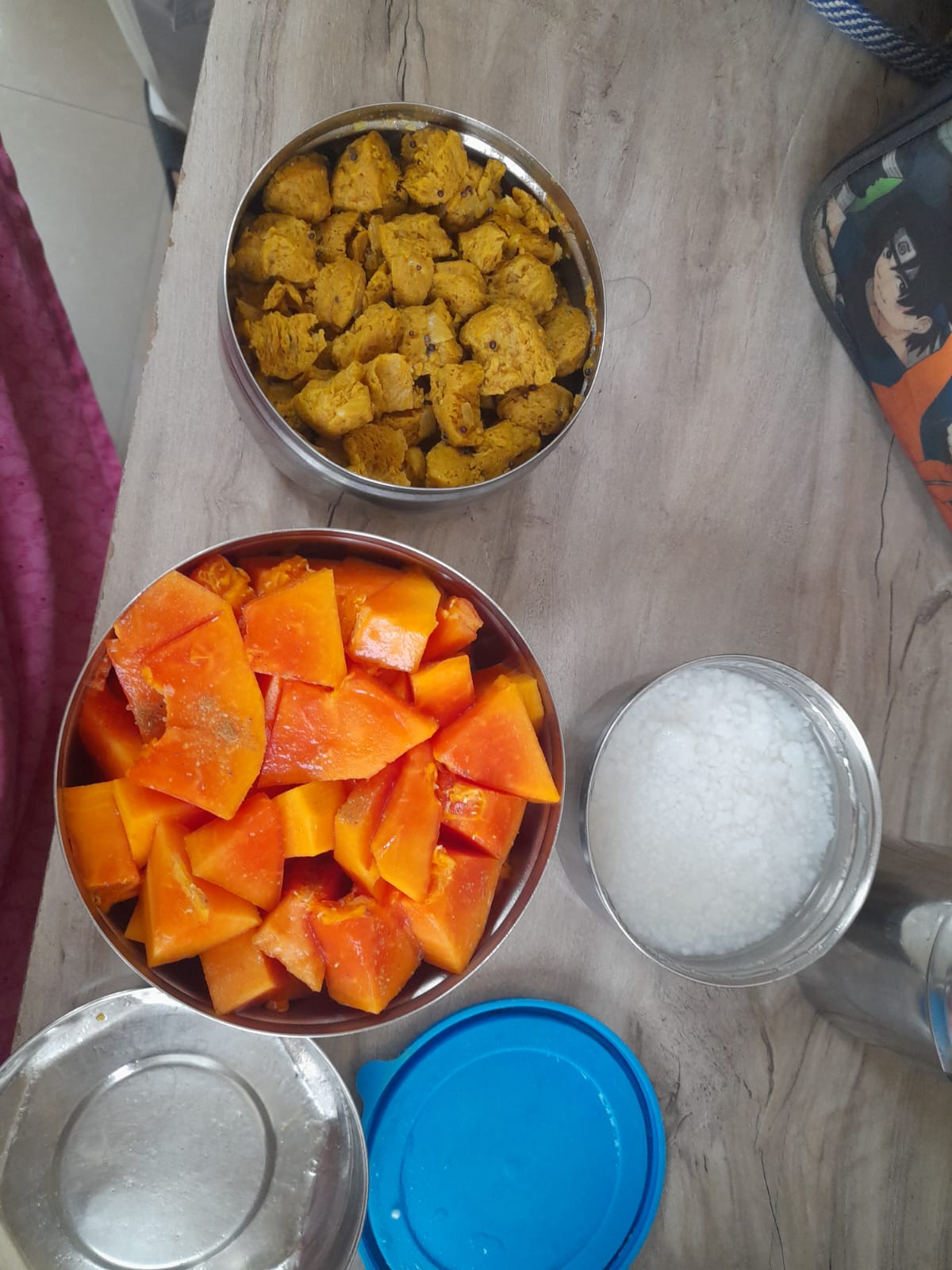
To stay accountable, I started sharing photos of my meal boxes every day. At first it felt like one more thing to remember. Over time it just became part of my routine, and I felt reassured knowing someone was guiding me.
Movement My Body Could Handle
The part I feared most was physical activity. With my knee implants, my wheezing, and my low stamina, the thought of intense workouts was frightening. But that was never the plan. My activity was designed around what my body could safely handle. It was about moving gradually, not pushing to extremes.
I began with something simple: walking. At first even that left me breathless, so the goal was only to move a little more than before. Little by little, I worked towards 5,000 steps a day.
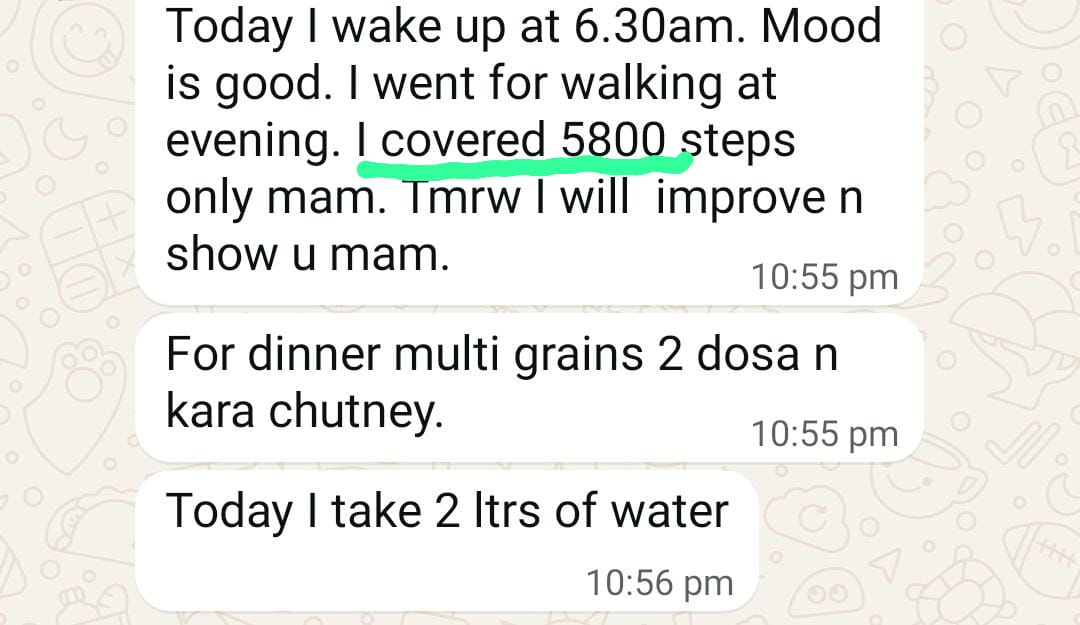
For many people 5,000 steps may seem small. For me, after years of breathlessness, it felt like a real achievement.
Does This Sound Like Your Life Too?
If you have been putting your own health last while taking care of everyone else, you are not alone. Dr. Suganya and her team build plans around your real routine, your body, and your health conditions.
The First Week, and the First Spark of Hope
Within the very first week, I noticed my weight had reduced by around 3 kg. I understood some of it could be water as my body adjusted, but seeing that change felt encouraging.
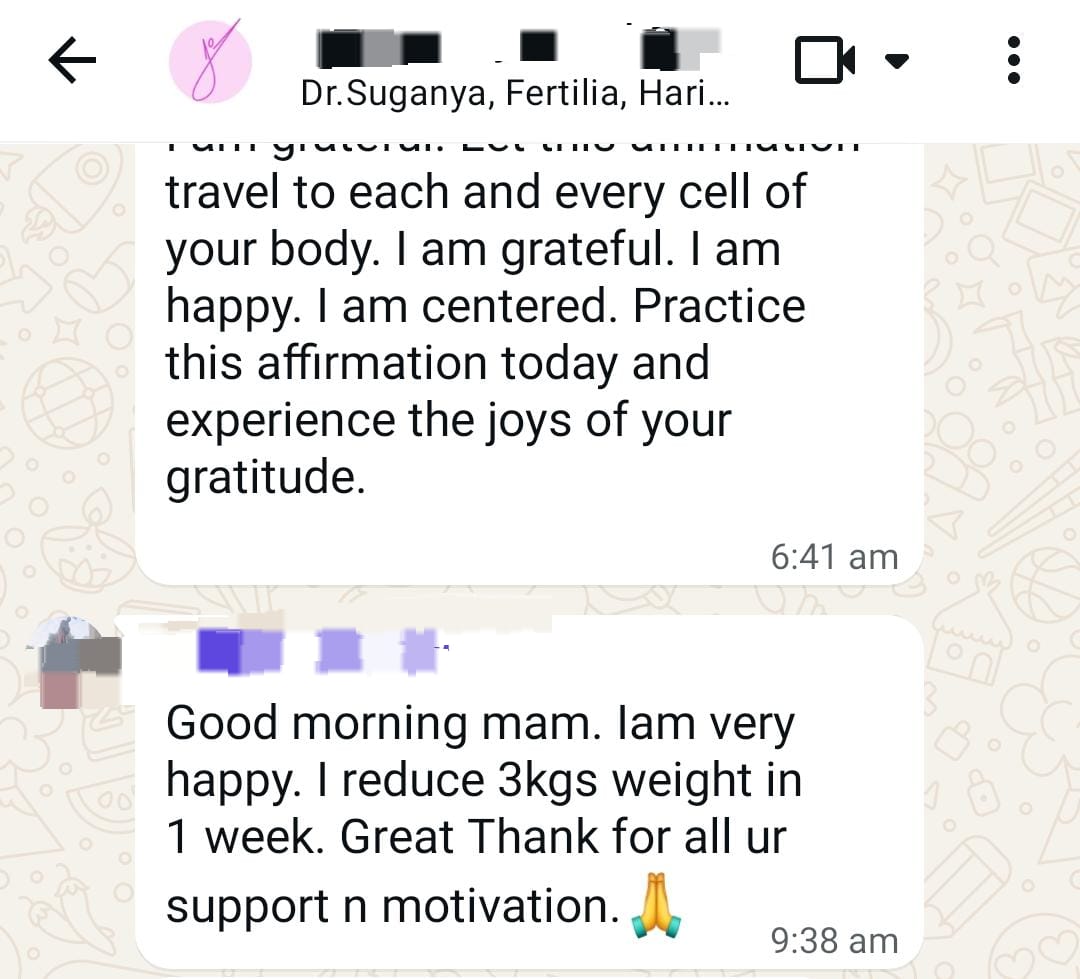
For the first time in a long time, I felt hopeful. It was proof that my effort was moving me in the right direction, and that belief became one of the biggest reasons I kept showing up for myself every day.
Building Up, With My Family Beside Me
As the weeks passed, what had felt difficult slowly became manageable. I gradually worked my way from 5,000 steps towards nearly 10,000 a day, depending on what my body could comfortably do. I was not trying to be perfect. I was simply trying to do a little better than before.
One of the biggest reasons I could stay consistent was my family. My husband helped with the weekly grocery shopping based on the plan, which kept me prepared and organised. My son supported me in his own special way. Instead of seeing movement as exercise, we would play throwball together, and that playtime became one of my favourite ways to stay active.
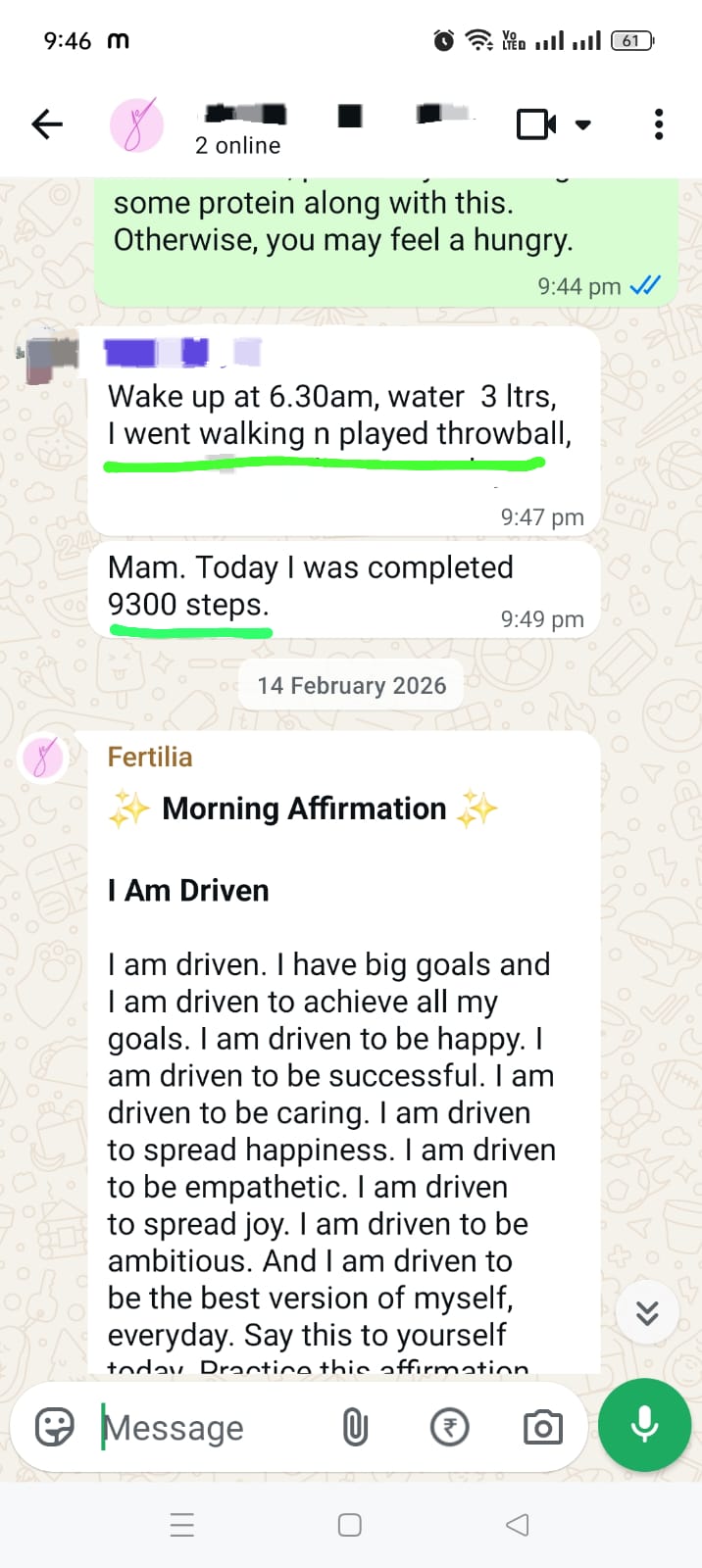
Of course, not every day went to plan. There were tired days, hectic work days, and days when my workout simply did not happen. Earlier I would have seen those as failures. But slowly I learned something important: doing something is always better than doing nothing. Even a short walk counted. Instead of waiting for the perfect day to restart, I learned to make the best of the day I had.
One Month In
By the end of the first month, I had lost around 5 kg and reached 110 kg. Every milestone felt exciting, because it reminded me that my efforts were adding up.
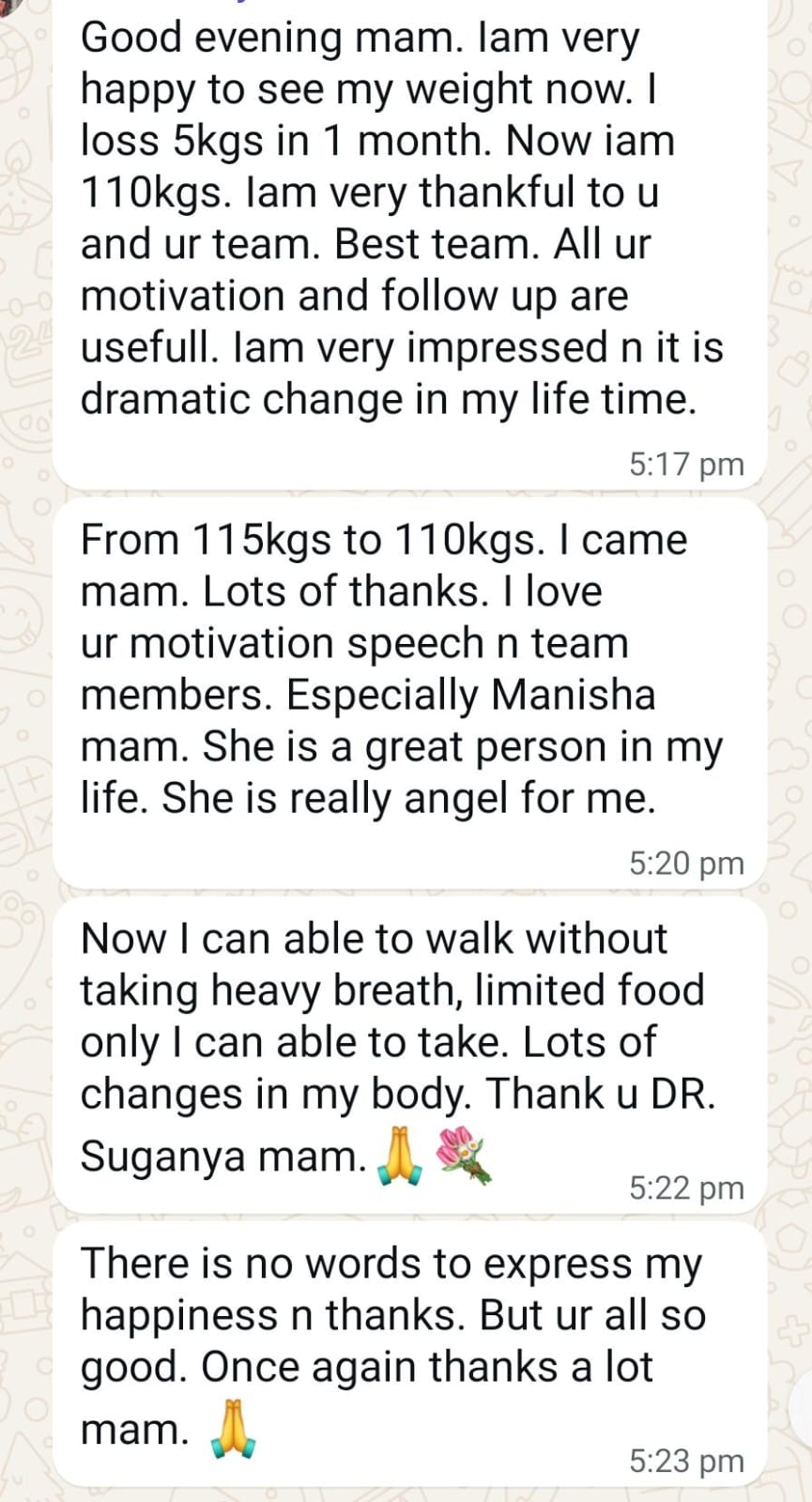
For years my health had felt like something slowly slipping away from me. Now, for the first time, it felt like I was taking it back, one step, one meal, and one day at a time.
There was a point when my old knee pain returned and I was advised to rest. A few months earlier this might have completely discouraged me. But by now I had learned that a setback does not mean starting over. I took the rest I needed, allowed my body to recover, and returned to my routine when I felt stronger. This time, the break did not turn into quitting.
The Changes That Were Not on the Scale
As I continued, I started noticing changes that had nothing to do with the weighing scale.
For years I had a darkening around my neck that I had simply gotten used to. Gradually, I noticed it becoming lighter. It was not dramatic, but little by little I could see the difference. For someone who had quietly felt conscious about it for years, that small change felt deeply meaningful. I later understood that this darkening, called acanthosis nigricans, is often a sign of how the body is handling insulin, which is why it began to fade as my health improved. If you have noticed something similar, our doctor explains it gently in this guide on the dark patches on your neck and what they mean.
But perhaps the happiest moment came from something very simple: a necklace. It was a chain I had always loved, but as my weight increased it had stopped sitting comfortably, and without really talking about it, I had quietly stopped wearing it. One day, almost casually, I tried it on again. And this time, it fit. To anyone else it might seem like a small thing. To me it felt much bigger. It was proof that the effort was showing up in the little parts of my life I had stopped noticing.
Where I Am Today
Today I have moved from 115 kg to 104 kg, nearly 11 kg in three months. I know I have not reached my ideal weight yet, but when I look back, the biggest achievement was never just the number.
The constant tiredness I had accepted as normal slowly reduced. My wheezing improved. The breathlessness that once made simple activities hard became much better. I sleep more comfortably, wake up more refreshed, and movement no longer feels as exhausting as it once did.
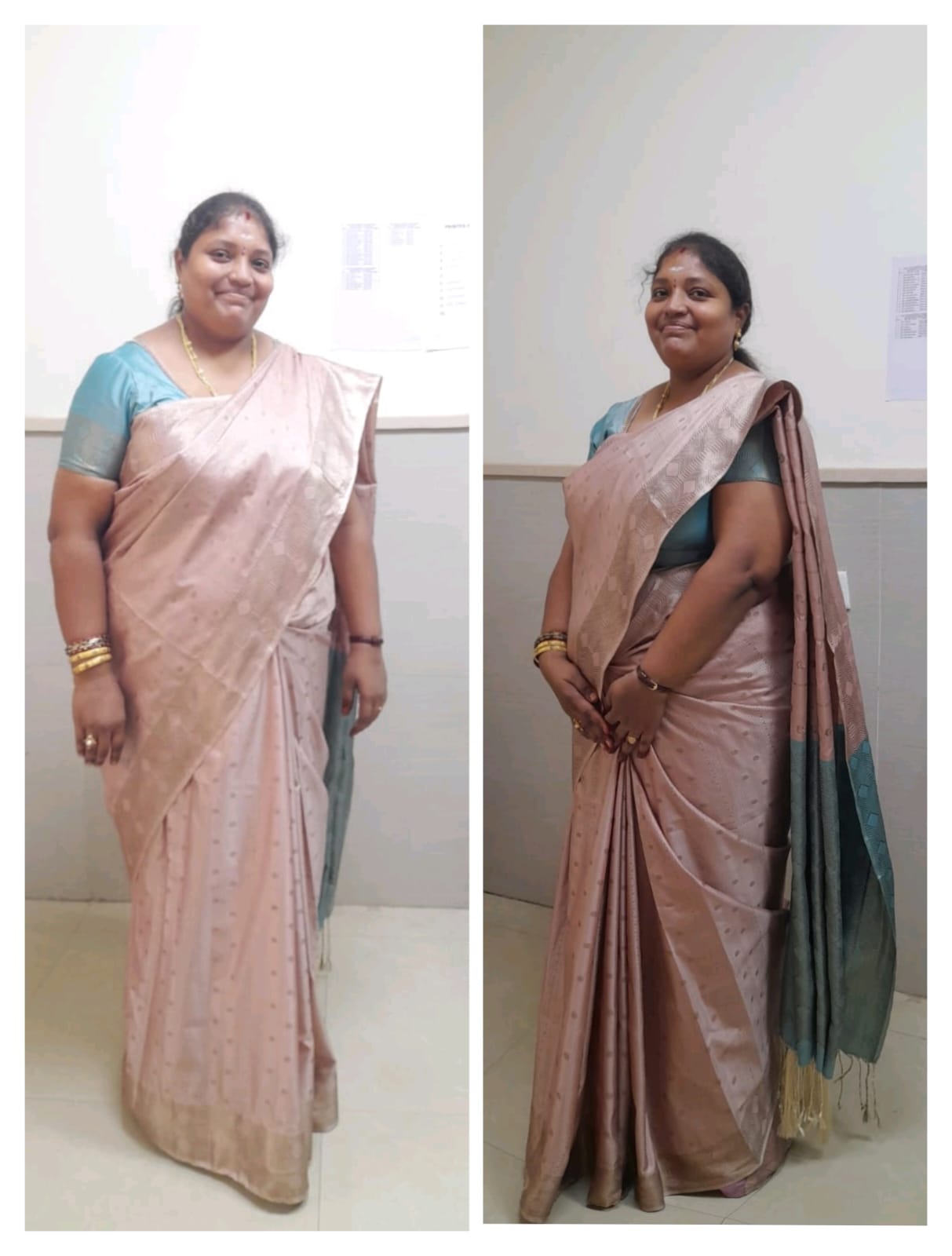
One of the most unexpected changes was the way my family started seeing my journey. As they watched me follow my routine, plan my meals, and keep going despite challenges, they understood that I was genuinely trying. Their encouragement grew stronger, and that meant the world to me.
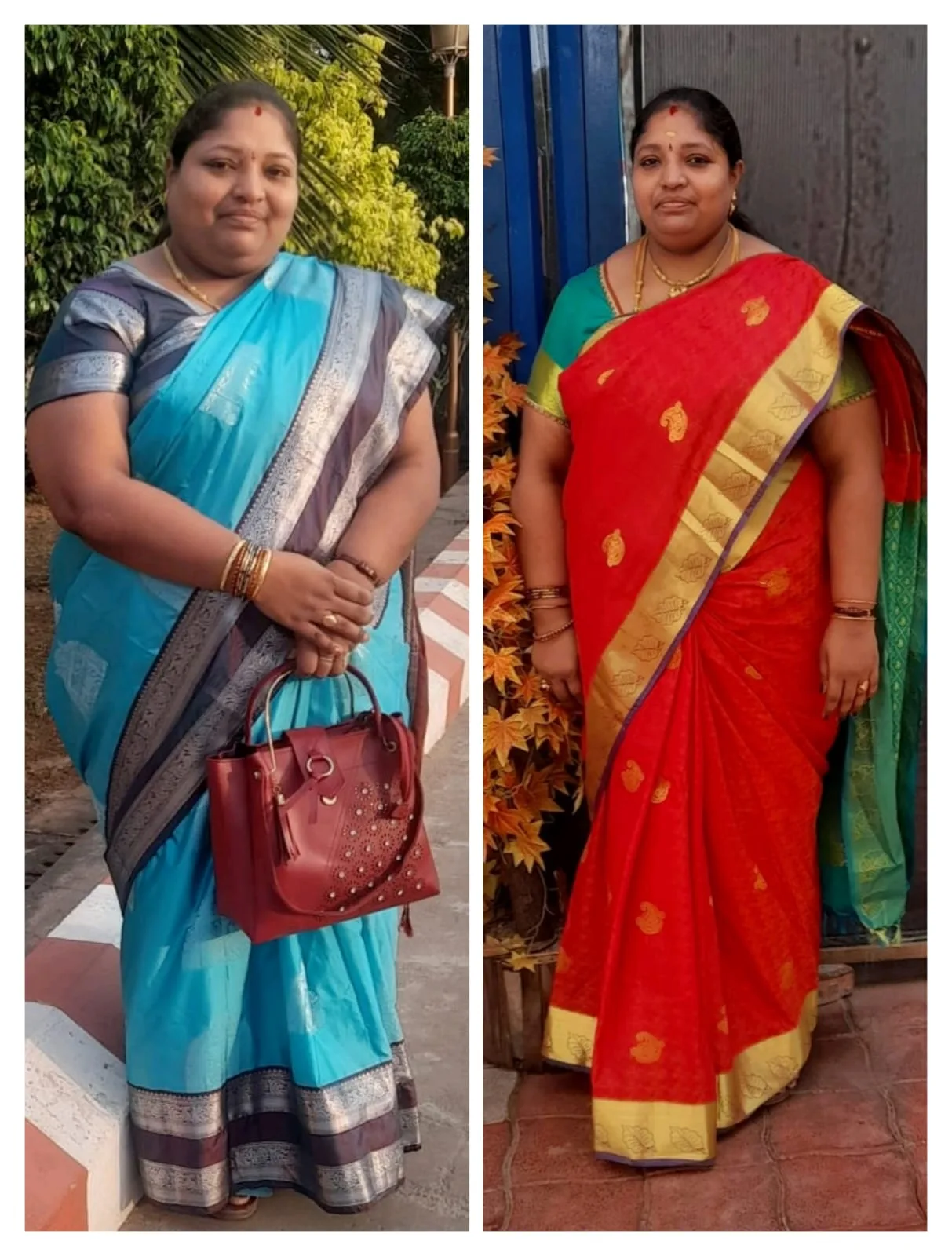
What makes me happiest is that I did not get here by starving, following extreme diets, eating expensive foods, or changing my whole life overnight. The changes were practical and they fit into my routine, my family life, and my responsibilities. For more on this kind of steady approach, Fertilia’s doctor has written about what actually works for sustainable weight loss, and about the insulin resistance that often sits behind weight that will not move.
To Every Woman Reading This
To all the women who are constantly taking care of their families, managing homes, balancing work, and putting everyone else first, I want to say something from my heart.
Please do not keep postponing yourself.
For years I kept telling myself I would focus on my health later, after work got less stressful, after responsibilities reduced, after life became easier. But that “later” never really came. What I learned is that there is rarely a perfect time to start taking care of ourselves. Taking care of yourself does not begin when life becomes easier. Sometimes it begins when you decide that you matter too.
Prioritising yourself is not selfish. When we take care of our health, we are not taking anything away from the people we love. We are giving them a healthier, stronger version of ourselves.
If I could do it, with all my responsibilities, setbacks, and health challenges, then maybe this is your reminder that you can start too. Not tomorrow. Not when life becomes easier. But today. Because you matter too.
Frequently Asked Questions
Can you really lose weight without cooking separate meals?
This was my biggest worry, and the answer turned out to be yes. I never cooked separately. The same food my family ate became my food too, just in better proportions, with more protein and fibre added in familiar ways. Planning one set of food that worked for both my breakfast and my lunch box, and adjusting only the portions, made the whole plan possible to keep up alongside work and home.
I have knee problems and low stamina. Can I still become active?
Yes. My activity was built around my knee implants, my wheezing, and my comfort, not around someone else’s idea of a workout. I started with simple walking and only aimed to move a little more than the day before. I built up slowly from 5,000 steps towards nearly 10,000 over time, and rested when my body needed it. Starting where you are, safely, matters far more than starting big.
Does losing weight actually help breathing and wheezing?
In my experience, yes. My breathlessness and wheezing were part of why my pulmonologist advised weight loss in the first place. As my weight came down, I could walk without taking heavy breath, my nights became more restful, and my mornings felt less exhausting. Everyone is different, so your own doctor is the right person to guide you, but for me the change in my breathing was one of the most life changing parts.
Did the dark patch on your neck really fade?
Yes, slowly. For years I had a darkening around my neck that I had stopped noticing. As my health improved, it gradually became lighter. I later learned it is called acanthosis nigricans and is often linked to how the body handles insulin, which is why it can fade as things improve. Fertilia’s doctor explains it in detail in this guide on dark neck and insulin resistance.
How much weight did you lose, and how fast?
I went from 115 kg to 104 kg, around 11 kg, over about three months. The first week showed a quick drop of around 3 kg, some of which was likely water as my body adjusted, and then it settled into a steadier pace of roughly a kilo or so a week. I have not reached my final goal yet, and that is okay. The steady, sustainable pace is what made it something I could actually continue.
Do you need a gym or expensive diet foods to do this?
No. I did not join a gym, buy special powders, or eat expensive foods. My movement was walking and playing throwball with my son at home. My food was the regular home cooking, balanced better. That is exactly why it worked for my life and my budget, and why I have been able to keep going.
Your Health Deserves a Place in Your Life Too
If Ramapriya’s story feels familiar, and you have been putting your own health last, you do not have to figure it out alone. Dr. Suganya and her team will understand your routine, your body, and your health conditions, and build a plan that fits your real life.
This story is part of Fertilia’s “My Journey” series, where patients share their experiences in their own words. Ramapriya chose to share her real name and photos, and her story is published with her explicit consent.
If you are a past Fertilia patient and would like to share your journey, reach out to us on WhatsApp. We would love to hear from you.