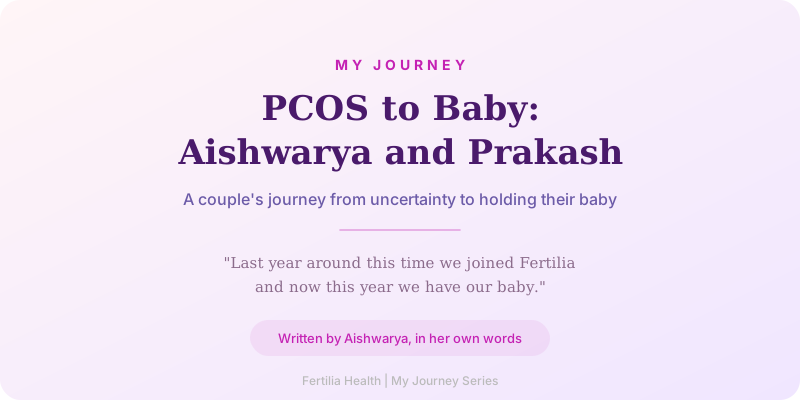
This story was written by Aishwarya in her own words. Names have been changed to protect privacy. Published with the couple’s consent.
A note from Fertilia: What follows is a patient’s story in her own voice. We have not edited it for clinical framing or added medical commentary. This is how Aishwarya experienced her journey, from start to finish. We are deeply grateful that she chose to share it.
Some journeys begin with hope, unfold with uncertainty, and slowly shape you into a stronger version of yourself.
I’m Aishwarya, and this is a small part of our journey, mine and my husband Prakash’s, towards becoming parents. Like many couples, after settling into married life, we reached a phase where starting a family felt natural and exciting. We began trying to conceive from the third year of our marriage, holding on to the simple belief that it would happen in its own time.
But as time passed, what we expected to be a natural journey slowly became more uncertain and emotionally demanding. By the time we reached out for guidance, I was 32 and Prakash was 37, carrying not just the years that had gone by, but also the quiet weight of waiting, hope, and unanswered questions.
The Initial Phase: Searching for Answers
In the beginning, we approached a few hospitals, where we were told that things were not completely normal and were guided through multiple consultations, mainly around PCOS. We were not clearly guided about what was truly necessary. Instead, there were repeated medications, ongoing visits, and a constant sense of not seeing results.
Over time, it started to feel overwhelming. The repeated cycles of trying, not seeing progress, and being told different things gradually created a sense of fear within us about what the future might look like.
At one point, it even began to feel like we were becoming a part of the process rather than being understood as individuals. Almost like we were being carried along by the situation without clarity or control. Instead of feeling supported, we often felt more anxious and disconnected from what we had originally hoped for.
And at some point, as human nature, we also felt the urge to just put a full stop to all the uncertainty and move towards a big decision like IUI immediately, something we were not mentally or emotionally ready for at that point.
That’s when we paused and reflected. We didn’t want to move forward out of fear. By this time, it had already been nearly two years since we had started exploring medical consultations. After this, we took a conscious pause and gave ourselves the time to reset both mentally and physically.
We wanted to understand what was happening in our bodies and address it from the root rather than constantly worrying about what might happen next. That shift in perspective led us to focus on ourselves, our health, our habits, and our overall well-being.
And that is when we decided to approach Fertilia.
When We Reached Fertilia
From the very beginning at Fertilia, the experience felt different. We had an initial consultation with Dr. Suganya, and what stood out to us immediately was how comfortable and heard we felt.
Instead of rushing or guiding us directly into treatments, she patiently took the time to understand us completely: our history, our lifestyle, and everything we had been through so far. There was no judgment, no pressure. Just a very calm, friendly space where we could openly share everything. She was also very clear and straightforward in her approach, gently guiding us on what truly needed attention, what could be improved, and what was not necessary at that stage.
Based on this, a few relevant investigations were suggested to gain clarity on the underlying physiological factors. The reports revealed the following:
Positive findings:
- Adequate ovarian reserve, with AMH levels within the satisfactory range
- Patent fallopian tubes, with no significant structural abnormalities
Areas requiring attention:
- Polycystic ovarian morphology, indicating disrupted ovulatory function
- Associated hormonal imbalance contributing to menstrual irregularities
These findings provided a clearer understanding of the underlying concerns and helped guide a more targeted and corrective approach moving forward.
With this clear understanding, a structured plan of action was designed for the next three months, focusing on addressing these concerns step by step from the root. What truly made a difference was that we were never made to feel like something was “wrong” with us. Instead, everything was explained in a reassuring way, focusing only on what could be improved and how we could work towards it.
The Plan: Nutrition, Movement, and Togetherness
We were then guided into a nutrition consultation, where we received a personalised plan tailored to our needs, preferences, and daily routine. It wasn’t about strict restrictions, but about small, practical modifications: adjusting our eating patterns, improving food choices, and building consistency in a way that felt sustainable.
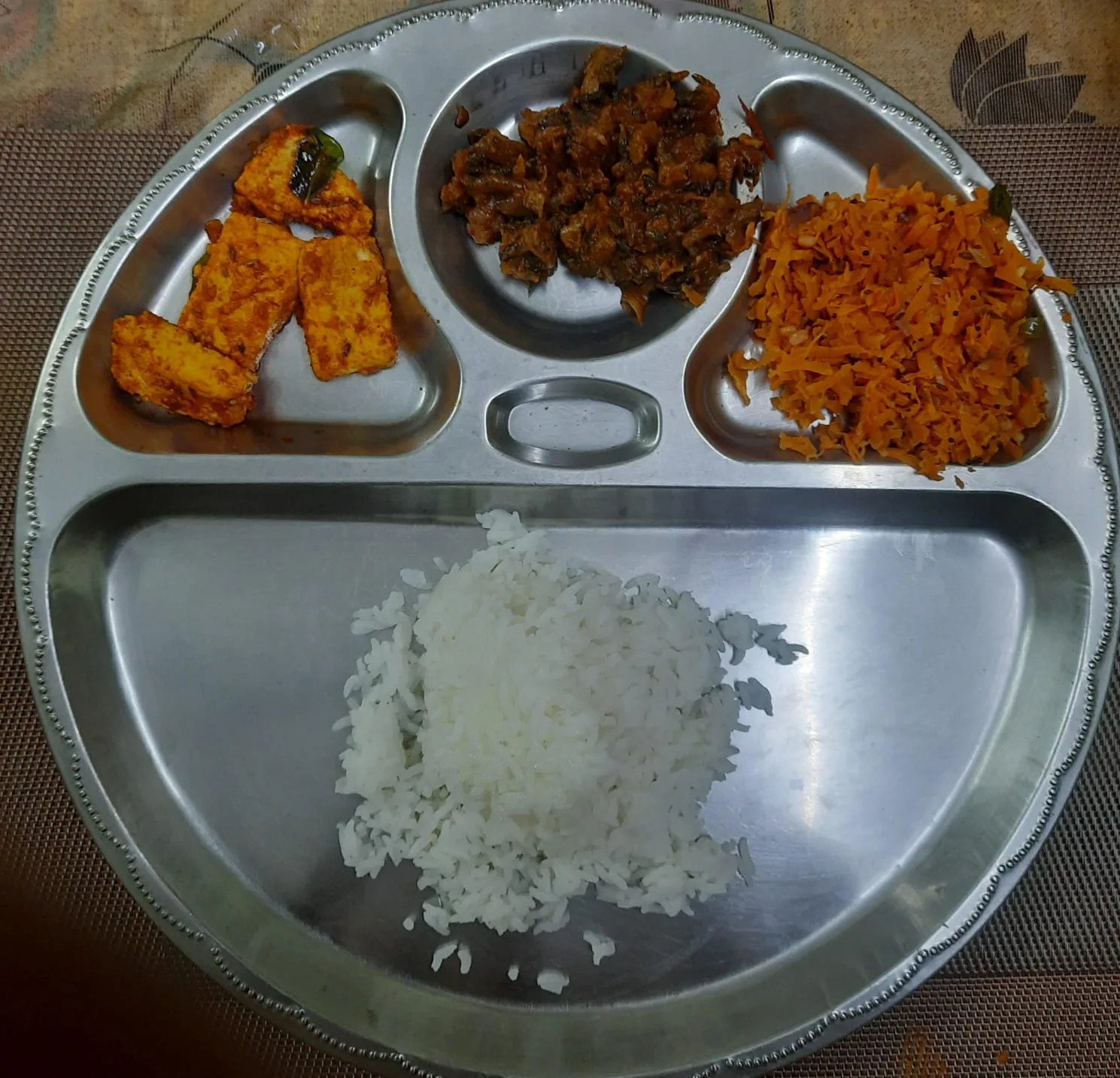
At the same time, my husband was also dealing with gastritis, which was causing significant discomfort: frequent belching, uneasiness, and irregular bowel movements. We had consulted multiple places earlier trying to manage it, but nothing seemed to bring consistent relief.
What truly stood out during this phase was that the focus was not just on me alone. It was a parallel approach for both of us. His concerns were equally understood and addressed, and the plan was thoughtfully curated for us as a couple. This made the entire process feel more complete, supportive, and aligned for both of us.
Along with this, physical activity also became an important part of our journey. We were guided with specific exercises suited to our condition and gradually started incorporating them into our routine.
Of course, it wasn’t always perfect. There were days when we couldn’t follow everything as planned, and phases where it felt difficult to stay consistent. But we tried to stay on track as much as possible, without putting too much pressure on ourselves.
Towards the end of the first month, we also had a wellness session, which helped us stay calm and handle stress better during this journey.
The Changes We Started Noticing
As we continued following the plan, we gradually started noticing changes. My periods were usually regular, but I often experienced discomforts like mood swings and pain, which used to affect my daily routine. In the very first month itself, I noticed that the entire cycle felt more comfortable, with these symptoms becoming much more manageable compared to earlier. That gave me a sense of relief.
At the same time, my husband’s symptoms began to settle. His discomfort reduced, and his body responded much better. This gave us even more confidence in the process we were following.
We continued with the same steady and consistent approach, without rushing anything. We were also guided to stay together during the fertile window, trusting the process and giving our bodies the time they needed.
And then, to our surprise, we saw those two lines.
Something we had been waiting for, for so long, yet never wanted to pressure ourselves into expecting. It was an incredibly emotional and happy moment for both of us, something that truly felt worth every step of this journey.
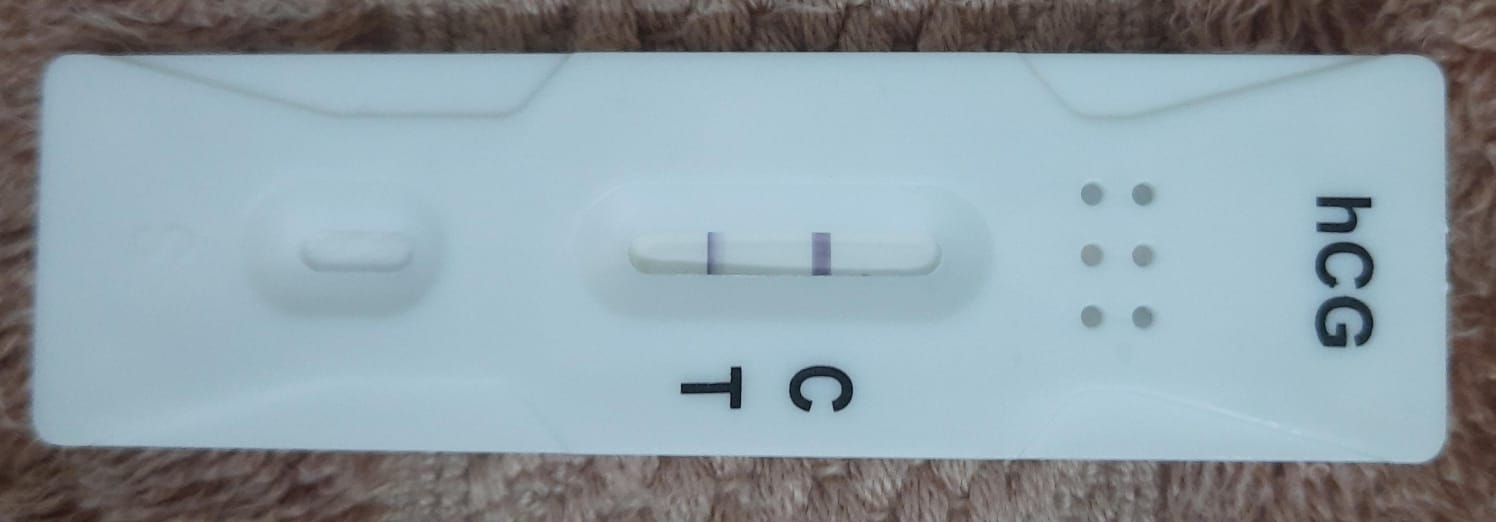
And like any couple in that moment, we could hardly believe it. Caught between a rush of fear and overwhelming happiness, emotions so deep and mixed that words could barely do them justice.
Are You in a Similar Situation?
If you’ve been trying to conceive and feel overwhelmed by the process, Dr. Suganya and her team can help you understand your unique situation.
Pregnancy: Guided Every Step of the Way
After the confirmation of pregnancy, we were continuously guided on the required scans, supplements, and overall care to be followed at each stage. There was also a pregnancy meal plan designed for all three trimesters, which was adjusted based on my needs as the journey progressed.
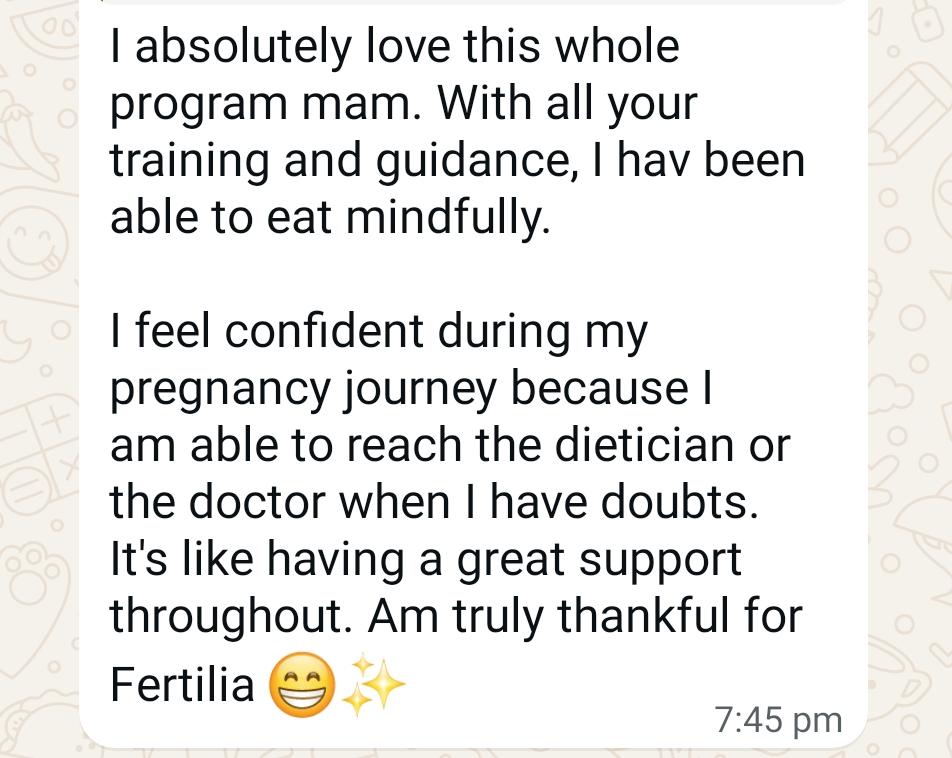
With this consistent and gradual guidance, my pregnancy felt very comfortable and peaceful. I had a normal and healthy weight gain, and I did not experience issues like acne, breakouts, or even hyperpigmentation around the neck. Even the mood swings, which I had struggled with earlier, felt much more balanced and under control.
I did have nausea during my first trimester, which was quite intense, but it became much more manageable in the second and third trimesters, with the diet being adjusted accordingly at my own pace.
As the pregnancy progressed, we went ahead with the recommended first trimester screening, including the double marker test. The reports were reassuring, with all parameters coming within the normal range, indicating a low-risk and healthy pregnancy.
Key markers such as NT thickness, presence of the nasal bone, and fetal heart activity were all within the normal range. Overall findings like fetal movements, placental position, and blood flow patterns were also normal, which gave us further reassurance that the pregnancy was progressing well.
We were also guided to start and end each day with a positive mindset.
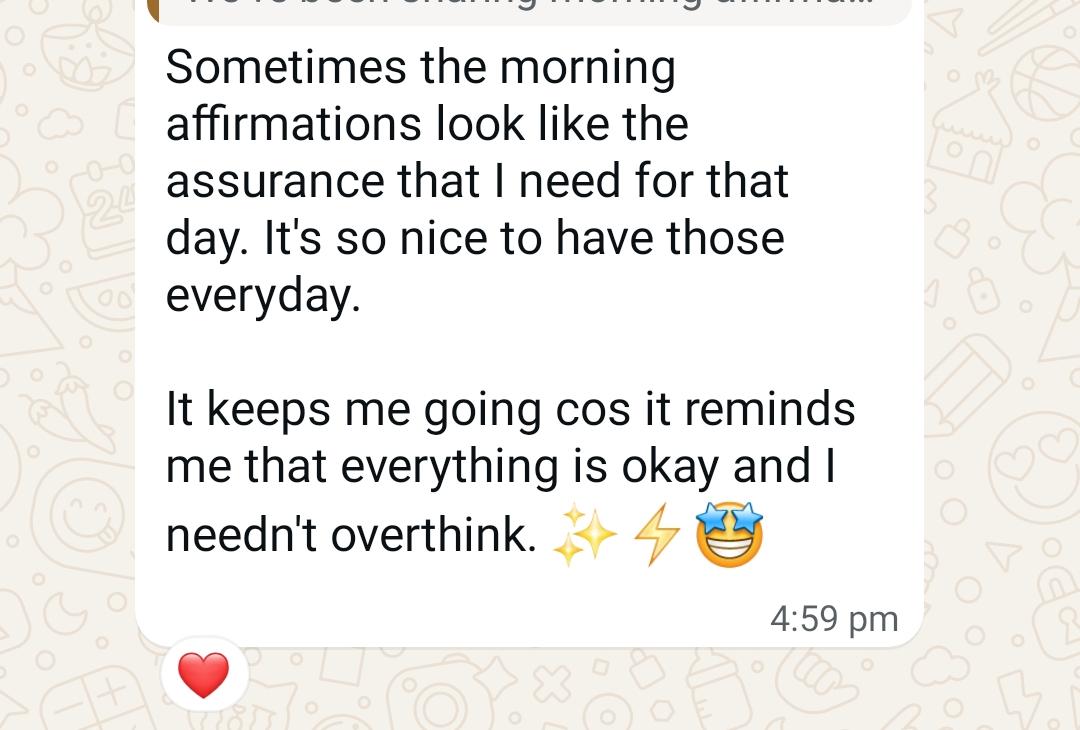
As a new pregnant mother, I naturally had many small doubts and questions about myself, the baby’s growth, and what to expect at each stage. The small pieces of information and tips shared regularly were very useful in helping me understand what to expect week by week, and these doubts were addressed then and there, which made me feel more at ease.
In addition, trimester-specific yoga sessions were conducted, and we were provided with a consolidated reference to revisit whenever needed.
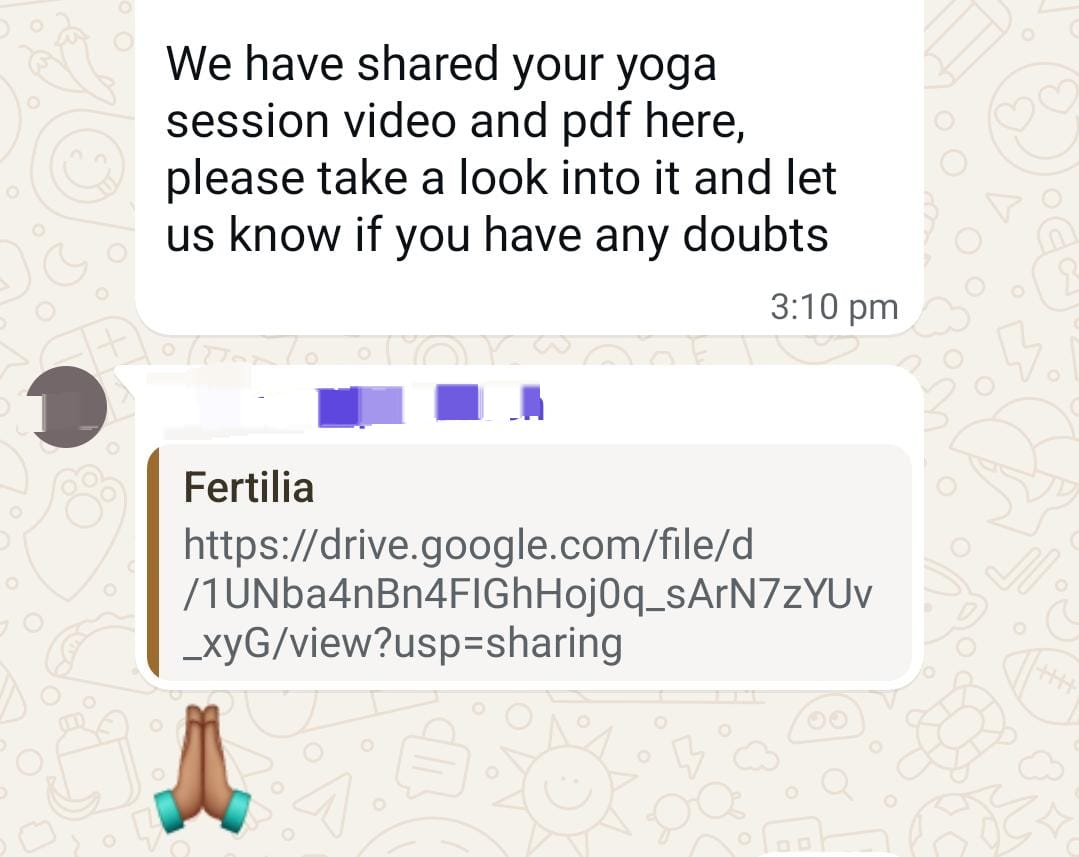
Every week, simple and practical guidance was recorded by Dr. Suganya, addressing common doubts that could arise during pregnancy in a warm and informative way, which kept us well-informed and reassured.
The Tough Moments
Towards the end of my third trimester, I experienced a slight increase in amniotic fluid levels. At that stage, I felt extremely worried and panicked, but I was guided calmly through this phase. Dr. Suganya reassured me in a very warm and comforting manner that it was manageable, while also gently reminding me to stay a bit cautious. Her approach helped ease my anxiety significantly. With a few dietary adjustments and continued monitoring, everything was handled smoothly.
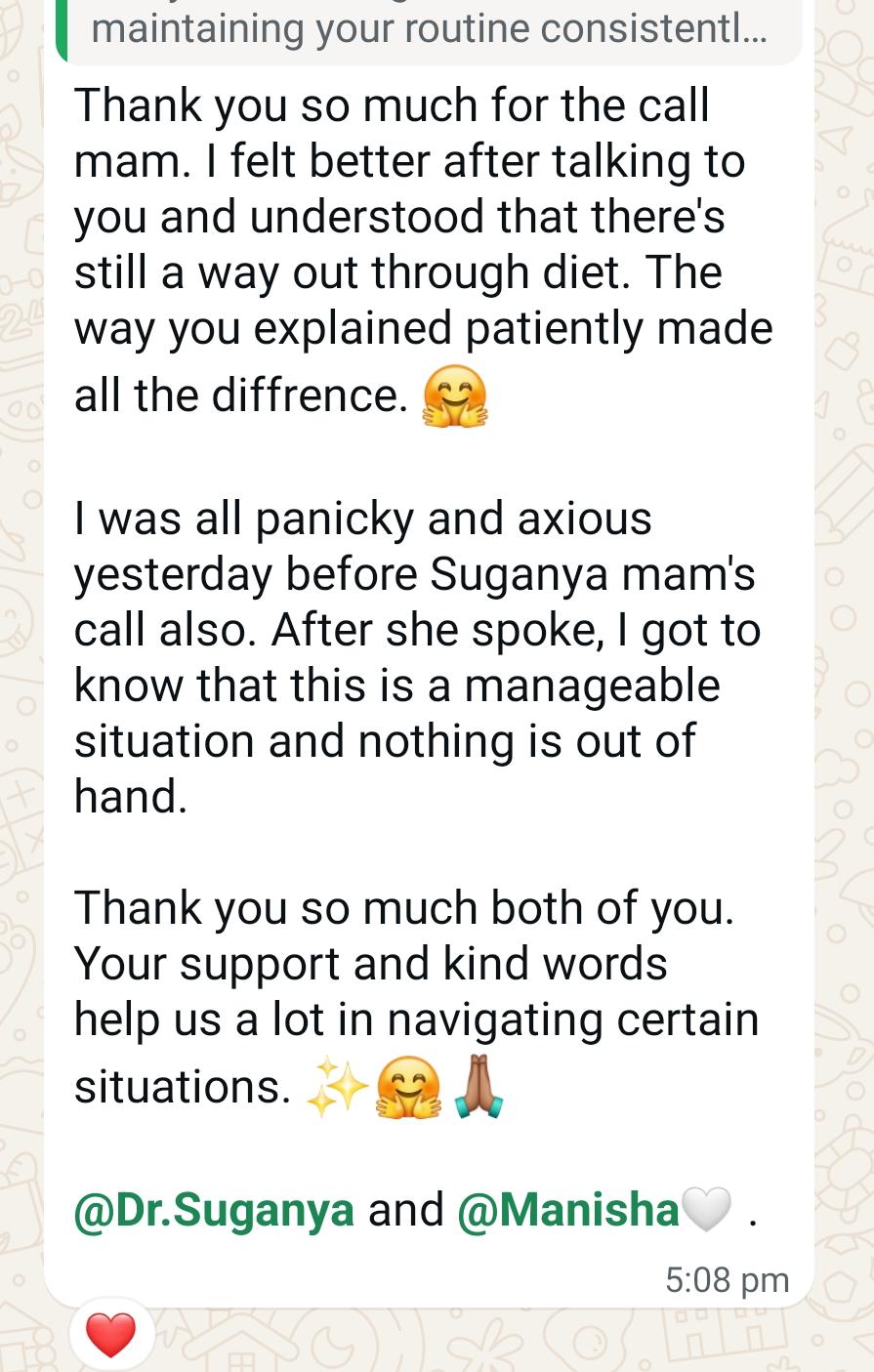
Around the same time, a thoughtfully arranged labour and postpartum orientation was arranged which helped prepare me mentally for delivery, making me feel more confident and ready for the next phase.
And here came one of the most important phases of our journey. During a routine check-up, I underwent a CTG scan at the hospital, and we were initially told that everything looked normal. However, after returning home and sharing the reports, it was carefully reviewed again, and a fluctuation in the baby’s heart pattern was identified. We were then guided not to delay and to proceed with admission and move forward with labour, rather than waiting further, to avoid any possible complications.
This timely guidance helped us take the right decision at the right moment, ensuring everything moved forward safely.
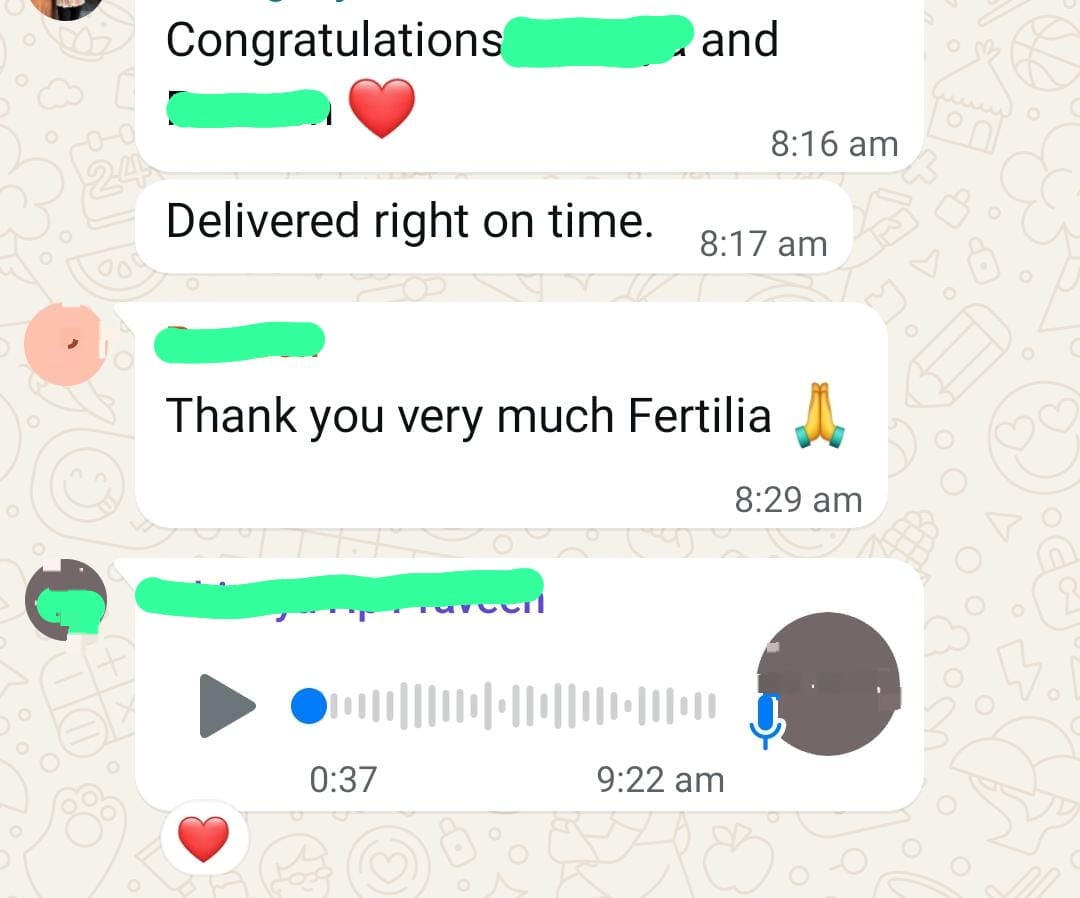
Following this, I was admitted on Friday. The next three days, Friday, Saturday, and Sunday, were a significant phase for us. On Sunday morning, I delivered normally.
Throughout these three days, it was just me and my husband managing everything together, without much external support. However, having attended labour guidance sessions from Shobhna Deepak beforehand helped me understand what to expect, whether it was a normal delivery or a C-section, which kept me calm and prepared. This allowed us to support each other and move through each phase with confidence.
I feel a deep sense of pride and gratitude towards my body for carrying me through every phase, and towards Prakash for standing by me with constant support through it all, as we welcomed our baby through a normal delivery.
After Delivery: The Support Continued
Even after this, our journey didn’t stop there. Within a few days, we were faced with another unexpected phase. Around five days after delivery, our baby was not doing well. There were concerns about a low heart rate and a UTI, which required admission. During this time, things became even more overwhelming when the newborn screening showed a positive result for cystic fibrosis.
That moment was extremely hard for us. We felt completely broken and under immense emotional pressure. The situation was overwhelming, and we were not mentally prepared to face something like this.
During this phase, the support we received made a huge difference. Through Fertilia, we were guided to a pediatric consultation where everything was explained to us in a very clear and structured way. We were patiently guided on how to approach the situation step by step, what needed to be done next, and most importantly, not to panic. We were reassured that such results can sometimes be false positives in newborn screening and were advised to repeat the test before coming to any conclusion.
Holding on to that guidance, we went ahead and repeated the test. Thankfully, the repeat results came back normal, confirming that the earlier result was a false positive. That moment brought immense relief, something we truly cannot put into words.
Even after things settled, the support continued. Not only was the baby taken care of after delivery, but equal attention was given to me as well. A detailed post-delivery guide shared by Fertilia became very helpful, especially during times when I couldn’t focus much on myself. Whenever I had a small doubt, I would go back to it, and that made me feel cared for and important too.
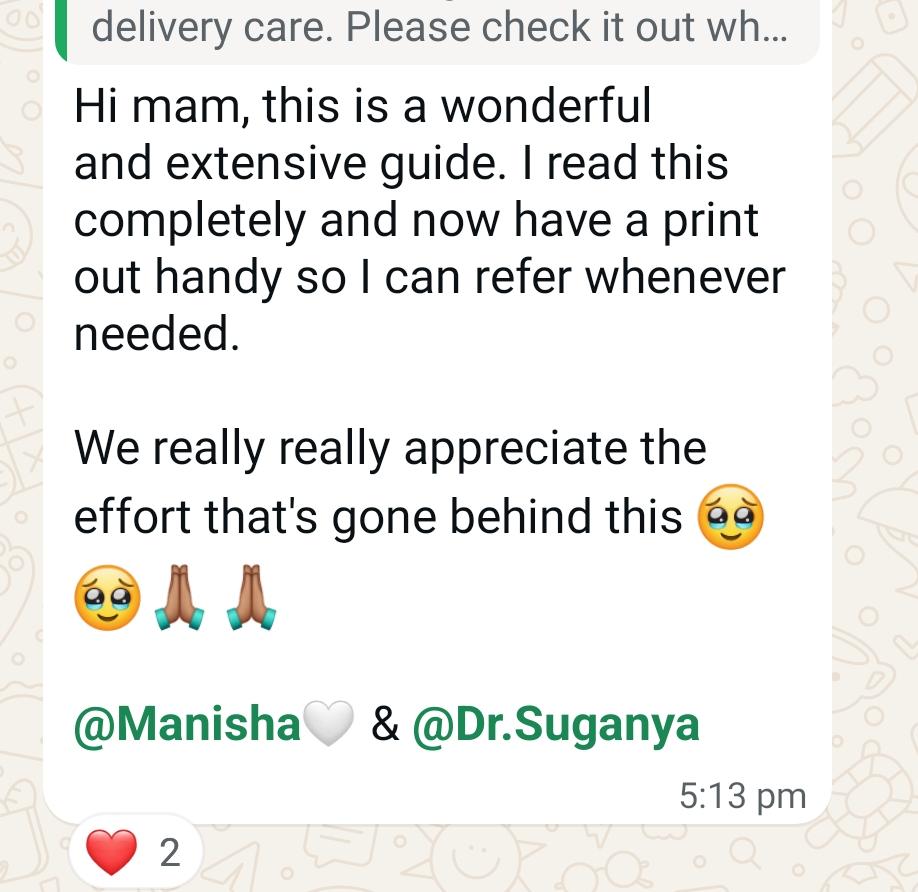
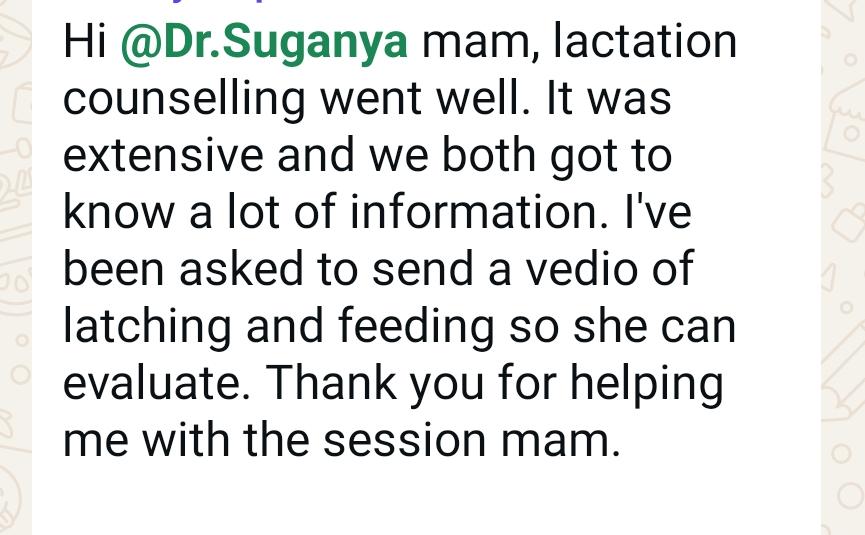
We were also guided through a lactation consultation by Dr. Manjari, where every small detail, from latching to feeding, was explained clearly, which made a big difference in those early days.
Looking Back
This entire journey, from being an anxious couple trying to understand PCOS to finally holding our baby in our arms, has been deeply transformative for us. It has given us strength, patience, and a completely new perspective on life.
For more on this, read our guide on PCOS Is Now PMOS. With all our heart, we feel grateful for the support we received through every phase at Fertilia, big or small. Some experiences are difficult to put into words, and this is one of them. What we truly carry forward is a deep sense of gratitude for being guided, supported, and understood through every step of this journey.
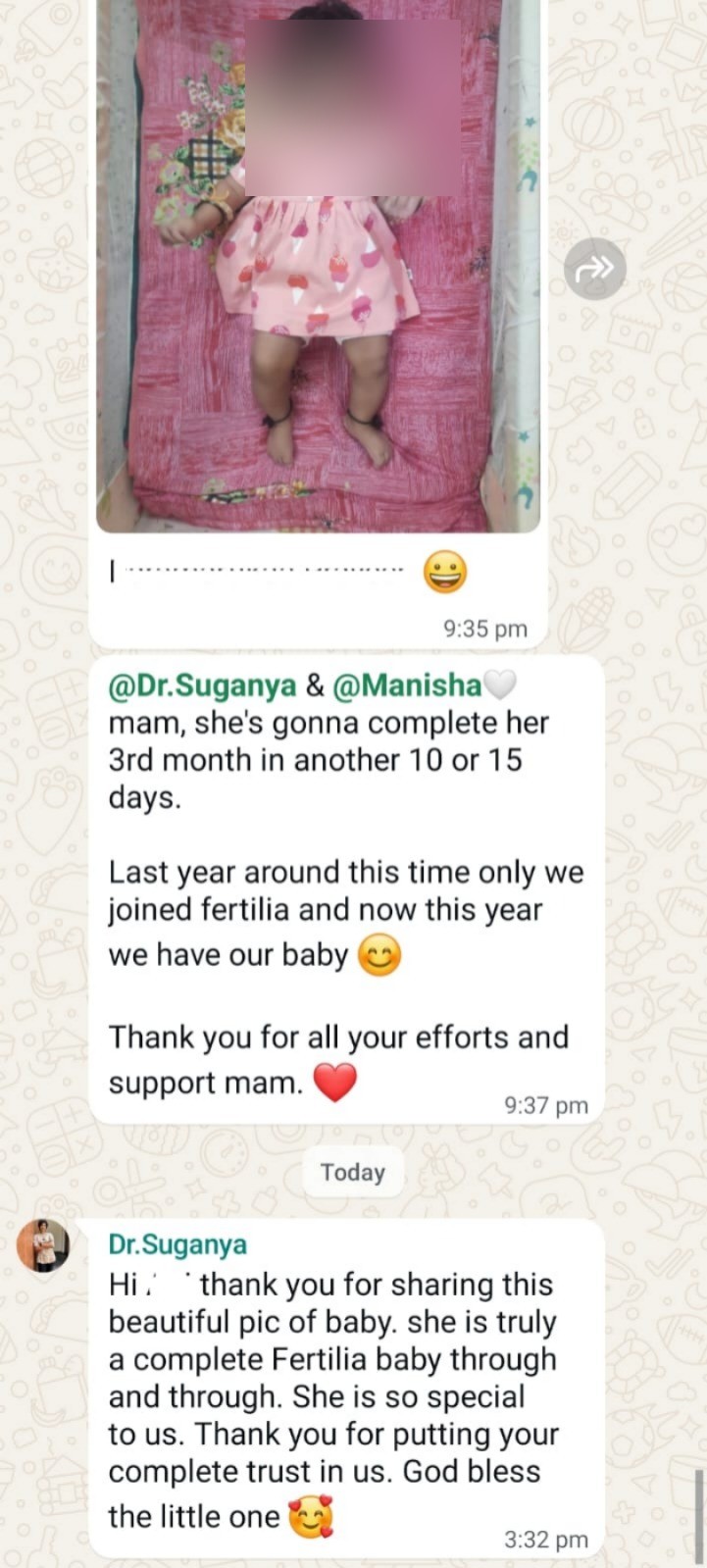
And today, as we look at our little one, soon to reach three months, it feels almost surreal. Looking back at our path and journey, after everything we have been through, holding our baby in our arms feels like a dream we once waited for, prayed for, and held on to with hope. This moment fills our hearts with a deep, overwhelming kind of happiness that words can hardly express.
Frequently Asked Questions
Can PCOS prevent natural conception?
PCOS affects ovulation, but it does not make natural conception impossible. The Rotterdam Criteria define PCOS by ovulatory dysfunction, androgen excess, and polycystic ovarian morphology, and each woman’s pattern is different. Many women with PCOS conceive naturally once underlying hormonal and metabolic drivers are addressed. Aishwarya’s story is one example. Whether your path is natural conception, IUI, or IVF depends on a full clinical picture, which is why a proper evaluation matters before any decision is made.
Should we try lifestyle changes before IUI or IVF?
For most couples without a clear structural or severe factor blocking conception, a structured 2-3 month lifestyle and nutrition window makes sense before moving to assisted reproduction. It improves egg quality, regulates ovulation, and reduces the inflammation associated with PCOS. It also prepares the body in a way that can improve outcomes even if you do go on to need IUI or IVF. The key is having a doctor who can tell you honestly when lifestyle-first is appropriate and when it isn’t.
How long does it typically take to conceive naturally with PCOS?
There is no single answer. It depends on the specific drivers involved (insulin resistance, adrenal excess, inflammation, or hypothalamic factors), the severity of ovulatory dysfunction, AMH levels, sperm parameters, and how consistently the lifestyle plan is followed. Aishwarya conceived within the 3-month program. Some couples take longer. An individualised evaluation gives you a more realistic picture than any average statistic can.
What does a fertility evaluation at Fertilia typically include?
Dr. Suganya starts with a thorough history of both partners, then recommends targeted investigations based on what she finds. For Aishwarya, this included AMH (to assess ovarian reserve), a tubal patency check, and hormonal profiling to understand the PCOS pattern. For Prakash, gut health and overall systemic health were evaluated alongside basic fertility parameters. The goal is to address the actual root of the problem, not to run a standard panel and then prescribe a standard protocol.
Does the husband’s health matter when trying to conceive with PCOS?
Yes, significantly. Fertility is a shared concern. Male factor issues account for a large proportion of conception challenges. Beyond sperm parameters, overall metabolic health, gut health, and stress levels in the male partner all influence the outcome. At Fertilia, both partners are assessed and both receive a tailored plan. As Aishwarya described, addressing Prakash’s gastritis alongside her PCOS made the process feel more complete and balanced for the couple.
When should a couple consider moving to IUI or IVF?
This is a clinical decision that depends on factors like sperm parameters, tubal status, AMH levels, and how the body has responded to a structured lifestyle intervention. Dr. Suganya’s approach is to recommend assisted reproduction when it is genuinely indicated: not as a first response to anxiety, and not delayed unnecessarily when it is the right next step. If a lifestyle window has been given a fair trial and conception has not occurred, IUI or IVF may well be the correct path. A well-prepared body responds better to those too.
Every Journey Starts with a Conversation
Whether you’re trying to conceive, managing PCOS, or navigating pregnancy, Dr. Suganya and her team are here to understand your unique situation and walk with you through every phase.
This story is part of Fertilia’s “My Journey” series, where past patients share their experiences in their own words. Every story is real, verified, and published with the patient’s explicit consent. Names have been changed to protect privacy.
If you are a past Fertilia patient and would like to share your journey, reach out to us on WhatsApp. We would love to hear from you.