If you have ever stood in front of the mirror scrubbing at the darker skin on your neck, trying every soap, scrub, and “whitening” cream, and wondering why nothing works, this post is for you.
Here is the first thing you need to hear: that darkening is almost certainly not dirt. It is not because you skipped a wash. It is not a sun tan that built up over the years. It has a name, acanthosis nigricans, and it is one of the most useful early signals your body can give you. Once you understand what it is actually telling you, the whole picture, including why no cream has helped, finally makes sense.
This is one of the most common concerns I see in clinic, especially in women with PCOS. So let me walk you through exactly what acanthosis nigricans is, why it appears, and what genuinely makes it fade.
What This Post Covers
- What acanthosis nigricans is and how to recognise it
- The insulin connection, explained simply
- Why it shows up so often in PCOS
- Why it is a helpful early warning, not just a cosmetic issue
- Why creams and scrubs do not work
- What actually helps the skin lighten again
- When to see a doctor and which tests to ask for
What Acanthosis Nigricans Actually Is
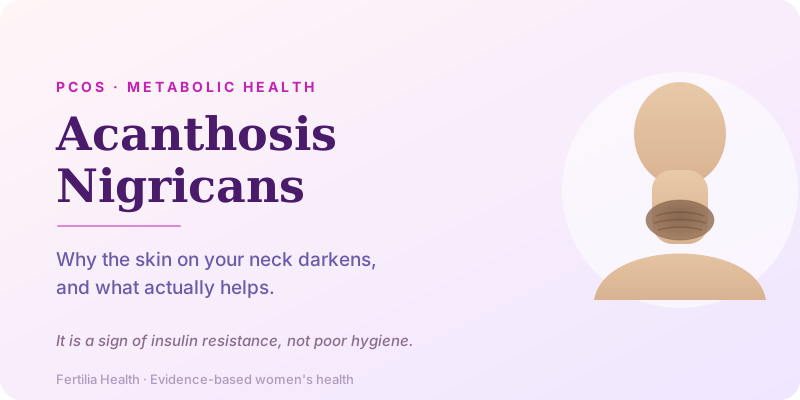
Acanthosis nigricans is a change in the skin where certain areas become darker, thicker, and velvety to the touch. It most often appears on the back and sides of the neck, but you can also see it in the armpits, the groin folds, over the knuckles, and sometimes around the elbows.
The texture is the giveaway. Unlike a tan or a stain, this skin feels slightly raised and soft, almost like velvet, and the surface can look like it has fine creases. Because the change is happening within the skin itself, it does not wash off, scrub off, or fade with lemon and besan packs. Many women spend months feeling self-conscious and frustrated, hiding their neck with dupattas and high collars, blaming themselves for poor hygiene. None of that is fair to you, because the cause was never on the surface.
The skin is simply doing what skin does. It is responding to a message coming from inside the body. And that message is usually about insulin.
The Insulin Connection, Explained Simply
Insulin is the hormone that helps move sugar from your blood into your cells for energy. When the body becomes resistant to insulin, the cells stop responding well, so the pancreas compensates by producing more and more of it. The result is a state of consistently high insulin in the blood, called hyperinsulinemia.
Here is where the skin comes in. At these high levels, insulin does not only act on sugar. It also cross-reacts with receptors called insulin-like growth factor receptors (IGF-1 receptors) that sit on skin cells. When insulin switches these on, it tells the skin cells (keratinocytes) and the supporting cells underneath to multiply faster than usual. That extra growth is what makes the skin thicken, and along with it comes the darker pigmentation (StatPearls, NCBI).
So acanthosis nigricans is essentially insulin resistance made visible. The darkening on your neck is an outside view of something happening on the inside. This is exactly why it tends to appear alongside other signs of insulin resistance, such as belly-centred weight gain, intense sugar cravings, and tiredness after meals. For a fuller picture of how this works, read our guide on insulin resistance and PCOS.
Why It Shows Up So Often in PCOS
If you have PCOS and acanthosis nigricans, the two are closely linked through the same root. Insulin resistance is one of the main drivers of PCOS, present in a large majority of women with the condition, including many who are not overweight at all.
When insulin runs high, it does two things at once. It pushes the ovaries to produce more androgens (male-type hormones), which drives symptoms like irregular periods, acne, and unwanted hair. And it switches on those skin receptors that cause acanthosis nigricans. So the dark neck and the missed periods are often two branches of the same tree.
This is not a rare overlap. Studies of women with PCOS report acanthosis nigricans in roughly 30 to 56 percent of cases, including research from tertiary hospitals here in South India (PMC, Indian Journal studies). If you have been diagnosed with PCOS and noticed your neck darkening, you are seeing the visible footprint of the insulin resistance underneath. To understand the wider symptom picture, see our overview of PCOS symptoms and root causes.
It Is a Helpful Early Signal, Not Just a Cosmetic Problem
I want to reframe this for you, because how you see it matters. Acanthosis nigricans is benign in itself. It does not hurt, it is not contagious, and it is not something you caused by doing anything wrong. But it is a wonderfully honest messenger.
Most people discover insulin resistance only after a blood test goes abnormal, sometimes years down the line. Acanthosis nigricans can show up well before your fasting sugar ever moves, which means it gives you a head start. Research consistently shows that people with acanthosis nigricans carry a higher long-term risk of type 2 diabetes, precisely because it reflects the insulin resistance that can lead there.
The empowering part is this: that early warning gives you time to act while changes are still easiest to make. A visible sign you can watch in the mirror is actually a gift. As your insulin sensitivity improves, the skin often lightens, which means you have a simple, free way to track your own progress at home.
Noticed a Dark Patch on Your Neck?
If you have a dark, velvety patch on your neck or underarms, especially alongside irregular periods or weight that gathers around your middle, it is worth understanding what is driving it. Dr. Suganya can help you read the signs and build a plan around your body.
Why Creams, Scrubs, and Bleaching Do Not Work
Now you can see why the cosmetic route disappoints almost everyone. Whitening creams, neck-lightening ointments, scrubs, and bleaching all work on the surface of the skin. But acanthosis nigricans is not a surface stain. The pigment and thickening are being produced from within, in response to the insulin signal. As long as that signal stays high, the skin keeps making more.
It is a bit like mopping the floor while the tap is still running. You can put in a lot of effort and money, see a tiny temporary difference, and watch it come straight back. Harsh scrubbing and strong bleaching agents can even irritate and further darken the skin, making things worse. The skin will not change for long until the message it is responding to changes.
That is good news, actually. It means you do not need an expensive shelf of products. You need to turn off the tap.
What Actually Helps the Skin Lighten Again
Because acanthosis nigricans is driven by insulin, anything that improves your insulin sensitivity is what helps the skin fade. Here is where to focus.
Reduce the load of refined carbohydrates. White rice in large portions, maida, biscuits, sugary tea and coffee, and sweets all spike insulin sharply. You do not have to give up rice or carbs entirely. The goal is smaller portions of refined carbs and more of the slow-digesting kind.
Eat protein and fibre first. Start meals with dal, curd (dahi), eggs, paneer, or vegetables before the rice. Protein-first eating blunts the insulin spike of the meal. Swapping some white rice for ragi, millets, or whole grains, and adding vegetables and a katori of dahi, makes a real difference over weeks.
Move your body daily. Muscles use up blood sugar without needing much insulin, so even a brisk 30 to 40 minute walk improves insulin sensitivity for hours afterwards. Consistency matters far more than intensity.
Reduce excess weight where it applies. If you are carrying extra weight, especially around the abdomen, gradual weight reduction is one of the most powerful ways to lower insulin. For a realistic, sustainable approach, see what actually works for PCOS weight loss.
Metformin, when your doctor prescribes it. Metformin improves the body’s response to insulin, and Indian clinical trials have shown that it can visibly improve acanthosis nigricans over about 12 weeks by addressing the hyperinsulinemia underneath. It is a valid and useful medical tool that works alongside lifestyle changes, not instead of them. Whether it is right for you is a decision to make with your doctor. We explain the full picture in our guide on metformin for PCOS.
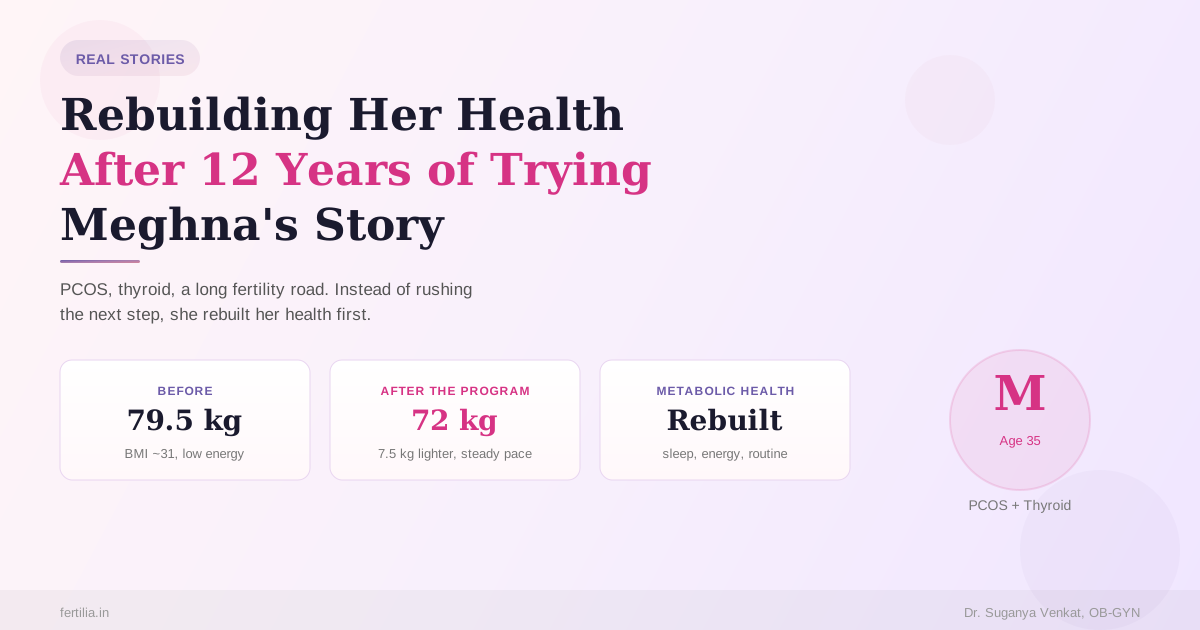
A dermatologist may sometimes add a topical agent to support the skin, but think of that as a helper. The lasting change comes from the inside. In clinic, I regularly see the darkening around the neck soften and lighten over a few months as a woman’s insulin resistance improves, often before the scale has moved very much. One of our patients, Ramapriya, described exactly this in her own words: the darkening around her neck gradually faded as her health improved over three months. You can read Ramapriya’s journey here. The skin is patient: give it the right internal environment and it slowly returns.
When to See a Doctor
It is worth getting checked if:
- You have noticed darkening or thickening on your neck, underarms, or knuckles, especially with irregular periods or weight gain
- You have a family history of type 2 diabetes or PCOS
- The patches are spreading or you simply want clarity on what is driving them
The tests that help most are a HbA1c and a fasting insulin or HOMA-IR, which can detect insulin resistance years before blood sugar rises. A simple consultation can tell you whether what you are seeing is linked to insulin, PCOS, or something else, and what to do next.
One calm note for completeness: in most people acanthosis nigricans is linked to insulin and weight, and it is nothing to be alarmed about. Very rarely, when the patches appear suddenly and spread quickly in an adult who is not overweight, doctors like to review it promptly to rule out other internal causes. This is uncommon, but it is a good reason to get any rapidly changing skin looked at rather than ignored. The action is simple: show it to a doctor.
Practical Takeaways
- The dark velvety skin on your neck is acanthosis nigricans, not dirt, and it cannot be scrubbed off.
- It is a visible sign of insulin resistance, the same root that drives most PCOS symptoms.
- Creams, scrubs, and bleaching do not work because the cause is internal, not on the surface.
- Improving insulin sensitivity through diet, daily movement, and weight reduction where needed is what genuinely helps the skin lighten.
- Metformin can help when your doctor prescribes it, alongside lifestyle changes.
- Ask for a HbA1c and fasting insulin or HOMA-IR to understand what is happening underneath.
- Watching the patch lighten over time is a simple, free way to track your progress.
Frequently Asked Questions
Is acanthosis nigricans dangerous?
The skin change itself is harmless. It does not hurt, spread by contact, or turn into anything serious on its own. What makes it important is what it points to: it is a reliable visible marker of insulin resistance, which over the long term is linked to a higher risk of type 2 diabetes and is closely tied to PCOS. So rather than worrying about the skin, treat it as a helpful early prompt to check your insulin and metabolic health while changes are still easy to make.
Can a dark neck from acanthosis nigricans go away?
Yes, in most cases it can fade significantly, but not through creams. Because the darkening is driven by high insulin, it lightens when you improve insulin sensitivity through diet, regular movement, weight reduction where it applies, and metformin if your doctor prescribes it. This is a gradual process that usually takes a few months, and the skin often starts looking better even before major weight change. Patience and consistency matter more than any product.
Does acanthosis nigricans mean I have diabetes?
Not necessarily. It means your body is likely dealing with insulin resistance, which is the stage that can come well before blood sugar ever rises. Many people with acanthosis nigricans have completely normal sugar levels at the time they notice it. That is exactly why it is so useful: it can flag the issue early, giving you the chance to act before it ever progresses to diabetes. A HbA1c and fasting insulin test will tell you where you currently stand.
How is acanthosis nigricans treated?
The real treatment targets the cause, not the skin. That means improving insulin sensitivity: reducing refined carbohydrates, eating protein and fibre first, walking daily, and reducing excess weight if relevant. When indicated, doctors prescribe metformin, which Indian trials have shown can visibly improve the patches over about 12 weeks. A dermatologist may occasionally add a topical agent as a helper, but on its own a cream will not hold the result. Once insulin settles, the skin follows.
Will whitening or bleaching creams remove a dark neck?
No, and they can sometimes make it worse. These products work on surface pigment, while acanthosis nigricans is produced from within the skin in response to insulin. As long as insulin stays high, the skin keeps making more pigment and thickening, so any cosmetic improvement is small and temporary. Harsh bleaching can also irritate and further darken the area. Your money and effort are far better spent on the changes that lower insulin.
Is acanthosis nigricans linked to PCOS?
Very often, yes. Insulin resistance is a central driver of PCOS, and the same high insulin that pushes the ovaries to make excess androgens also switches on the skin changes of acanthosis nigricans. Studies report it in roughly 30 to 56 percent of women with PCOS. If you have both, they are usually two expressions of the same underlying issue, which is reassuring, because addressing the insulin resistance helps your periods, your symptoms, and your skin together.
Which tests should I ask for?
The most useful starting tests are a HbA1c (a three-month average of blood sugar) and a fasting insulin or HOMA-IR (which directly reflects insulin resistance). If PCOS is suspected, your doctor may also check androgen levels and arrange a pelvic ultrasound. These simple tests turn a vague worry about a dark neck into a clear understanding of what is happening, and a clear plan for what to do about it.
Understand What Your Skin Is Telling You
A dark patch on your neck is not something to be ashamed of. It is information. If you would like to understand what is driving it and build a simple, realistic plan to address the root, Dr. Suganya and her team are here to help. That root-cause plan is what the 90-day PCOS Symptom Reversal program is designed to deliver.
This article is for general education and is not a substitute for a personal medical consultation. If you have concerns about your skin, your periods, or your metabolic health, please speak to a qualified doctor.