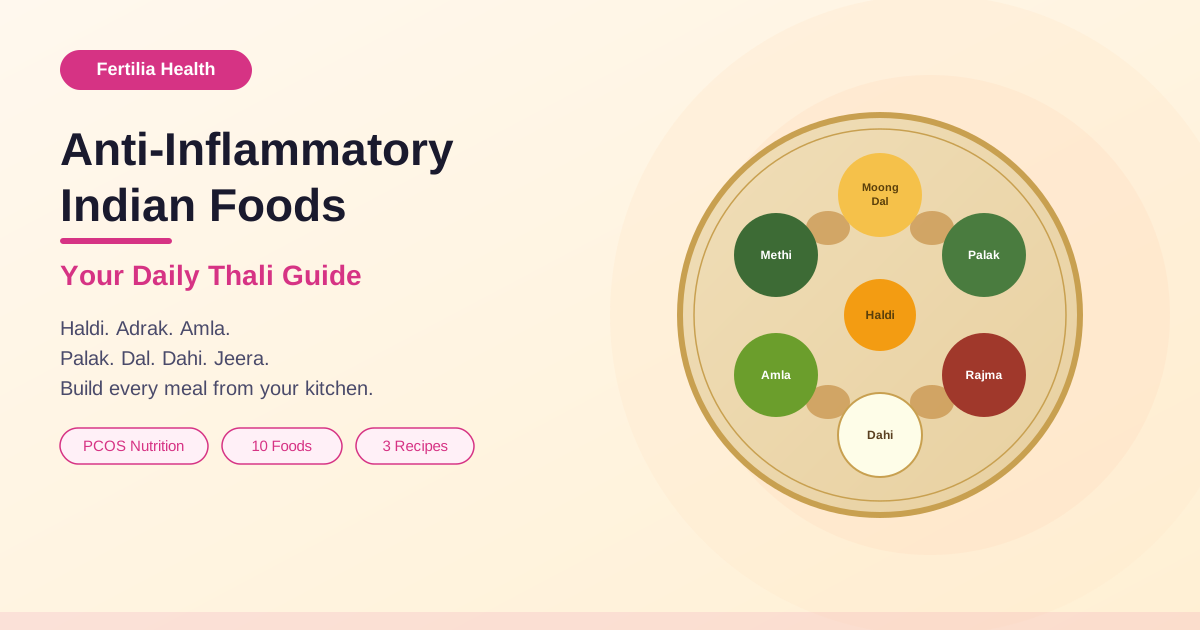
Your kitchen spice rack already holds some of the most potent anti-inflammatory foods in the world. The haldi in your tadka, the adrak in your chai, the methi in your paratha, the amla in your chutney. Most of us use these in small amounts without thinking about how to build a full day of eating around them.
For more on this, read our guide on Anti-Inflammatory Diet. This guide gives you exactly that: a practical daily thali built from India’s best anti-inflammatory foods, with the nutritional facts, recipes, and portions to make it work for you.
For the science on how an anti-inflammatory diet supports PCOS management, read our PCOS and diet science guide. This post is focused entirely on the food.
What Goes into an Anti-Inflammatory Thali?
An anti-inflammatory thali is a balanced Indian meal that puts the most nutrient-dense, whole-food ingredients at the centre of every plate. No exotic supplements. No foreign superfoods. Just the ingredients Indian kitchens have relied on for generations.
Every good anti-inflammatory thali has:
- A fibre-rich grain (ragi roti, jowar roti, or whole wheat roti)
- A protein source (dal, rajma, chana, or dahi)
- Leafy greens (palak, methi, or a curry leaf tadka)
- Anti-inflammatory spices (haldi, jeera, adrak, kadi patta)
- A fermented food (dahi, chaas, or idli and dosa)
- A vitamin C source (amla, tomatoes, or raw coriander)
The 10 Anti-Inflammatory Stars of the Indian Kitchen
1. Haldi (Turmeric)
Nutritional facts (per 1 tsp dried powder, approx. 3g): about 11 kcal, 0.23g protein, curcuminoids at 3.14% by weight (USDA FoodData Central #172231)
Haldi is the most researched spice in the Indian kitchen. The yellow pigment curcumin gives it both its colour and its nutritional value. Haldi is heat-stable, which means cooking does not diminish its properties.
How to use it: Add 1/4 to 1/2 tsp to dal, sabzi, rice, or warm milk daily. Pair it with a pinch of kali mirch in your cooking. Traditional Indian spice combinations have always used these two together.
2. Adrak (Ginger)
Nutritional facts (per 1-inch piece, approx. 10g fresh): about 8 kcal, 1.78g carbs, 0.18g protein (USDA FoodData Central #169231)
Fresh ginger has a strong, warming flavour that works in both cooking and drinks. Both the fresh root and dried saunth powder are nutritionally useful.
How to use it: Grate 1 tsp of fresh ginger into your morning chai, dal, or chutney. Dried saunth is more concentrated; use half the quantity. Adrak-haldi kadha is a simple way to include both spices in one warm drink.
3. Amla (Indian Gooseberry / Nellikkai)
Nutritional facts (per 100g): about 44 kcal, approximately 600mg vitamin C (ICMR-NIN, Nutritive Value of Indian Foods), 3.4g fiber
Amla is one of the richest natural sources of vitamin C in the Indian diet. It also contains naturally occurring plant compounds found in tart Indian fruits. Fresh amla, amla powder, amla candy, and amla chutney are all widely available across India.
How to use it: Include one fresh amla at breakfast, raw or as chutney. If fresh amla is hard to find, 1 tsp amla powder stirred into warm water works well.
4. Palak (Spinach)
Nutritional facts (per 100g, raw): 23 kcal, 2.86g protein, 2.71mg iron, 194mcg folate (USDA FoodData Central #168462)
Palak is one of the most iron-rich leafy greens in the Indian kitchen and an excellent source of folate. Pair palak with lemon juice or fresh tomatoes in the same meal to get the most from its iron content. This is a common practice in Indian cooking.
How to use it: Add a generous handful to dal, stir-fry with garlic and haldi for a quick sabzi, or blend into a soup. Fresh palak is best; frozen palak works well too.
5. Methi (Fenugreek Leaves and Seeds)
Nutritional facts (per 100g fresh leaves, ICMR-NIN): 49 kcal, 4.4g protein, 1.93mg iron, rich in soluble fiber
Methi is available as fresh kasoori methi and as seeds. Both are nutritionally useful. The seeds are higher in soluble fiber; the fresh leaves are richer in iron and folate.
How to use it: Add fresh methi leaves generously to paratha dough, dal, or potato sabzi. Use 1/4 tsp methi seeds in your tadka for dal and sambar. Sprouted methi seeds can be eaten raw in small quantities.
6. Rajma (Red Kidney Beans)
Nutritional facts (per 100g, cooked): 127 kcal, 8.67g protein, 6.4g fiber, 2.22mg iron (USDA FoodData Central #175218)
Rajma is one of the most protein- and fibre-rich legumes in Indian cooking. Its high fibre content provides long, steady energy. It is a North Indian staple that batch-cooks easily on weekends.
How to use it: Rajma chawal is a complete, balanced meal. A serving of 1 katori (about 150ml) of cooked rajma per meal is a practical daily target. Combine with rice or millet for a full amino acid profile.
7. Moong Dal
Nutritional facts (per 100g, cooked): 105 kcal, 7.02g protein, 7.6g fiber (USDA FoodData Central #175185)
Moong dal is the easiest dal to digest, which is why Indian households have traditionally relied on it during postpartum recovery and illness. It is also high in folate and is a good everyday plant protein source.
How to use it: Cook as thin dal, dal soup, or khichdi. Sprouted moong adds crunch to salads. One katori per meal is a solid serving.
8. Dahi (Plain Curd)
Nutritional facts (per 100g, whole milk curd): 61 kcal, 3.47g protein, 121mg calcium, 3.25g fat (USDA FoodData Central #171284)
Dahi is a traditional fermented food central to Indian cooking across all regions. It is rich in calcium and provides a good amount of protein per serving. Plain, unsweetened dahi is the most nutritious form.
How to use it: Include one small katori (100 to 150g) of plain dahi with lunch or dinner. Dahi rice, dahi paratha, raita, chaas, and kadhi are all simple ways to build dahi into your daily meals.
9. Jeera (Cumin Seeds)
Nutritional facts (per 1 tsp, approx. 2g): about 8 kcal, 0.37g protein. Per 100g: 66.4mg iron, 10.5g fiber (USDA FoodData Central #170924)
Jeera is one of the most commonly used and most nutritionally rich spices in the Indian kitchen. It is high in iron and is a standard base for almost every dal and sabzi tadka. Jeera water is a traditional morning drink across many parts of India.
How to use it: Use 1/2 tsp of jeera in your daily tadka for dal, rice, or sabzi. Jeera-haldi chaas combines both spices in one simple drink that works as an afternoon refresher.
10. Kadi Patta (Curry Leaves)
Nutritional facts (per 100g, ICMR-NIN): 108 kcal, 6.1g protein, 6.4mg iron, 830mg calcium
Kadi patta is a South Indian kitchen staple that deserves far more use across all Indian cooking. It is one of the highest calcium sources among Indian herbs and greens. Most people leave curry leaves on the plate, but eating them whole gives you the full nutritional benefit.
How to use it: Add a full sprig of fresh curry leaves to your tadka for every dal, sambar, chutney, or rice dish. Include them in coconut chutney. Eat the leaves whole whenever possible.
Your Daily Anti-Inflammatory Thali Guide
Here is a sample full day built from the foods above. Every meal fits a standard Indian thali and uses ingredients available at any local grocery.
Breakfast Thali
| What | How Much |
|---|---|
| Ragi roti or jowar roti | 2 rotis |
| Moong dal (lightly spiced) | 1 katori (150ml) |
| Methi or palak sabzi | 1 small bowl |
| Plain dahi | 1 katori |
| Fresh amla or amla chutney | 1 amla or 1 tsp chutney |
Tip: Add 1/4 tsp haldi and a pinch of kali mirch to your morning moong dal. It takes less than ten seconds and makes every dal more nutritious.
For ragi roti recipes and preparation, see our ragi guide for Indian women. For jowar roti variations including ambali and thalipeeth, see our jowar roti benefits guide.
Lunch Thali
| What | How Much |
|---|---|
| Jowar roti or whole wheat roti | 2 rotis |
| Rajma or chana (jeera-haldi spiced) | 1 katori |
| Palak dal or sambar with kadi patta tadka | 1 katori |
| Dahi raita with grated adrak | 1 small bowl |
| Fresh lemon wedge or tomato slice | 1 piece |
Tip: Add a full sprig of kadi patta to the tadka for every dal and sambar at this meal.
Evening Snack
| What | How Much |
|---|---|
| Haldi milk (warm, with a pinch of kali mirch) | 1 cup |
| Roasted chana or a small handful of akhrot | 30g |
Dinner Thali
| What | How Much |
|---|---|
| Moong dal khichdi with haldi and jeera | 1 bowl |
| Stir-fried methi or palak with curry leaf tadka | 1 small bowl |
| Jeera-haldi chaas or plain dahi | 1 small glass or katori |
Want a personalised meal plan that fits your specific health goals? Chat with Dr. Suganya’s team on WhatsApp and we will help you build one.
3 Anti-Inflammatory Recipes to Make This Week
Recipe 1: Palak Rajma Dal
Makes: 3 servings | Prep: 10 minutes | Cook: 25 minutes
Ingredients:
- 1/2 cup rajma, soaked overnight and pressure-cooked until soft
- 1/2 cup moong dal, pressure-cooked
- 1 large bunch fresh palak, blanched and chopped
- 2 medium tomatoes, chopped
- 1/2 tsp haldi
- 1 tsp jeera
- 1/2 tsp fresh adrak, grated
- 1 sprig kadi patta
- 1 tsp ghee or cold-pressed oil
- Salt to taste
Instructions:
- Heat ghee in a kadai. Add jeera and let it splutter.
- Add kadi patta, adrak, and tomatoes. Cook for 5 minutes until tomatoes soften.
- Add haldi, salt, cooked rajma, and moong dal. Stir and combine.
- Add chopped palak. Mix well and simmer for 5 minutes.
- Finish with a squeeze of fresh lemon juice before serving.
- Serve with jowar roti or brown rice.
Nutrition per serving (approx.): 180 kcal, 12g protein, 8g fiber
Recipe 2: Jeera-Haldi Chaas (Anti-Inflammatory Buttermilk)
Makes: 1 serving | Prep: 2 minutes
Ingredients:
- 200ml plain dahi (whole milk curd)
- 300ml water
- 1/4 tsp haldi powder
- 1/4 tsp bhuna jeera powder (dry-roasted cumin powder)
- Pinch of kala namak or regular salt
- A few fresh mint leaves (optional)
Instructions:
- Whisk dahi and water together until smooth and no lumps remain.
- Add haldi, jeera powder, and salt. Mix well.
- Serve chilled or at room temperature.
- Drink with lunch or as an afternoon refresher.
Nutrition per serving (approx.): 80 kcal, 4g protein, 150mg calcium
Recipe 3: Amla-Adrak Morning Drink
Makes: 1 serving | Prep: 5 minutes
Ingredients:
- 2 fresh amla, grated
- 1/2-inch fresh adrak, grated
- 1/2 tsp honey (optional)
- 2 tbsp water
Instructions:
- Grate amla and adrak together.
- Squeeze through a muslin cloth or fine sieve to extract 2 to 3 tbsp juice.
- Mix with water and honey if using.
- Drink first thing in the morning or before breakfast.
Nutrition per serving (approx.): 20 kcal, approximately 120mg vitamin C
Portions by Life Stage
| Food | PCOS | Pregnancy | Postpartum | General |
|---|---|---|---|---|
| Dal, rajma, or chana | 1.5 katori per meal | 1 katori per meal | 1 to 1.5 katori per meal | 1 katori per meal |
| Ragi or jowar roti | 2 per meal | 2 to 3 per meal | 2 per meal | 2 per meal |
| Plain dahi | 2 katori per day | 2 to 3 katori per day | 2 to 3 katori per day | 1 to 2 katori per day |
| Amla | 1 daily | 1 to 2 daily | 1 to 2 daily | 1 daily |
| Haldi in cooking | 1/4 to 1/2 tsp per dish | 1/4 tsp per dish | 1/4 to 1/2 tsp per dish | 1/4 tsp per dish |
| Palak or methi | 1 to 2 handfuls daily | 2 handfuls daily | 2 handfuls daily | 1 handful daily |
For the complete PCOS food guide with meal plans by health goal, visit our PCOS Diet resource page.
Looking for the full PCOS meal planning framework? Our PCOS diet chart for Indian women covers a complete breakfast-to-dinner plan with Indian food lists.
For more Indian ingredients with deep nutritional profiles, see our guides on sesame seeds (til) for women’s health and flaxseeds for women.
Frequently Asked Questions
1. Can I use regular grocery store haldi, or do I need a special type?
Regular haldi powder from your local grocery works well. Look for brands without added colour or starch. Fresh turmeric root (available in most South Indian markets) has a slightly stronger flavour and gives you the whole food. Both are good options for daily cooking.
2. I find the taste of amla very sharp. What can I substitute?
One tsp of amla powder stirred into warm water is a milder alternative to fresh amla. Mixing it with a small amount of honey helps with the taste. Chyawanprash is another traditional way to include amla daily, though check the sugar content on the label. Amla candy is available in most Indian supermarkets as well.
3. How often should I drink haldi milk?
Three to five times a week is a practical goal. Use 1/4 tsp haldi powder and a pinch of kali mirch per cup of warm milk. It does not need to be a daily habit to be a regular part of your routine.
4. Is this thali guide suitable during pregnancy?
Most of the foods in this guide are widely recommended during pregnancy: dahi, palak, rajma, moong dal, haldi, adrak (in small amounts), and amla are all standard Indian pregnancy foods. Methi seeds should stay at cooking-level quantities (not more than 1/4 tsp in tadka). If you are managing gestational diabetes or have specific dietary restrictions, check with your doctor about portion sizes for the dals and grains.
5. What if I am vegetarian or vegan?
This entire thali guide is vegetarian. All protein comes from dal, rajma, chana, and dahi. If you are vegan, replace dairy dahi with coconut milk curd or soya curd and continue with the rest of the plan.
6. Which foods in this list are best for getting more iron from plant sources?
Palak, rajma, jeera, kadi patta, and methi are the highest plant-based iron sources in this list. To get the most from them, pair these foods with a vitamin C source in the same meal: a squeeze of lemon over palak sabzi, fresh tomatoes in rajma, or amla juice alongside your dal. This combination is a time-tested practice in Indian cooking.
Building an anti-inflammatory daily thali does not require overhauling how you cook. It starts with using haldi, adrak, jeera, and kadi patta consistently, adding a dal and leafy green to every main meal, and including dahi and amla somewhere in your day.
Small, consistent additions to your everyday plate add up over weeks and months.
Want personalised guidance on building a meal plan for your specific goals? Start a conversation with Dr. Suganya’s team on WhatsApp. We would love to help. If PCOS is what brought you here, this whole anti-inflammatory thali is the everyday backbone of Dr. Suganya’s 90-day PCOS Symptom Reversal program.