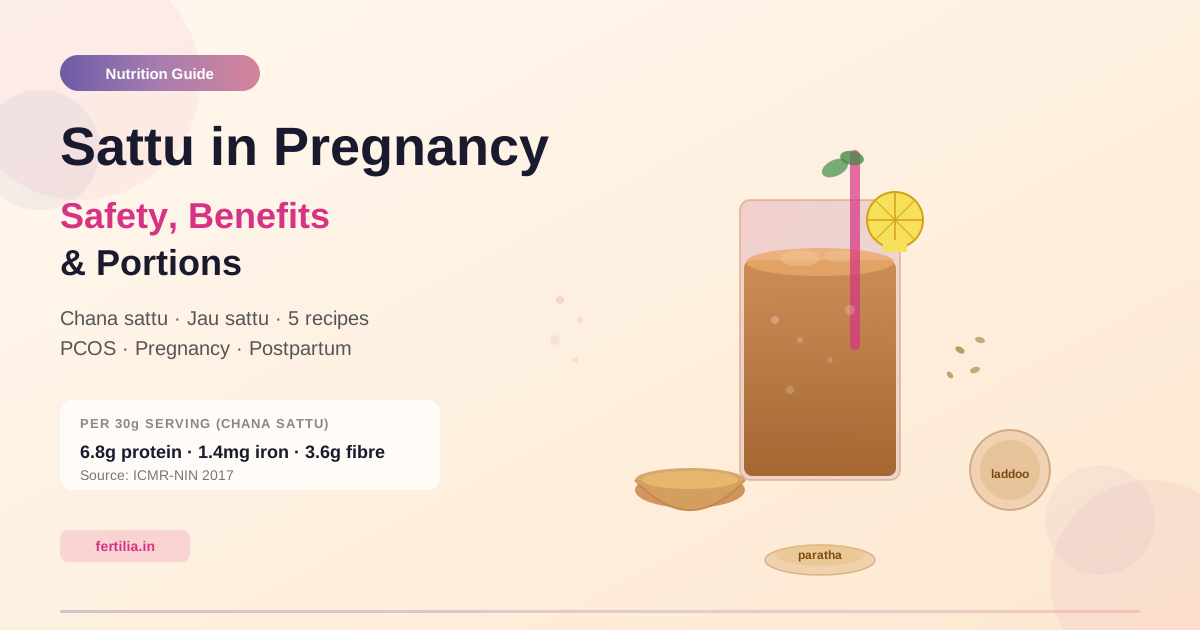
✅ Safe all trimesters · 2 tbsp (20g) in water = close to 5g protein · High-fibre: start small, build gradually
| Guidance | |
|---|---|
| Safe in pregnancy? | Yes, safe all trimesters. Start with 1 tbsp in the first trimester; increase to 2 tbsp in the second and third. |
| Daily amount | 20g (1.5 tbsp) to 30g (2 heaped tbsp) per serving, once or twice daily in the 2nd and 3rd trimesters |
| If gestational diabetes | Choose salty sattu sharbat (no jaggery); skip sweet jaggery-based versions |
| Key nutrients | Protein 6.8g · Iron 1.4mg · Fibre 3.6g per 30g serving of chana sattu (ICMR-NIN 2017) |
| Best time | Morning drink, or salty sharbat 15–20 minutes before lunch in summer |
| Skip if | More than 60g in one sitting (high fibre content can cause bloating) |
Jump to: What Is Sattu? · Nutrition Facts · Portions by Life Stage · 5 Recipes · Buying Guide · FAQs
If you have ever spent a summer in Bihar, Jharkhand, or eastern Uttar Pradesh, you know sattu. That earthy, nutty flour that gets stirred into cold water with a pinch of salt and a squeeze of lemon, drunk down in one long go before stepping out into the heat. Sattu sharbat is the original summer cooler of the Indo-Gangetic plain, and it has been doing the job for centuries before any branded sports drink arrived.
What many people outside these states do not realise is that sattu is also one of the most protein-dense ready-to-drink flours in the Indian pantry. Two tablespoons mixed into water gives you close to 5g of protein, some iron, and a good hit of fibre, all in under two minutes. For women managing PCOS, navigating pregnancy nutrition, or recovering after delivery, that is a meaningful addition to the day.
This guide covers the two main types of sattu, a side-by-side nutrition comparison, life-stage portions, five practical recipes, and a buying guide so you know what to look for at the kirana store. At Fertilia, a simple cooler like this is exactly what our nutrition team suggests to help women get their protein through a long Indian summer.
For the full picture on iron-rich foods during pregnancy, our iron-rich Indian foods guide covers the complete list with a daily meal plan.
What Is Sattu?
Sattu is the flour made from dry-roasting whole grains or legumes and then grinding them. The roasting step is what separates sattu from raw flour: it gives sattu its distinctive nutty flavour, extends its shelf life, and means it can be eaten without further cooking. You can stir it into water, blend it into a drink, or roll it into a paratha filling straight from the packet.
Two varieties dominate the market:
Chana sattu is made from roasted Bengal gram (black chana, not kabuli). This is the version most people mean when they say “sattu.” It is higher in protein, has a richer flavour, and is the one used for sattu sharbat and litti.
Jau sattu is made from roasted barley (jau). It is lighter in flavour, higher in fibre, and traditionally used for cooling drinks in peak summer. Some families mix the two.
You will also find sattu made from roasted wheat, roasted corn, or blended multigrain versions. These are less common but perfectly fine to use.
Sattu Nutrition Facts: Chana vs Jau (ICMR-NIN 2017)
| Nutrient | Chana Sattu (per 100g) | Jau Sattu (per 100g) |
|---|---|---|
| Energy | 406 kcal | 352 kcal |
| Protein | 22.5g | 11.5g |
| Fat | 5.2g | 1.5g |
| Carbohydrate | 58.4g | 71.7g |
| Dietary Fibre | 12.0g | 16.9g |
| Iron | 4.6mg | 1.7mg |
| Calcium | 56mg | 26mg |
| Phosphorus | 331mg | 264mg |
Source: Indian Council of Medical Research, National Institute of Nutrition. Nutritive Value of Indian Foods, 2017.
Per standard 30g serving (2 heaped tablespoons) of chana sattu:
- Protein: 6.8g
- Iron: 1.4mg
- Fibre: 3.6g
- Energy: 122 kcal
That protein figure is notable. A 30g serving of chana sattu gives you roughly the same protein as one egg, from a shelf-stable, ready-to-use flour that costs under Rs 60 for 500g at most kirana stores.
Who Is Sattu Good For?
Sattu fits naturally into several stages of women’s health:
PCOS: Chana sattu’s protein and fibre combination helps you stay full between meals, which supports steady eating patterns throughout the day. It is a useful addition to a morning drink or as a mid-morning top-up.
Pregnancy: The iron content (4.6mg per 100g) and protein make chana sattu a practical pregnancy food, particularly in the second and third trimesters when protein and iron needs increase. For the science behind iron and pregnancy nutrition, see our iron-rich Indian foods guide.
Postpartum: Sattu laddoo is a traditional postpartum food in Bihar and UP, given to new mothers in the first six weeks after delivery for sustained energy. The combination of roasted gram, jaggery, and ghee provides protein, iron, and easily available calories.
Summer hydration: The salty sattu sharbat is one of the oldest hydration drinks in North Indian tradition. Adding a pinch of black salt and cumin to the drink makes it an electrolyte-containing summer cooler.
Ready to build a personalised eating plan for your stage? Chat with us on WhatsApp and we will help you figure out what works for your body right now, with structured support through Dr. Suganya’s 90-day Pregnancy Care program.
Life-Stage Portions Guide
| Life Stage | Sattu Amount | How Often | Preferred Form |
|---|---|---|---|
| PCOS (managing weight) | 20g (1.5 tbsp) | Once daily | Salty sharbat or added to roti dough |
| First trimester | 20g (1.5 tbsp) | Once daily if tolerated | Mixed into water with lemon, no salt excess |
| Second trimester | 30g (2 tbsp) | Once or twice daily | Sweet or salty sharbat, paratha |
| Third trimester | 30g (2 tbsp) | Once or twice daily | Sharbat, paratha, or mixed into dal |
| Postpartum (week 1) | 20g (1.5 tbsp) | Once daily | Warm water with jaggery, very dilute |
| Postpartum (week 2+) | 30g (2 tbsp) | Once or twice daily | Laddoo, sharbat, paratha |
| Breastfeeding | 30g (2 tbsp) | Once or twice daily | Laddoo or mixed into khichdi |
Note for pregnancy: Keep total sattu intake to one to two servings per day. Very large amounts (more than 60g in a single sitting) can cause bloating due to the high fibre content. Start with one tablespoon if you are new to sattu and build up gradually. For how sattu fits a full pregnancy plate, see our pregnancy diet chart for each trimester.
High-Fibre Indian Foods Context
Sattu is one of the highest-fibre flours available in the Indian kitchen. If you are working on increasing your daily fibre intake, our high-fibre Indian foods guide gives the full 30-food list with daily targets.
5 Sattu Recipes
1. Sattu Sharbat (Sweet)
The classic Bihar summer drink. Takes two minutes.
Ingredients (1 serving):
- 2 tablespoons (20g) chana sattu
- 1 glass cold water (250ml)
- 1 tablespoon jaggery powder or to taste
- Juice of half a lemon
- 2 fresh mint leaves (optional)
Method:
- Add sattu to the glass.
- Add a small splash of water and mix to a smooth paste with no lumps.
- Add the rest of the water and stir well.
- Add jaggery, lemon juice, and mint.
- Stir again and drink immediately.
Tip: Dissolving the sattu in a little water first before adding the full glass prevents lumps.
2. Sattu Sharbat (Salty)
The electrolyte version. Traditional in Bihar and UP summer kitchens.
Ingredients (1 serving):
- 2 tablespoons (20g) chana sattu
- 1 glass cold water (250ml)
- A pinch of black salt (kala namak)
- A pinch of roasted jeera powder
- Juice of half a lemon
- 1 teaspoon finely grated ginger (optional)
Method:
- Make the sattu paste as in the sweet version.
- Add black salt, jeera powder, lemon, and ginger.
- Stir and serve immediately over ice if available.
For pregnancy: Use a very small pinch of black salt. Jeera and lemon are fine throughout pregnancy. Serve chilled or at room temperature.
3. Sattu Paratha
A filling flatbread with a spiced sattu stuffing. Common in Bihar and Jharkhand.
Ingredients (makes 4 parathas):
For the dough:
- 2 cups whole wheat atta
- Water to knead, salt to taste
For the filling:
- 1 cup (80g) chana sattu
- 1 medium onion, very finely chopped
- 1 green chilli, finely chopped (omit during pregnancy if preferred)
- 2 tablespoons fresh coriander, chopped
- Juice of half a lemon
- 1 teaspoon ajwain (carom seeds)
- Salt to taste
- 1 teaspoon mustard oil or regular oil
Method:
- Knead the atta into a soft dough, rest for 15 minutes.
- Mix all filling ingredients together. The sattu should just hold together when pressed. Add a few drops of water if too dry.
- Roll a dough ball into a small circle, place a generous tablespoon of filling in the centre.
- Bring edges together, seal, and roll gently into a paratha.
- Cook on a hot tawa with a teaspoon of ghee on each side until golden.
Serve with: Dahi (curd) and achar.
Postpartum note: Skip the green chilli in the first two weeks. Ajwain is a traditional postpartum spice used across Indian kitchens and is commonly included in postpartum recipes.
4. Sattu Litti Filling
Litti chokha is the signature dish of Bihar. The litti is a baked dough ball stuffed with spiced sattu. This recipe gives you just the sattu filling to use however you like (stuffed roti, paratha pocket, or baked litti if you have an oven or sigri).
Ingredients (filling for 8 littis):
- 2 cups (160g) chana sattu
- 3 tablespoons mustard oil (traditional) or refined oil
- 1 tablespoon finely grated ginger
- 3 tablespoons fresh coriander, chopped
- 2 green chillies, finely chopped
- 1 tablespoon lemon juice
- 1 teaspoon ajwain
- 1 teaspoon kalonji (nigella seeds)
- Salt to taste
Method:
- Mix all ingredients together until the sattu holds when pressed.
- Taste and adjust salt and lemon.
- Use immediately as a stuffing or store in an airtight container for up to two days in the fridge.
Traditional litti method: Make a wheat dough, stuff with sattu filling, seal into a ball, and bake directly over charcoal or in a 200°C oven for 20 minutes, turning once.
5. Sattu Laddoo
The postpartum staple of Bihar and UP kitchens. Rich, filling, and easy to carry as a between-meal snack.
Ingredients (makes 12 laddoos):
- 2 cups (160g) chana sattu
- 3/4 cup (120g) jaggery, powdered
- 3 tablespoons desi ghee (warm)
- 2 tablespoons finely chopped dry coconut (kopra)
- 1 tablespoon fennel seeds (saunf), lightly crushed
- 1 tablespoon sesame seeds (til), dry roasted
- 2 tablespoons mixed dry fruits (badam and kaju, chopped), optional
Method:
- Combine sattu, jaggery, chopped coconut, saunf, and til in a wide bowl.
- Add warm ghee one tablespoon at a time, mixing as you go.
- When the mixture just holds when pressed between your palms, shape into 12 equal laddoos.
- If the mixture is too dry, add a teaspoon more warm ghee. If too wet, add a tablespoon of sattu.
- Store in an airtight container at room temperature for up to 5 days, or in the fridge for up to 2 weeks.
Postpartum use: One laddoo per day from the second week onwards. Two per day from week four if appetite has returned fully.
For more traditional postpartum foods and a week-by-week guide, see our complete postpartum food guide for Indian mothers.
Buying Guide: What to Look For
Where to buy: Large kirana stores, Bihar/UP specialty grocery shops, and online platforms stock chana sattu year-round. Jau sattu is more seasonal and easier to find April to July.
What to check on the packet:
- Single ingredient listed: “roasted gram flour” or “roasted barley flour” with no added starch, maida, or colouring
- Milling date within the last three months (freshness matters for flavour)
- The colour should be a warm tan, not too pale (pale sattu may be diluted with raw flour)
Smell test: Fresh sattu has a distinct roasted, nutty smell. If it smells flat or musty, it is old.
Regional brands to look for: Patna sattu brands available in South Indian cities tend to be purer than generic “multigrain sattu” mixes, which may contain added wheat flour or sugar.
Storage Guide
| Storage | Duration | Notes |
|---|---|---|
| Sealed packet, cool dry place | Up to 6 months | Keep away from moisture |
| Opened packet, airtight container | Up to 3 months | Transfer immediately after opening |
| Refrigerator (airtight) | Up to 6 months | Best for humid climates |
Moisture is the main enemy. Even a small amount of water in the container will cause clumping and speed up spoilage. Use a dry spoon every time.
Have questions about what to eat during pregnancy or while breastfeeding? Send us a message on WhatsApp and our nutrition team will share a practical plan for your stage.
Frequently Asked Questions
Is sattu safe during pregnancy? Yes. Chana sattu is safe throughout all trimesters of pregnancy. In the second and third trimesters, 2–3 tablespoons (20–30g) per day is the practical portion. In the first trimester, some women find the high fibre content causes mild bloating; if so, start with 1 tablespoon or wait until the second trimester when digestion settles.
Can sattu cause miscarriage? No. Sattu does not cause miscarriage at normal dietary quantities. It is a traditional food used across Bihar, UP, and Jharkhand households throughout pregnancy for centuries. 1–2 tablespoons per serving is a standard food amount with no association with adverse pregnancy outcomes.
Can I drink sattu every day during pregnancy? Yes. One to two servings of chana sattu daily is appropriate during the second and third trimesters. Start with one tablespoon if you have not used sattu before and increase gradually over a week.
Is sattu safe in the first trimester? Sattu is a food, not a supplement, so it is safe in normal food amounts. Some women find the high fibre content causes bloating in the first trimester when digestion is already slower. If that is the case, reduce the amount to one tablespoon or pause until the second trimester.
Can sattu be given to a baby after 6 months? Sattu is not generally introduced before 12 months. For guidance on when and how to introduce sattu for your baby, speak with your paediatrician. After 12 months, small amounts mixed into porridge are commonly given in Bihar and UP households.
What is the difference between sattu and besan? Besan is raw gram flour, made from dried Bengal gram without roasting. Sattu is roasted gram flour. Besan must be cooked before eating. Sattu can be eaten as is, stirred into water or mixed into a filling.
Is jau sattu better than chana sattu? Neither is universally better. Chana sattu has more protein and iron. Jau sattu has more fibre and is slightly lighter in taste. Many families mix both. For pregnancy protein needs, chana sattu is the more useful choice.
Can I use sattu for weight management with PCOS? Sattu’s protein and fibre combination supports satiety, which helps you stay full between meals. Replace a sugary morning drink with a salty sattu sharbat and you will notice the difference in appetite by lunchtime. For a full PCOS eating plan, our PCOS weight loss diet guide covers the full approach.
Where can I find sattu in South India? Large supermarkets in Chennai, Bengaluru, and Hyderabad stock chana sattu, particularly Patanjali and local Bihar brands. It is also easy to order online and arrives within a day or two. Jau sattu is harder to find in South India but available from online grocers year-round.