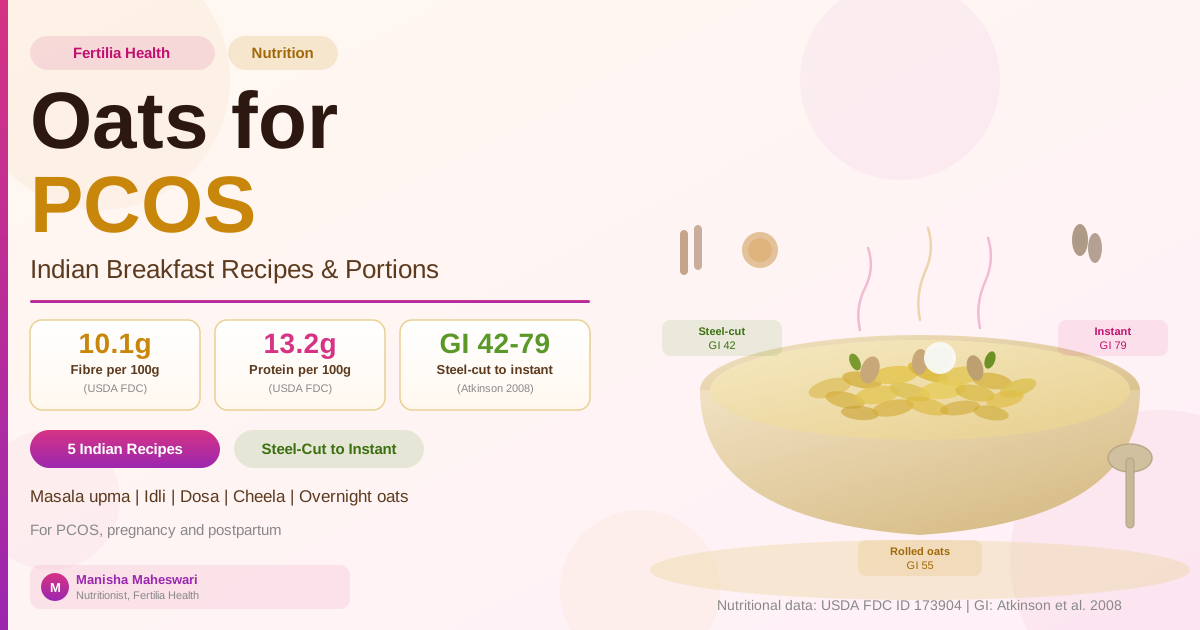
Oats have become a familiar breakfast grain in Indian kitchens over the last decade. You will find them in most supermarkets in three main forms: steel-cut, rolled, and instant. Each one cooks differently, has a different texture, and comes with a different glycemic index (GI) number, which is simply a measure of how quickly a food raises blood sugar compared to plain glucose.
This post covers what is in oats nutritionally, how the three types compare, how much to eat at different life stages, what to pair them with, and five PCOS-friendly Indian recipes you can make at home.
For the science behind why oats fit into a PCOS eating plan, read our complete guide to insulin resistance and PCOS.
What Is in Oats? Nutritional Facts (USDA FoodData Central)
The numbers below come from USDA FoodData Central (FDC ID 173904) for raw rolled oats.
Per 100g raw oats:
| Nutrient | Amount |
|---|---|
| Energy | 379 kcal |
| Protein | 13.2 g |
| Total Fat | 6.9 g |
| Carbohydrates | 67.7 g |
| Dietary Fibre | 10.1 g |
| Calcium | 54 mg |
| Iron | 4.7 mg |
| Magnesium | 177 mg |
| Zinc | 3.6 mg |
| Folate | 56 mcg |
| Phosphorus | 523 mg |
| Potassium | 429 mg |
Per 40g (half katori raw, one standard breakfast serving):
| Nutrient | Amount |
|---|---|
| Energy | 152 kcal |
| Protein | 5.3 g |
| Dietary Fibre | 4.0 g |
| Iron | 1.9 mg |
| Magnesium | 70.8 mg |
| Zinc | 1.4 mg |
The protein content (13.2g per 100g) is higher than most other breakfast grains, and the fibre level (10.1g per 100g) is comparable to rajma and chana. That combination makes oats filling in a way that plain white bread or cornflakes simply are not.
For more on how to build a high-fibre Indian plate, see our guide to high-fibre Indian foods for PCOS.
Steel-Cut vs Rolled vs Instant Oats: Which Should You Choose?
All three types start from the same whole oat groat. The difference is how much processing has happened before you buy them.
| Type | What It Is | Glycemic Index | Cooking Time | Texture | Best For |
|---|---|---|---|---|---|
| Steel-cut oats | Whole groat cut into 3-4 pieces | GI 42 | 20-30 min | Chewy, nutty | Overnight soaking, slow-cook khichdi-style |
| Rolled oats | Groat steamed and flattened | GI 55 | 5-10 min | Soft, creamy | Upma, idli batter, cheela, porridge |
| Instant oats | Pre-cooked and very thinly rolled | GI 79 | 1-2 min | Very soft | Least preferred, use only when time is very short |
GI values are from Atkinson et al. 2008 (International Tables of Glycemic Index and Glycemic Load, Diabetes Care), which is the standard reference for these comparisons.
Practical bottom line: Rolled oats are the most versatile for Indian cooking and are widely available. If you can plan ahead, steel-cut oats soaked overnight and cooked in the morning give you the lowest GI and the most fibre. Instant oats are the least preferred because of their higher GI and because many brands add sugar, salt, and additives.
For a complete ranked list of low-GI Indian foods, see our low-GI Indian foods cheat sheet for PCOS.
How Much Oats to Eat? Portion Guide by Life Stage
A katori in this table refers to a standard Indian steel katori (approximately 100-120ml volume). Portions below are for dry/raw oats before cooking.
| Life Stage | Daily Portion (Dry) | Notes |
|---|---|---|
| General (adult women) | 40-50g (half katori) | Once daily at breakfast is enough |
| PCOS | 40-50g (half katori) | Pair with protein and fat; avoid instant oats |
| Pregnancy (all trimesters) | 40-50g | Warm and plain suits most women; pair with a squeeze of nimbu pani so the iron is better absorbed |
| Postpartum | 40g, well-cooked | Easy to digest; combine with ghee and jaggery for warmth |
| Postpartum (Week 3+) | 50g | Can be used in lactation recipes like oats-methi laddoo base |
| GDM (gestational diabetes) | 30-40g; check with your doctor | Steel-cut or rolled preferred; avoid instant; monitor blood sugar response |
Women with gestational diabetes should check blood sugar responses after meals and adjust portions based on their readings and their doctor’s advice.
WhatsApp CTA
Not sure how to fit oats into your PCOS meal plan? Dr. Suganya and the Fertilia team are happy to guide you through a personalised eating plan.
For more on this, read our guide on 20 PCOS-Friendly Indian Breakfast Ideas (+ 7-Day Meal Plan). Chat with Dr. Suganya on WhatsApp
What to Pair with Oats for a Better Breakfast
Oats on their own are mostly carbohydrate. The protein and fat you add to your bowl determine how satisfying the meal actually is.
Good additions:
- Dahi (plain, unsweetened): 2-3 tablespoons stirred in after cooking adds protein and probiotics. See our dahi nutrition and recipe guide for more on incorporating curd daily.
- Boiled egg or paneer: One egg or 30g paneer added to a savoury oats recipe adds 6-7g of protein.
- A small handful of almonds or walnuts: Adds fat and keeps you full until lunch.
- Roasted pumpkin seeds or til: One tablespoon each; good sources of zinc and calcium.
- Seasonal vegetables: Tomato, onion, carrot, palak, methi added to upma or cheela recipes.
Avoid pairing with:
- Fruit juice: Even fresh fruit juice adds a concentrated sugar load that changes how the meal affects your blood sugar.
- Sweetened yoghurt or flavoured milk.
- White sugar or store-bought jaggery powder with additives. If you want sweetness, a small piece of whole jaggery in the water while cooking adds flavour without additives.
Buying Guide: What to Look for on the Label
The oats aisle in a supermarket can be confusing. A few rules that make it simple:
Always buy plain oats (ingredient list: “rolled oats” or “oat groats”, nothing else). Brands that clearly sell plain rolled oats include Quaker Old Fashioned Oats, Saffola Oats plain variety, and Kellogg’s plain oats.
Read the label on instant oats packets carefully. Many flavoured instant oat sachets labelled “masala” or “strawberry” or “apple cinnamon” contain:
- Added sugar (sometimes listed as maltodextrin, dextrose, or corn syrup solids)
- Salt at amounts much higher than you would add at home
- Artificial flavour
- Thickeners
These additions are unnecessary and counter the purpose of eating oats in the first place. The plain variety of any brand is always the better choice.
Steel-cut oats are sold by a few brands in India (True Elements, Quaker Steel Cut Oats). They are coarser, take longer to cook, and are less common. If you find them, they are worth trying.
Storage: Keep oats in an airtight container, away from moisture. In the Indian climate, shelf life is around 6-9 months once opened. Steel-cut oats store well for up to a year in an airtight tin.
5 PCOS-Friendly Indian Oats Recipes
1. Masala Oats Upma
A savoury, filling breakfast that comes together in under 15 minutes.
Serves: 1
Prep time: 5 minutes | Cook time: 10 minutes
Ingredients:
- 40g (half katori) rolled oats
- 1 teaspoon oil or ghee
- Half teaspoon mustard seeds
- Half teaspoon cumin seeds
- 1 small onion, finely chopped
- 1 small tomato, finely chopped
- Half carrot, grated
- Small handful fresh peas or any seasonal sabzi
- Half teaspoon haldi
- Half teaspoon dhania-jeera powder
- Salt to taste
- 180-200ml water
- Fresh coriander and a squeeze of nimbu to finish
Method:
- In a kadai, heat oil. Add mustard and cumin seeds; let them splutter.
- Add onion and cook until soft, about 3 minutes.
- Add tomato and cook until mushy.
- Add grated carrot, haldi, and dhania-jeera powder. Stir well.
- Pour in water. Bring to a simmer.
- Add oats. Stir and cook on medium heat for 5-7 minutes until water is absorbed and oats are cooked through but not mushy.
- Finish with fresh coriander and nimbu juice. Serve hot.
Note: You can use any vegetable you have at home. Palak, capsicum, and beans all work well.
2. Oats Idli
A softer, lighter version of the classic idli using oats in place of part of the rice.
Makes: 10-12 idlis
Prep time: 15 minutes (plus 30 minutes soaking) | Cook time: 12 minutes
Ingredients:
- 100g rolled oats
- 50g urad dal (split, without skin)
- 50g rava (semolina) - optional, for fluffiness
- Half teaspoon salt
- Water to adjust batter consistency
- Oil for greasing the idli moulds
Method:
- Dry-roast oats in a pan on low heat for 3-4 minutes until slightly nutty. Let cool.
- Soak urad dal in water for 30 minutes.
- Grind urad dal to a smooth batter. Transfer to a bowl.
- Blend or pulse the roasted oats into a coarse flour. Mix into the urad dal batter.
- If using rava, add it now. Add salt. The batter should be thick but pourable (like regular idli batter). Add water slowly to adjust.
- Let the batter rest for 10-15 minutes.
- Grease idli moulds. Pour batter into each mould.
- Steam for 10-12 minutes until a toothpick inserted comes out clean.
- Serve with coconut chutney or sambar.
Note: Unlike traditional idli batter, this version does not need overnight fermentation. It is a quick, fresh batter.
3. Quick Oats Dosa
Thin, crispy crepes made from oats batter. Ready in 20 minutes, no soaking needed.
Makes: 6-8 dosas
Prep time: 10 minutes | Cook time: 15 minutes
Ingredients:
- 80g rolled oats, powdered in mixer
- 30g rice flour
- 1 tablespoon urad dal flour (or powdered urad dal)
- Half teaspoon cumin seeds
- 1 green chilli, finely chopped
- Small piece ginger, grated
- Salt to taste
- Water to make a thin, pourable batter (roughly 350-400ml)
- Oil for cooking
Method:
- In a bowl, combine powdered oats, rice flour, urad dal flour, cumin, green chilli, ginger, and salt.
- Add water gradually and whisk until you have a very thin, lacy batter. (Thinner than regular dosa batter.)
- Heat a tawa on medium-high. Lightly oil it.
- Pour one ladle of batter from a height onto the tawa in a thin layer. The batter will spread naturally.
- Drizzle a few drops of oil. Cook until the edges lift and the surface looks dry.
- Flip and cook for 30 seconds more.
- Serve with chutney or sambar.
4. Oats Methi Cheela
A savoury pancake combining the fibre of oats with the bitterness of fresh methi (fenugreek) leaves.
Makes: 4 cheelas
Prep time: 10 minutes | Cook time: 15 minutes
Ingredients:
- 60g rolled oats, powdered
- 2 tablespoons besan (chickpea flour)
- Small bunch fresh methi leaves, roughly chopped
- 1 tablespoon grated carrot
- Half teaspoon cumin seeds
- Quarter teaspoon ajwain
- Pinch haldi
- Salt and green chilli to taste
- Water to make a thick, pourable batter
- Oil for cooking
Method:
- Combine powdered oats and besan in a bowl.
- Add methi, carrot, cumin, ajwain, haldi, salt, and green chilli.
- Add water gradually to form a smooth batter with the consistency of thick dosa batter.
- Heat a tawa on medium. Brush with a few drops of oil.
- Pour a ladleful of batter and spread in a circle.
- Cook on medium heat until the edges brown, about 3-4 minutes.
- Flip and cook for 2 more minutes.
- Serve with dahi or green chutney.
Why methi? Fresh methi is widely available across India and adds a pleasant bitterness that balances the mild flavour of oats. It is also a common ingredient in traditional postpartum cooking across many Indian states.
5. Overnight Oats with Dahi and Seasonal Fruit
No cooking required. Prepare the night before and eat straight from the fridge in the morning.
Serves: 1
Prep time: 5 minutes | Chill time: overnight (6-8 hours)
Ingredients:
- 40g rolled oats
- 100g plain dahi (full-fat or low-fat, unsweetened)
- 80ml low-fat milk or water
- 1 tablespoon chia seeds (optional)
- Small piece jaggery, grated (about 5g), or skip entirely
- Seasonal fruit to top: seasonal guava, papaya, pomegranate, or a small banana
Method:
- In a jar or bowl, combine oats, dahi, and milk. Stir well.
- Add chia seeds if using.
- Add grated jaggery and stir.
- Cover and refrigerate overnight.
- In the morning, give it a stir. The oats will have absorbed the liquid and softened completely.
- Top with seasonal fruit and eat cold or at room temperature.
Note: The dahi adds protein to this bowl. The overnight soaking also softens the oats naturally, which changes the texture to something between a thick pudding and a light porridge. This is easy to digest and works well during the first trimester when you want something cold and mild.
WhatsApp CTA
Want a personalised PCOS meal plan that includes oats and other Indian grains? Share your current eating habits with Dr. Suganya’s team and get guidance tailored to your needs. Oats are just one piece of a bigger plate, and Dr. Suganya’s 90-day PCOS Symptom Reversal program builds them into a full eating plan shaped around your own PCOS drivers.
WhatsApp Dr. Suganya at Fertilia
Or visit fertilia.in/resources/pcos-diet/ to download our free PCOS diet guide.
Frequently Asked Questions
Q: Can I eat oats every day if I have PCOS?
Yes. A daily serving of 40-50g of plain rolled oats or steel-cut oats as part of breakfast is suitable for most women with PCOS. The key is to pair it with protein (dahi, egg, paneer) and avoid adding sugar or flavoured pre-mixes. If you have gestational diabetes alongside PCOS, discuss the right portion with your doctor.
Q: Which type of oats is best for PCOS: steel-cut, rolled, or instant?
Steel-cut oats have the lowest glycemic index (GI 42) because they are the least processed. Rolled oats (GI 55) are a practical everyday choice and work well in Indian recipes. Instant oats (GI 79) are the least preferred. For a detailed breakdown of GI values for Indian foods, see our low-GI Indian foods guide.
Q: Is it okay to eat oats during pregnancy?
Yes, plain oats are safe and nutritious during all three trimesters. They are a good source of fibre (which helps with pregnancy constipation), iron, and magnesium. Eat them cooked and warm. If you have gestational diabetes, keep the portion to 30-40g and monitor your blood sugar response.
Q: Can I have oats in the postpartum period?
Yes. Oats are light, easy to digest, and can be prepared with ghee and jaggery in the early weeks for warmth. From week 3 onwards, oats can be used as a base for traditional lactation foods alongside methi.
Q: Can I use flavoured instant oat packets?
Flavoured instant oats packets frequently contain added sugar, salt, and artificial flavours. Plain oats from any brand are always the better choice. Check the ingredient list: if anything other than “oats” or “rolled oats” is listed, put it back.
Q: What is a good protein source to add to oats at breakfast?
Two to three tablespoons of plain dahi stirred in, one boiled egg on the side, 30g of paneer in a savoury upma, or a tablespoon of peanut butter in an overnight oats bowl are all good options. Adding protein to oats makes the meal more filling and helps balance the carbohydrate content of the grain.
Q: Is the PCOS diet chart guide on Fertilia’s website useful alongside these recipes?
Yes. For a broader view of what to eat and avoid across all meals, see our PCOS diet chart for Indian women. The oats recipes in this post work as breakfast options within that broader framework.