Every Indian kitchen has its own dahi rhythm. In Tamil Nadu, the meal is not complete without a small mound of thayir sadam, white and gleaming, finished with a splutter of mustard seeds in ghee. In North India, a cold bowl of dahi sits alongside rotis at lunch, or is stirred with jeera powder for a quick raita. In Gujarat, thick shrikhand is made fresh for weddings and festivals. In Kerala, moru curry brings a warm, spiced version to the table.
For women in particular, this everyday staple delivers consistent nutritional value without any special preparation. A bowl with lunch, a glass of chaas mid-afternoon, a serving of raita with dinner: these small habits collectively provide meaningful calcium, protein, and B vitamins across the day.
This guide covers exactly what dahi contains, how to read the difference between homemade and packaged options, the right daily portions at each life stage, and five recipes worth adding to weekly rotation. At Fertilia, plain dahi is a staple in the meal plans our nutrition team designs for women across India.
What is dahi and how is it made?
Dahi is fermented whole milk. Warm milk is seeded with a small amount of starter dahi (from the previous batch), then left undisturbed at room temperature until it sets into a thick, tangy mass.
The fermentation converts most of the lactose in milk into lactic acid. The acid lowers the pH of the milk and causes the milk proteins to coagulate into a gel. The result is a food that is thicker than milk, tangier in flavour, and easier for many people to manage if they find fresh milk difficult.
All of the nutrition in the original milk (protein, calcium, fat, B vitamins) is retained in the finished dahi. Nothing is lost in fermentation; in fact, some of the B vitamins (particularly riboflavin) increase slightly during the fermentation process.
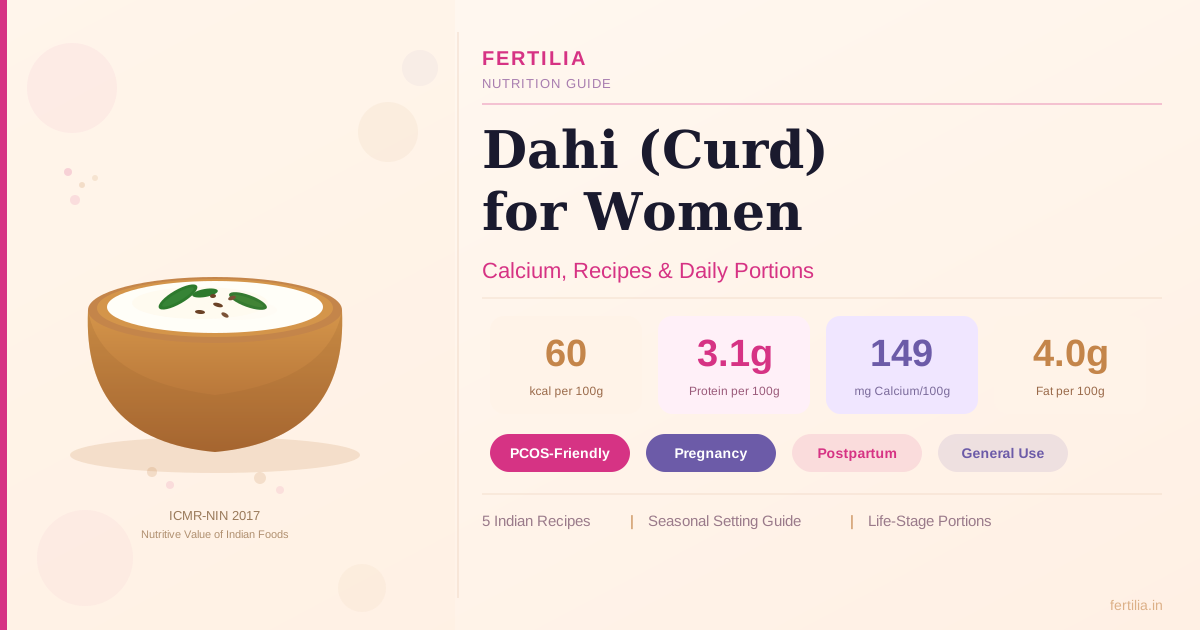
Nutritional profile: full-fat dahi per 100g
Source: ICMR-NIN 2017, Nutritive Value of Indian Foods (cow’s milk, full-fat dahi)
| Nutrient | Per 100g |
|---|---|
| Energy | 60 kcal |
| Protein | 3.1g |
| Fat | 4.0g |
| Carbohydrates | 3.0g |
| Calcium | 149mg |
| Phosphorus | 93mg |
| Iron | 0.2mg |
| Riboflavin (Vitamin B2) | 0.14mg |
| Vitamin A | 31 mcg |
A standard small bowl of 200g provides:
- 120 kcal
- 6.2g protein
- 298mg calcium (a meaningful contribution toward the daily target)
- 8.0g fat
For comparison, a 200ml glass of whole milk provides approximately 240mg calcium per ICMR-NIN 2017. A bowl of dahi delivers a comparable amount from a more versatile, more digestible food that can go into raitas, chaas, curd rice, or desserts.
Regional names for dahi across India
Dahi by any other name is still the same fermented milk. Here is a quick reference table for the most common regional names.
| Language | Name | Script |
|---|---|---|
| Hindi | Dahi | दही |
| Tamil | Thayir | தயிர் |
| Telugu | Perugu | పెరుగు |
| Kannada | Mosaru | ಮೊಸರು |
| Bengali | Doi | দই |
| Marathi | Dahi | दही |
| Malayalam | Thairu | തൈര് |
| Odia | Dahi | ଦହି |
In South Indian grocery stores, you may also see “curd” used interchangeably with dahi on packaged product labels.
Homemade dahi vs packaged curd: what actually changes?
Both are dahi. The nutritional differences between well-made homemade dahi and good-quality packaged curd from a reputable dairy are modest. The more practical differences relate to texture, taste, and what goes into the product.
Homemade dahi uses fresh whole milk seeded with a starter from the previous batch. The fat content mirrors the original milk, the texture depends on how long it ferments and at what temperature, and the sourness increases with time. It is the most cost-effective option and has no additives.
Packaged curd from commercial dairies (Amul, Aavin, Nandini, Milky Mist, and others) uses standardised milk and specific commercial starter cultures. The result is a consistent, mild product. Most plain packaged curds do not have added sugar. Check the label for starch, gelatin, or carrageenan, which are sometimes added as stabilisers in lower-cost brands. A short ingredient list (milk, dahi starter or Lactobacillus cultures) is the cleaner option.
Hung curd (chakka): When dahi is strained through a muslin cloth for 4-6 hours, the liquid whey drains away. The remaining thick mass is hung curd, sometimes called chakka in Marathi or Greek-style curd in modern branding. Hung curd has higher protein per 100g (5.5-6g) and lower carbohydrates because the watery whey has been removed. It forms the base for shrikhand, flavoured dips, and tandoori marinades.
Drinking yogurt and flavoured curd: These are usually thinned and sweetened products. The added sugar content (sometimes 10-15g per 100g) makes them a separate food category from plain dahi. They are a treat rather than an everyday staple.
For everyday nutritional use, plain dahi (homemade or packaged, without added sugar) is the right choice.
Life-stage portions: how much dahi per day?
| Life Stage | Daily Amount | Suggested Use |
|---|---|---|
| General adult women | 200-400g | Raita, chaas, curd rice, or plain |
| PCOS | 200-300g | Plain or seasoned with jeera (avoid sweetened varieties) |
| Pregnancy (first trimester) | 150-200g, as tolerated | Plain or mild raita; reduce if nausea makes it unappealing |
| Pregnancy (second and third trimester) | 250-300g | One serving with lunch, one small serving in the afternoon |
| Postpartum (weeks 1 to 3) | 150-200g, start gently | Curd rice with a little ghee is easiest on digestion |
| Postpartum (weeks 4 onward) | 250-300g | Full range: raita, chaas, shrikhand, curd rice |
For women managing PCOS, plain dahi without sweeteners is a useful source of calcium and protein that fits well into a lower-GI eating pattern. For guidance on structuring the rest of your PCOS-friendly meals, see our PCOS diet chart for Indian women.
During pregnancy, calcium needs rise significantly. If you are in the second or third trimester, one bowl of dahi contributes roughly 300mg of calcium toward your daily total. For a complete breakdown of calcium targets across pregnancy and the foods that help you meet them, see our calcium in pregnancy guide.
In the postpartum weeks, many traditional Indian confinement diets include dahi in controlled amounts. It pairs well with ragi kanji, moong dal khichdi, and curd rice. For a full postpartum food plan by week, see our after delivery food guide for Indian mothers.
Not sure how to fit dahi into your daily plan during pregnancy or PCOS? WhatsApp our team for a quick personalised suggestion.
5 recipes using dahi
1. Kheera Raita (Cucumber Curd)
Serves: 2 | Prep: 5 minutes | Best for: All life stages, especially alongside lunch or dinner
Ingredients:
- 200g plain dahi
- 1 medium cucumber, grated or finely chopped (peeled if preferred)
- 1/2 tsp roasted jeera powder
- A pinch of red chilli powder or green chilli, finely chopped
- A few curry leaves, finely chopped (optional)
- Salt to taste
- Fresh coriander for garnish
Method:
- Whisk the dahi in a bowl until smooth and lump-free.
- Add the cucumber, jeera powder, chilli, curry leaves, and salt.
- Mix well. Refrigerate for 15 minutes if you have time.
- Garnish with coriander and serve alongside rice, roti, or khichdi.
Nutrition per serving (approx.): 70 kcal, 3.1g protein, 149mg calcium
2. Curd Rice (Thayir Sadam)
Serves: 2 | Prep: 10 minutes | Best for: Postpartum recovery, summer meals, easy digestion days
Ingredients:
- 200g cooked white or parboiled rice (1 cup dry, cooked)
- 200g plain dahi
- 1 tsp ghee
- 1/2 tsp mustard seeds
- 8-10 curry leaves
- 1 green chilli, slit (omit in early postpartum if preferred)
- 1 tbsp finely grated fresh ginger
- 2 tbsp pomegranate arils or grated carrot (optional, for colour and texture)
- Salt to taste
Method:
- Lightly mash the warm rice with the back of a spoon while it is still hot.
- Add dahi and mix thoroughly. Season with salt. The warmth of the rice loosens the dahi into a creamy consistency.
- Heat ghee in a small pan. Add mustard seeds and wait for them to splutter. Add curry leaves, chilli, and ginger.
- Pour the tempering over the curd rice and mix.
- Garnish with pomegranate arils or grated carrot. Serve immediately or pack for lunch.
Note for early postpartum: Skip the chilli and reduce ginger to a pinch in the first 2-3 weeks if your digestion is adjusting.
3. Boondi Raita
Serves: 2-3 | Prep: 10 minutes | Best for: Festive meals, alongside biryani or pulao
Ingredients:
- 200g plain dahi
- 4 tbsp salted boondi
- 1/2 tsp jeera powder
- 1/4 tsp chaat masala
- A pinch of black salt
- Fresh coriander leaves for garnish
Method:
- Soak the boondi in warm water for 5 minutes, then squeeze out the water gently.
- Whisk the dahi until smooth.
- Add softened boondi and all the spices. Mix well.
- Garnish with coriander and serve chilled.
Tip: Prepare this 30 minutes before serving so the boondi softens fully into the dahi. If the dahi is very thick, thin it with 2-3 tablespoons of water.
4. Shrikhand
Serves: 3-4 | Prep: 15 minutes active, plus 4-6 hours straining | Best for: Postpartum recovery, festive occasions, high-protein dessert
Ingredients:
- 500g full-fat plain dahi
- 2-3 tbsp jaggery powder (adjust to taste)
- 1/4 tsp cardamom powder
- A small pinch of saffron soaked in 1 tsp warm milk for 10 minutes
- 8-10 soaked almonds, slivered (optional)
- 6-8 pistachios, chopped (optional)
Method:
- Line a colander with a clean muslin or cotton cloth. Pour in the dahi and tie the ends of the cloth together.
- Hang it over a bowl or refrigerate with the colander resting on a bowl for 4-6 hours (or overnight). The whey drains out slowly, leaving a thick, cream-cheese-like mass called chakka.
- Transfer the chakka to a bowl. Add jaggery powder, cardamom, and saffron-infused milk.
- Mix until smooth and uniform. Taste and adjust sweetness.
- Chill for 30 minutes before serving.
- Garnish with slivered almonds and chopped pistachios.
Save the whey: The drained liquid is protein-rich. Use it in place of water when kneading roti dough, add it to dal, or drink it as-is with a pinch of salt.
Note: Using jaggery instead of refined sugar keeps the glycaemic load lower. Start with 2 tablespoons and increase only if needed.
5. Masala Chaas (Spiced Buttermilk)
Serves: 2 | Prep: 5 minutes | Best for: Afternoon hydration, PCOS, pregnancy, all year round
Ingredients:
- 150g plain dahi
- 250ml chilled water
- 1/4 tsp roasted jeera powder
- A 1cm piece of fresh ginger
- 6-7 fresh mint leaves
- A pinch of black salt
- Regular salt to taste
Method:
- Combine dahi, water, ginger, and mint leaves in a blender. Blend until frothy.
- Add jeera powder, black salt, and regular salt. Stir well.
- Pour into glasses over ice and serve immediately.
For more chaas variations and nutritional details, see the chaas benefits guide.
How to set dahi at home: a seasonal guide
Setting dahi at home is a two-step process. Warm the milk to the right temperature, add a small amount of starter, and leave it undisturbed.
Temperature: The milk needs to be warm, not hot. Hold your clean finger in the milk for 3-5 seconds: if it is comfortable throughout, the temperature is right (approximately 38-42 degrees Celsius). If the milk is too hot, it kills the starter. If it is too cool, the starter does not activate and the milk stays liquid.
Starter quantity: One teaspoon of dahi per 500ml of milk is enough. More than this causes the dahi to set too fast and turn overly sour.
Summer (March to September): Setting time is 4-6 hours at room temperature. In very hot kitchens, dahi turns sour quickly after setting. Set it in the morning for a lunch-time batch, and refrigerate as soon as it has firmed up to slow further fermentation.
Winter (October to February): Setting time is 8-12 hours. Keep the bowl wrapped in a thick cloth, in a warm corner of the kitchen (near the stove), or inside an unlit oven with just the light on. In very cold kitchens, mixing 1-2 teaspoons of warm milk into the starter before combining it with the full batch of warm milk can help activate the culture.
Monsoon (June to September): High humidity generally helps dahi set well, but watch for over-fermentation in warm, damp conditions. In cooler, drier monsoon regions, treat it like a mild winter batch.
Troubleshooting:
- Watery dahi: The starter-to-milk ratio was off, the milk was too hot, or the bowl was moved during setting. Strain the watery result through a cloth to concentrate it into hung curd.
- Dahi that did not set at all: The milk was too hot (starter was killed) or too cold (starter was dormant). Try again with correctly tempered milk.
- Very sour dahi: It was left too long at warm temperatures. Refrigerate sooner next time. Very sour dahi works well in marinades, roti dough, and cooking even if it is too sharp to eat plain.
Buying and storage guide
Choosing packaged curd: Look for plain curd with a short ingredient list: milk and starter culture or Lactobacillus species. Avoid products with added starch, gelatin, or carrageenan unless the texture or creaminess is specifically what you want. Check that the manufacturing date is recent (ideally within 3 days) and that no excess watery whey has accumulated (a small amount of surface whey is normal in good-quality curd without thickeners).
Storing dahi: Cover and refrigerate as soon as it has set. Use within 3 days. Once the smell moves from pleasantly tangy to sharply fermented, the dahi is past its best for eating plain. It can still go into marinades, dough, or cooking at this stage.
Using the whey: The liquid that separates from dahi is nutritious and should not be discarded. Add it to atta for roti dough (makes the bread softer), use it as the base for dal or soups, or add it to smoothies. It contains B vitamins, some protein, and trace minerals.
For a full list of calcium and iron-rich Indian foods across all food groups, see our iron and calcium food guide.
For a broader look at high-fibre Indian foods that pair well with dahi in a daily meal plan, see our high-fibre Indian foods guide.
Frequently Asked Questions
Q: How much dahi should I eat during pregnancy?
Two servings of 150-200g each per day is a practical target during the second and third trimester. One serving with lunch and one in the afternoon works well. That provides approximately 440-590mg calcium from dahi alone, contributing toward the total daily target of 1,200mg from all food sources. For a full breakdown of how to reach that total across a pregnancy day, see our calcium in pregnancy guide.
Q: Can I eat dahi if I find fresh milk difficult to digest?
Many women who find fresh milk uncomfortable do manage dahi well. The fermentation process converts much of the lactose in milk into lactic acid, reducing (though not eliminating) the lactose content. Start with a small amount (50g) and see how you feel before building up the portion.
Q: Is full-fat dahi better than low-fat for women?
For most women, full-fat dahi is a practical and satisfying choice. The fat content supports absorption of fat-soluble vitamins and contributes to satiety after meals. Low-fat options are available, but many require stabilisers to maintain texture. If you have a specific reason to watch total fat intake, check with your nutritionist before switching.
Q: Can dahi be eaten at night?
Yes. There is no nutritional reason to avoid dahi in the evening. The traditional caution in some households against eating dahi at night is a cultural preference rather than a food science finding. A small bowl in the evening adds useful protein and calcium to the day.
Q: Is Greek yogurt the same as dahi?
Not exactly. Greek yogurt is strained dahi (similar to hung curd or chakka). It has higher protein per 100g (8-10g compared to 3.1g in regular dahi) and a thicker texture, because the watery whey has been removed. Nutritionally useful, but it is a different product. For everyday Indian cooking and raita recipes, plain dahi is usually the right choice. Greek yogurt works well as a hung-curd substitute in shrikhand and dips.
Q: What is the best dahi for PCOS?
Plain, unsweetened dahi, whether homemade or packaged. Avoid flavoured curd, drinking yogurt, and sweetened varieties. A plain 200g serving fits well into a lower-GI meal structure alongside dal, sabzi, and roti or jowar bhakri.
Q: Does dahi have the same calcium as milk?
ICMR-NIN 2017 reports 149mg calcium per 100g of full-fat dahi and approximately 120mg calcium per 100ml of whole cow’s milk. The two are closely comparable, making dahi an equivalent and often more versatile source of calcium across the day.
Looking for a food plan tailored to your life stage, whether PCOS, pregnancy, or postpartum recovery? Our nutritionist is available for a quick WhatsApp consultation.
Calcium-rich everyday foods like dahi matter most during pregnancy, and our 90-day Pregnancy Care program helps you reach that daily calcium without complicated changes.