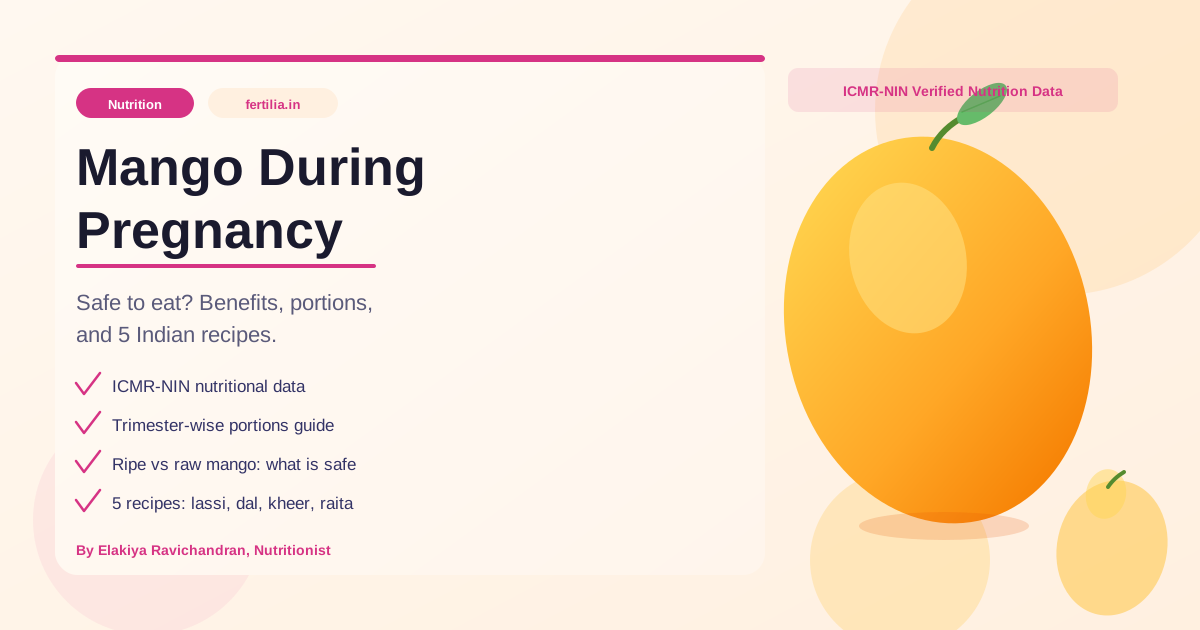
Mango is safe during pregnancy: 1 to 1.5 cups of ripe mango (150 to 200g) per day is ideal across all three trimesters. One medium mango provides 86mcg folate (22% of the 400mcg daily target), 36mg vitamin C, and 168mg potassium. If you have gestational diabetes, limit to 1/2 cup and count toward your carbohydrate plan.
For more on this, read our guide on Guava During Pregnancy.
For more on this, read our guide on Watermelon During Pregnancy.
Mango in Pregnancy: Quick Reference
| Guidance | |
|---|---|
| Safe in pregnancy? | Yes. Ripe mango is safe throughout all three trimesters of pregnancy. |
| Daily amount | 1st & 3rd trimester: 100–150g (3–4×/week); 2nd trimester: 150–200g (4–5×/week) |
| If gestational diabetes | Ask your doctor about portions; monitor blood sugar response carefully |
| Key nutrients | Beta-carotene 2,220mcg · Vitamin C 16mg · Iron 1.3mg per 100g; Folate ~86mcg per 200g (ICMR-NIN 2017) |
| Best time | As part of a meal or paired with dahi; avoid eating on an empty stomach in large amounts |
| Skip if | Mango pickle (achaar) daily - limit to 1–2 pieces due to high salt content |
Jump to: What Mango Contains · Ripe vs Raw Mango · How Much to Eat · 5 Recipes · Buying & Storing · FAQs
Every summer in India, mangoes take over. Carts stacked with Hapus. Vendors calling out Kesar and Totapuri. The smell of a ripe mango in the market is enough to make anyone want to eat one right then.
If you are pregnant and you love mangoes, you have likely heard at least one concern. Maybe a well-meaning relative said mango causes body heat. Maybe someone mentioned something about sugar. Maybe your mother-in-law suggested waiting until after delivery.
This post gives you clear information: what mango actually contains, how much to eat at each stage of pregnancy, the difference between ripe and raw mango, and five recipes to bring it into your daily meals.
What Does Mango Contain?
The values below come from the Indian Council of Medical Research, National Institute of Nutrition (ICMR-NIN), Nutritive Value of Indian Foods (2017 edition), the most authoritative reference for Indian food composition.
| Nutrient | Amount per 100g (ripe mango) |
|---|---|
| Energy | 74 kcal |
| Carbohydrate | 16.9g |
| Protein | 0.6g |
| Fat | 0.4g |
| Crude Fibre | 0.7g |
| Calcium | 14mg |
| Iron | 1.3mg |
| Phosphorus | 16mg |
| Vitamin C | 16mg |
| Beta-carotene | 2,220mcg |
Source: ICMR-NIN, Nutritive Value of Indian Foods, 2017
Beta-carotene gives Indian mangoes their deep orange and yellow colour. Your body converts beta-carotene into Vitamin A as needed.
For folate, USDA FoodData Central (FDC ID 169910) lists 43mcg per 100g of raw mango. One medium mango (approximately 200g of edible fruit) provides around 86mcg of folate, about 22% of the 400mcg recommended daily during pregnancy.
Mango also provides potassium. USDA FoodData Central lists approximately 168mg of potassium per 100g.
Indian Names for Mango
Mango is called different names across Indian kitchens, and the varieties differ by region too.
| Language | Name | Common Varieties |
|---|---|---|
| Hindi | Aam | Alphonso (Hapus), Langra, Dasheri, Chausa |
| Tamil | Mangai / Mambalam | Kesar, Neelam, Totapuri, Banganapalli |
| Telugu | Mamidi | Banganapalli, Totapuri, Suvarnarekha |
| Kannada | Maavina hannu | Alphonso, Badami, Totapuri |
| Marathi | Amba | Alphonso (Hapus), Pairi, Keshar |
| Gujarati | Keri | Kesar, Alphonso |
| Bengali | Aamer | Himsagar, Langra, Fazli |
Ripe Mango vs Raw Green Mango
Both ripe and raw mango are part of Indian cooking. They have different nutritional profiles and work differently in the kitchen.
| Ripe Mango | Raw (Green) Mango | |
|---|---|---|
| Appearance | Orange or yellow flesh, soft | Green skin, firm white flesh |
| Taste | Sweet | Tart and sour |
| Beta-carotene (per 100g) | 2,220mcg | 180mcg |
| Vitamin C (per 100g) | 16mg | 46mg |
| Iron (per 100g) | 1.3mg | 0.5mg |
| Common uses | Lassi, kheer, raita, eaten fresh | Dal, aam panna, chutney |
Source: ICMR-NIN, Nutritive Value of Indian Foods, 2017
Ripe mango is eaten directly, added to lassi and shakes, used in sweet dishes like kheer and payasam, and stirred into raita. It is safe at all stages of pregnancy.
Raw mango (kairi) is used in savoury dishes. Aam panna is a popular summer drink made from boiled raw mango. Raw mango dal is a South Indian and Maharashtrian staple. Small amounts of raw mango in cooking or as fresh chutney are safe.
Raw mango pickle (achaar or manga oorukai) is made with raw mango, mustard, salt, and oil. One or two pieces as a side is fine if you enjoy it, but it is not a daily food during pregnancy because of its high salt and oil content.
How Much Mango to Eat During Pregnancy
The following is a general portion guide based on the fruit’s overall nutritional balance. Mango is naturally sweet, so pairing it with a protein-rich food (like dahi in a lassi, or with a handful of roasted chana) makes it a more filling part of a balanced meal.
| Stage | Serving | Frequency |
|---|---|---|
| First trimester | 100-150g (1 small mango) | 3-4 times per week |
| Second trimester | 150-200g (1 medium mango) | 4-5 times per week |
| Third trimester | 100-150g (1 small mango) | 3-4 times per week |
| Postpartum (breastfeeding) | 150-200g | Daily during the mango season |
| PCOS (non-pregnant) | 100g | 2-3 times per week |
A medium Indian mango (Alphonso or Kesar) weighs around 200-250g whole. Once peeled and the seed removed, the edible portion is typically 150-200g.
If your doctor has asked you to monitor your blood sugar during pregnancy, ask them specifically about mango portions for your situation. For more on eating well during pregnancy with gestational diabetes, read our complete guide to gestational diabetes in pregnancy.
Also useful: Banana in Pregnancy: How Many Daily? (All Trimesters) and Dates in Pregnancy: Benefits, Portions and 5 Indian Recipes cover two other popular pregnancy fruits with similar portion guides.
Want help putting together a trimester-wise meal plan? Our nutritionist team can create a personalised food plan based on your preferences and health history, as part of Dr. Suganya’s 90-day Pregnancy Care program. Chat with us on WhatsApp
5 Indian Mango Recipes for Pregnancy
1. Mango Lassi (Aam Lassi)
A simple, filling drink that combines the beta-carotene of mango with the protein and calcium of dahi.
Ingredients (1 serving):
- 1 ripe mango (150g), peeled and chopped
- 1 cup homemade or pasteurised full-fat dahi
- 1/4 teaspoon cardamom powder
- 1/4 cup cold water or crushed ice
- 1 teaspoon jaggery powder (optional, only if mango is tart)
Method: Blend all ingredients until smooth. Serve immediately. For a thicker version, reduce the water and serve in a tall glass.
2. Aam Panna (Raw Mango Summer Drink)
A classic Indian summer cooler made from boiled raw mango. Refreshing and easy on the stomach.
Ingredients (2 servings):
- 1 medium raw mango, washed
- 1 teaspoon roasted jeera (cumin) powder
- 1/4 teaspoon black salt (kala namak)
- A small bunch of fresh pudina (mint) leaves
- 2 cups cold water
- 1 tablespoon jaggery powder (adjust to taste)
Method: Pressure cook or boil the whole raw mango in water for 12 to 15 minutes until soft. Cool completely. Peel and squeeze the cooked pulp away from the seed. Discard the seed and skin. Blend pulp with water, jeera powder, black salt, pudina, and jaggery. Strain into a jug and pour over ice. Serve chilled.
3. Raw Mango Dal
A tangy, protein-rich dal from South Indian and Maharashtrian kitchens. Works well with toor dal or moong dal.
Ingredients (3-4 servings):
- 1 cup toor dal or moong dal, washed and pressure cooked until soft
- 1 small raw mango, peeled and diced
- 1 teaspoon mustard seeds
- 1 dried red chilli
- 1/2 teaspoon haldi
- 8 to 10 fresh curry leaves
- Salt to taste
- 1 teaspoon coconut oil or ghee
Method: Heat oil or ghee in a pan. Add mustard seeds and let them splutter. Add curry leaves, dried red chilli, and diced raw mango. Cook on medium heat for 5 minutes. Add cooked dal, haldi, and salt. Stir well and simmer for 10 minutes until the mango pieces soften into the dal. Adjust the consistency with water if needed. Serve with rice or phulka.
4. Mango Kheer (Aam Payasam)
A festive, nourishing sweet dish that works as an occasional treat during pregnancy.
Ingredients (3-4 servings):
- 1/2 cup small-grain rice (or sabudana for a lighter version), washed
- 1 cup thick coconut milk
- 1 cup full-fat milk
- 1 ripe mango, pureed (approximately 150g of pulp)
- 1/4 teaspoon cardamom powder
- 2 tablespoons jaggery powder
- A pinch of kesar (saffron) soaked in 2 tablespoons warm milk
Method: Cook rice or sabudana in 2 cups of water until completely soft. Add both milks. Simmer on low heat for 15 minutes, stirring occasionally. Remove from heat. Once the mixture has cooled slightly (not hot), stir in the mango puree, jaggery powder, cardamom, and saffron milk. Serve warm or refrigerate and serve chilled.
5. Mango Raita
A cooling side dish that pairs with any Indian meal and adds natural sweetness.
Ingredients (2 servings):
- 1 ripe mango (150g), peeled and cut into small cubes
- 1.5 cups thick dahi, whisked smooth
- 1/4 teaspoon roasted jeera powder
- A pinch of black salt
- Fresh coriander leaves, roughly chopped
Method: Whisk the dahi until completely smooth with no lumps. Fold in the diced mango gently. Season with jeera powder and black salt. Top with coriander leaves. Refrigerate for 15 minutes before serving. Pairs well with pulao, biryani, or plain roti.
Buying and Storing Mango
Buying ripe mango:
- Press gently near the stem end. A ripe mango gives slightly but should not feel mushy.
- The skin near the stem often has a light, sweet fragrance when the mango is ready.
- Choose mangoes with uniform colour (yellow or orange, depending on variety). Avoid those with large black soft spots or a fermented smell.
Buying raw mango:
- Choose firm, fully green mangoes with no soft spots or wrinkling.
Storing:
- Unripe mangoes ripen at room temperature in 3 to 7 days, depending on the variety and room temperature.
- Once ripe, keep in the refrigerator for up to 3 days.
- Peel, dice, and freeze in an airtight container for up to 4 months. Frozen mango pieces can go directly into smoothies, lassi, or kheer without thawing first.
- Mango pulp (blended smooth) freezes well in ice cube trays for up to 6 months. One cube at a time is easy to portion for recipes.
For a complete guide to fruits that fit well into a pregnancy diet, see our Fruits in Pregnancy resource.
Two more posts from our pregnancy nutrition series that you might find useful:
- Iron-Rich Foods for Pregnancy: Indian Guide
- After Delivery Food for Indian Mothers: What to Eat and Avoid
Have questions about what to eat at each stage of your pregnancy? Our nutritionist team is available on WhatsApp for personalised guidance. Connect with us on WhatsApp
Frequently Asked Questions
Is mango safe to eat in all three trimesters?
Yes. Ripe mango is safe throughout all three trimesters of pregnancy. It provides beta-carotene, Vitamin C, iron, and folate alongside natural fibre. Eat it as part of a balanced meal rather than on its own in large amounts.
Can mango cause miscarriage?
No. Mango does not cause miscarriage at normal dietary quantities. It is a widely eaten seasonal fruit in Indian households throughout pregnancy. One medium mango (150–200g) a day is a standard food amount, not associated with any adverse pregnancy outcomes.
How many mangoes can I eat per day during pregnancy?
One medium mango (150 to 200g of edible fruit) per day during the mango season is reasonable for most expecting mothers. If you are having two mangoes in a day, reduce other sweet foods in that meal to keep the overall diet balanced.
Can I eat raw green mango during pregnancy?
Yes, in moderation. Raw mango cooked in dal or used in aam panna is safe. Limit raw mango pickle (achaar or manga oorukai) to one or two pieces at a time because of its high salt content. Fresh green mango chutney in small amounts is also fine.
Does mango cause body heat during pregnancy?
This is a traditional belief in many Indian households. There is no scientific evidence that eating mango raises body temperature or is harmful during pregnancy. If a large amount of ripe mango eaten at once causes digestive discomfort like bloating or loose stools, try a smaller portion and pair it with dahi or have it as part of a meal rather than on an empty stomach.
Which mango variety is best during pregnancy?
Any ripe Indian mango is a good choice. Alphonso (Hapus) and Kesar are particularly high in beta-carotene because of their deep orange colour. Totapuri and Banganapalli are milder in sweetness and work well in cooked dishes like dal. Choose whatever variety is seasonal and locally available in your region.
Can I drink mango lassi during pregnancy?
Yes. A mango lassi made with pasteurised or homemade dahi is a good way to enjoy mango with added protein and calcium. Use full-fat dahi and sweeten with jaggery powder rather than white sugar when possible. Drink it as part of a meal rather than as a standalone snack for better satiety.
Pregnancy madhe mango chalto ka? (Can you eat mango during pregnancy?)
Yes. Ripe mango is safe during pregnancy. One medium mango (150 to 200g of edible fruit) a day during the season is a comfortable amount for most women. Eat it as part of a meal or paired with dahi rather than a large quantity on an empty stomach.
Is mango shake good during pregnancy?
Yes, in moderation. A mango shake made with pasteurised or homemade milk or dahi is a good way to combine mango with protein and calcium. Use about one mango’s worth of pulp per glass, sweeten with jaggery only if needed, have it with or after a meal, and keep it to one glass a day.
Does eating mango make you pregnant?
No. No food, mango included, can cause or prevent a pregnancy. Mango is simply a nutritious seasonal fruit that is safe and useful to eat while you are already pregnant.