In Tamil Nadu villages, thinai is older than rice. Sangam literature, some of the oldest Tamil poetry in existence, describes thinai cultivation alongside other millets. Before large-scale irrigation made polished rice universally available, foxtail millet fed communities through dry seasons and sparse rainfall.
Today, most urban kitchens have set thinai aside. But this small grain, golden-yellow when raw and nutty when cooked, has a nutritional profile that makes it worth bringing back into weekly rotation. It is particularly well-suited to women managing PCOS, those in the second and third trimester of pregnancy, and new mothers in the recovery weeks after delivery.
This guide covers what foxtail millet contains, what it is called across different Indian languages, how to prepare it in five practical recipes, and how much to eat at each life stage.
What Does Foxtail Millet Contain?
The values below come from the Indian Council of Medical Research, National Institute of Nutrition (ICMR-NIN), Nutritive Value of Indian Foods, 2017 edition. This is the authoritative reference for Indian food composition.
| Nutrient | Amount per 100g (raw grain) |
|---|---|
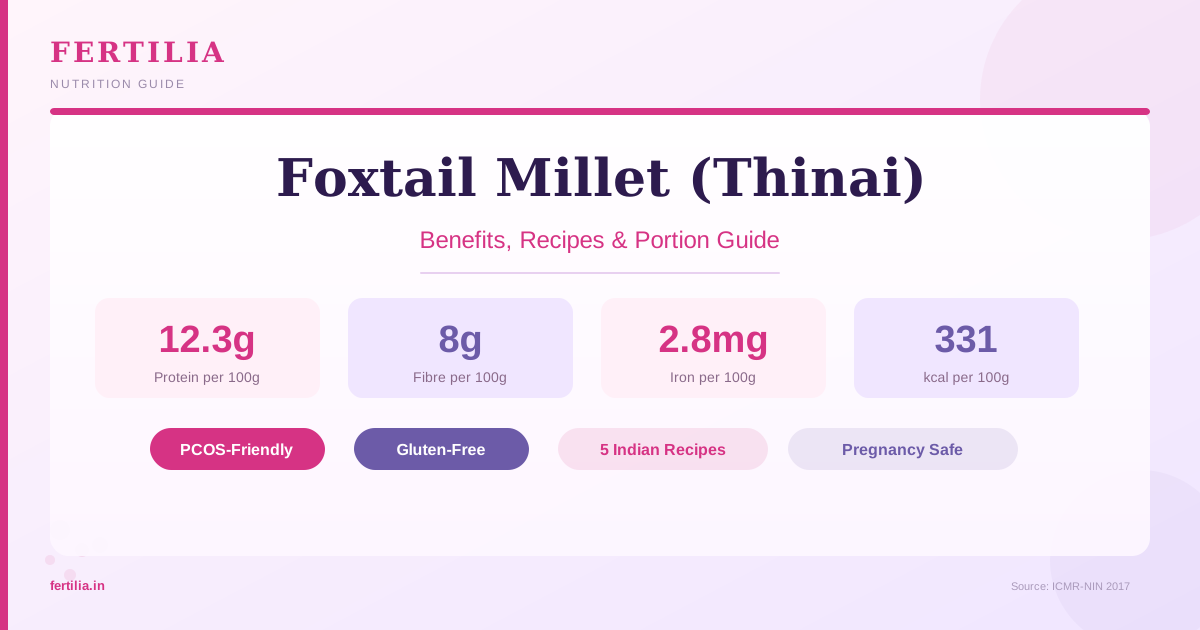
| Energy | 331 kcal |
| Protein | 12.3 g |
| Fat | 4.3 g |
| Carbohydrate | 60.9 g |
| Crude fibre | approx. 8 g |
| Calcium | 31 mg |
| Iron | 2.8 mg |
| Phosphorus | 290 mg |
| Zinc | 2.4 mg |
Source: ICMR-NIN, Nutritive Value of Indian Foods, 2017
A few figures are worth noting. The protein content at 12.3g per 100g is one of the highest among commonly eaten Indian grains. White rice provides approximately 6.8g of protein per 100g; whole wheat flour provides about 10.3g. For women who eat predominantly grain-based meals and find it challenging to reach a good daily protein intake, replacing white rice with foxtail millet at one meal adds a meaningful amount without changing the structure of the meal.
The iron content at 2.8 mg per 100g is lower than bajra (8.0 mg) but still a useful contributor when foxtail millet is eaten regularly alongside dal, leafy greens, and other iron-rich foods. Our iron-rich Indian foods guide for pregnancy has a full comparison across grains, dals, and vegetables.
Foxtail millet is naturally gluten-free, which makes it a safe everyday grain for women with gluten sensitivity or coeliac disease.
Foxtail Millet vs Other Common Indian Millets
Rotating millets throughout the week gives you the nutritional strengths of each grain. Here is how foxtail millet compares with bajra, ragi, and jowar:
| Millet | Protein (g) | Iron (mg) | Crude Fibre (g) | Calcium (mg) |
|---|---|---|---|---|
| Foxtail millet (thinai) | 12.3 | 2.8 | approx. 8 | 31 |
| Bajra (pearl millet) | 11.6 | 8.0 | approx. 8 | 42 |
| Ragi (finger millet) | 7.3 | 3.9 | 3.6 | 344 |
| Jowar (sorghum) | 10.4 | 4.1 | 6.3 | 25 |
All values per 100g raw grain, ICMR-NIN 2017
Foxtail millet is the protein leader among the four. Ragi is the calcium leader by a large margin. Bajra leads on iron. Jowar is particularly high in fibre. Using all four in rotation through the week means your grain intake draws from each grain’s strongest point rather than depending on any single one.
Want a personalised PCOS or pregnancy meal plan that includes millets? Download our free PCOS Diet Guide for a full Indian diet framework.
Regional Names for Foxtail Millet
| Region | Language | Local Name |
|---|---|---|
| Tamil Nadu | Tamil | Thinai (திணை) |
| Andhra Pradesh, Telangana | Telugu | Korralu |
| Karnataka | Kannada | Navane |
| Kerala | Malayalam | Thina |
| North India | Hindi | Kangni |
| Maharashtra | Marathi | Rala / Kang |
| Gujarat | Gujarati | Kang |
| Bengal | Bengali | Kaon |
| Botanical name | Latin | Setaria italica |
If you are buying foxtail millet at a South Indian grocery or kirana store, ask using the local name. In Tamil Nadu specifically, most traditional grain shops (nattu maligai or rice shops) stock thinai near the specialty grain section.
Foxtail Millet at Different Life Stages
For Women Managing PCOS
Foxtail millet fits naturally into a PCOS-supportive eating pattern. It provides 12.3g of protein and approximately 8g of crude fibre per 100g, both higher than white rice. For the science behind grain choices and PCOS, read our insulin resistance and PCOS guide.
Practical use: replace white rice at lunch or dinner with thinai pongal or thinai khichdi, 4 to 5 days per week.
During Pregnancy
Foxtail millet is a safe, nourishing grain across all three trimesters. It provides protein, B vitamins, and fibre that make it a well-rounded addition to a balanced pregnancy diet. Cook it well (pongal, khichdi, upma) rather than eating it partially cooked. Thinai pongal or thinai khichdi with dal and a vegetable side is a complete, balanced meal for a pregnancy lunch or dinner.
After Delivery
Foxtail millet is gentle on digestion and easy to prepare in soft, warm forms, which makes it practical in the early postpartum weeks. From week three onwards, thinai pongal or thinai upma cooked with a spoonful of ghee and light seasoning works well as a nourishing meal. Introduce it gradually if this is a new food. For a complete picture of postpartum nutrition, see our after-delivery food guide for Indian mothers.
For Everyday Use
You do not need a specific health concern to eat foxtail millet. It is an affordable, widely available grain that adapts easily to South Indian cooking styles. Thinai dosa and thinai upma slot into a regular breakfast rotation without requiring new cooking equipment or unfamiliar techniques.
Foxtail Millet Portions Guide
| Life Stage | Dry Grain (per serving) | Frequency | Notes |
|---|---|---|---|
| PCOS | 40g (approx. 1/3 cup) | Once daily | Replace rice at one meal |
| Pregnancy (T1) | 30g | Once daily | Pongal or khichdi preferred |
| Pregnancy (T2, T3) | 40-50g | Once or twice daily | Combine with dal for protein |
| Postpartum | 30g | Once daily, from week 3 | Cook soft with ghee and jeera |
| General (everyday) | 30-40g | 4-5 times per week | Rotate with bajra, ragi, jowar |
1/3 cup dry foxtail millet = approximately 40g = approximately 3/4 cup cooked
Want to know which foods work best for your stage of life? Chat with our nutritionist team for a personalised plan.
5 Foxtail Millet Recipes
1. Thinai Pongal (Khara Pongal)
Serves: 2 | Time: 25 minutes
Ingredients:
- 100g (1/2 cup) foxtail millet, rinsed
- 50g (1/4 cup) split yellow moong dal
- 2 cups water
- 1 tbsp ghee
- 1/2 tsp whole black pepper, coarsely crushed
- 1/2 tsp cumin seeds (jeera)
- 1/4 tsp freshly grated ginger
- 8 to 10 cashews (optional)
- A sprig of curry leaves
- Salt to taste
Method:
- Dry-roast the moong dal in a heavy pan for 2 to 3 minutes until fragrant. This improves digestibility and deepens the flavour.
- Combine the rinsed foxtail millet and roasted dal in a pressure cooker with 2 cups of water and a pinch of salt.
- Cook for 3 whistles, then let the pressure release naturally. The mixture should be soft and slightly mushy.
- Heat ghee in a small pan. Add jeera and wait for it to splutter. Add curry leaves, crushed pepper, and grated ginger. If using cashews, add them and fry until golden.
- Pour the tempering over the cooked pongal and mix gently.
Serve with: coconut chutney or tomato thokku. Add an extra spoonful of ghee for postpartum servings.
Portion: 1 large serving bowl (using 50g dry millet + 25g dal) provides approximately 350 kcal, 15g protein.
2. Thinai Dosa (Foxtail Millet Crepe)
Serves: 4 (approximately 8 small dosas) | Soaking time: 4 to 6 hours | Cook time: 20 minutes
Ingredients:
- 150g (3/4 cup) foxtail millet
- 50g (1/4 cup) split white urad dal
- 1/2 tsp fenugreek seeds (methi)
- Salt to taste
- Oil for cooking
Method:
- Soak the foxtail millet, urad dal, and methi seeds together in water for 4 to 6 hours.
- Drain and grind to a smooth batter, adding water gradually to reach a consistency similar to regular dosa batter. The batter does not need overnight fermentation.
- Add salt and let the batter rest at room temperature for 30 minutes.
- Heat a non-stick or cast-iron tawa over medium heat. Pour a ladleful of batter and spread into a thin circle.
- Drizzle a few drops of oil around the edges. Cook until the bottom turns golden and the surface looks set.
- Flip and cook for 30 seconds more.
Serve with: sambar and coconut chutney.
Note: Thinai dosa batter is slightly denser than rice dosa batter. Spreading it thin produces a crisper texture. Use a ladle with a flat bottom for easier spreading.
3. Thinai Upma
Serves: 2 | Time: 20 minutes
Ingredients:
- 100g (1/2 cup) foxtail millet, dry-roasted
- 1 small onion, finely chopped
- 1 small tomato, chopped
- 1/2 tsp mustard seeds
- 1/2 tsp chana dal
- 1/2 tsp urad dal
- 1 green chilli, slit
- A sprig of curry leaves
- 2 cups water
- 1 tbsp oil
- Salt to taste
- Fresh coriander and a squeeze of lemon to serve
Method:
- Dry-roast the foxtail millet in a pan for 3 to 4 minutes until lightly toasted. Set aside.
- Heat oil in a pan. Add mustard seeds and wait for them to pop. Add chana dal and urad dal, frying until golden. Add curry leaves and green chilli.
- Add onion and cook until translucent. Add tomato and cook until soft.
- Pour in 2 cups of water, add salt, and bring to a boil.
- Add the roasted millet to the boiling water. Stir once, reduce heat to low, cover, and cook for 10 to 12 minutes until the water is absorbed and the grain is tender.
- Fluff gently with a fork. Serve hot with a squeeze of lemon and fresh coriander.
4. Thinai Kheer (Foxtail Millet Payasam)
Serves: 3 to 4 | Time: 30 minutes
Ingredients:
- 60g (about 1/3 cup) foxtail millet, rinsed
- 500ml full-fat milk (or coconut milk for a dairy-free version)
- 3 tbsp jaggery powder (adjust to taste)
- 4 to 5 cardamom pods, crushed
- 1 tbsp ghee
- 1 tbsp raisins (kishmish)
- 10 cashews
- A pinch of saffron (optional), soaked in 2 tbsp warm milk
Method:
- Cook the rinsed foxtail millet in 1 cup of water until soft, about 15 minutes on low heat. The grain should be completely tender.
- Add the milk to the cooked millet and bring to a gentle simmer. Stir frequently to prevent sticking.
- Simmer on low heat for 8 to 10 minutes until the mixture thickens slightly.
- Add jaggery powder and stir well. Cook for 2 to 3 more minutes. Do not boil vigorously after adding jaggery as it can cause the milk to split.
- Heat ghee in a small pan. Fry cashews until golden, then add raisins until they plump. Add cardamom and saffron milk.
- Pour the tempering into the kheer and mix gently.
Serve: warm or at room temperature. This kheer works well as an afternoon snack or a nourishing dessert for pregnant and postpartum women.
5. Thinai Khichdi (One-Pot Foxtail Millet Meal)
Serves: 2 | Time: 25 minutes
Ingredients:
- 100g (1/2 cup) foxtail millet, rinsed
- 50g (1/4 cup) masoor dal or moong dal
- 1 small carrot, diced
- 1/2 cup green peas (fresh or frozen)
- 1 small onion, chopped
- 1/2 tsp cumin seeds
- 1/4 tsp turmeric (haldi)
- 1/4 tsp garam masala
- 1 tbsp ghee or oil
- 2.5 cups water
- Salt to taste
- Fresh coriander to serve
Method:
- Heat ghee in a pressure cooker. Add cumin seeds and let them splutter.
- Add onion and cook for 2 to 3 minutes until softened. Add haldi and garam masala, stir for 30 seconds.
- Add the rinsed foxtail millet, dal, carrot, peas, salt, and water. Mix well.
- Pressure cook for 2 whistles. Let the pressure release naturally.
- Open and stir gently. Add more water if you prefer a softer, porridge-like consistency.
- Top with fresh coriander and a small spoonful of ghee.
Serve with: a bowl of dahi and lemon pickle. This khichdi is a complete one-pot meal with protein from both grain and dal.
Buying and Storage Guide
Where to buy foxtail millet in India:
- South Indian grocery stores and nattu maligai shops (ask for thinai or korralu)
- Organic supermarkets (labelled foxtail millet or kangni)
- Online: Nature’s Gift, Pro Nature, 24 Mantra Organic, Down To Earth
- Larger supermarkets: Big Bazaar, Reliance Smart, DMart (stock varies by region)
What to look for: Clean, evenly coloured golden grains with no visible moisture or clumping. Avoid any bag with a musty or stale smell.
Storage: An airtight glass or stainless-steel container kept away from direct sunlight works well. Foxtail millet keeps for up to six months at room temperature and up to a year when refrigerated.
Building a Millet Rotation
No single millet covers all nutritional bases. Foxtail millet leads on protein among common Indian millets. Ragi leads on calcium (364 mg per 100g). Bajra leads on iron (8.0 mg per 100g). Jowar is particularly high in fibre. Rotating all four through the week means you benefit from each grain’s strengths.
A practical weekly rotation:
- Monday, Thursday: Ragi (ragi dosa, ragi kanji, ragi roti)
- Tuesday, Friday: Bajra (bhakri, bajra khichdi, bajra raab)
- Wednesday, Saturday: Foxtail millet (thinai pongal, thinai dosa, thinai upma)
- Sunday: Jowar or regular rice
You do not have to give up rice entirely. Even replacing rice at one meal per day with a millet dish shifts the overall nutritional quality of the day meaningfully. Our bajra guide, ragi guide, and jowar guide have recipe ideas for the other millets in the rotation.
Frequently Asked Questions
Is foxtail millet good for PCOS? Foxtail millet is a practical choice for women managing PCOS. It provides 12.3g of protein and approximately 8g of crude fibre per 100g, both higher than white rice. Use it as a regular rice replacement at one meal per day. Our PCOS and insulin resistance guide covers the full dietary science behind grain selection in PCOS.
Can I eat foxtail millet during pregnancy? Yes. Foxtail millet is a safe, nutritious grain for all three trimesters. It provides protein, B vitamins, and fibre that support a well-balanced pregnancy diet. Cook it thoroughly (pongal, khichdi, or upma) rather than using it in undercooked or soaked forms. Pair it with dal and a vegetable side for a complete meal.
Is foxtail millet gluten-free? Yes. Foxtail millet is naturally gluten-free. If you are managing coeliac disease, look for packaging with a certified gluten-free label, as processing facilities can sometimes introduce cross-contamination with wheat-containing grains.
How is foxtail millet different from finger millet (ragi)? Both are ancient South Indian millets, but they have very different nutritional profiles. Ragi has far more calcium (364 mg per 100g versus 31 mg for foxtail millet), making it the preferred millet for bone health and lactation support. Foxtail millet has more protein (12.3g versus 7.3g per 100g). They complement each other well in a millet rotation rather than serving as substitutes.
How much foxtail millet should I eat per day? A practical starting portion is 30 to 40g dry grain (about 1/3 cup), which yields approximately 3/4 cup cooked. This is one serving per meal. Women managing PCOS can use this daily as a rice replacement at lunch or dinner. Increase gradually based on what sits well with your digestion.
Can I give foxtail millet to my toddler? Foxtail millet can be introduced to toddlers after one year. Start with soft preparations like kheer or khichdi, which cook to a smooth consistency that young children handle easily. Introduce it alongside other familiar foods and monitor digestion in the first few days.
Where can I buy foxtail millet in Tamil Nadu? In Tamil Nadu, thinai is widely available at nattu maligai (traditional grocery stores), rice shops, and cooperative stores. Chennai, Coimbatore, Madurai, and Trichy all have organic shops that stock it year-round. Online delivery is also reliable through stores like Nature’s Gift and 24 Mantra.
Foxtail millet has been part of South Indian food culture for thousands of years. The recipes above are adaptations of preparations that Tamil, Telugu, and Kannada households have used across generations, adjusted for modern kitchens and pressure cookers. Bringing thinai back into your weekly rotation is a simple change that works within the food culture you already have.
Ready to add foxtail millet to your meals? If you would like a personalised meal plan for PCOS or pregnancy nutrition, the Fertilia team is here to help. For PCOS, low-GI millets like thinai are a natural fit for the everyday plates in Dr. Suganya’s 90-day PCOS Symptom Reversal program.