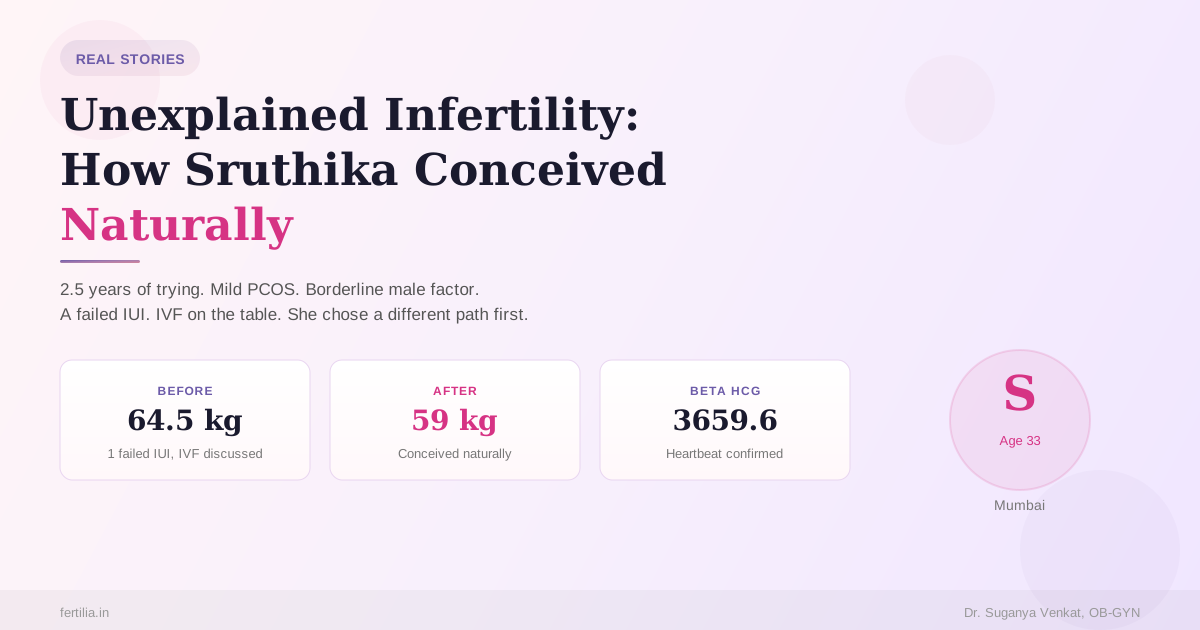
Names have been changed to protect patient privacy. Clinical details and images are shared with the patient’s consent.
When Sruthika reached out to us, she did not open with a dramatic story. She opened with something quieter: confusion.
She was 33. A doctor herself. Married for two and a half years to Amit, also from a scientific background. Both of them had been trying to make sense of their situation logically, reading reports, understanding timelines, weighing options. But somewhere underneath the logic, there were questions neither of them was voicing out loud.
We are doing everything we can. Nothing seems seriously wrong. Then why does this still feel so difficult?
That is the question that many couples carry silently. And for couples like Sruthika and Amit, where reports are not severely abnormal yet conception still feels delayed, that confusion itself becomes the heaviest part.
The Situation
Sruthika is from a South Indian background. Amit is from a North Indian family. They have been settled in Mumbai. For the first year, they tried naturally. When conception did not happen, they underwent fertility evaluations.
Sruthika’s profile:
- Age: 33
- Trying to conceive: Over 2 years
- AMH: 4.72 ng/mL (good ovarian reserve)
- TSH and HbA1c: Within normal range
- Weight: 64.5 kg (overweight for her height)
- Ultrasound finding: Mild right-sided polycystic ovarian morphology
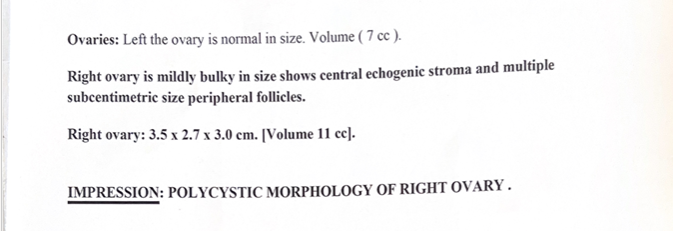
The right ovary was mildly bulky with multiple peripheral follicles and central echogenic stroma. Left ovary was normal. The impression was polycystic morphology of the right ovary, not full-blown PCOS by Rotterdam Criteria, but a tendency that could affect ovulation quality.

Her AMH of 4.72 ng/mL was reassuring. Ovarian reserve was good. TSH and HbA1c were within normal range. On paper, nothing was alarming.
Amit’s profile:
- Semen volume: 1 mL (low; WHO 2021 reference: 1.4 mL)
- Sperm morphology: 3% normal forms (borderline; WHO 2021 reference: 4%)
- Sperm count: 59 million/mL (normal)
- Motility: 68% (normal)
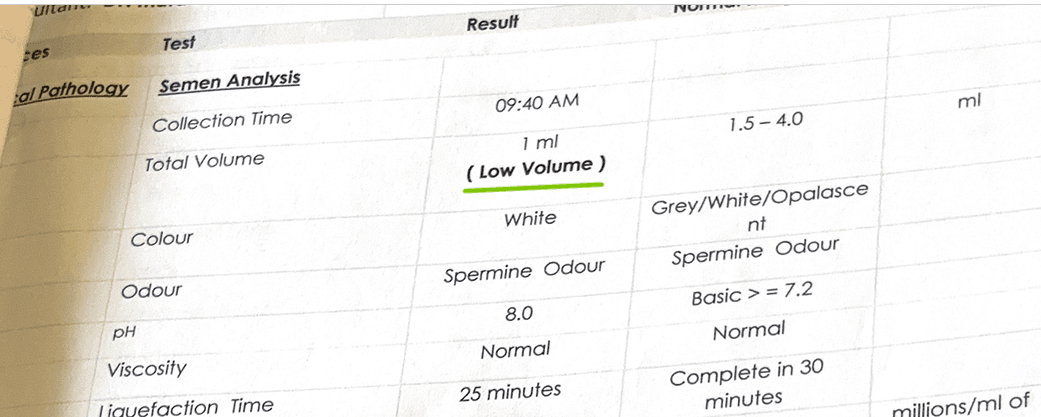
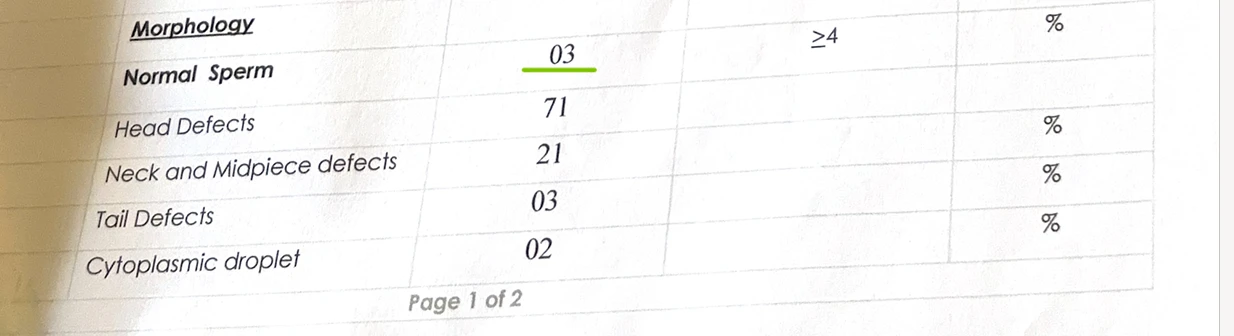
His semen analysis showed two borderline findings: low volume and slightly reduced morphology. Count and motility were fine. Not severe. Not entirely normal either. The kind of result that sits in a grey zone, where no single parameter is clearly abnormal, but the overall picture is not fully optimal.
This is the frustrating middle ground that many couples find themselves in. Nothing is clearly wrong. Yet pregnancy is not happening. And somewhere, the label “unexplained” starts forming, even though nobody has said it out loud yet.
What Happened Before Fertilia
After the initial tests, they were advised to continue trying naturally for some more time. When conception still did not happen after around 18 months, they approached a fertility centre.
That phase became emotionally difficult.
One of the investigations, an SSG (sono-salpingography) scan, turned out to be a traumatic experience. Physically painful. Emotionally draining. That experience left Sruthika with hesitation and fear towards further fertility-related procedures.
They were then advised to proceed with IUI treatment.
The first IUI: follicular maturity did not happen as expected
During the first IUI cycle, follicular monitoring showed that the dominant follicle did not reach optimal maturity. The cycle did not progress the way they had hoped.
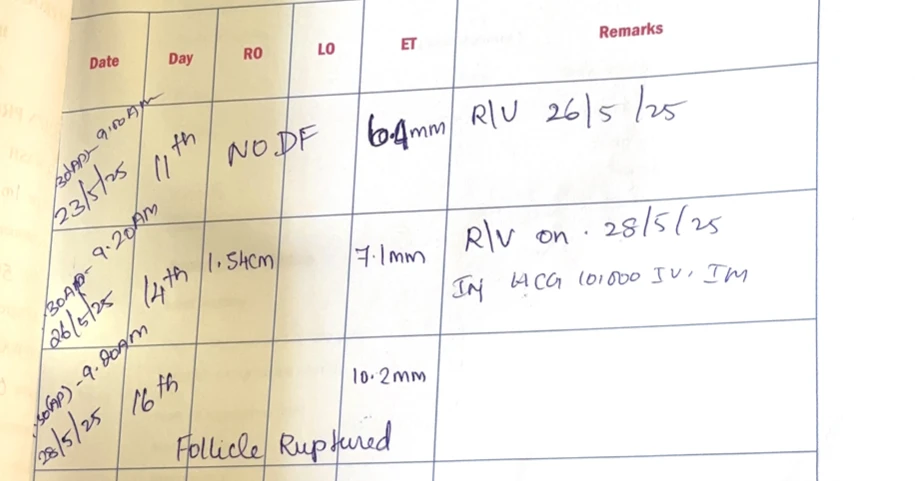
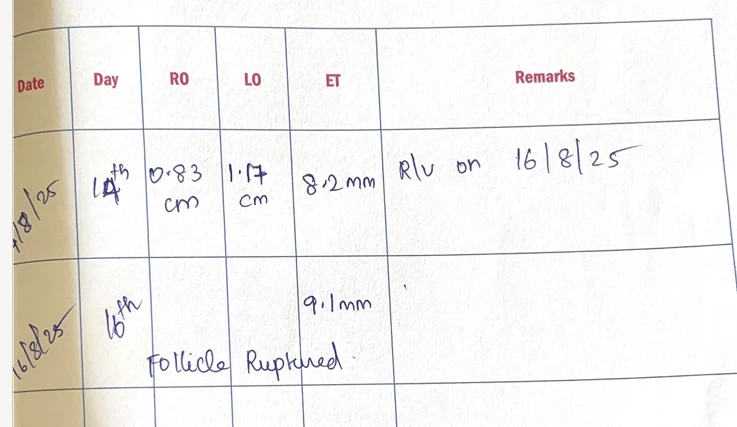
If you have gone through IUI or are considering it, you know how much emotional weight each cycle carries. Every scan. Every measurement. Every “let’s wait and see.” When the first cycle does not work, the disappointment is not just medical. It is deeply personal.
The second IUI: missed because of timing
The second IUI cycle got missed entirely because of timing and date confusion. A cycle that could have been an attempt became a missed opportunity.
Later, HSG was advised and the option of IVF was discussed. And somewhere, this became one of the most confusing points for both of them.
Should they continue waiting? Should they trust time? Should they move towards IVF? Or should they first try supporting the body differently?
They wanted to understand whether their bodies needed better hormonal, nutritional, and metabolic support to improve fertility naturally. But they were also in a genuine dilemma about what step to take next.
Caught Between “Continue Trying” and “Start IVF”?
If your reports look mostly normal but conception is not happening, you are not alone. Many couples fall into this grey zone. A personalised lifestyle program can help you understand whether your body needs support before deciding on the next medical step.
Why She Joined Fertilia
With growing confusion, emotional exhaustion, and uncertainty around procedures, Sruthika decided to join Fertilia. She was carrying many questions, a lot of confusion, and somewhere, a quiet hope:
Before moving ahead with more treatments, what if my body simply needs the right support? What if it still deserves one genuine chance to heal, respond, and try naturally?
Joining Fertilia felt like giving her body that chance. One meaningful opportunity before deciding what came next.
The Plan
When Sruthika joined, her complete history, previous treatments, reports, and concerns were carefully understood in the initial consultation. Rather than rushing into a protocol, the first focus was understanding where things stood and what realistic goals could be worked towards over the coming three months.
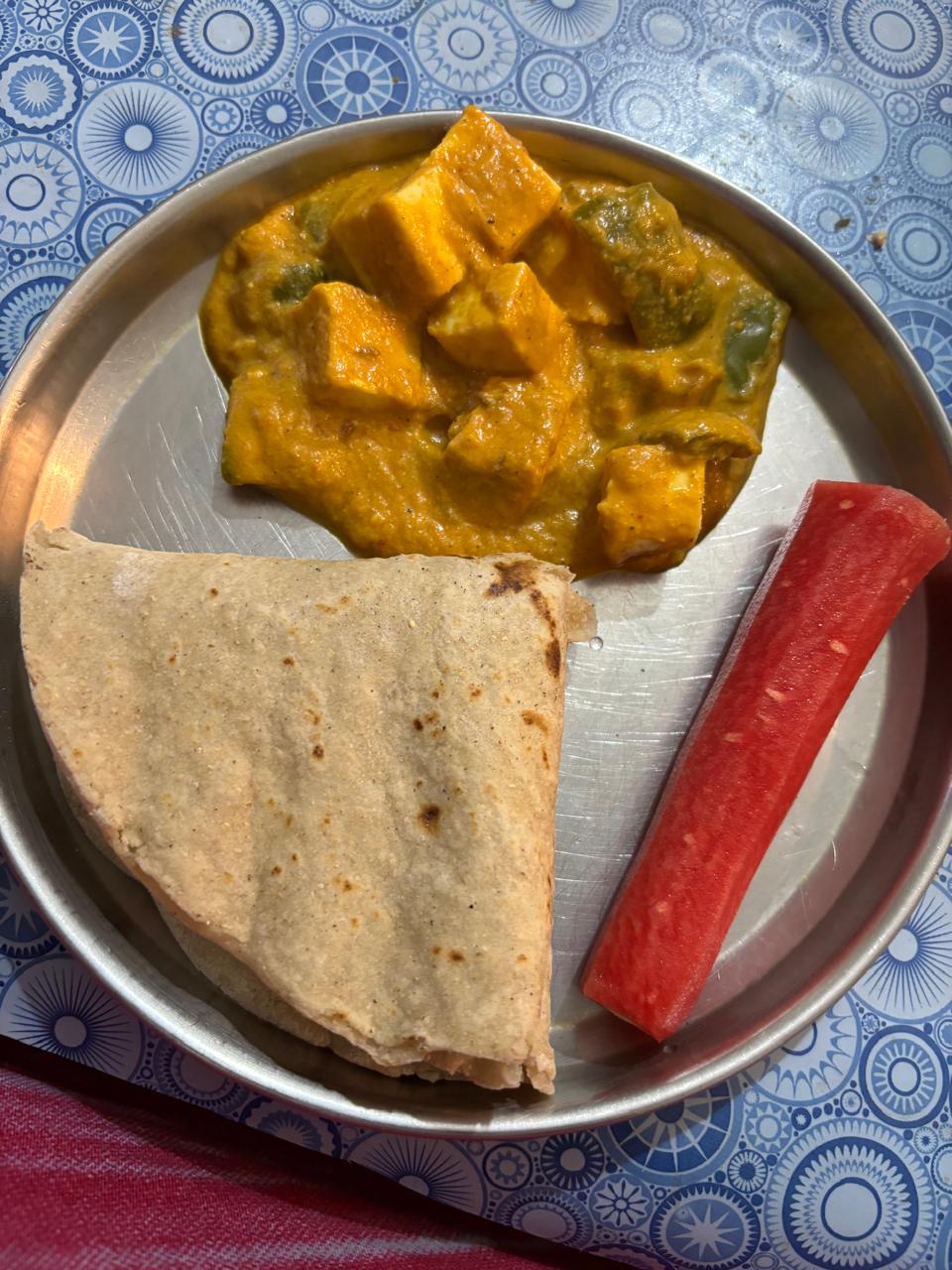
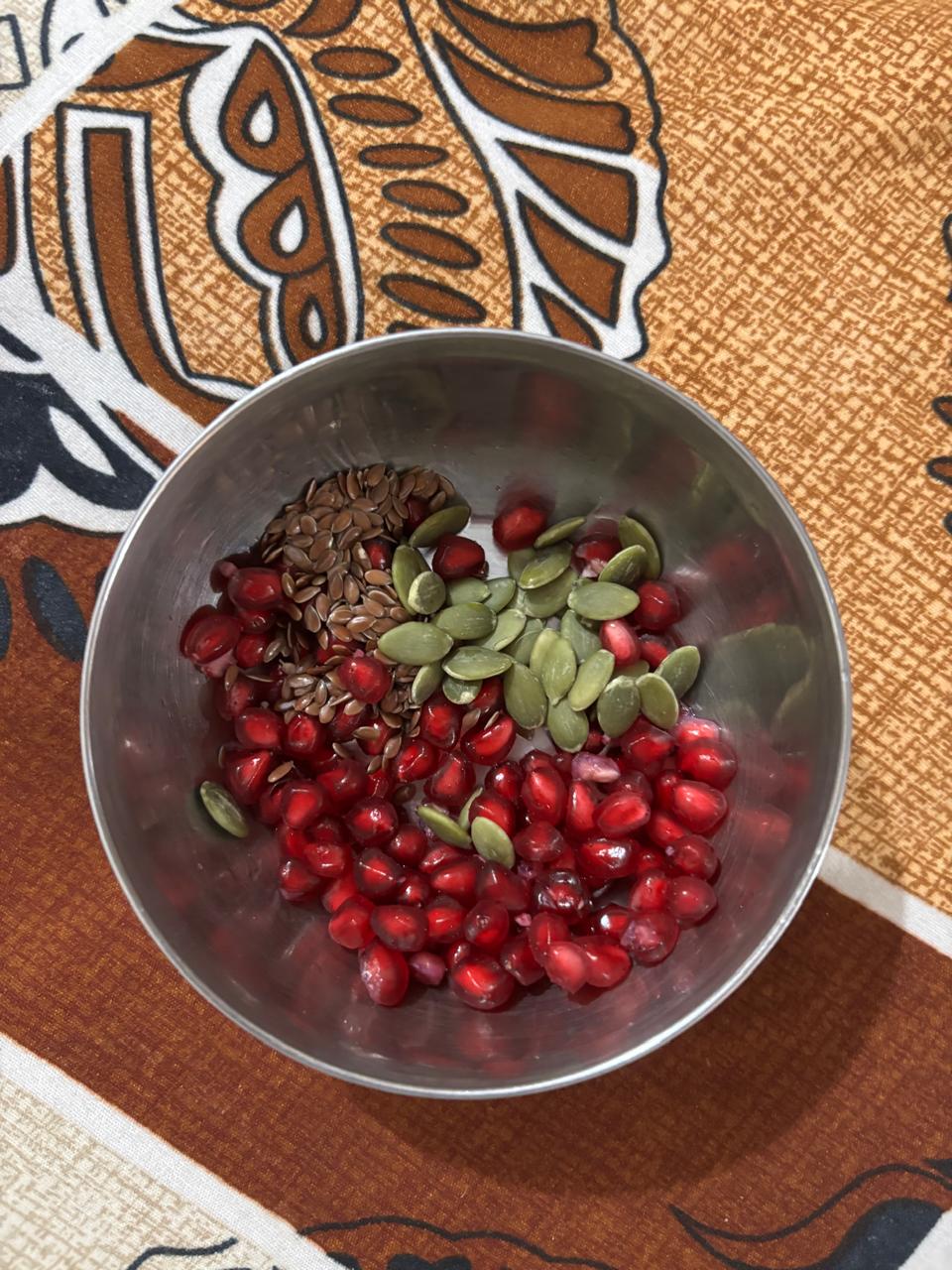
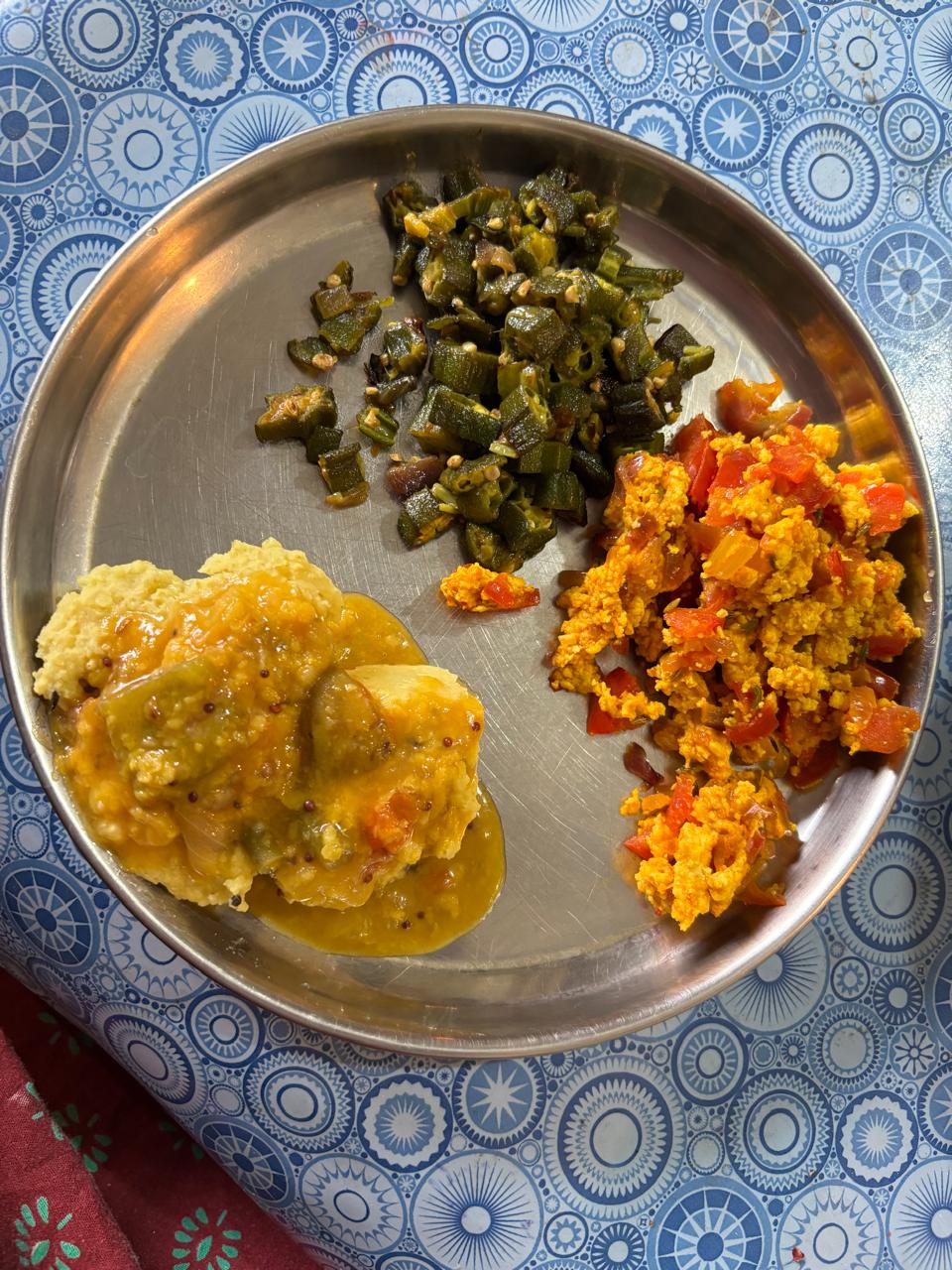
Personalised nutrition
This was the area where Sruthika had the most doubts. Like many women trying to conceive, she had read, heard, and scrolled through endless information online about foods. What to eat. What to avoid. What increases fertility. What affects hormones. Somewhere, food itself had become confusing.
Instead of following generic advice, a plan was structured according to her food preferences, daily routine, medical background, and fertility goals. The focus was not on restriction, but on building balanced, nourishing, fertility-friendly meals that were practical to follow consistently.
Exercise guidance
Fertility-friendly, realistic, and sustainable movement was recommended rather than extreme routines. Yoga and structured workouts were shared according to her needs, with adjustments as her body adapted.
Targeted supplementation
Based on her reports and fertility needs, targeted supplementations were suggested to support both hormonal and reproductive health. Her existing investigations were reviewed in detail rather than ordering a fresh set of redundant tests.
Fertile window tracking
Her fertile window guidance was shared regularly throughout the program, helping Sruthika and Amit understand timing and plan naturally in a less stressful and more informed way.
Weight management (fertility-supportive, not restrictive)
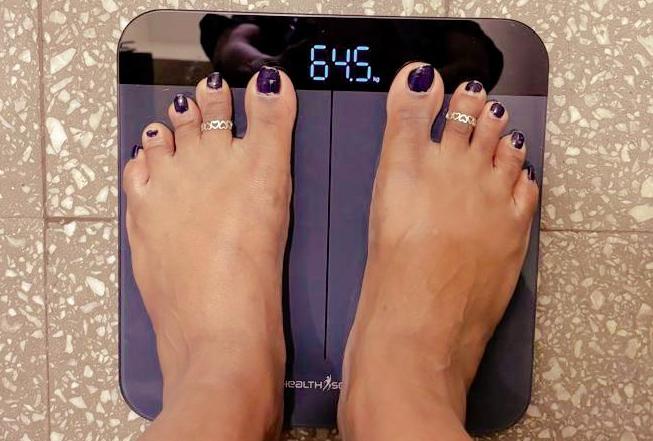
At 64.5 kg, Sruthika was in the overweight category for her height. This was considered as a supportive area to work on, not from a restrictive or punishing perspective, but from a fertility-supportive approach where even modest weight reduction can improve ovulation quality and hormonal balance.
The Journey
To her credit, Sruthika started following the process sincerely from the very beginning. But like any real journey, the beginning was not easy.
The first weeks: adjustment
Initially, she found it difficult to settle into the routine. She experienced severe headaches, struggled to adjust to the dietary changes, and there were phases where motivation felt low.
She was guided through it, with the team helping her understand that adapting to a new routine would naturally take time. What was lagging, what was going wrong, all of it was discussed openly rather than dismissed.
Little by little, her body started adapting. Balanced eating slowly became more natural. Instead of feeling forced, she actually started liking the way her meals looked and made her feel. She genuinely started looking forward to the workouts and yoga sessions.
Consistent check-ins
The weekly check-ins helped track her progress in a structured way. Not just weight, but how she was feeling, what was challenging, what she was proud of.
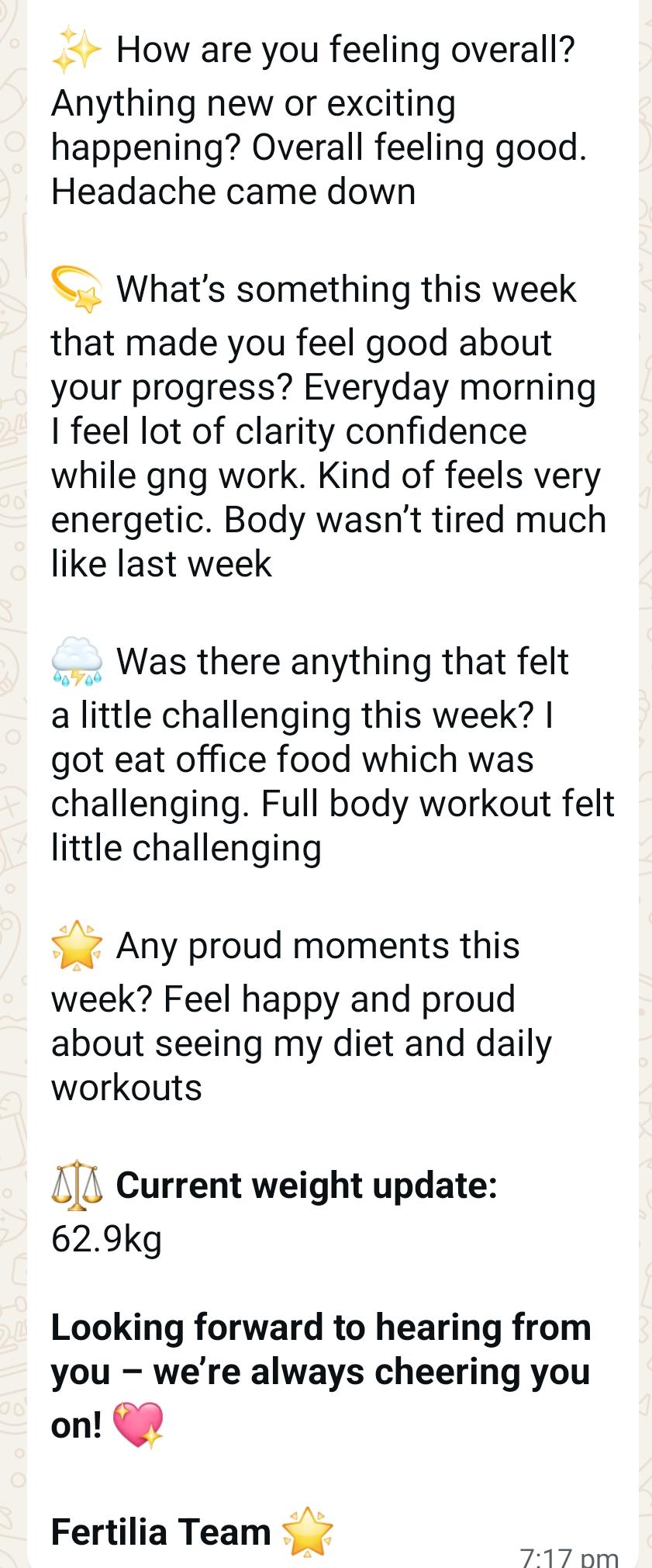
Her words during a check-in midway through the program: “Overall feeling good. Headache came down. Every morning I feel lot of clarity, confidence. Kind of feels very energetic. Body wasn’t tired much like last week.”
The first period: emotional setback
In the first month, when her periods came, she felt deeply upset. Somewhere, she had been holding on to a lot of hope and expectation. For nearly a week, she felt very low, overthought things, and the pressure of the fertility journey started feeling heavy again.
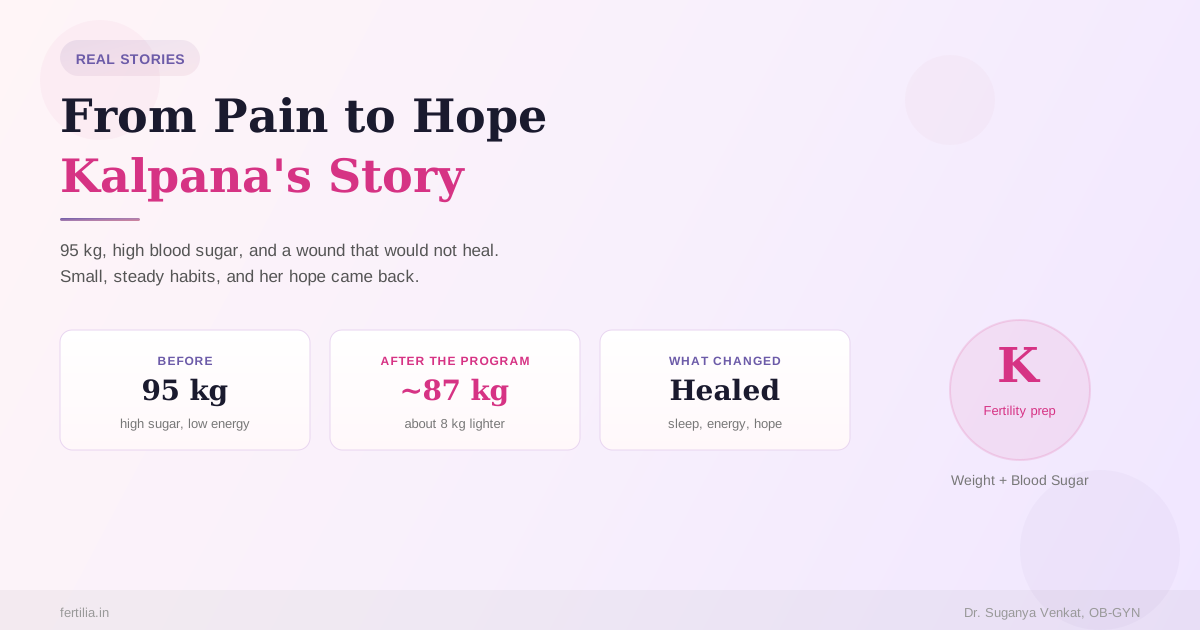
For more on this, read our guide on From Pain to Hope. There were moments where worries resurfaced, and naturally, some of that emotional pressure reflected in her relationship with Amit too. Since his work schedule was busy, she would worry about whether he was eating properly, especially during unavoidable situations where outside food became frequent.
But once again, she slowly gathered herself. Instead of giving up, she went back to following the routine, balancing her meals, staying regular with exercise, and continuing with the process sincerely.
A shift in perspective
Over time, she not only adapted to the routine but genuinely started liking the journey with Fertilia. The process slowly stopped feeling stressful all the time and started feeling more supportive, guided, and reassuring.
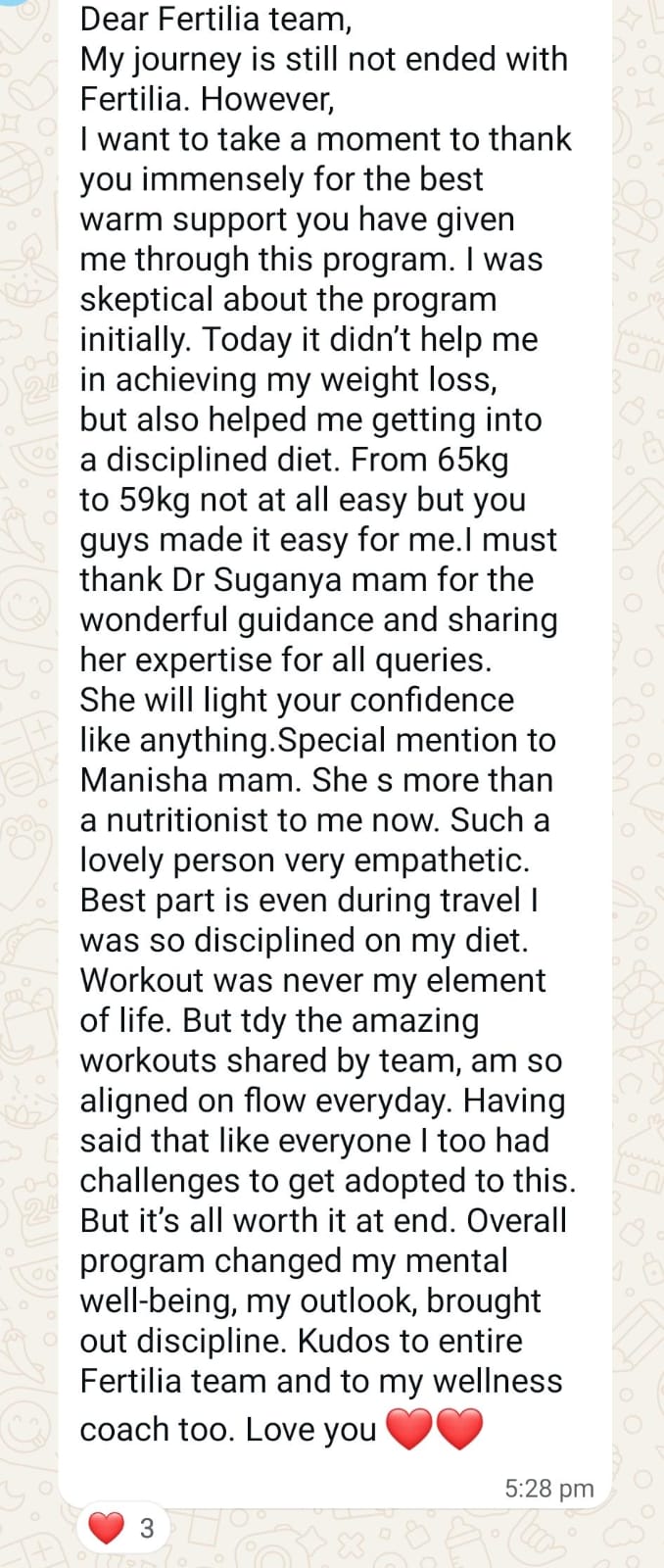
She shared this message midway through her journey:
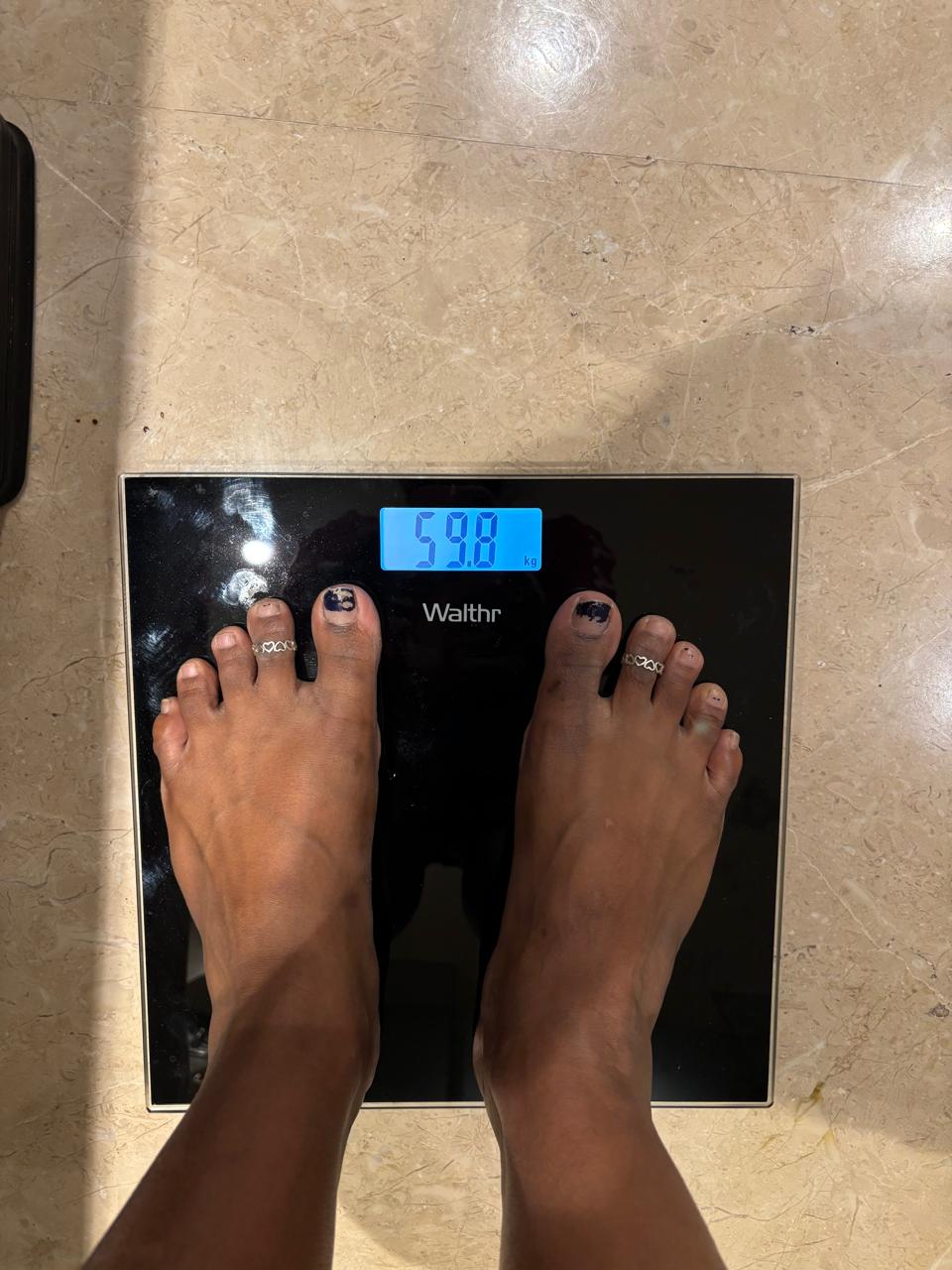
“I was skeptical about the program initially. Today it didn’t help me in achieving my weight loss, but also helped me getting into a disciplined diet. From 65 kg to 59 kg, not at all easy but you guys made it easy for me. I must thank Dr. Suganya mam for the wonderful guidance and sharing her expertise for all queries. She will light your confidence like anything. Special mention to Manisha mam. She’s more than a nutritionist to me now. Workout was never my element of life. But today the amazing workouts shared by team, am so aligned on flow everyday. Overall program changed my mental well-being, my outlook, brought out discipline.”
Weight change
Her weight gradually reduced from 64.5 kg to around 59 kg, helping her reach a much healthier range for her height. More than just a number, she began feeling lighter, more active, and more connected to the routine she had built for herself.
The Moment
As she neared one of her cycles, she started experiencing what felt like her usual PMS symptoms: cramps, pain, tiredness, and heaviness. Everything that usually signals that periods are about to come.
Despite not getting her periods, emotionally she had already started preparing herself for disappointment again. There were moments where she felt deeply low, anxious, and emotionally drained. One morning was especially difficult. She felt worried, emotionally overwhelmed, and deeply exhausted from everything the journey had carried so far.
Somewhere in that vulnerable moment, she even questioned herself, wondering if pregnancy was simply not meant for her.
But then something unexpected happened.
Since her periods still had not arrived, she decided to check the very next day.
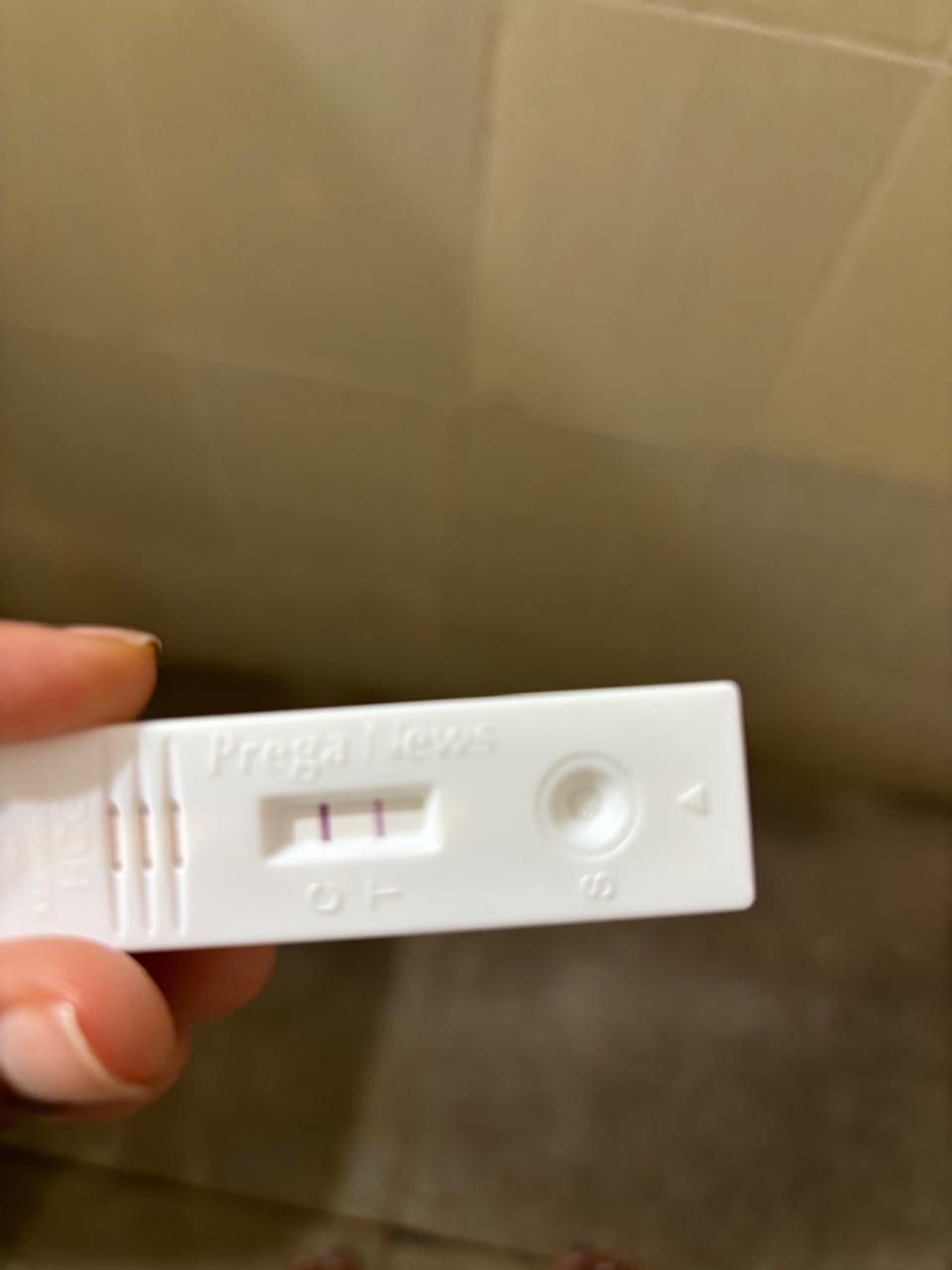
To her surprise, the test came positive. At first, it felt unreal. After waiting for so long, she could not fully believe it. There was happiness, but also disbelief and confusion.
She checked again early the next morning. And once again, it was positive. This time, it slowly started sinking in.
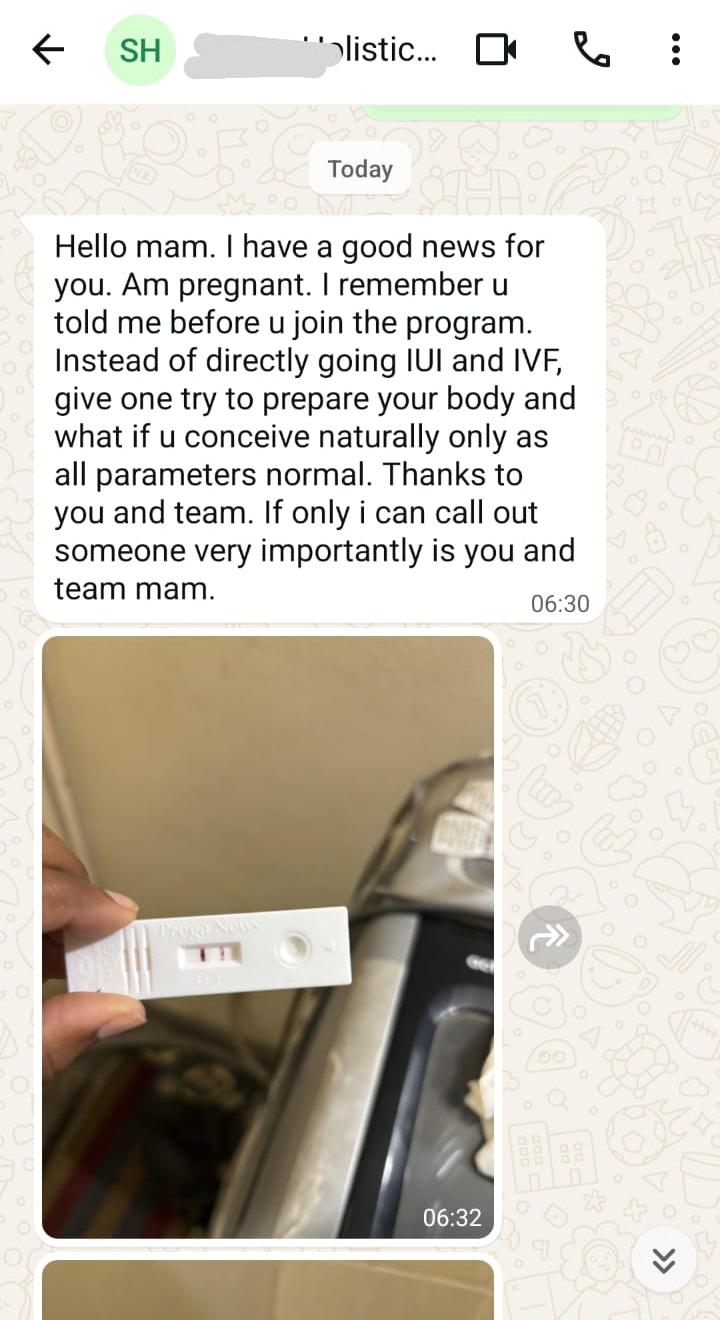
She shared the news with us:
“Hello mam. I have a good news for you. Am pregnant. I remember u told me before u join the program. Instead of directly going IUI and IVF, give one try to prepare your body and what if u conceive naturally only as all parameters normal. Thanks to you and team.”
After the Positive Test
Even after that moment, the journey did not suddenly feel free of emotions. Like many women after a long fertility journey, she still carried quiet fears, cautious hope, and the natural anxiety of wanting everything to go well.
Beta HCG confirmation
The initial waiting for beta HCG doubling felt emotional too, constantly wondering whether everything was progressing properly and waiting anxiously for reassurance. Her beta HCG came back at 3659.6 mIU/mL. Things were progressing well.
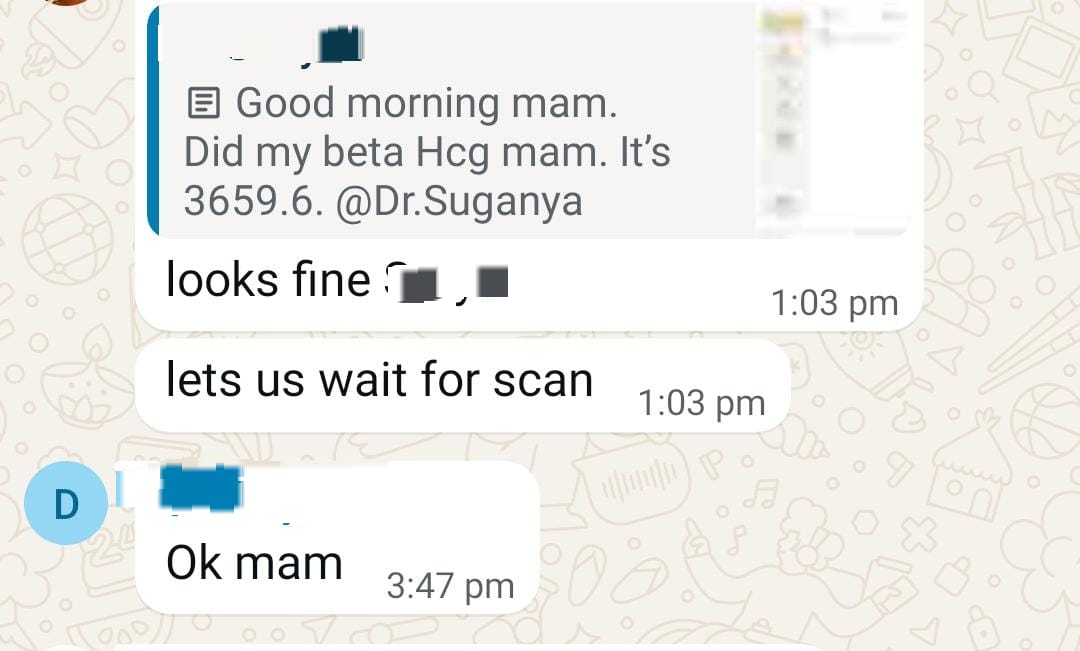
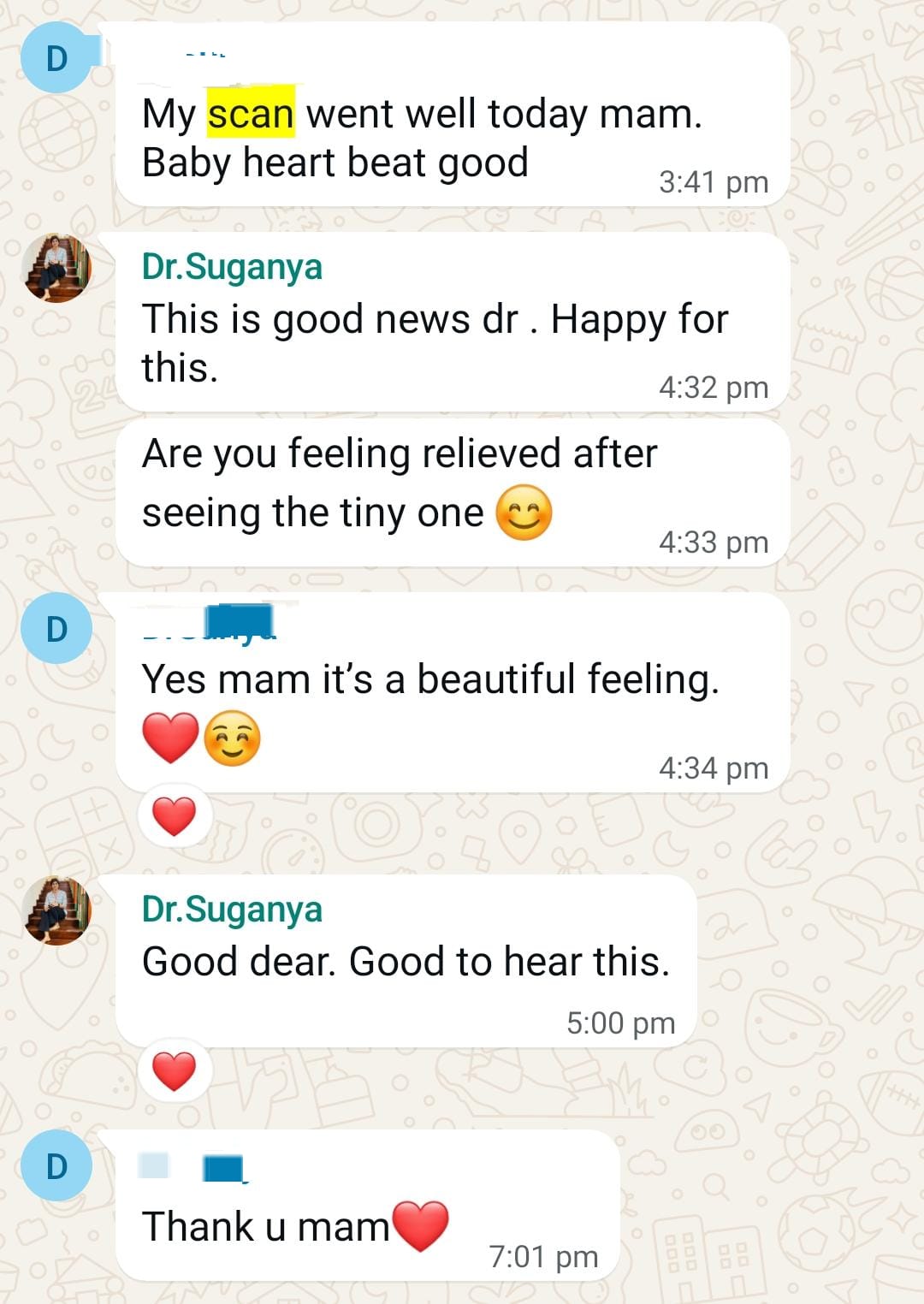
The heartbeat
Then came the next milestone: the early pregnancy scan. She walked into it carrying hope, nervousness, fear, and excitement all at once.
The heartbeat was seen clearly. That moment felt emotional, reassuring, and deeply overwhelming in the best possible way.
Continued pregnancy support
As the pregnancy progressed, she continued receiving trimester-specific guidance, symptom management, nutritional support, and practical information that she genuinely found useful and reassuring.
The gratitude
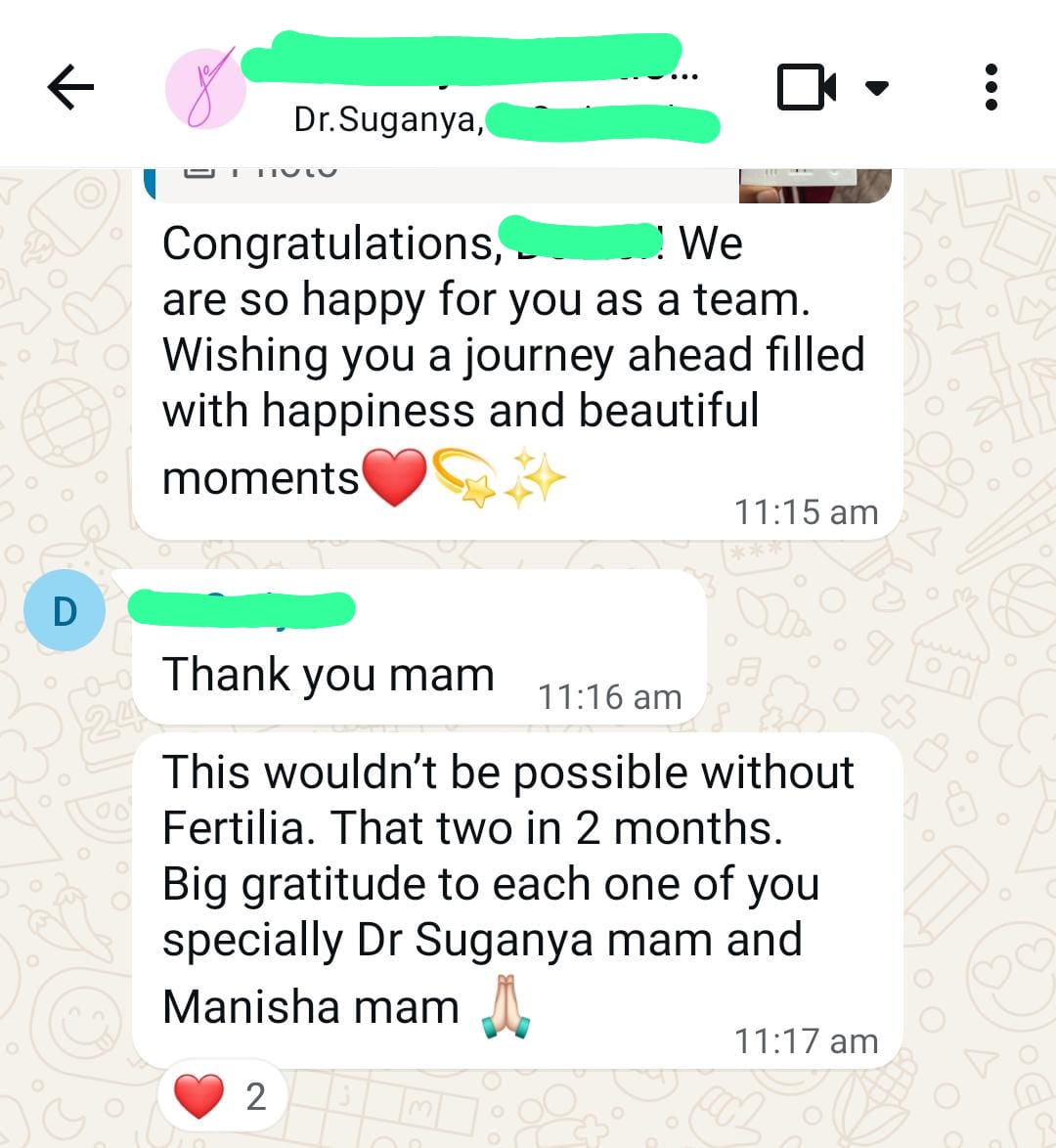
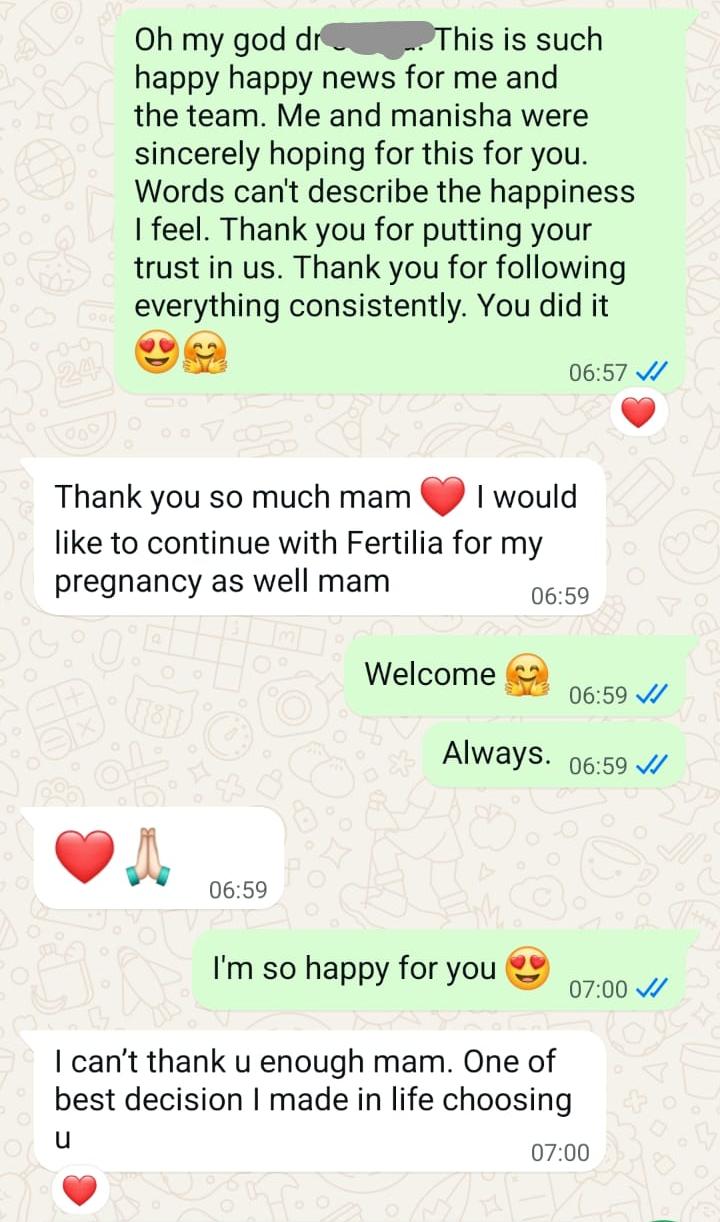
And even after her Fertilia journey officially came to an end, she shared her Mother’s Day wishes with the team:
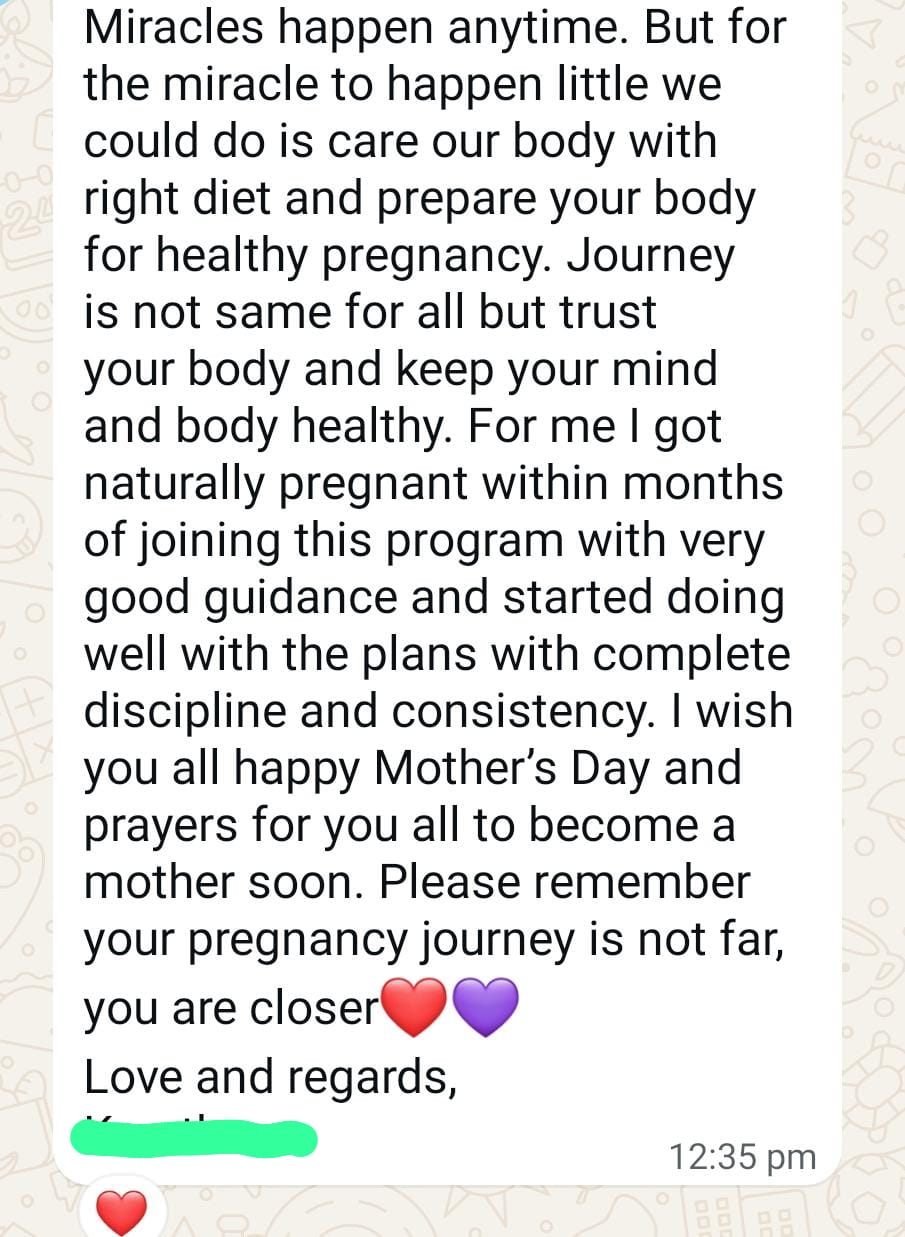
“Miracles happen anytime. But for the miracle to happen, little we could do is care our body with right diet and prepare your body for healthy pregnancy. Journey is not same for all but trust your body and keep your mind and body healthy. For me I got naturally pregnant within months of joining this program with very good guidance and started doing well with the plans with complete discipline and consistency.”
The Results
| What | Before | After |
|---|---|---|
| Trying to conceive | Over 2 years | Conceived naturally on the program |
| IUI attempts | 1 failed (poor follicular maturity), 1 missed | Not needed again |
| IVF | Under discussion | Not needed |
| Weight | 64.5 kg (overweight) | 59 kg (healthy range) |
| Weight lost | — | ~5.5 kg |
| Right ovary | Mild polycystic morphology | — |
| Semen volume (husband) | 1 mL (low) | Lifestyle support provided |
| Semen morphology (husband) | 3% (borderline) | Lifestyle support provided |
| Beta HCG | — | 3659.6 mIU/mL |
| Heartbeat | — | Confirmed on scan |
| Outcome | IVF was next on the table | Natural conception |
What This Case Study Teaches Us
1. When reports are “mostly normal,” the body may still need support
This is one of the most important lessons from Sruthika’s journey. Nothing was severely abnormal. Her AMH was good. Her TSH and HbA1c were fine. Amit’s count and motility were normal. The PCOS tendency was mild. The semen volume and morphology were borderline, not severely low.
And yet, conception was not happening.
For many couples, this “mostly normal” picture is precisely what makes the journey so confusing. Because there is no single clear target to fix, no dramatic diagnosis to act on. Just a collection of borderline findings that, together, may be enough to delay conception.
What Fertilia provided was not a single intervention. It was structured, consistent support across nutrition, movement, supplementation, weight management, and fertile window guidance that addressed the overall environment rather than one isolated parameter.
2. Emotional exhaustion is real and deserves as much attention as medical findings
Sruthika’s journey before Fertilia included a traumatic SSG, a failed IUI cycle, a missed cycle, and months of uncertainty. By the time she reached us, the emotional weight was as heavy as any medical finding.
The monthly disappointment when periods arrive, the fear of another procedure, the quiet worry that sits in a marriage when neither person wants to add pressure to the other. These are not side effects of infertility. They are part of the condition itself.
The program did not just address her physiology. The consistent check-ins, the responsive support, and the non-judgmental guidance helped her feel supported through a journey that had, until then, felt isolating.
3. Weight management for fertility is about environment, not restriction
Sruthika lost 5.5 kg over the course of the program. The approach was never about calorie counting or restriction. It was about building a sustainable routine with balanced meals, regular movement, and gradual adaptation.
Research consistently shows that even a 5 to 10 percent reduction in body weight can improve ovulation quality and fertility outcomes in women who are overweight (Clark et al., 1998, Human Reproduction). For Sruthika, the weight reduction was one piece of a larger shift that included better energy, improved confidence, and a body that was metabolically better prepared for pregnancy.
4. Borderline male factor findings are worth addressing, not dismissing
Amit’s semen analysis was not severely abnormal. Many couples are told “this is fine” when values are borderline. But low semen volume (1 mL vs the WHO reference of 1.4 mL) and reduced morphology (3% vs the reference of 4%) can contribute to delayed conception, especially when combined with even mild female factors.
Through the program, both partners received guidance. Improving sperm health through nutrition, lifestyle, and targeted support is not just about the numbers on a report. It is about creating the best possible conditions for conception.
5. The decision to pause before the next treatment is not the same as giving up
Sruthika did not reject IVF. She did not dismiss her doctors’ advice. She made a conscious decision to first understand whether her body, with the right support, could respond naturally. That is not giving up. That is giving the body one informed, supported opportunity before deciding on the next medical step.
For many couples, the preparation itself is never wasted. Whether conception happens naturally or through IVF, a body that is nutritionally, hormonally, and metabolically better prepared will respond better either way.
Have You Been Trying for Over a Year with “Normal” Reports?
If your tests look mostly fine but pregnancy is not happening, you are in the same place Sruthika was. A structured lifestyle program can help you understand whether your body needs nutritional, hormonal, or metabolic support before deciding on the next step.
Frequently Asked Questions
What is unexplained infertility?
Unexplained infertility is when a couple has been trying to conceive for over a year (or six months if the woman is over 35), and standard fertility evaluations including semen analysis, ovulation assessment, and tubal patency testing do not reveal a clear cause. It accounts for approximately 15 to 30 percent of all infertility cases (Practice Committee of ASRM, 2020). It does not mean nothing is wrong. It means standard testing has not identified the specific barrier. Factors like egg quality, subtle hormonal imbalances, endometrial receptivity, or the combination of borderline findings in both partners may be contributing.
Can you conceive naturally with unexplained infertility?
Yes. Research shows that approximately 30 to 40 percent of couples with unexplained infertility will conceive naturally within three years without treatment (Brandes et al., 2010, Human Reproduction). Lifestyle interventions including nutrition, weight management, stress reduction, and fertile window guidance can improve these odds by addressing factors that standard tests do not measure. Sruthika conceived naturally within months on a structured program after over two years of trying.
What should you do after a failed IUI cycle?
After a failed IUI, the usual recommendation is to try another cycle or consider escalating to IVF. Both are valid options. However, some couples choose to use the interval between cycles or before the next treatment to optimise their health through lifestyle-based support. Improving nutrition, reaching a healthier weight, addressing borderline male factor findings, and reducing stress can all improve the chances of the next attempt, whether natural or assisted.
Does mild PCOS affect fertility?
Mild polycystic ovarian morphology (as opposed to a full PCOS diagnosis by Rotterdam Criteria) can affect fertility through subtle effects on ovulation quality. Even when cycles appear regular, the quality of ovulation and the hormonal environment supporting implantation may not be optimal. A fertility-supportive approach including anti-inflammatory nutrition, regular movement, and weight management can improve ovulation quality in women with mild PCOS tendencies.
How much weight loss helps with fertility?
Research suggests that even a 5 to 10 percent reduction in body weight can significantly improve ovulation and fertility outcomes in women who are overweight (Clark et al., 1998, Human Reproduction). Sruthika lost approximately 5.5 kg (from 64.5 kg to 59 kg), which represented about an 8.5 percent reduction. The key is that the weight loss is sustainable and achieved through balanced nutrition rather than restrictive dieting, because extreme dieting can actually impair fertility by disrupting hormonal balance.
Does borderline male factor matter for conception?
Yes. While individual borderline findings may not be clinically significant on their own, the combination of slightly low semen volume and reduced morphology alongside even mild female factors can create a cumulative barrier to conception. A comprehensive semen analysis interpreted in context, rather than dismissed because each value is “almost normal,” gives a more accurate picture. Lifestyle support for the male partner including nutrition, exercise, adequate sleep, and stress management can improve sperm parameters and increase the chances of natural conception.
Is it worth trying a lifestyle program before IVF?
For many couples, yes, especially when the clinical picture involves borderline findings rather than severe pathology. Whether you conceive naturally (as Sruthika did) or proceed to IVF later, preparing your body through structured lifestyle support means you go into any treatment in a better position. Being straight about the evidence: the large Dutch LIFEstyle trial (Mutsaerts et al., NEJM 2016) found that a lifestyle programme before fertility treatment did not improve IVF outcomes, though it did increase natural conceptions, and the Human Reproduction Update review of this question (Best et al., 2017) concluded the evidence for improved ART outcomes is limited. What preparation reliably improves is your metabolic health and the pregnancy you are trying to carry. That is reason enough.
This is part of a series of patient case studies from our clinic. Every story is real, verified, and shared with the patient’s explicit consent. Names and identifying details are changed to protect privacy.
Dr. Suganya Venkat is an OB-GYN with 15+ years of experience. She holds an MBBS (SRMC, 5 Gold Medals), MD in Pathology (CMC Vellore), and DNB in OB-GYN (GKNM Hospital, Coimbatore).